Will the Jury Know I'm a Cooperating Witness??
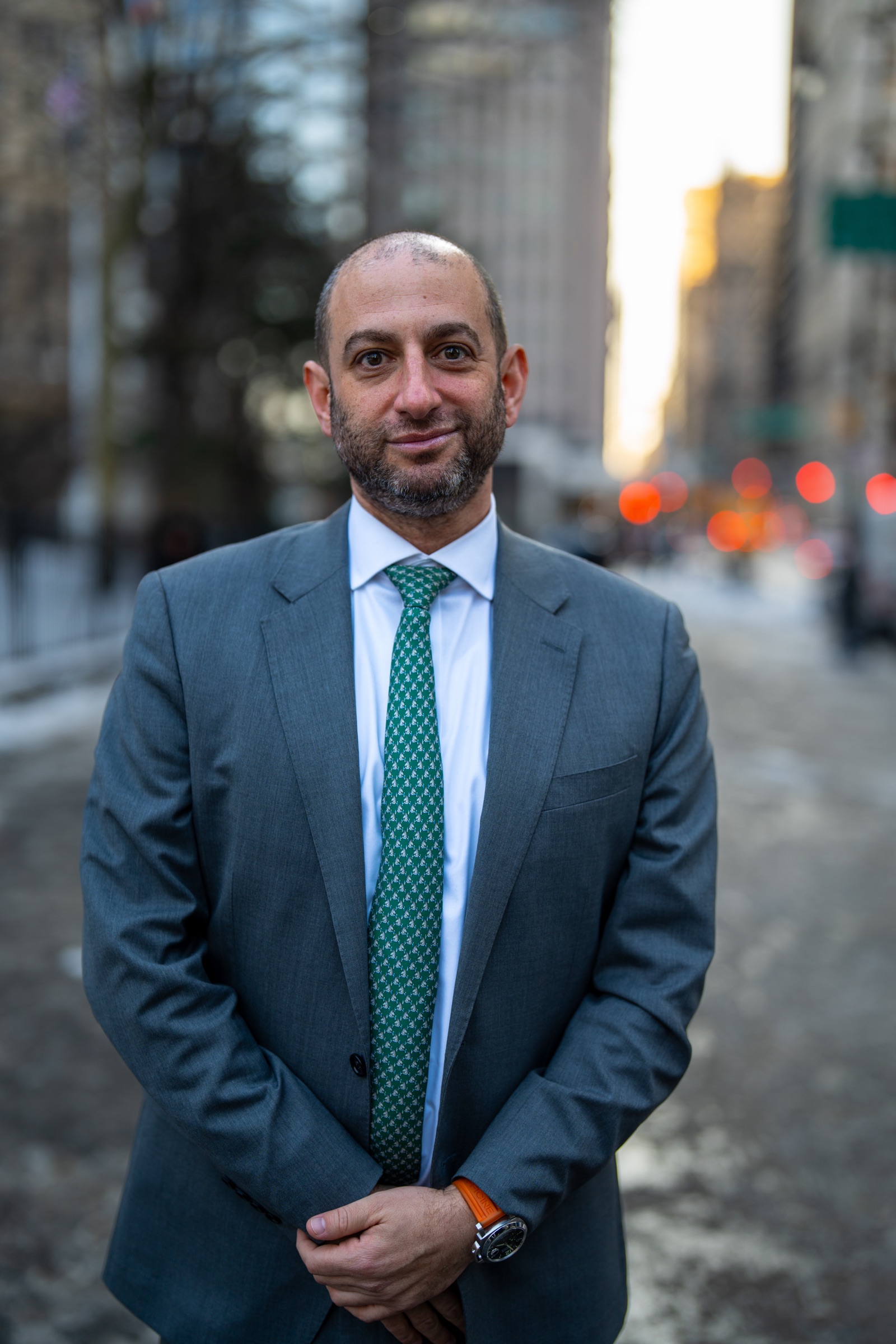
If a cooperating witness is called to testify in court, he or she may do so publicly. A testifying cooperator’s promised or expected benefits are ordinarily revealed before jurors evaluate the witness’s credibility.
Along with this, defense counsel may question a cooperating witness during trial cross-examination about benefits he or she has received or expects to receive, as well as the facts and circumstances he or she discussed with federal prosecutors.
If you are a cooperating defendant, you may be called to testify against other individuals. While you may have waived your privilege against self-incrimination, you cannot waive your right to the assistance of defense counsel. So, as a testifying defendant, you may face cross-examination by the defense counsel representing the individual(s) whom you testified against.
Whether the witness is a cooperating defendant or a third party, any promised or received benefit can affect a witness’s credibility. A jury has to decide whether a witness’s testimony is given for personal gain or in search of the truth. This is why defense lawyers will attempt to paint testifying cooperators as motivated by their deals with federal prosecutors. In some cases, they will try to argue that these witnesses testified falsely to please federal prosecutors and ensure the benefits they were promised. They might also try to discredit a testifying cooperator’s testimony by arguing that the cooperator does not have any other option but to testify to ensure that he or she doesn’t end up with a severe sentence. In this case, the witnesses might have been forced to testify under the threat of prosecution. Finally, in some cases, they may try to argue that the witness does not have first-hand knowledge of the events he or she is testifying about and has simply repeated what he or she was told by others.
How will the jury learn about my cooperation?
There are five primary ways in which the jury can find out about a cooperating witness’s cooperation agreement.
The first way is by hearing the prosecutor ask prospective jurors questions during voir dire. For example, the prosecutor could ask, “You may hear testimony from an individual who has received, or who hopes to receive, some form of leniency in exchange for cooperating with the government. Do you believe that this fact should cause you to view that individual’s testimony with skepticism?” or “You may hear testimony from an individual who has received, or who hopes to receive, immunity or payment for cooperating with the government. Do you think that such a witness is more likely to testify falsely?”
These types of questions are not used to establish the fact of cooperation during the trial. Instead, they are used to determine prospective jurors’ impartiality. However, once asked, it provides jurors with an understanding of the concept of cooperation, and if the prosecutor asks such questions during voir dire, jurors can reasonably expect that they will hear from a cooperating witness during the trial.
The second way the jury can learn about a witness’s cooperation is when prosecutors disclose the existence of cooperation during direct examination. Prosecutors often do this as a “preemptive strike.” By disclosing the existence of the cooperation agreement during direct examination, prosecutors present themselves as open and honest to the jury and avoid creating an impression that they are hiding the agreement from the jury. This could potentially mitigate any skepticism the jury might have if defense counsel were to be the one to bring up the cooperation agreement during cross-examination.
The third way the jury can learn about a witness’s cooperation is by weighing the witness’s cooperation agreement as evidence. While disclosing the existence of a cooperation agreement during voir dire is solely for the purposes of juror screening, once the agreement has been admitted into the trial record, it becomes a piece of evidence for the jury to consider during deliberations.
The fourth way the jury can learn about a witness’s cooperation is by hearing the judge’s jury instructions. In most cases, prosecutors will request that the judge include language in the jury instructions. Federal pattern instructions identify potential motivations for cooperation, stating, “A witness who has received or has a prospect of receiving leniency, immunity, or payment, may have a motive to testify falsely. You will have to determine whether such a witness did, in fact, testify falsely.”
The fifth way the jury can learn about a witness’s cooperation is by weighing a cooperating witness’s testimony against corroborating or circumstantial evidence presented during the trial. If other evidence corroborates the cooperator’s testimony, jurors may find it believable despite the witness’s vested interest in the outcome of the trial.
What must prosecutors disclose about a cooperating witness?
Prosecutors have disclosure obligations involving witnesses, prosecutors, and evidence. One of the biggest obligations involves cooperating witnesses, who are also government witnesses. There are three major sources of disclosure obligations: (1) the prosecution’s obligations under Giglio, (2) the prosecution’s obligations under Brady, and (3) the prosecution’s obligations under the Jencks Act.
Giglio mandates the disclosure of any promises, rewards, or inducements the government offered in exchange for the witness’s testimony. These promises, rewards, or inducements must be “material,” meaning “the information is favorable to the accused and will be presented in time for the defense to make effective use of it in trial.” However, it is different when it comes to a testifying cooperator. If a witness’s credibility is at issue (and this is always the case for a testifying cooperator), the evidence of the reward or inducement is presumed to be material. So, in summary, prosecutors must disclose any information that could potentially affect a cooperating witness’s credibility.
Brady prohibits the prosecution from suppressing evidence favorable to the defense. This includes evidence that a witness has made a false statement. United States v. Bagley recognized that impeachment evidence is a form of favorable, material evidence. So, Brady is often in tandem with Giglio in disclosing information about testifying cooperators.
The Jencks Act, 18 U.S.C. § 3500, requires the prosecution to disclose “qualifying” government-witness statements relating to the witness’s trial testimony. Section 3500(b)(2) provides: “The attorney for the government may, on the first day of trial, or at any time prior to the testifying witness’s direct examination, make available to the opposing party all such statements. In other circumstances, such statements must be disclosed or made available to the opposing party after the testifying witness has completed direct examination.” In practice, the government makes a Jencks production after the testifying witness has completed direct examination. Even though section 3500(b)(2) allows prosecutors to provide the statements before direct examination, they generally do not do so. However, prosecutors will often provide the information at the latest possible time to diminish the defendant’s ability to question the testifying cooperator.
The constitutional duty of disclosure established in Giglio does not have a specific deadline. Here, too, prosecutors will provide information in a way that prevents defense counsel from effectively using it at trial. However, regardless of what prosecutors do, we believe that all cases in which defendants are facing a cooperating witness deserve thorough preparation and effective trial representation. This requires that defense lawyers receive all disclosures that they are entitled to in order to adequately prepare for trial.
Napue v. Illinois established that prosecutors have a duty to correct any false testimony made about promised or expected benefits during a trial.
The results of suppressed Giglio evidence (i.e. promised or expected benefits for cooperating witnesses) also warrant trial relief in appropriate cases. This occurs when disclosure of this evidence creates a reasonable probability of a different result.
While a cooperating defendant does not have to disclose his or her agreement to a prosecutor in all circumstances, he or she may be required to sign a proffer agreement. This agreement governs the information he or she provides to prosecutors during cooperation discussions.
Can my cooperation agreement or identity remain secret?
In some cases, the government may seek to keep a cooperating witness’s agreement or identity confidential. For example, the government could ask the court to seal a cooperation agreement. However, even if the agreement is sealed, it will likely be disclosed to defense counsel pursuant to a protective order. While sealing the docket, the evidence of a cooperating witness’s cooperation agreement may still be admissible at trial. While jurors will consider evidence presented at trial, they do not consider any evidence that remains solely on the sealed docket.
The closing of a testifying cooperator’s testimony to the public is possible but limited in scope. To close the trial to the public, the government must be able to satisfy the findings required in Waller v. Georgia. The government must show that there is an overriding interest that outweighs the public’s right to an open trial, and it must be able to show that the closure is narrowly tailored to protect that interest, and that the closure is the least restrictive means available.
Can the risk of retaliation be grounds for sealing or closing testimony?
While risks of retaliation can sometimes justify sealing a cooperation agreement or closing a witness’s testimony to the public, it does not, on its own, override the right to confront the witness at trial. Here, too, it will depend on whether the government can satisfy the requirements established in Waller v. Georgia.
This is the point at which most people call a lawyer. Spodek Law Group takes federal criminal defense cases nationwide from its New York and Los Angeles offices.
What are the grounds for disclosing the identity of a secret cooperating witness?
The identity of a secret government witness may be protected unless and until the requirements established in Roviaro v. United States are met. According to Roviaro, the government’s obligation to disclose a cooperating witness’s identity is triggered when the witness’s identity is “relevant and helpful to the defense.” Once those requirements are met, the government must disclose the witness’s identity unless the identity is privileged. If it is privileged, the government must demonstrate that the privilege must be maintained.
How is a confidential informant different from a cooperator?
Confidentiality and cooperation are two different concepts. Confidentiality refers to the act of keeping a witness’s identity secret; cooperation refers to the act of assisting law enforcement. So, while these terms are used interchangeably, they are not synonyms.
While cooperating witnesses provide assistance after they have been recruited by federal prosecutors and have been placed under a cooperation agreement, they might provide recorded communications from before the indictment.
Conversely, confidential informants may gather information while operating under the FBI or other federal law enforcement directions. So, while not all confidential informants will become testifying cooperating witnesses, all cooperating witnesses who become federal prosecutors’ agents will be confidential informants.
In Roviaro v. United States, the Supreme Court recognized a qualified government privilege protecting a confidential informant’s identity. This privilege was extended to all informants, provided that the information they had supplied was obtained in the course of their duties as an agent of the government.
The privilege is qualified in nature because it is not absolute. According to the Supreme Court, a confidential informant’s identity must be disclosed when the informant’s identity is “relevant and helpful to the defense.” This includes circumstances in which the informant’s testimony is crucial to the case or when the government’s refusal to disclose the informant’s identity would hinder the defendant’s ability to present an effective defense.
When government prosecutors call an informant to testify as a witness, this generally necessitates revealing enough of the informant’s identity so that the defendant can exercise his or her Sixth Amendment confrontation right. This means that, while the exact identity may not be revealed, prosecutors must disclose enough of the identity to allow for an effective cross-examination.
Can defense counsel interview a government witness before trial?
Government witnesses can speak with defense lawyers in advance of trial. But, a defendant cannot compel a witness to grant a voluntary pretrial interview. Along with this, prosecutors may not obstruct a defendant’s right to communicate with a witness who is willing to participate in an interview. Therefore, a voluntary pretrial interview may occur without the judge or jury and it is not considered to be cross-examination.
While defendants have certain constitutional rights to access testifying witnesses, prosecutors’ obligations to disclose testifying witnesses’ information to defendants are limited. The authorities cited above are not enough to establish the principle that defense counsel should have access to information in all situations in order to make informed decisions about testifying.
A federal grand jury consists of sixteen to twenty-three members. A federal grand jury serves the purpose of making a determination of probable cause, rather than guilt beyond a reasonable doubt. If the grand jury finds a probable cause, it will return an indictment charging a defendant with a federal crime. Federal grand-jury testimony is done under oath in a closed room. Also, there is no judge present, and it is not possible to cross-examine the witness, even if the witness is a cooperating witness.
If a defense counsel wants to examine a testifying witness’s testimony, then the defense counsel can request the testifying witness’s testimony from the prosecution.
However, it should be noted that if a testifying cooperator testifies in the trial, then his or her testimony will be given in a public trial. In this situation, the trial jury, judge, and the public will hear the testimony.
As we can see from all the information provided above, the only way the trial jury can learn about a testifying cooperator’s cooperation is: (i) prosecutors disclose the information, (ii) the defense counsel asks the witness questions about his or her cooperation agreement during cross-examination, and (iii) the judge includes a jury instruction on testifying cooperators.
What relationships or views disqualify someone from jury service?
If a juror is an acquaintance of a witness, it does not necessarily disqualify the prospective juror from serving. Instead, the judge will typically ask the prospective juror about the nature of his or her relationship with the witness. Similarly, attorneys are not categorically disqualified from serving as federal jurors under 28 U.S.C. § 1865.
Prospective jurors must avoid prejudging a witness’s credibility. This means that jurors should not view a testifying witness as more or less credible simply because he or she is a cooperating witness. In Texas, prosecutors may challenge a prospective juror if they categorically reject the possibility of relying on incentivized testimony. The reasoning is that incentivized testimony may be a witness’s best possible testimony, and jurors must be able to weigh it. However, in Ladd v. State, the court found that jurors may have slight preferences about testifying witnesses (like testifying cooperators), but this cannot lead to automatic juror disqualification.
A state’s laws regarding juror disqualification during voir dire do not necessarily establish rules in other jurisdictions. As a result, defense counsel’s ability to challenge prospective jurors and the court’s ability to disqualify jurors will depend on the jurisdiction in which the defendant is on trial. Castillo v. State is another Texas case where the court denied the cause challenge of a prospective juror who wanted more than just one witness to testify. The court noted that even if an informant’s testimony is truthful, jurors are not expected to accept it without corroborating evidence. So, the prospective juror should not be disqualified.
Talk to Spodek Law Group
Every case turns on its own facts, and general information is no substitute for advice about yours. Todd Spodek, managing partner of Spodek Law Group, and the firm's attorneys defend federal criminal and white collar matters nationwide. Reach the firm at 212-300-5196.
Reading is good. Calling is better.
Answered within 24 hours, guaranteed. Some stories are better told out loud -
212 300 5196