The government’s favorite charge is also its laziest.
Every email is a wire; every dispute has emails. Wire fraud is charged wherever prosecutors need a federal hook - which is exactly why it can be fought.
Netflix told the story. The defense was ours.
When a television producer built Inventing Anna, the defense at its center was Todd Spodek’s - argued for the so-called fake heiress in a Manhattan courtroom long before an actor from Succession played him on screen. What 320 million hours of viewers watched is the method every client of this firm gets, in every federal district.
The record, dated and sourced.
Wire fraud requires a scheme to defraud and an intent to deceive - not a deal that went bad with messages attached. Because the count is so elastic, prosecutors over-charge it, and juries can be shown the difference between commerce and crime. We try these cases on intent, materiality, and loss - the three places the government’s theory is thinnest.
Two agencies and your inbox.
Wire fraud cases are built from subpoenaed email, wire logs, and a cooperator narrating your intent. The FBI works backward from the money; by the target letter, the timeline is already drawn. We redraw it - because the same inbox that indicted you usually contains the good-faith story the government skipped.
Twenty years is the headline. The table is the case.
The statute says twenty years; §2B1.1 says the sentence. Intended versus actual loss, credits, victim counts, sophistication - each bracket is argued, and two levels is years. Six months on a $12 million federal Ponzi, against a government ask of years, is what that table work buys.
Intent, materiality, loss.
A scheme to defraud needs a knowing lie that mattered - not commerce that disappointed. Good faith is a complete defense; puffery is not fraud; and “honest services” has limits the government tests every year. We try the thin places, and wire fraud has three.
§1343 in the caselaw, right now.
Twenty years per wire, thirty for bank-adjacent and disaster fraud - and the Supreme Court keeps redrawing the edges: one decision killed right-to-control loss theories, and honest-services fraud stays confined to bribes and kickbacks under another. Every wire is a separate count, venue lies wherever the transmission passed, and the loss table does the sentencing. It is the government’s workhorse statute - which is exactly why its edges matter.
The week the target letter arrives.
Calendar nothing louder than the response date; a target letter is an invitation to be heard before charging, and we use it. Freeze your records - emails, deal files, bank statements - before accounts and access disappear. Write the honest chronology for counsel while memory is sharp. And route every government contact through us: the interview you do not give is the count they cannot write.
Know who is on the other side.
The first 72 hours decide the next 72 weeks.
No interviews, no consents, no explaining, no deleting. The words said in hour zero are the exhibits at trial. Write down what was asked and by whom - then stop.
Privilege attaches, facts get mapped while memory is fresh, documents get preserved the right way, and nobody in your orbit talks to agents unrepresented again.
We contact the government as your counsel: target, subject, or witness gets confirmed, deadlines get calendared, and the defense - not the investigation - sets the tempo.
How your case unfolds.
THE FULL PROCESS →Risk-free, in person or by phone. Ask anything, for as long as it takes. Strategy starts the same day.
Subpoenaed inboxes and a drawn timeline - we engage prosecutors at the target-letter stage, where charging is still a choice.
Suppress the overbroad seizure, contest intended loss, redraw the timeline - and when trial is the advantage, intent gets tried on the whole inbox, not the excerpts.
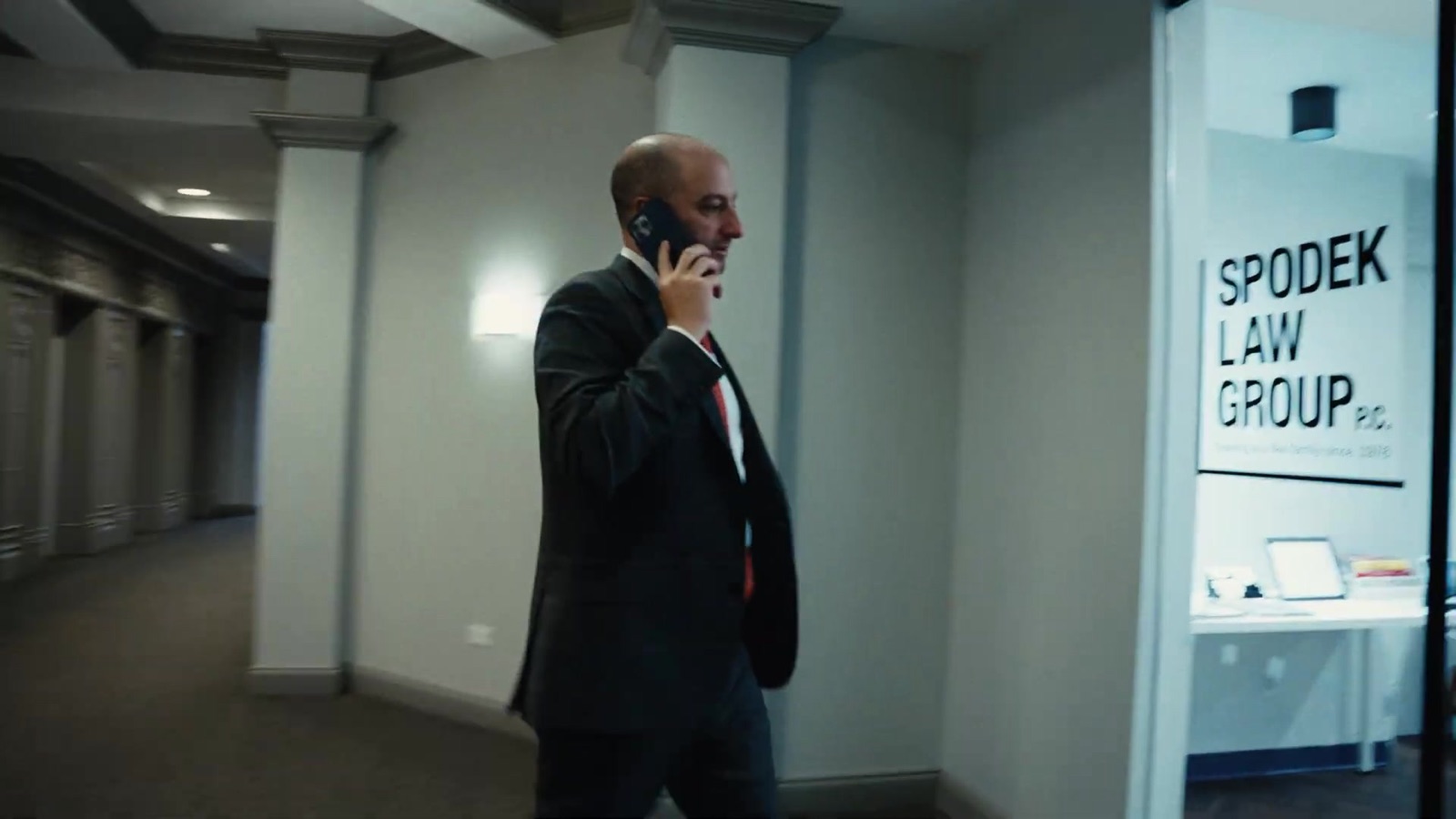
Todd A. Spodek is a second-generation trial lawyer whose defense of Anna Delvey became Netflix's Inventing Anna. He appears on Fox News and CNN as a legal analyst, authored a column in The Spectator, and is quoted by the Associated Press when the biggest federal cases break. The record behind the profile: a complete acquittal in a $26M money-laundering trial, RICO charges carrying a 10-year minimum dismissed, and 6 months on a $12M Ponzi case.
See who fights for you before you ever call.
Who we are, how we work, and why clients nationwide trust us with their future - in under a minute.
Why this firm.
Five decades of federal courtrooms. Whatever the government has charged, this firm has defended it before.
No allegiance to U.S. Attorneys, agents, or agencies. The client is the only constituency.
Every district in the country, one client portal - documents, invoices, counsel, in real time.
We decline more federal matters than we accept - and every accepted case gets the whole bench.
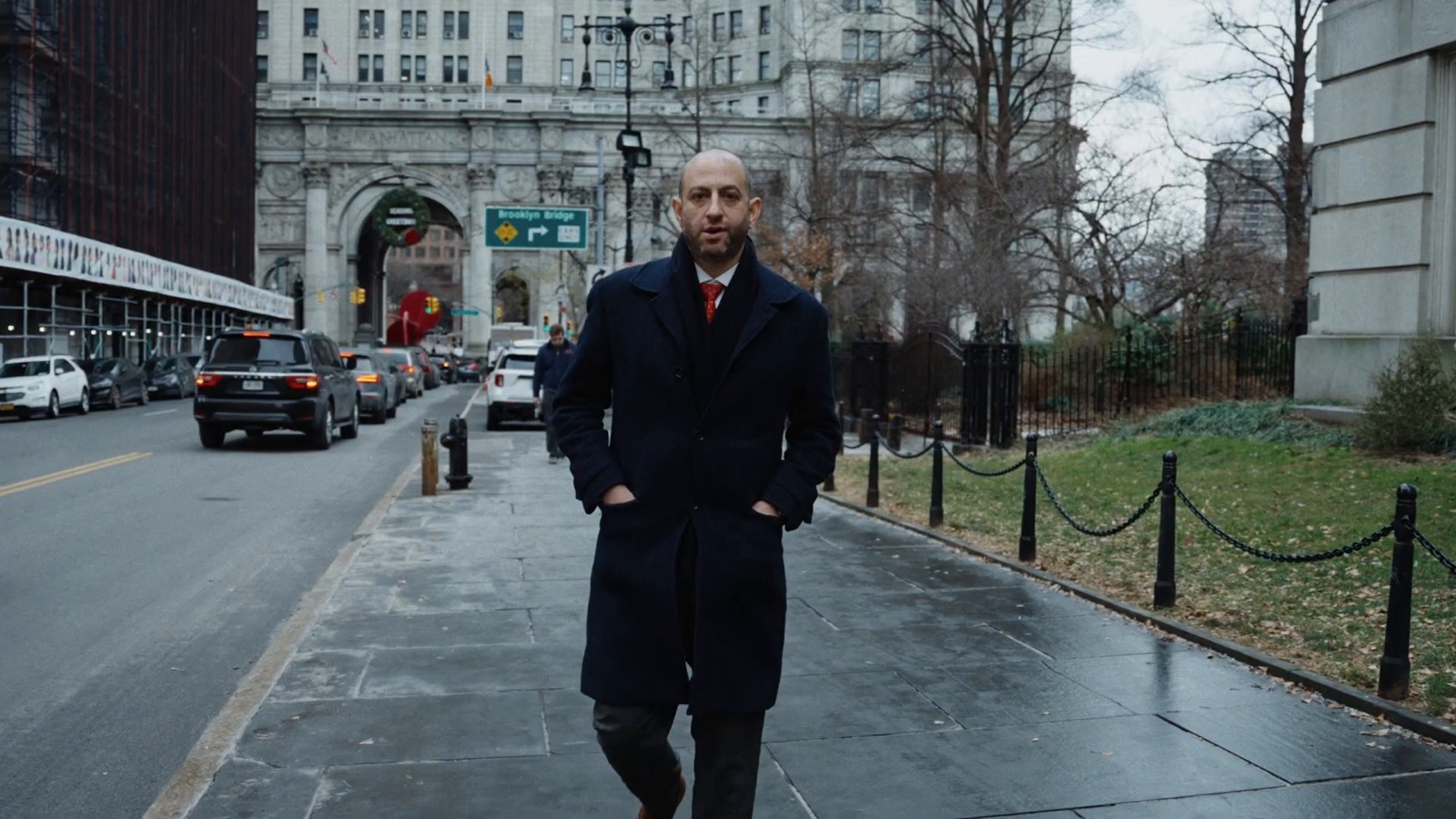

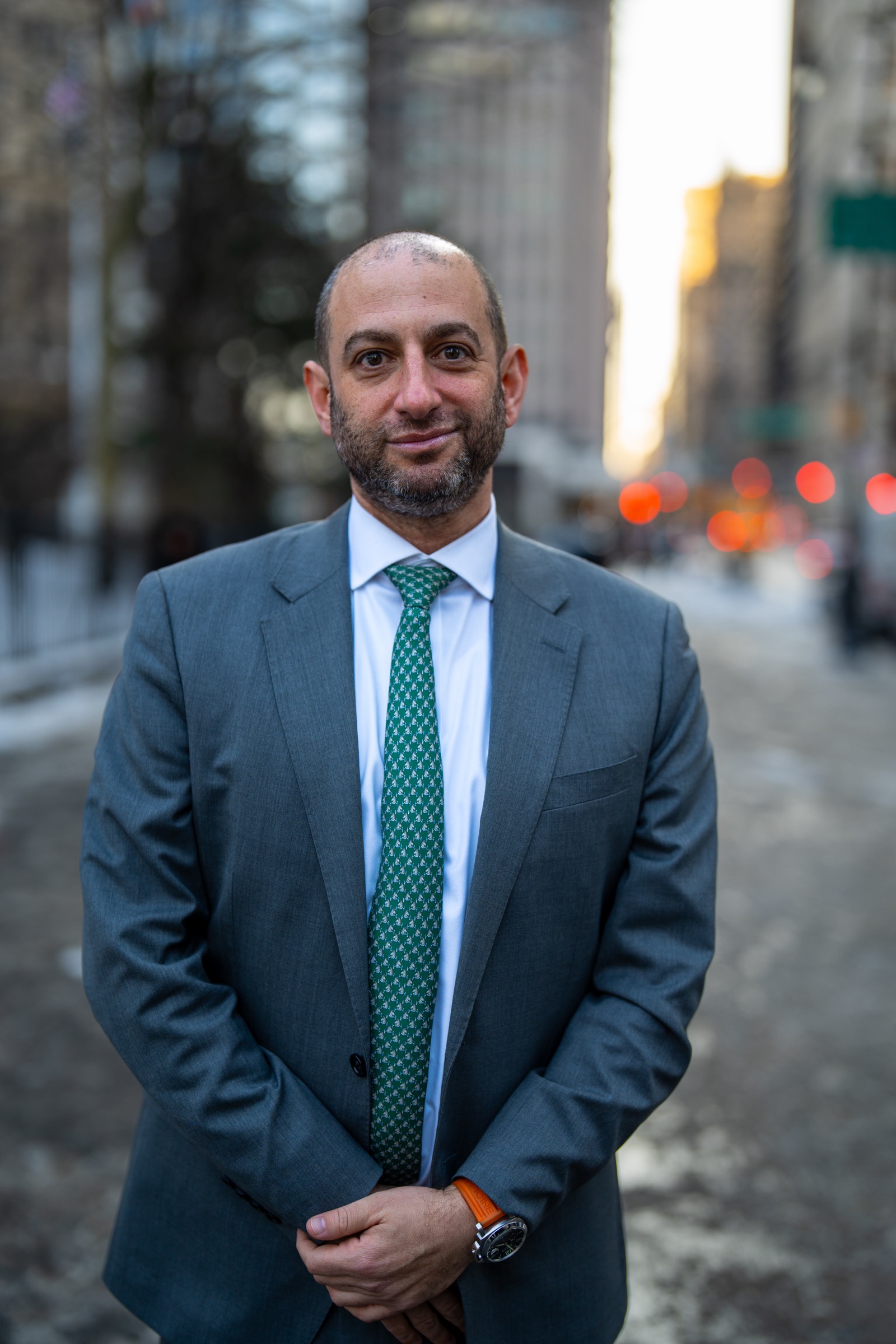





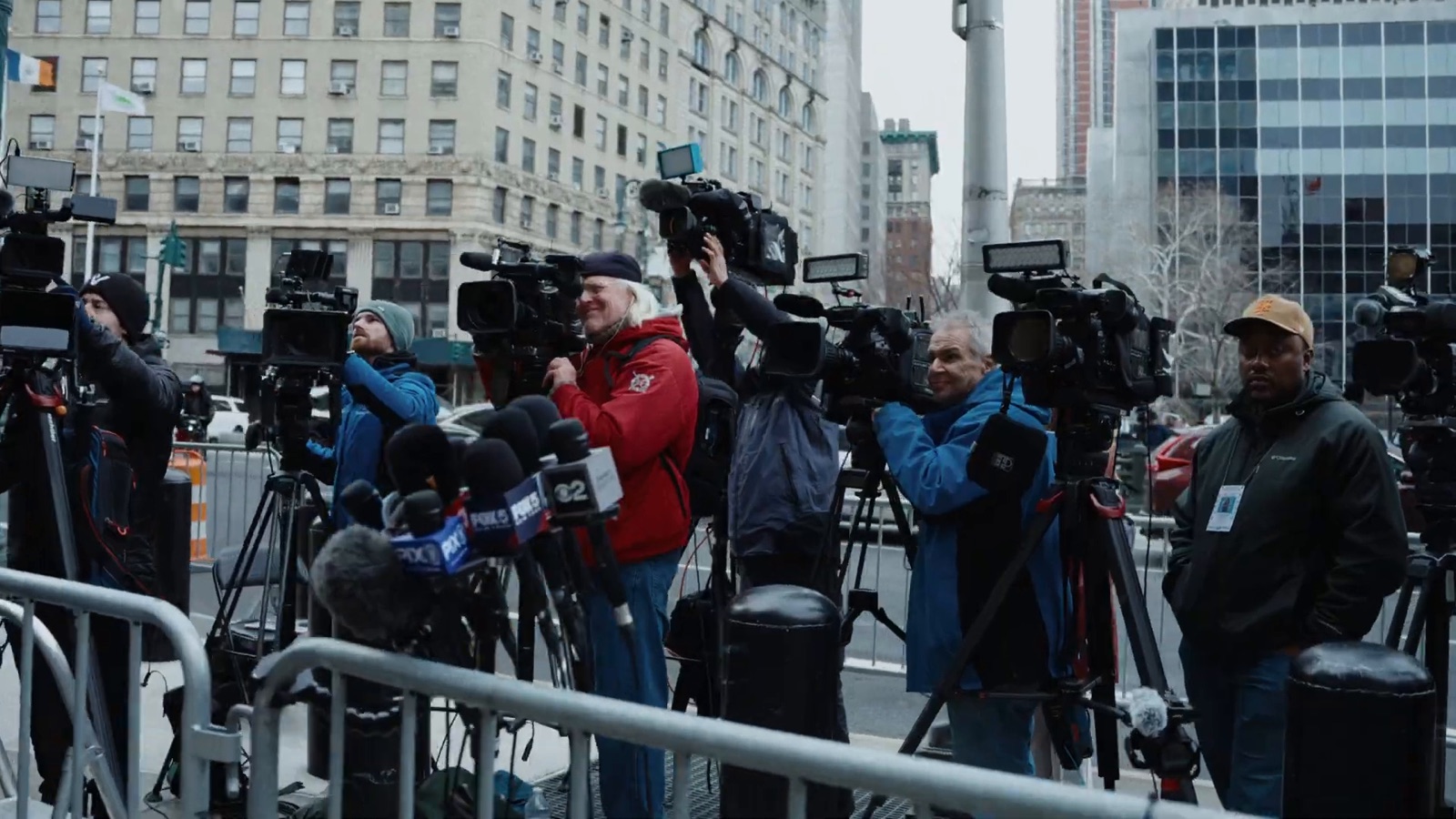
On the record, on the wire.
Get ahead of the case.
Answered within 24 hours, guaranteed. Some stories are better told out loud -
212 300 5196Updated 21 AUG 2026