Two years, mandatory, consecutive - unless the theory fails.
Aggravated identity theft bolts a flat two-year sentence onto any fraud count, and it cannot run concurrent. The Supreme Court just cut the statute back to its core - most indictments still over-read it.
Netflix told the story. The defense was ours.
When Hollywood built Inventing Anna, the defense at its center was Todd Spodek’s - argued for the so-called fake heiress in a Manhattan courtroom long before an actor of Succession played him on screen. What 320 million hours of viewers watched is the method every client of this firm gets, in every federal district.
The record, dated and sourced.
Section 1028A requires the use of another person’s identity “during and in relation to” a predicate felony. In one identity-theft case, the Supreme Court held the misuse must be at the crux of what makes the conduct criminal - not incidental to it. Most § 1028A counts exist as plea leverage. Leverage built on a bad reading of the statute can be dismantled.
The crux line.
A billing code with a real patient’s name on it is not aggravated identity theft just because the bill was inflated. The identity must do the defrauding - not merely appear in the paperwork. We hold every count against that standard, and move to dismiss the ones that fail it.
Knowledge of a real person.
A Supreme Court decision requires the government to prove you knew the identifiers belonged to a real, living person - not a generated number, not a synthetic profile. In document cases and employment cases, that knowledge element is routinely assumed and rarely provable.
The stacking game.
Because § 1028A is mandatory and consecutive, prosecutors charge it to force pleas on the underlying fraud. The defense runs the other direction: attack the predicate felony, and the two-year add-on has nothing to attach to. The tail dies with the dog.
Two years, mandatory, consecutive - by design.
§1028A exists to force pleas: two years no judge can reduce, stacked on the underlying fraud, with a five-year version for terrorism counts. The Supreme Court finally narrowed it - the identity use must be “at the crux” of the offense, not incidental billing under a real patient’s name. §1028 base offenses add up to fifteen years more. The charging decision is the sentencing decision, and that decision handed the defense its best tool in a decade.
Sorting your name from the scheme.
Inventory every account, credential, and authorization you legitimately held - consent defeats the count. Preserve the provenance of any purchased data: marketing lists and synthetic identities are not “of another person” under the statute. And if your own identity was misused inside the scheme, say so through counsel early; we have watched defendants and victims trade places in these files.
Know who is on the other side.
The first 72 hours decide the next 72 weeks.
No interviews, no consents, no explaining, no deleting. The words said in hour zero are the exhibits at trial. Write down what was asked and by whom - then stop.
Privilege attaches, facts get mapped while memory is fresh, documents get preserved the right way, and nobody in your orbit talks to agents unrepresented again.
We contact the government as your counsel: target, subject, or witness gets confirmed, deadlines get calendared, and the defense - not the investigation - sets the tempo.
How your case unfolds.
THE FULL PROCESS →Risk-free, in person or by phone. Ask anything, for as long as it takes. Strategy starts the same day.
A fraud file with a §1028A rider - we engage prosecutors on the charging decision, because no judge can undo the two years later.
Brief the Supreme Court ruling, prove authorization, unwind the victim math - the mandatory count is the lever, and we take it off the table.

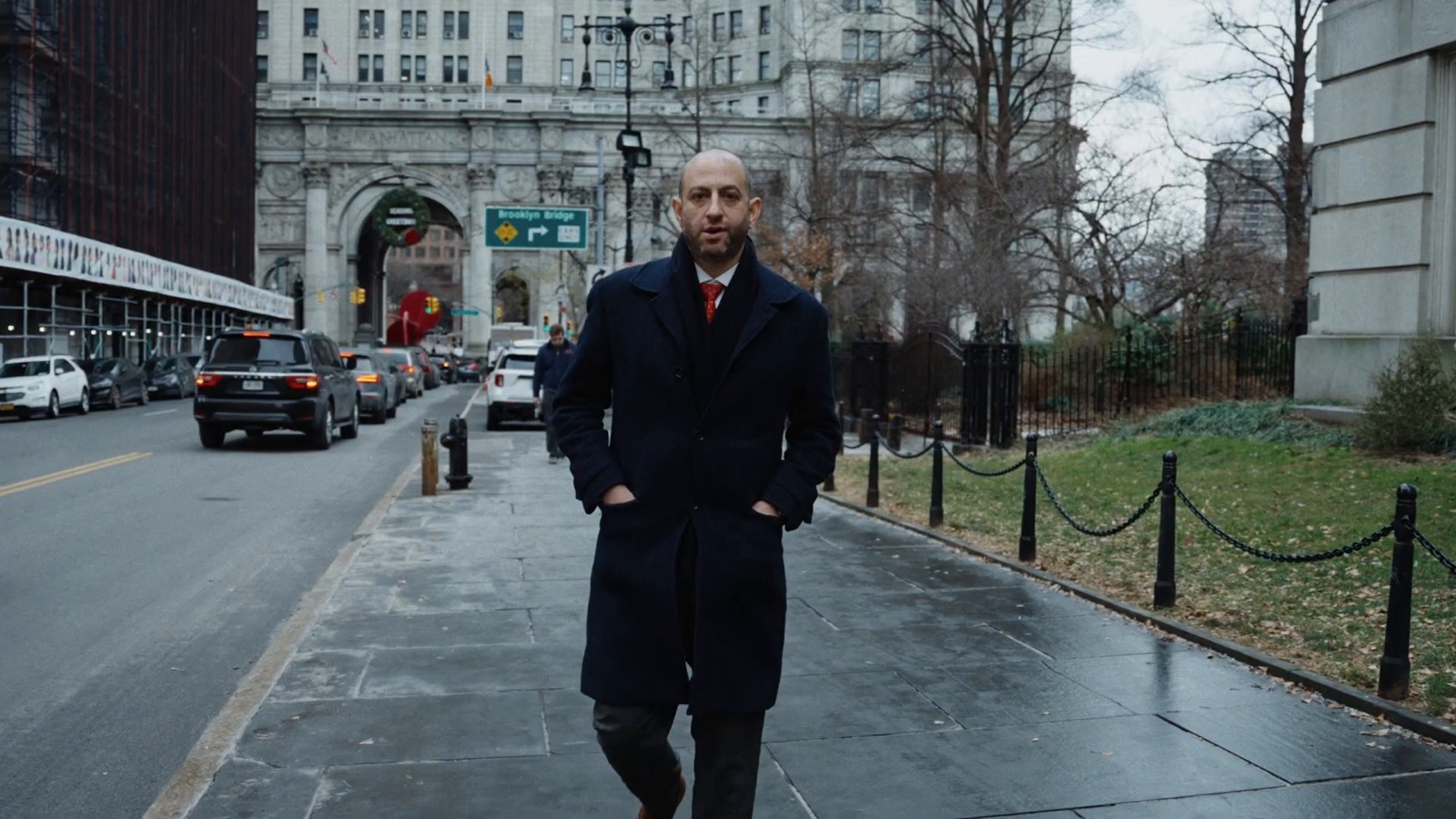
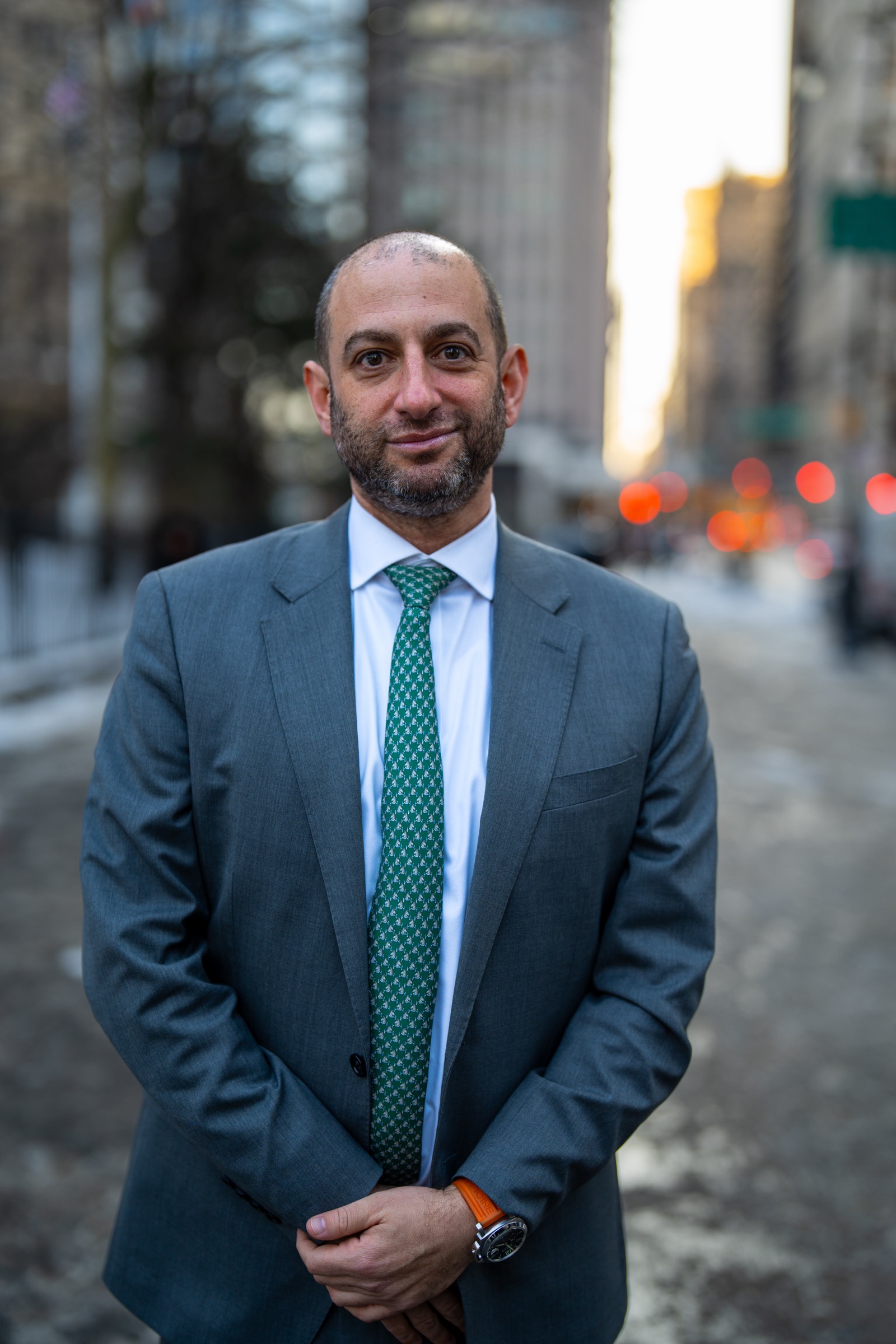
Todd A. Spodek is a second-generation trial lawyer whose defense of Anna Delvey became Netflix's Inventing Anna. He appears on Fox News and CNN as a legal analyst, authored a piece of advice in The Spectator, and is quoted by the Associated Press when the biggest federal cases break. The record behind the profile: a complete acquittal in a $26M money-laundering trial, RICO charges carrying a 10-year minimum dismissed, and 6 months on a $12M Ponzi case.
See who fights for you before you ever call.
Who we are, how we work, and why clients nationwide trust us with their future - in under a minute.
Why this firm.
Five decades of federal courtrooms. Whatever the government has charged, this firm has defended it before.
No allegiance to U.S. Attorneys, agents, or agencies. The client is the only constituency.
Every district in the country, one client portal - documents, invoices, counsel, in real time.
We decline more federal matters than we accept - and every accepted case gets the whole bench.






On the record, on the wire.

Get ahead of the case.
Answered within 24 hours, guaranteed. Some stories are better told out loud -
212 300 5196Updated 21 AUG 2026