The Secret Service’s original beat - and it still investigates like it.
Currency, checks, bonds, trademarks: counterfeiting counts run from § 471 to § 2320, and every one of them turns on knowledge and intent to defraud.
Netflix told the story. The defense was ours.
When a producer built Inventing Anna, the defense at its center was Todd Spodek’s - argued for the so-called fake heiress in a Manhattan courtroom long before a star of Succession played him on screen. What 320 million hours of viewers watched is the method every client of this firm gets, in every federal district.
The record, dated and sourced.
How your case unfolds.
THE FULL PROCESS →Risk-free, in person or by phone. Ask anything, for as long as it takes. Strategy starts the same day.
Customs seizures and marketplace takedowns - we engage before HSI turns inventory into an indictment.
Contest the mark comparisons, the valuation math, and the knowledge element - and if trial is the advantage, the jury compares the goods themselves.
Counterfeiting is not possession - it is possession plus knowledge plus intent to defraud. The person who unknowingly passes a fake hundred, the reseller who bought gray-market goods, the printer who ran a job: the statutes require the government to prove state of mind, and state of mind is where the defense lives.
Currency and paper.
Sections 471 and 472 require intent to defraud, and § 472 requires knowledge the note was counterfeit. Quantity, concealment, and conduct at the moment of passing are the government’s proxies for knowledge - each one carries an innocent explanation the jury deserves to hear.
Goods and marks.
Trademark counterfeiting under § 2320 requires a mark identical to or substantially indistinguishable from a registered one, used on the goods it was registered for. Gray-market goods are not counterfeits. Overruns, compatibles, and look-alikes occupy legal gray zones the government prefers to flatten - we do not let it.
The forfeiture shadow.
Counterfeiting investigations begin with seizures - inventory, equipment, accounts - long before any charge. Getting property back and shaping the record starts in the forfeiture proceeding, where the government tips its theory. Counsel who reads that file early defends the criminal case better.
§2320 and the customs machine.
Trafficking in counterfeit goods carries ten years and a $2 million fine for a first offense - doubled for repeat play - and CBP seizes first, asks later. The Lanham Act runs a parallel civil track where brands seek statutory damages per mark, and the criminal and civil files feed each other. A counterfeit mark must be “identical or substantially indistinguishable” from a registered one - a standard with real air in it that juries, not agents, get to apply.
After the storage unit gets raided.
Inventory what was seized against the warrant return, keep supplier records and payment trails intact, and stop all sales channels the same day - continuing operation is the fact pattern prosecutors like best. Sourcing paperwork showing gray-market or overrun goods, not fakes, has closed these files. Every marketplace message with your supplier is evidence one way or the other; preserve them before the accounts vanish.
Know who is on the other side.
The first 72 hours decide the next 72 weeks.
No interviews, no consents, no explaining, no deleting. The words said in hour zero are the exhibits at trial. Write down what was asked and by whom - then stop.
Privilege attaches, facts get mapped while memory is fresh, documents get preserved the right way, and nobody in your orbit talks to agents unrepresented again.
We contact the government as your counsel: target, subject, or witness gets confirmed, deadlines get calendared, and the defense - not the investigation - sets the tempo.
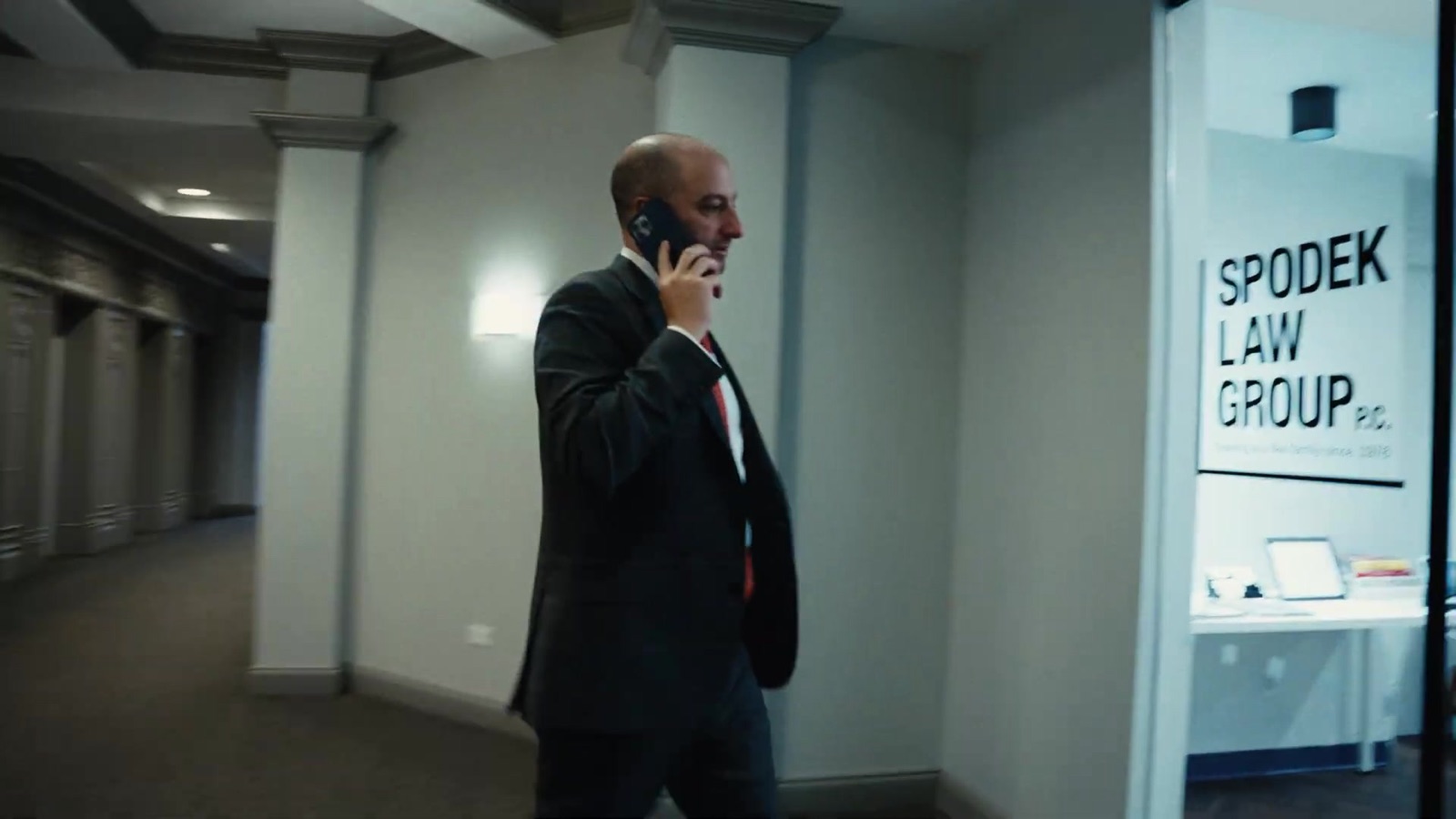
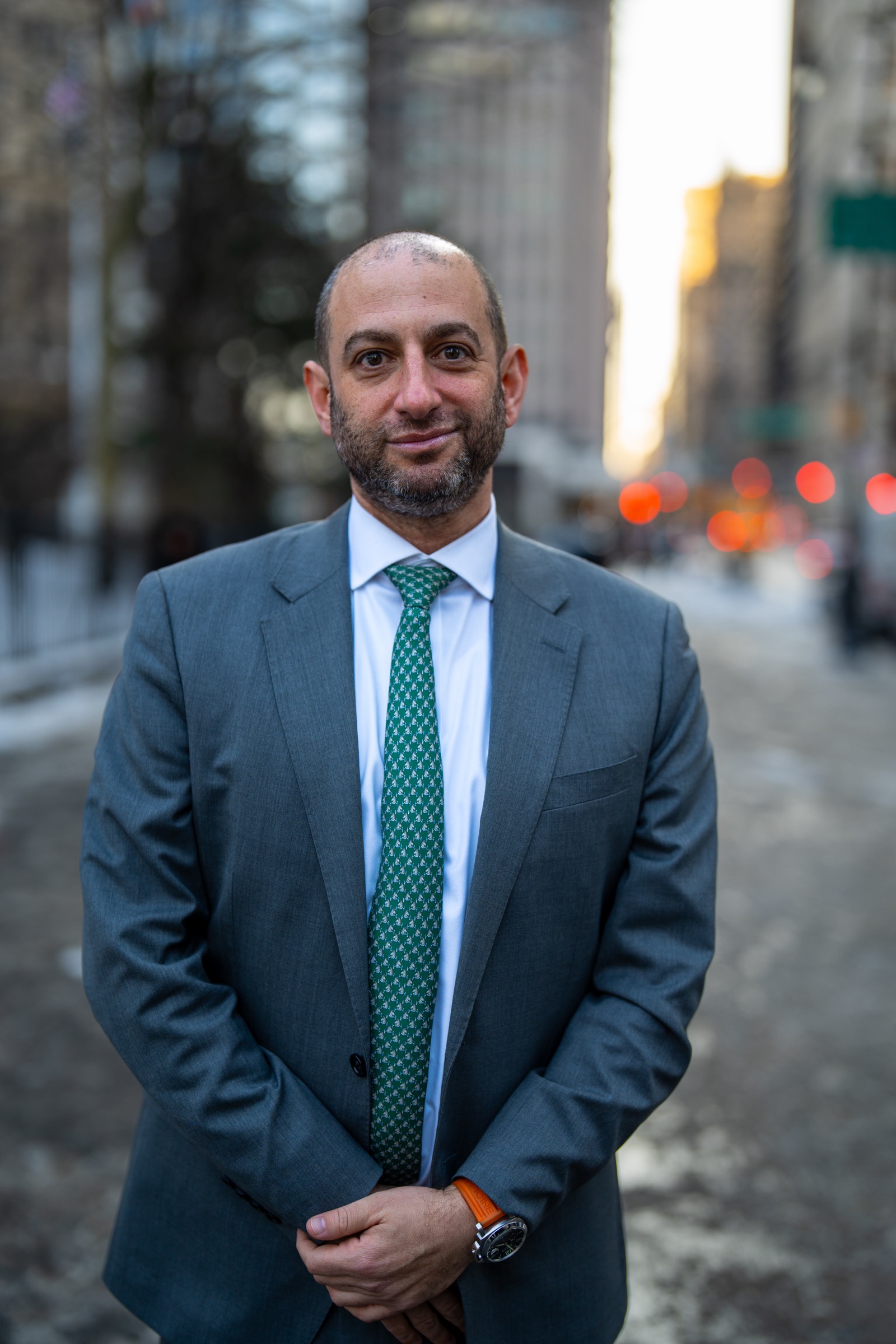
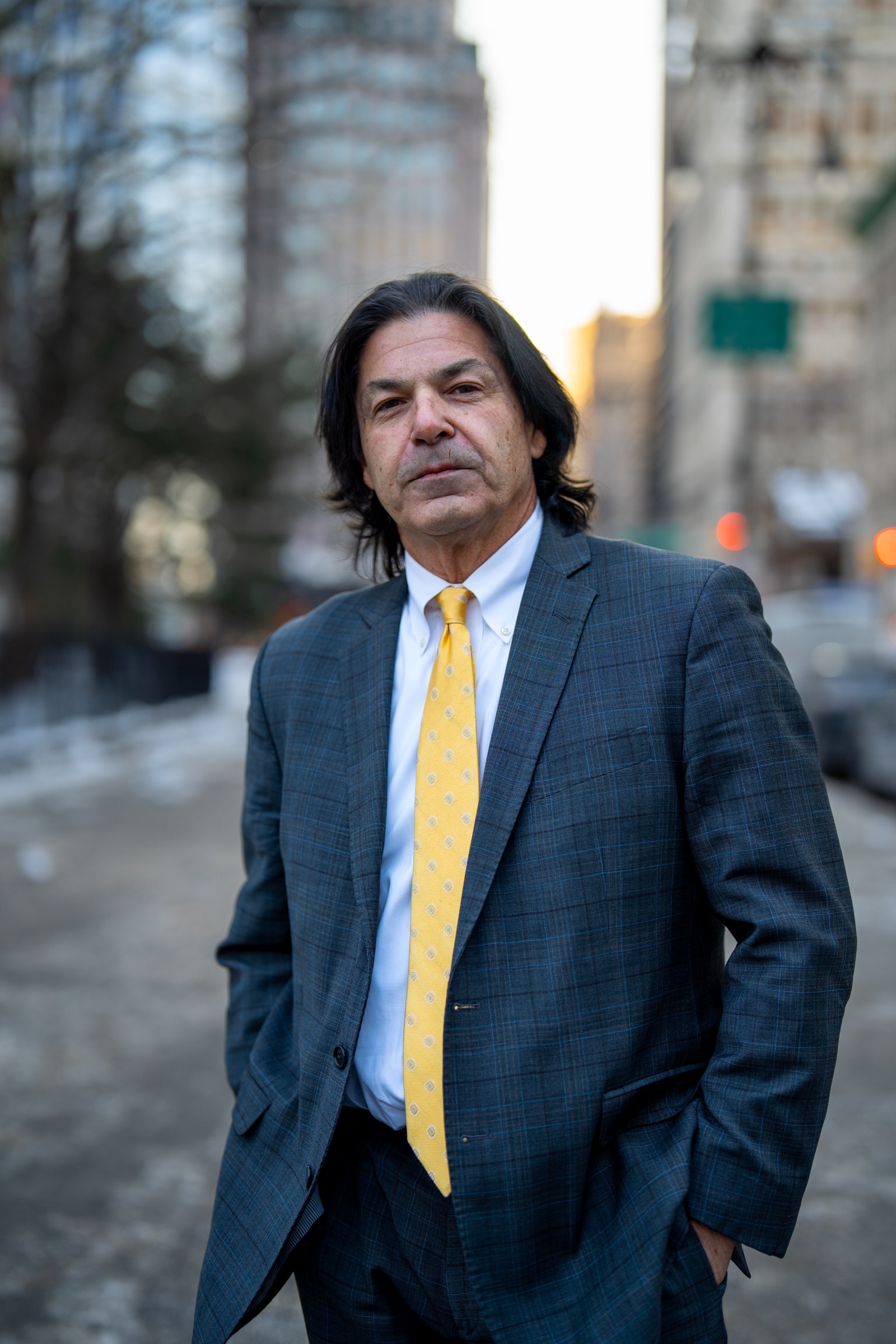
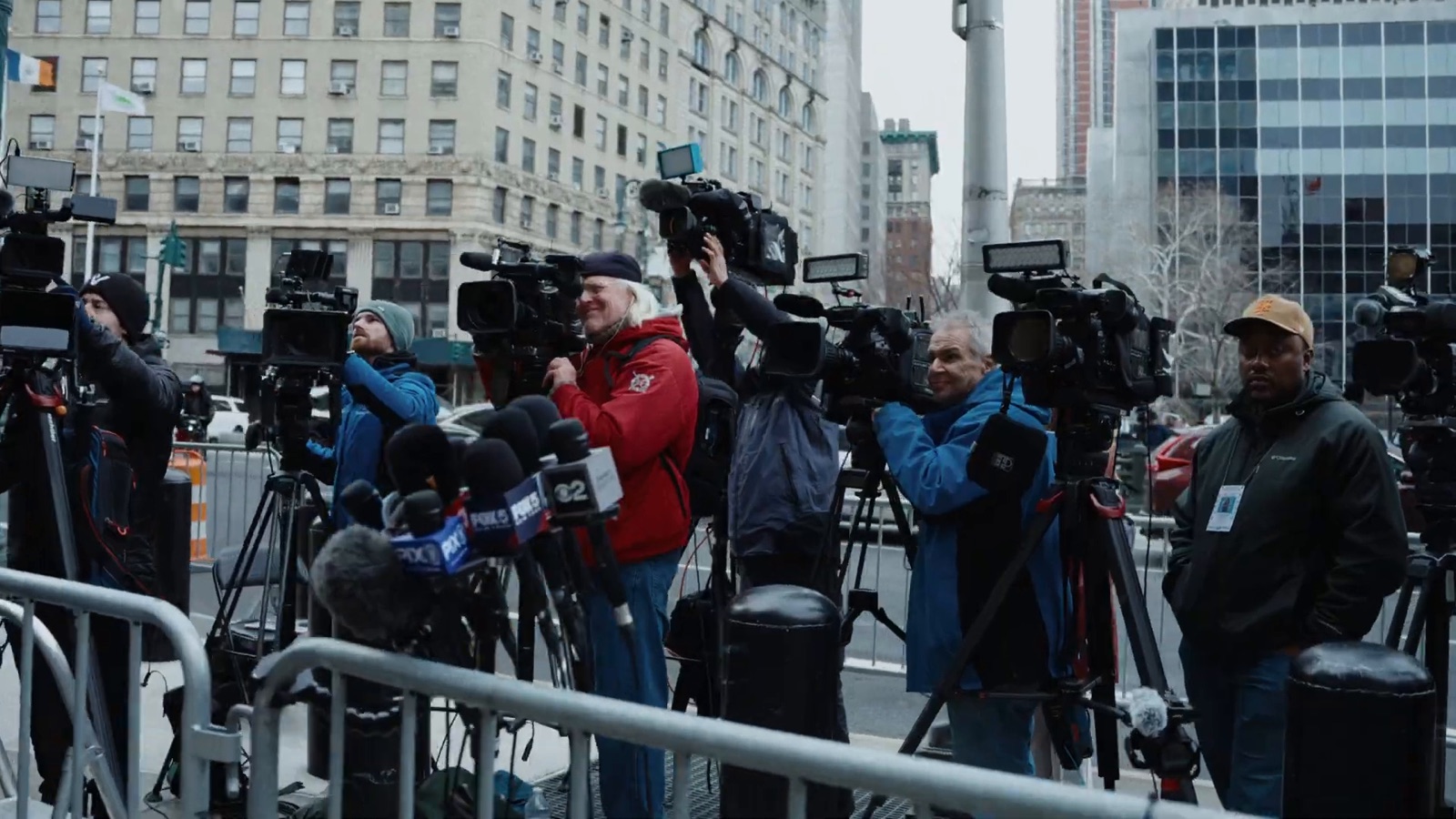
Todd A. Spodek is a second-generation trial lawyer whose defense of Anna Delvey became Netflix's Inventing Anna. He appears on Fox News and CNN as a legal analyst, authored a column of advice to a music mogul in The Spectator, and is quoted by the Associated Press when the biggest federal cases break. The record behind the profile: a complete acquittal in a $26M money-laundering trial, RICO charges carrying a 10-year minimum dismissed, and 6 months on a $12M Ponzi case.
Why this firm.
Five decades of federal courtrooms. Whatever the government has charged, this firm has defended it before.
No allegiance to U.S. Attorneys, agents, or agencies. The client is the only constituency.
Every district in the country, one client portal - documents, invoices, counsel, in real time.
We decline more federal matters than we accept - and every accepted case gets the whole bench.
See who fights for you before you ever call.
Who we are, how we work, and why clients nationwide trust us with their future - in under a minute.
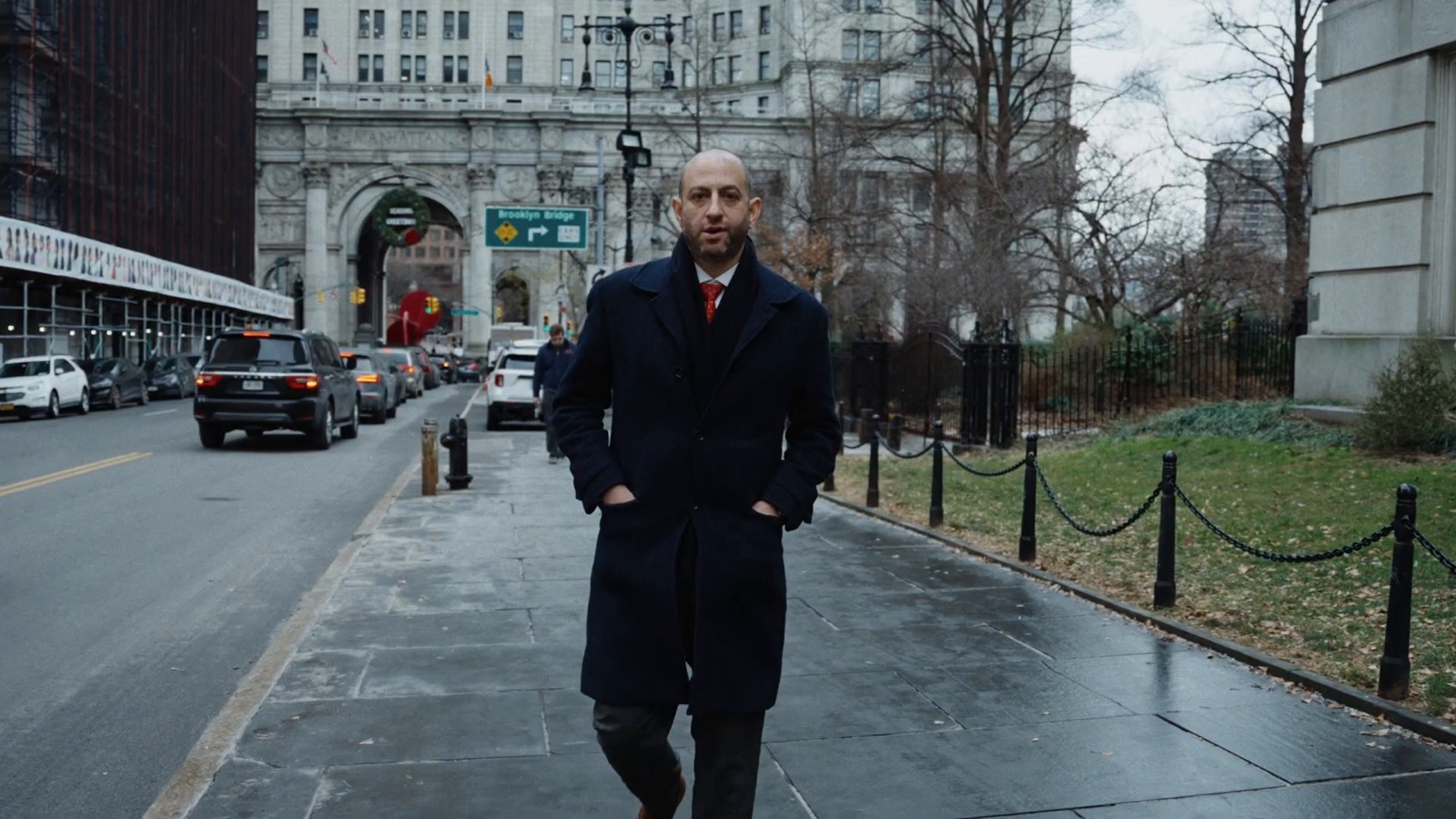
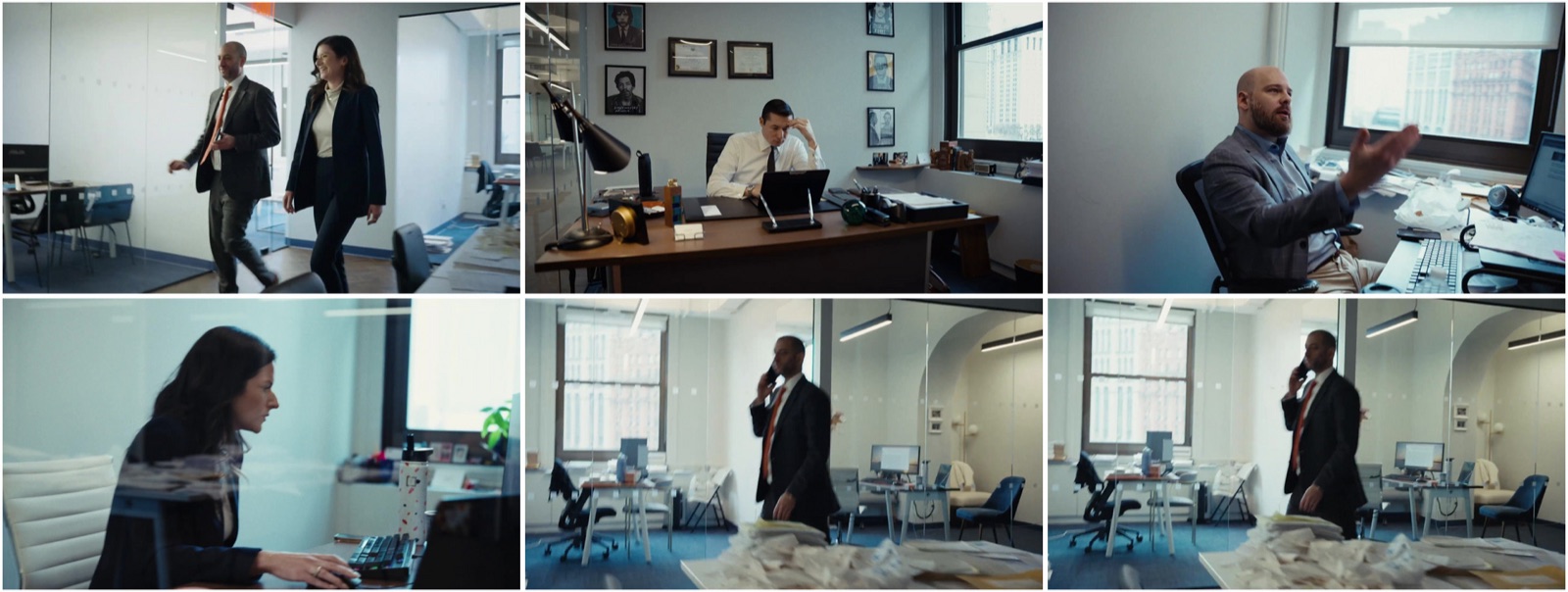



On the record, on the wire.
Get ahead of the case.
Answered within 24 hours, guaranteed. Some stories are better told out loud -
212 300 5196Updated 21 AUG 2026