The government is still learning crypto. We have already tried it.
Lead defense in three major crypto prosecutions - including the $16M Coinbase phishing case. Wire fraud, § 1960, securities theories: the playbook is new, but the elements are not.
Netflix told the story. The defense was ours.
When the showrunner built Inventing Anna, the defense at its center was Todd Spodek’s - argued for the so-called fake heiress in a Manhattan courtroom long before an actor from Succession played him on screen. What 320 million hours of viewers watched is the method every client of this firm gets, in every federal district.
The record, dated and sourced.
Crypto prosecutions borrow old statutes - wire fraud, money laundering, § 1960 unlicensed money transmitting, securities fraud - and apply them to technology the government is still learning. Its tracing is probabilistic, its valuation theories are soft, and its jurisdictional reach is contested. For the defense, that is rich terrain.
Tracing is not proof.
Chain-analysis software produces clusters and heuristics, not identifications. Mixers, shared wallets, and exchange custody break the government’s arrows. We retain the experts who built these tools - and who can tell a jury exactly how often they are wrong.
Is it even a security.
Half the government’s crypto theory depends on tokens being securities under Howey - a question the courts have split on, project by project. Where the theory is unsettled, fair-notice and due-process arguments are live, and charging decisions can be challenged rather than accepted.
Valuation, loss, and restitution.
A token worth $16 million at indictment may have been worth a fraction at the conduct - or nothing at sentencing. Loss drives the guidelines, and volatility cuts both ways. We litigate the valuation date, the methodology, and the restitution figure, because in crypto cases the number is the sentence.
Old statutes, new rails.
There is no “crypto fraud” statute - prosecutors run wire fraud, §1960 unlicensed money transmission, securities and commodities fraud, and §1956 laundering over the same facts. §1960 is the quiet threat: five years for operating a money service without registration, no fraud required. The SEC and CFTC still fight over what a token is; DOJ does not wait for the answer. Venue, valuation dates, and the government’s tracing methodology are all first-generation law - which means they are all arguable.
Before the exchange freezes you out.
Export your own transaction history now - exchanges close accounts on subpoena and support tickets go unanswered. Never surrender seed phrases to agents without counsel present and a documented inventory; seized keys move coins, and moved coins get “lost.” And stop posting: Telegram threads and X spaces are Exhibit A in every crypto indictment we have read.
Know who is on the other side.
The first 72 hours decide the next 72 weeks.
No interviews, no consents, no explaining, no deleting. The words said in hour zero are the exhibits at trial. Write down what was asked and by whom - then stop.
Privilege attaches, facts get mapped while memory is fresh, documents get preserved the right way, and nobody in your orbit talks to agents unrepresented again.
We contact the government as your counsel: target, subject, or witness gets confirmed, deadlines get calendared, and the defense - not the investigation - sets the tempo.
How your case unfolds.
THE FULL PROCESS →Risk-free, in person or by phone. Ask anything, for as long as it takes. Strategy starts the same day.
Frozen exchanges, seized keys, tracing subpoenas - we engage the government while attribution is still a draft.
Cross-examine the chain analysis, litigate the valuation date, fight the freeze - and if trial serves you, we make the government explain a mixer to a jury.
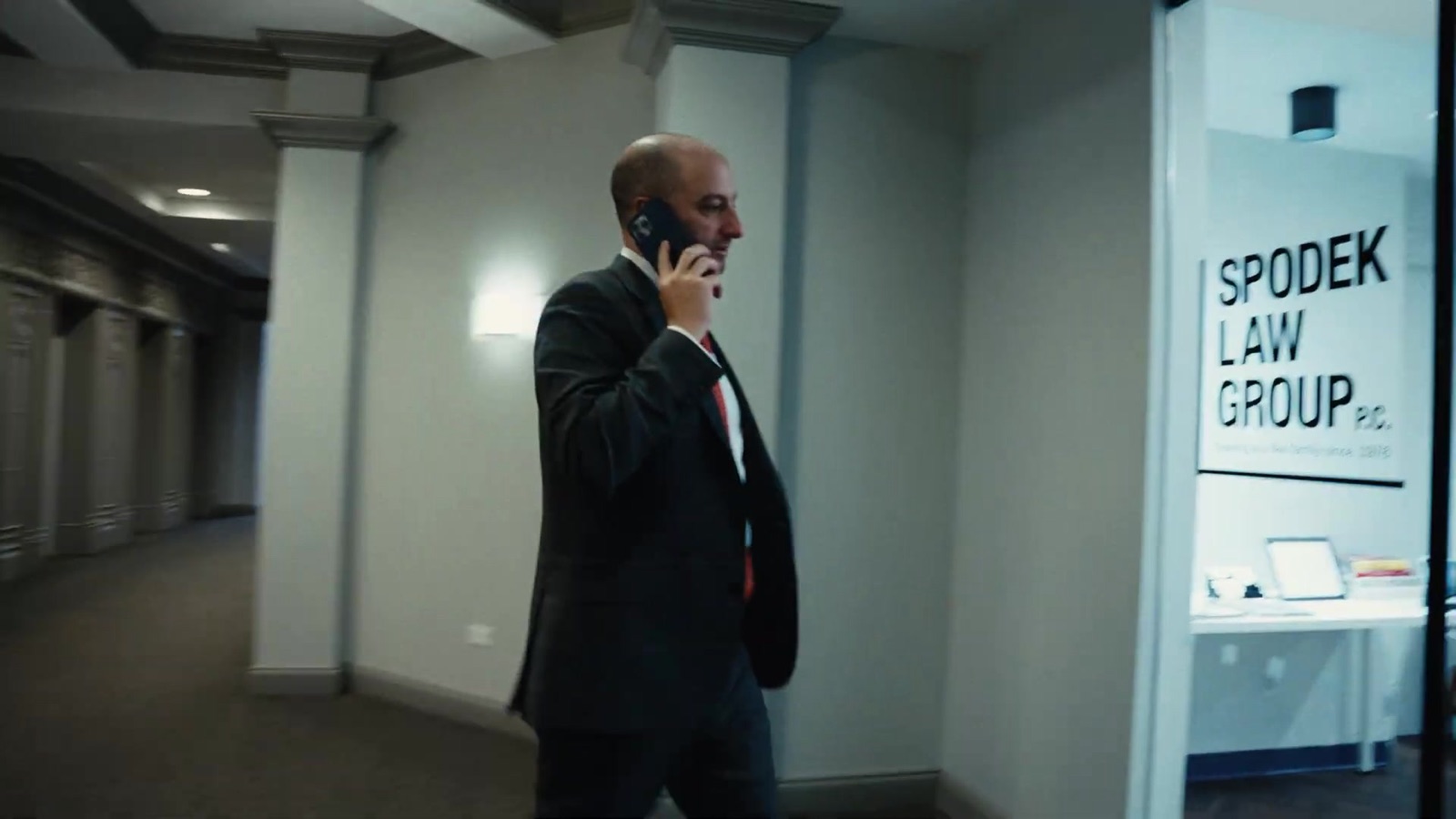
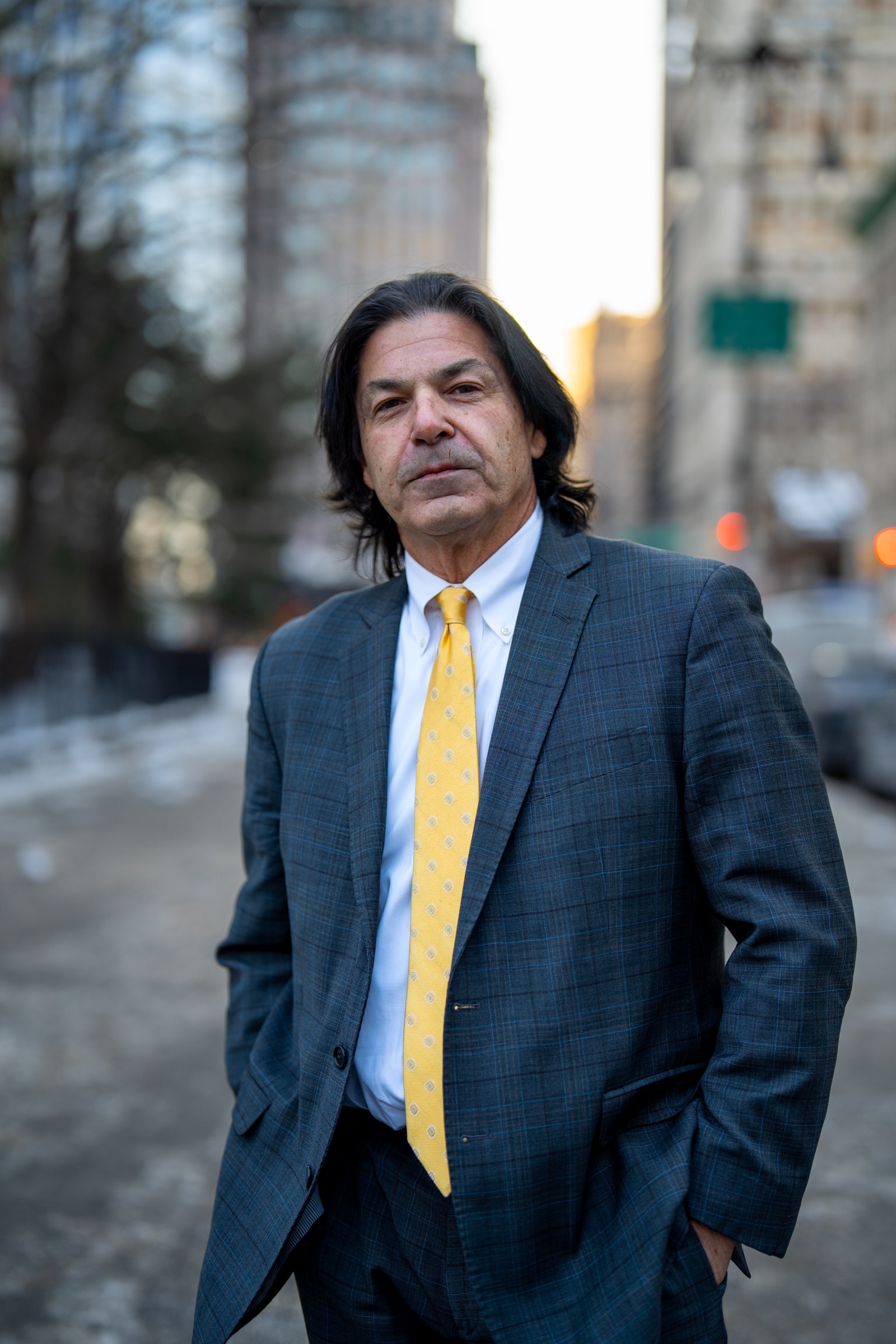
Todd A. Spodek is a second-generation trial lawyer whose defense of Anna Delvey became Netflix's Inventing Anna. He appears on Fox News and CNN as a legal analyst, authored a column in The Spectator, and is quoted by the Associated Press when the biggest federal cases break. The record behind the profile: a complete acquittal in a $26M money-laundering trial, RICO charges carrying a 10-year minimum dismissed, and 6 months on a $12M Ponzi case.
See who fights for you before you ever call.
Who we are, how we work, and why clients nationwide trust us with their future - in under a minute.
Why this firm.
Five decades of federal courtrooms. Whatever the government has charged, this firm has defended it before.
No allegiance to U.S. Attorneys, agents, or agencies. The client is the only constituency.
Every district in the country, one client portal - documents, invoices, counsel, in real time.
We decline more federal matters than we accept - and every accepted case gets the whole bench.
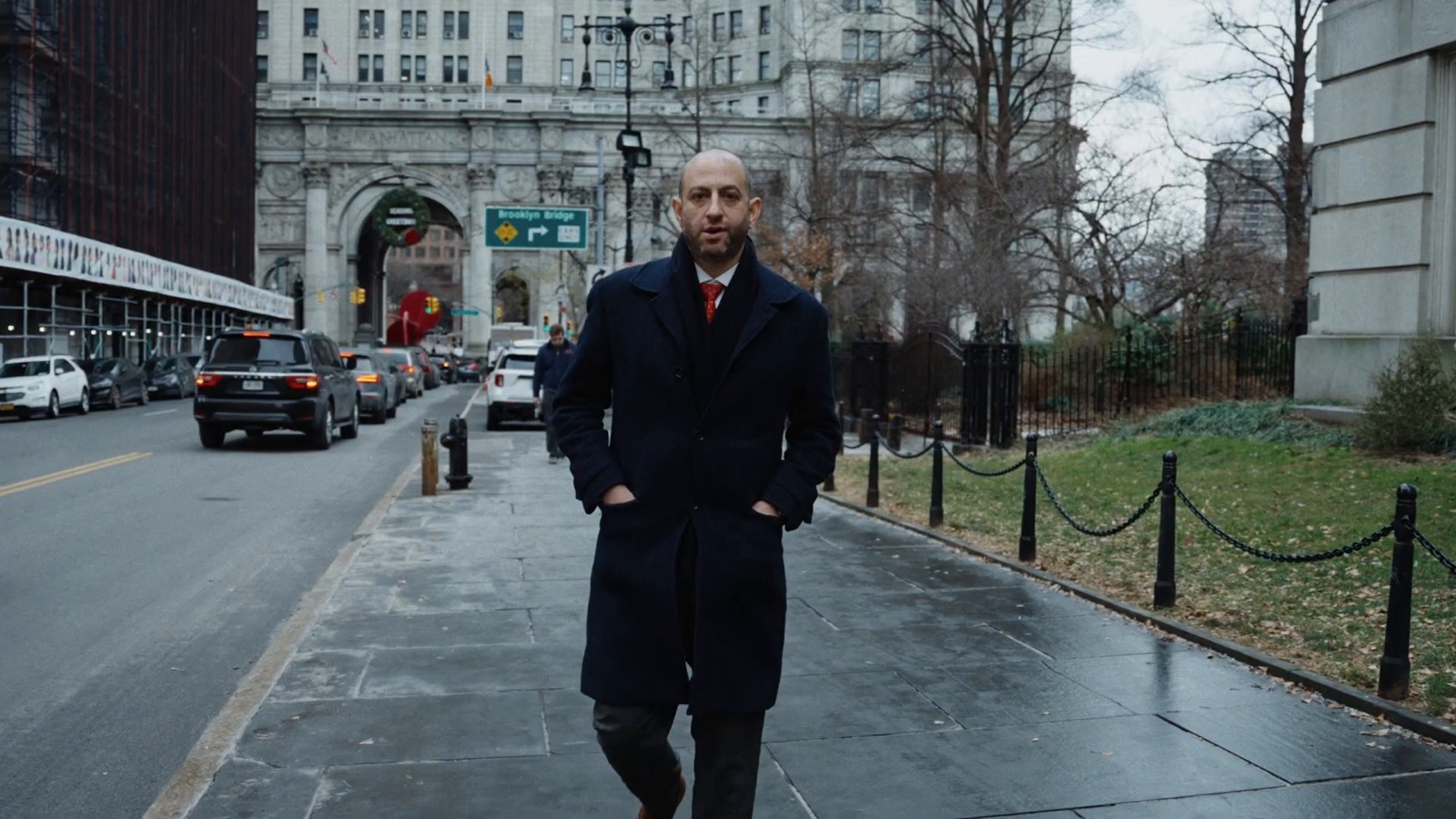
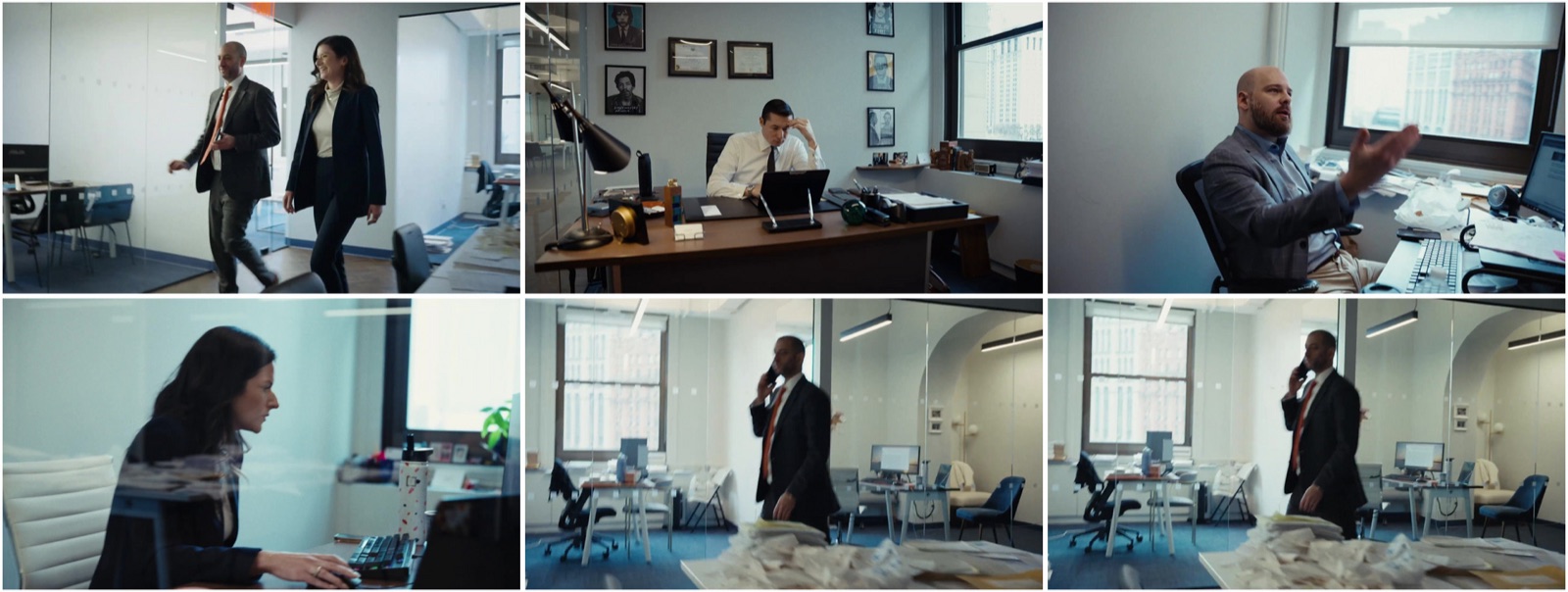
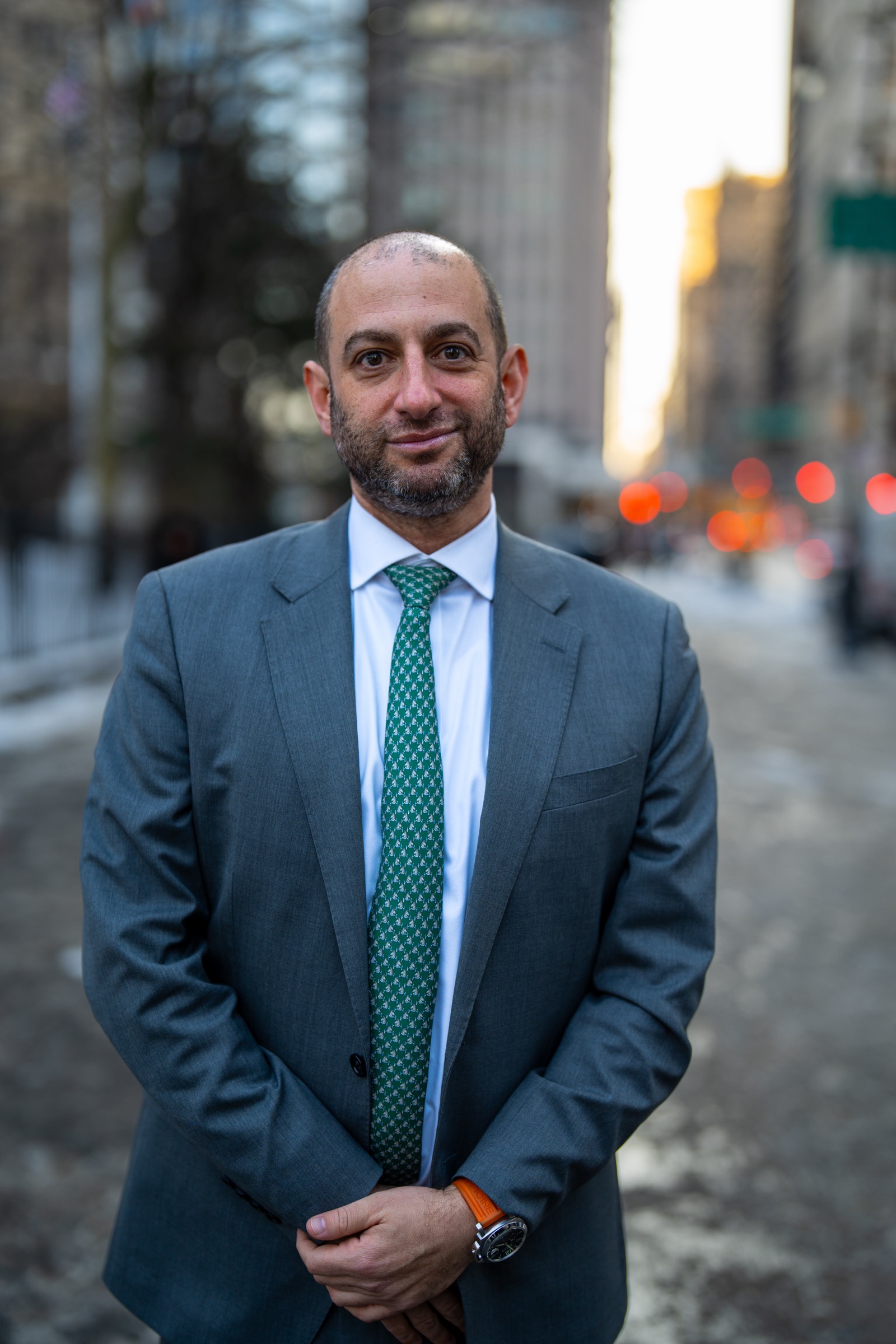




On the record, on the wire.
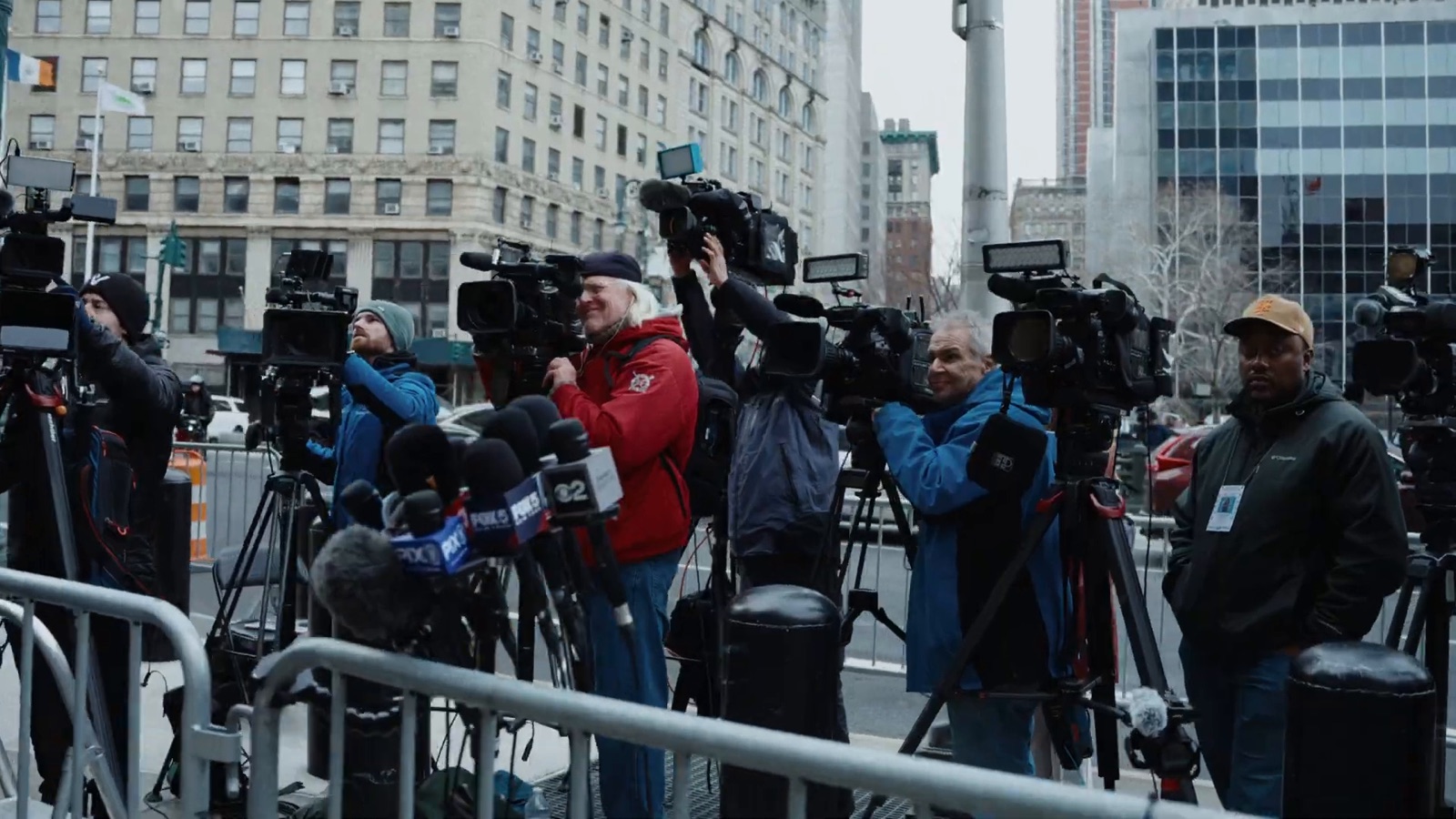
Get ahead of the case.
Answered within 24 hours, guaranteed. Some stories are better told out loud -
212 300 5196Updated 21 AUG 2026