Prosecuted at the speed of a warrant.
Hacking, unauthorized access, dark-web allegations - cases built on IP logs and seized devices, argued by prosecutors who may understand the technology less well than the defense should.
Netflix told the story. The defense was ours.
When Shonda Rhimes built Inventing Anna, the defense at its center was Todd Spodek’s - argued for the so-called fake heiress in a Manhattan courtroom long before Arian Moayed of Succession played him on screen. What 320 million hours of viewers watched is the method every client of this firm gets, in every federal district.
The record, dated and sourced.
How your case unfolds.
THE FULL PROCESS →Risk-free, in person or by phone. Ask anything, for as long as it takes. Strategy starts the same day.
A seized server and an imaging demand - counsel engages while attribution and authorization are still open questions.
Suppress the overbroad device search, brief Van Buren, audit the $5,000 loss claim - and try authorization to a jury that uses shared logins too.
Cybercrime prosecutions rest on digital attribution: that the person at the keyboard was you. Logs get misread, devices get shared, and searches sweep up far more than any warrant allows. We bring independent technical experts, suppress overbroad seizures, and hold the government to proof - not inference.
Your devices told the story first.
CFAA cases arrive with forensic images, ISP logs, and a timeline built by agents who assume the keyboard proves the hands. Attribution is the government’s soft spot: shared credentials, remote access, spoofed addresses. Our experts read the same bytes and find the other explanations.
Loss is an estimate wearing a suit.
Cyber loss figures bundle response costs, downtime projections, and round numbers a victim’s vendor invented. The guideline treats them as gospel until someone objects - and each bracket is two levels. We audit the government’s loss memo like the indictment depends on it, because the sentence does.
Authorization is the battlefield.
After Van Buren, “exceeding authorized access” is far narrower than prosecutors charge. Credentials you were given, systems left open, ambiguous policies - none of it is hacking. Add attribution doubt and suppression of overbroad device seizures, and the elements start failing.
The CFAA’s narrow gate.
The Computer Fraud and Abuse Act punishes access “without authorization” - up to ten years for repeat or damage counts - alongside §1030(a)(7) cyber-extortion, §2511 interception, and wire fraud for anything monetized. Van Buren cut the government’s favorite theory: violating terms of service or workplace policy is not federal hacking. Loss under §1030 must clear $5,000 and is counted in response costs - a number victims’ vendors inflate and courts increasingly audit.
While the forensic clock runs.
Preserve your own devices and logs - the defense needs originals, not just the government’s images. List every credential you legitimately held and who granted it; authorization defenses are built from onboarding emails and admin panels. Decline all “informal chats” with agents or your former employer’s counsel; in CFAA cases the interview is usually the indictment’s best exhibit.
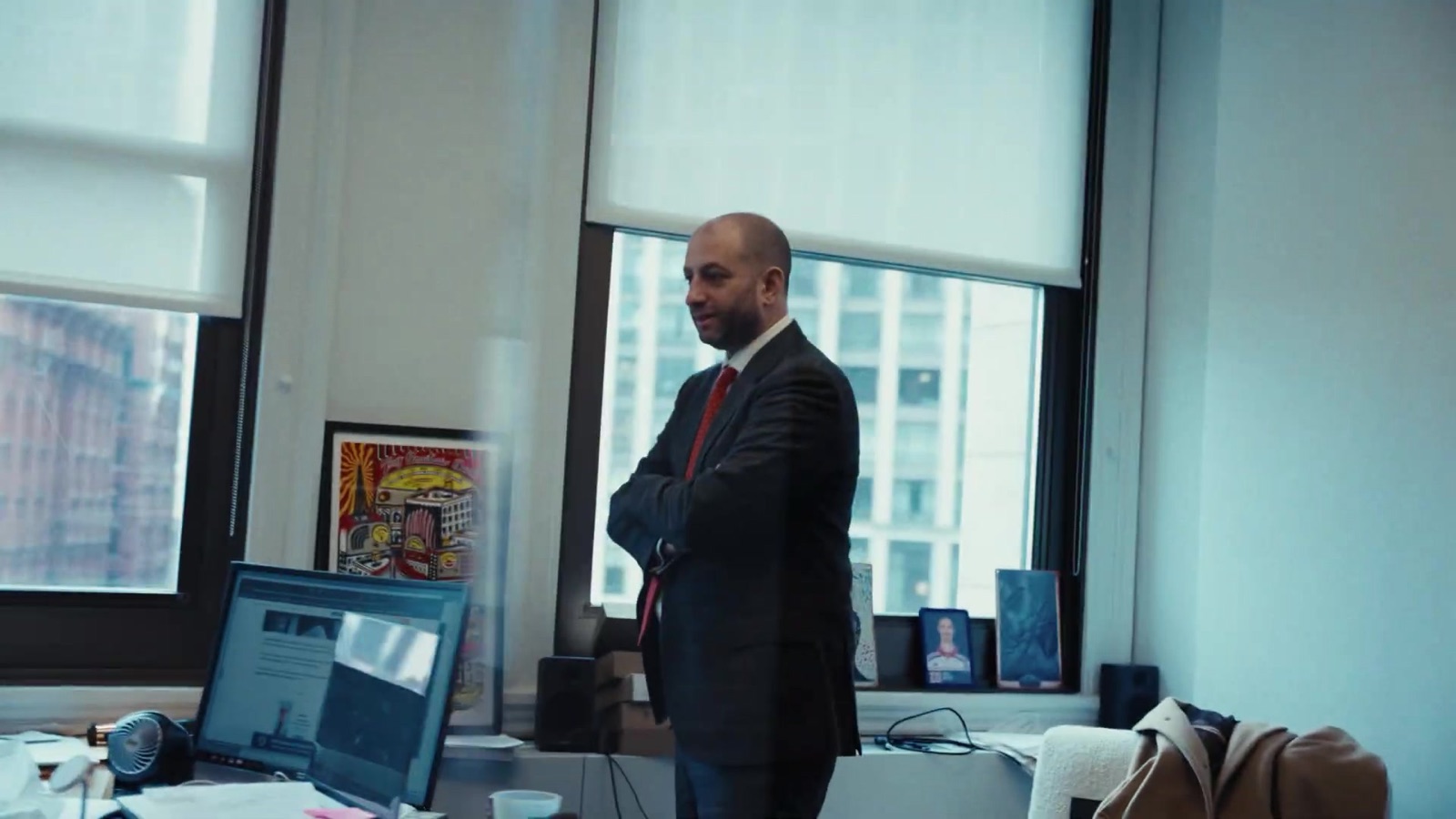
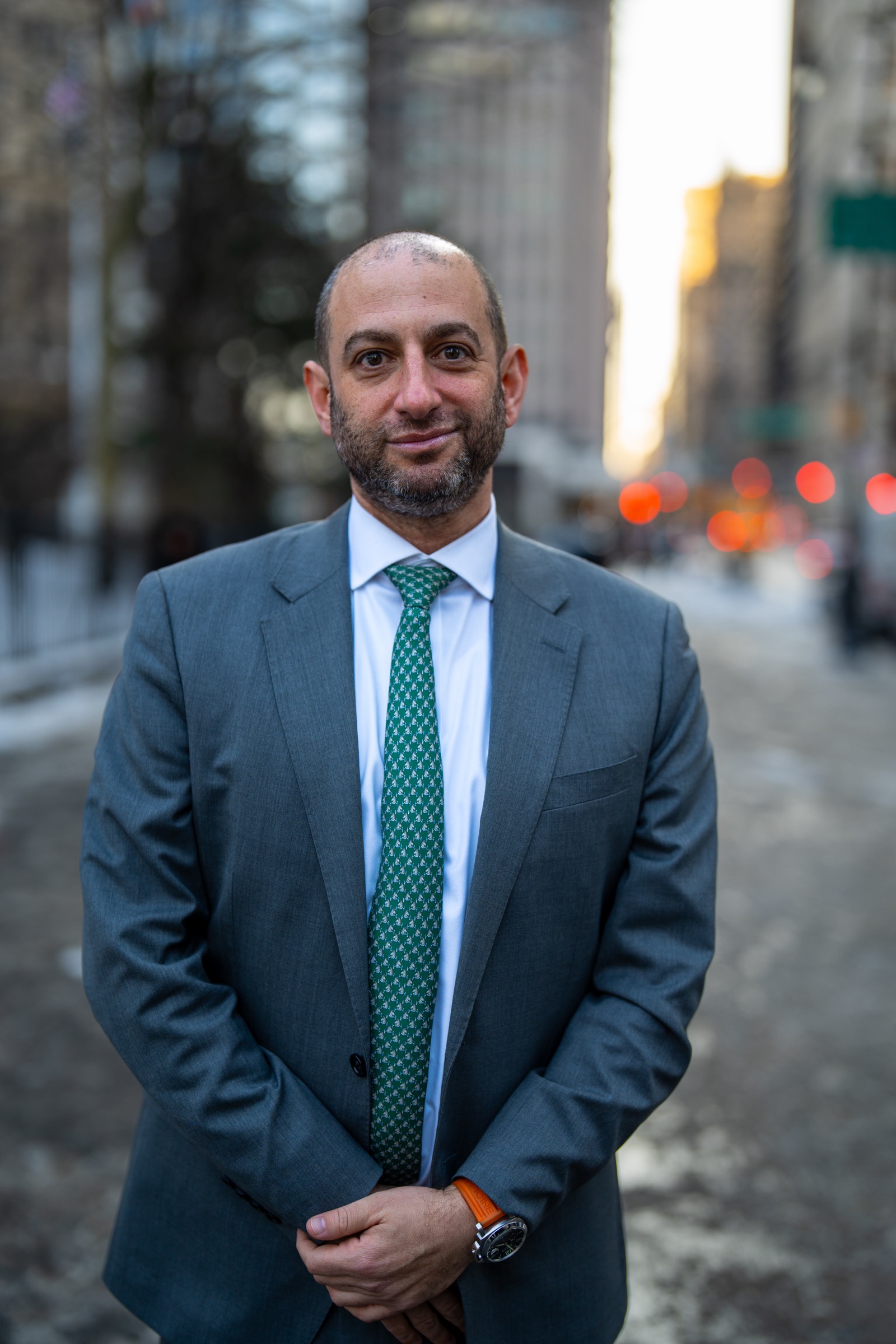
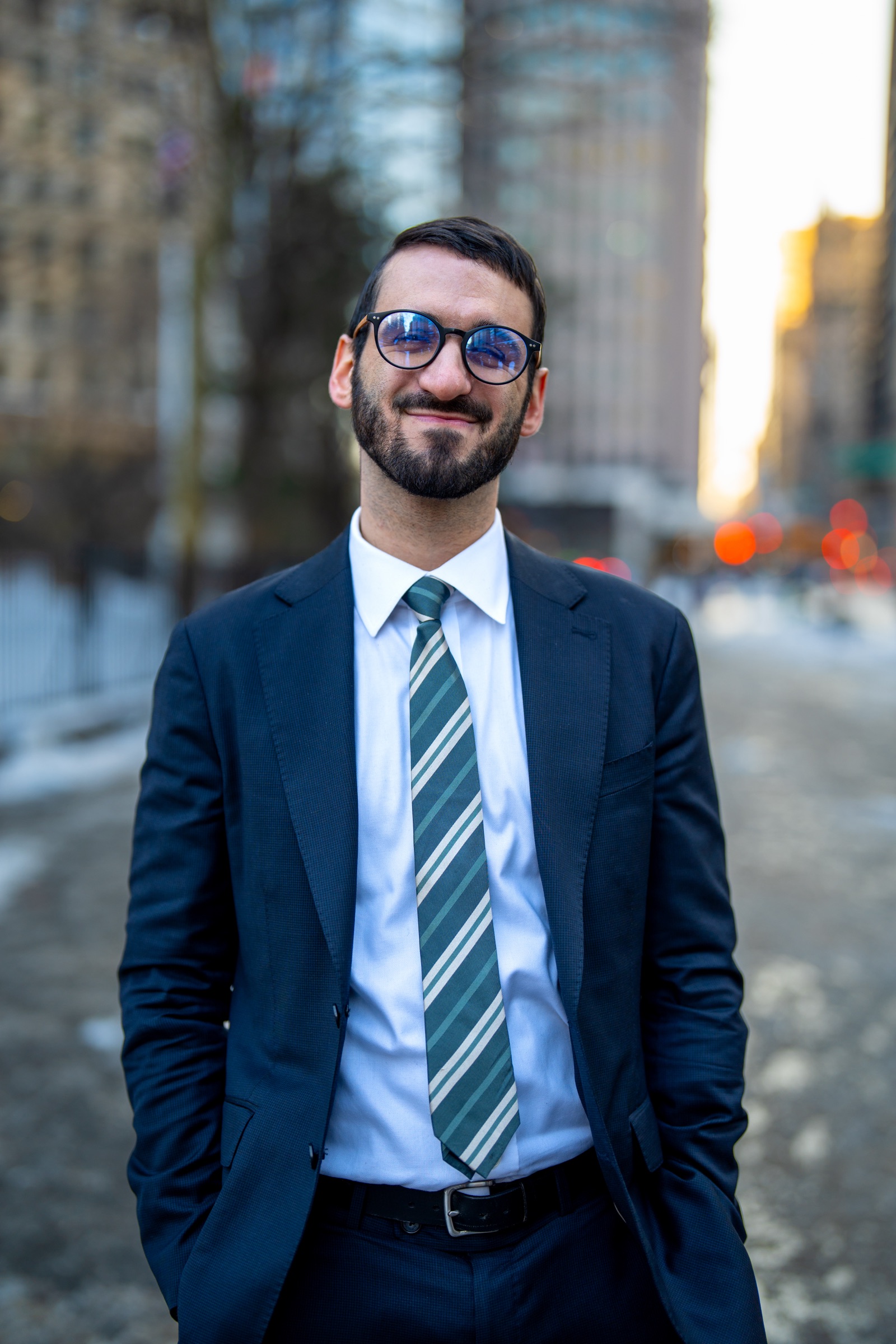
Todd A. Spodek is a second-generation trial lawyer whose defense of Anna Delvey became Netflix's Inventing Anna. He appears on Fox News and CNN as a legal analyst, authored "My Advice to Diddy" in The Spectator, and is quoted by the Associated Press when the biggest federal cases break. The record behind the profile: a complete acquittal in a $26M money-laundering trial, RICO charges carrying a 10-year minimum dismissed, and 6 months on a $12M Ponzi case.
See who fights for you before you ever call.
Who we are, how we work, and why clients nationwide trust us with their future - in under a minute.
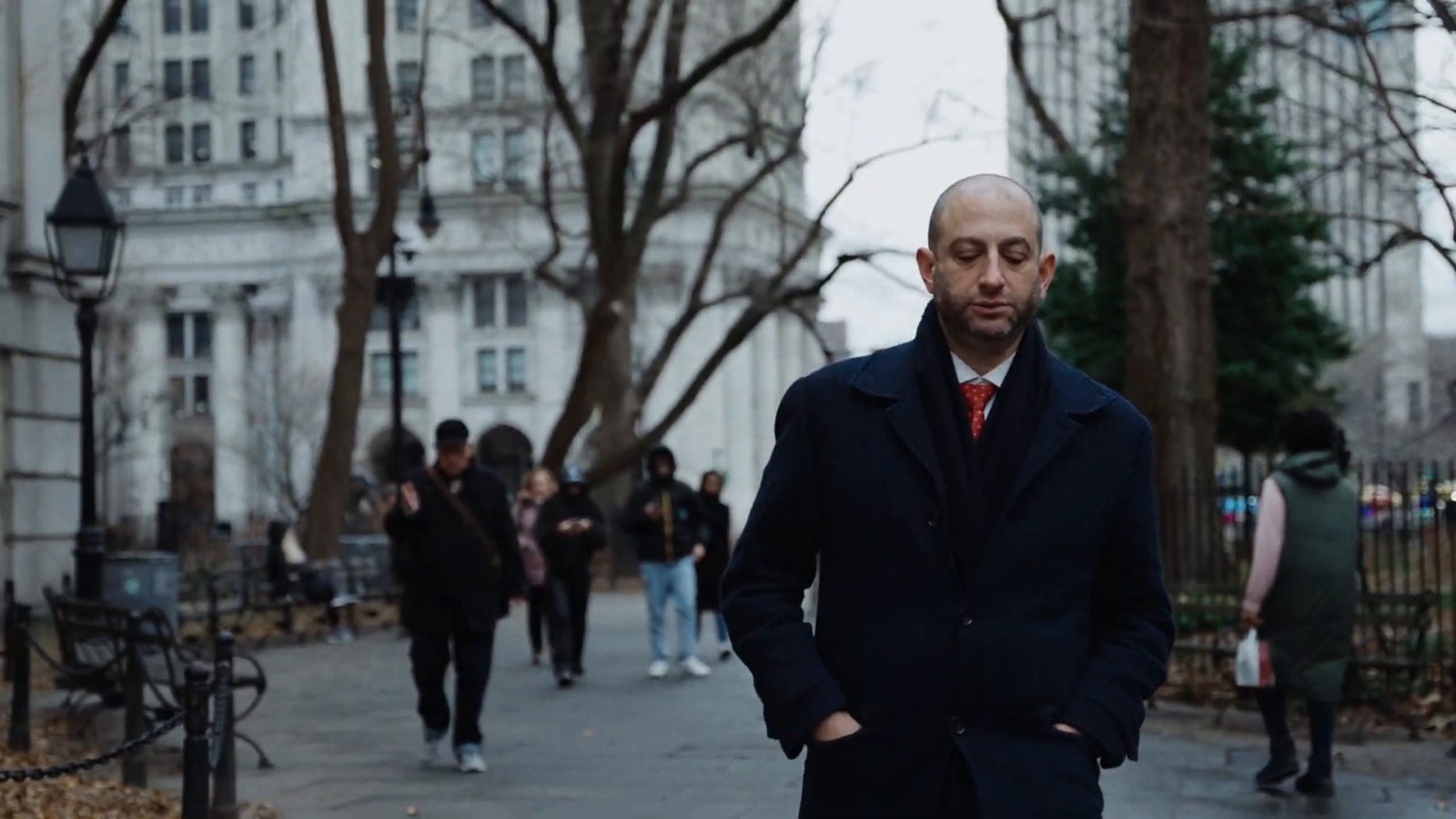
Why this firm.
Five decades of federal courtrooms. Whatever the government has charged, this firm has defended it before.
No allegiance to U.S. Attorneys, agents, or agencies. The client is the only constituency.
Every district in the country, one client portal - documents, invoices, counsel, in real time.
We decline more federal matters than we accept - and every accepted case gets the whole bench.
Know who is on the other side.
The first 72 hours decide the next 72 weeks.
No interviews, no consents, no explaining, no deleting. The words said in hour zero are the exhibits at trial. Write down what was asked and by whom - then stop.
Privilege attaches, facts get mapped while memory is fresh, documents get preserved the right way, and nobody in your orbit talks to agents unrepresented again.
We contact the government as your counsel: target, subject, or witness gets confirmed, deadlines get calendared, and the defense - not the investigation - sets the tempo.
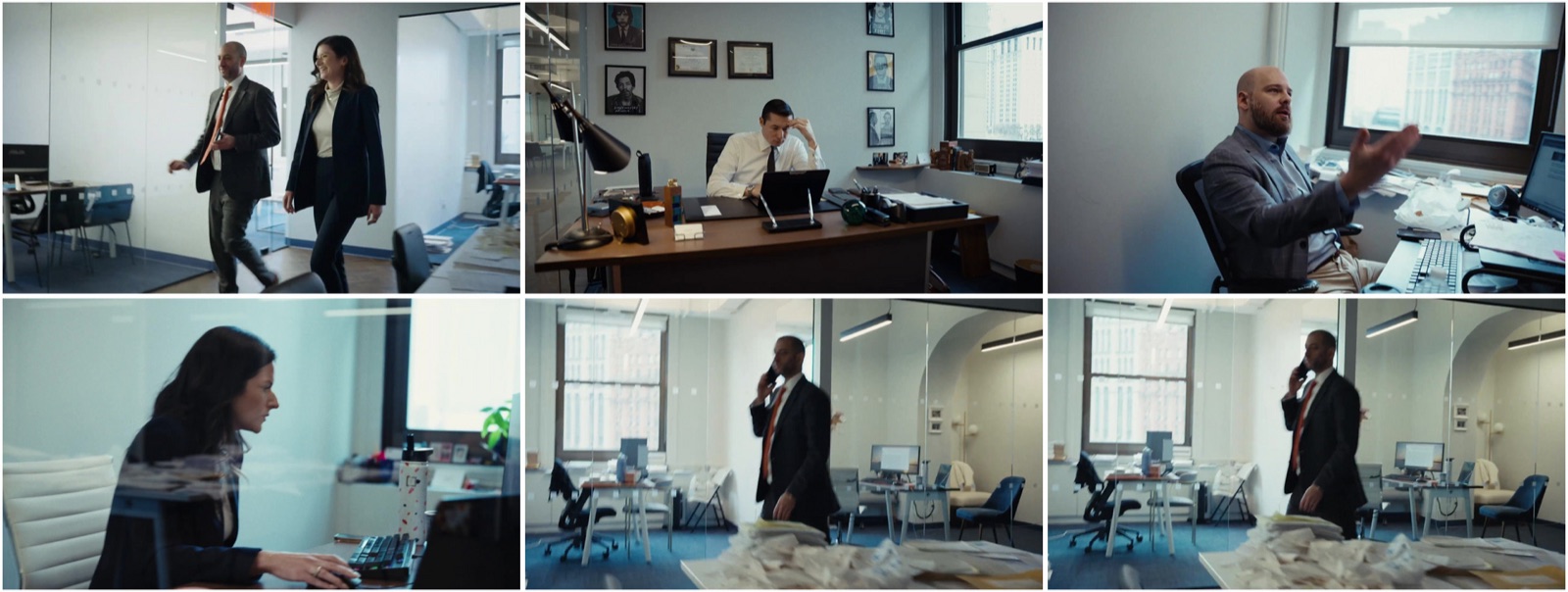
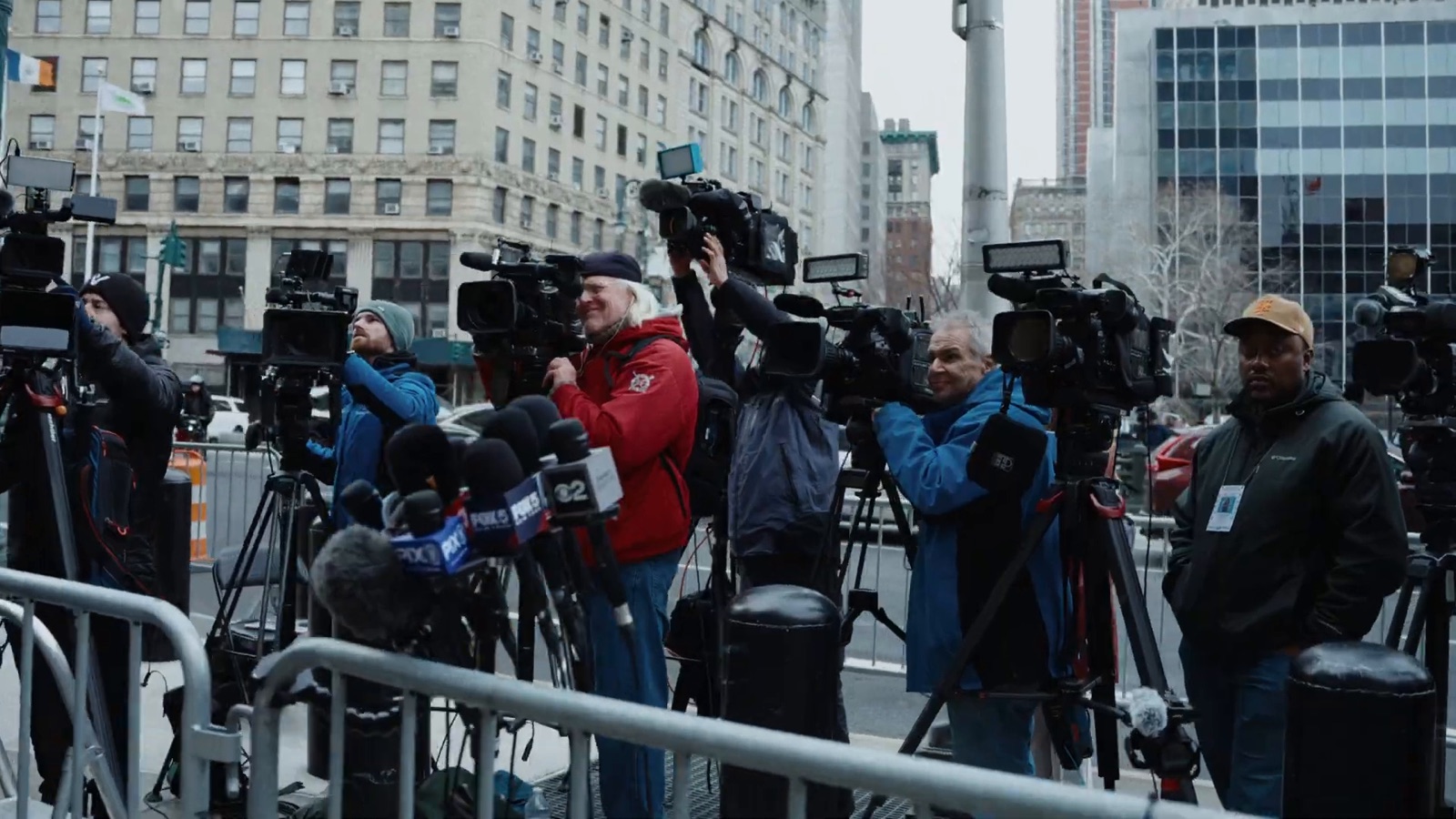
On the record, on the wire.
Get ahead of the case.
Answered within 24 hours, guaranteed. Some stories are better told out loud -
212 300 5196