Supervised release is a tripwire - we get there first.
A missed report, a failed test, a new arrest - violations move fast, with lower burdens of proof and a judge who already knows the file. Early counsel changes outcomes.
Netflix told the story. The defense was ours.
When a television producer built Inventing Anna, the defense at its center was Todd Spodek’s - argued for the so-called fake heiress in a Manhattan courtroom long before an actor from Succession played him on screen. What 320 million hours of viewers watched is the method every client of this firm gets, in every federal district.
The record, dated and sourced.
Violation proceedings are dangerous precisely because they are informal: no jury, a lower standard of proof, and exposure to the time that was hanging over the original sentence. The response has to be immediate - engage the probation officer, frame the violation, and bring the mitigation before the hearing is set. Handled early, many violations end without new custody.
A violation is a case, not a formality.
Revocation starts with a probation officer’s petition and moves fast: summons or warrant, preliminary hearing, revocation before the original judge. The burden is only preponderance - which is exactly why the defense must be built, not assumed. Every alleged violation gets litigated like a count.
Grade, category, and the judge you already have.
Chapter 7 ranges run on violation grade and the criminal-history category from the original sentence - and they are advisory, even more than the guidelines were. New conduct can also mean a new prosecution; the two tracks get defended together or they collide. Sequence is strategy.
Preponderance still needs proof.
Positive tests get retested; hearsay gets confronted; technical violations get context - a missed check-in is not a new crime. Judges who sentenced you once will listen to what changed. We bring the record that shows it.
Chapter 7’s quiet arithmetic.
Violations are graded A through C: Grade A conduct - new violent or drug felonies - can mean revocation terms of years, while Grade C technicals start at three months. The court can revoke, extend, or modify, and imprisonment on revocation can run consecutive to any new sentence. One decision pushed constitutional limits into §3583(k), and the standard is only preponderance - which cuts both ways, if the defense actually builds a record.
The week the petition drops.
Contact your probation officer only through counsel once a petition exists - explanations become admissions at the preponderance standard. Gather the compliance proof: employment, treatment attendance, clean tests, approved travel. Judges revoke least when the record shows a life being rebuilt and a lapse, not a lifestyle; that record is assembled, not asserted.
Know who is on the other side.
The first 72 hours decide the next 72 weeks.
No interviews, no consents, no explaining, no deleting. The words said in hour zero are the exhibits at trial. Write down what was asked and by whom - then stop.
Privilege attaches, facts get mapped while memory is fresh, documents get preserved the right way, and nobody in your orbit talks to agents unrepresented again.
We contact the government as your counsel: target, subject, or witness gets confirmed, deadlines get calendared, and the defense - not the investigation - sets the tempo.
How your case unfolds.
THE FULL PROCESS →Risk-free, in person or by phone. Ask anything, for as long as it takes. Strategy starts the same day.
A petition, a summons, the original judge - we engage probation and the court before the narrative sets.
Retest the positives, confront the hearsay, bring the compliance record - revocation is a case, and we defend it like one.
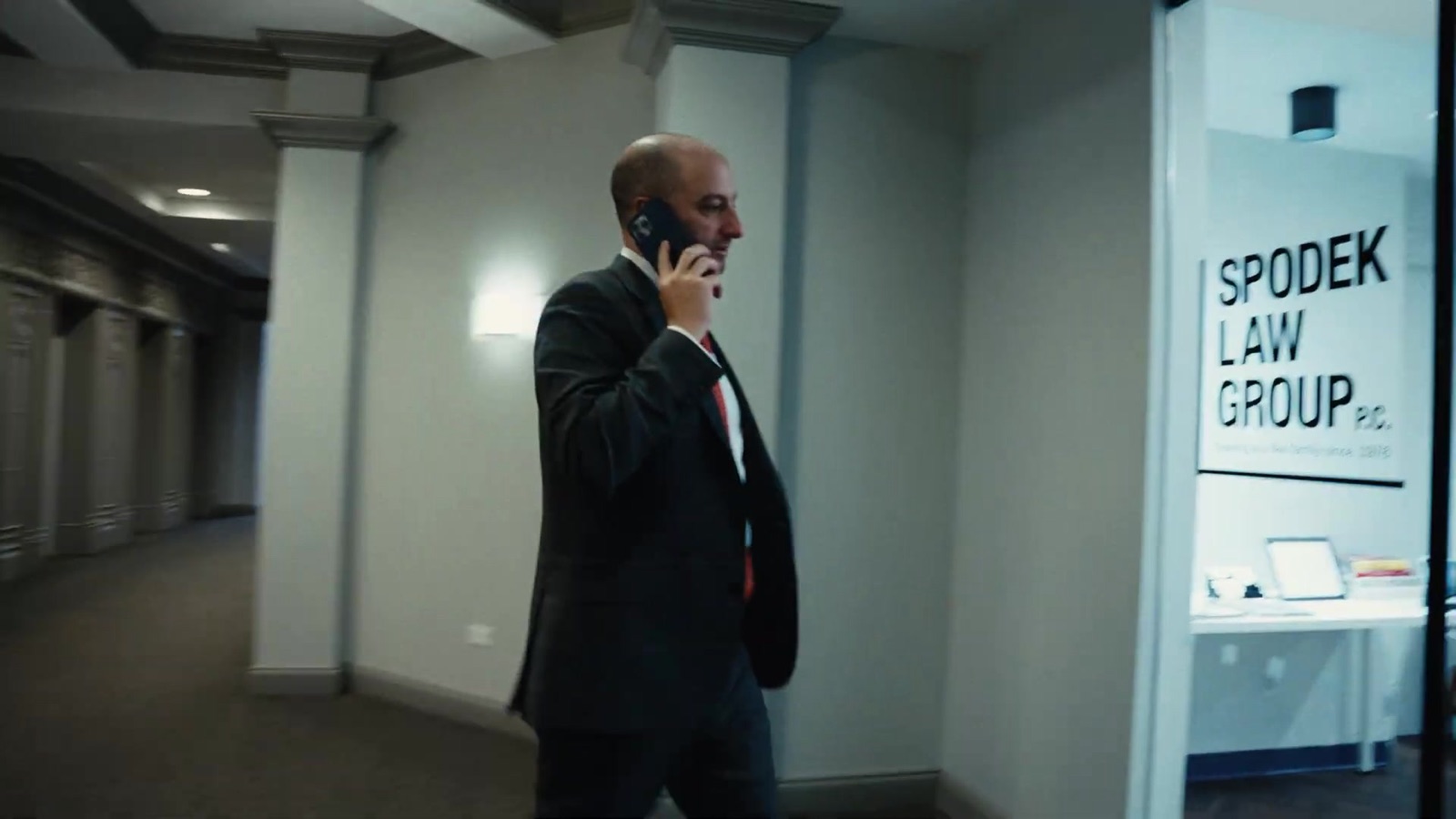
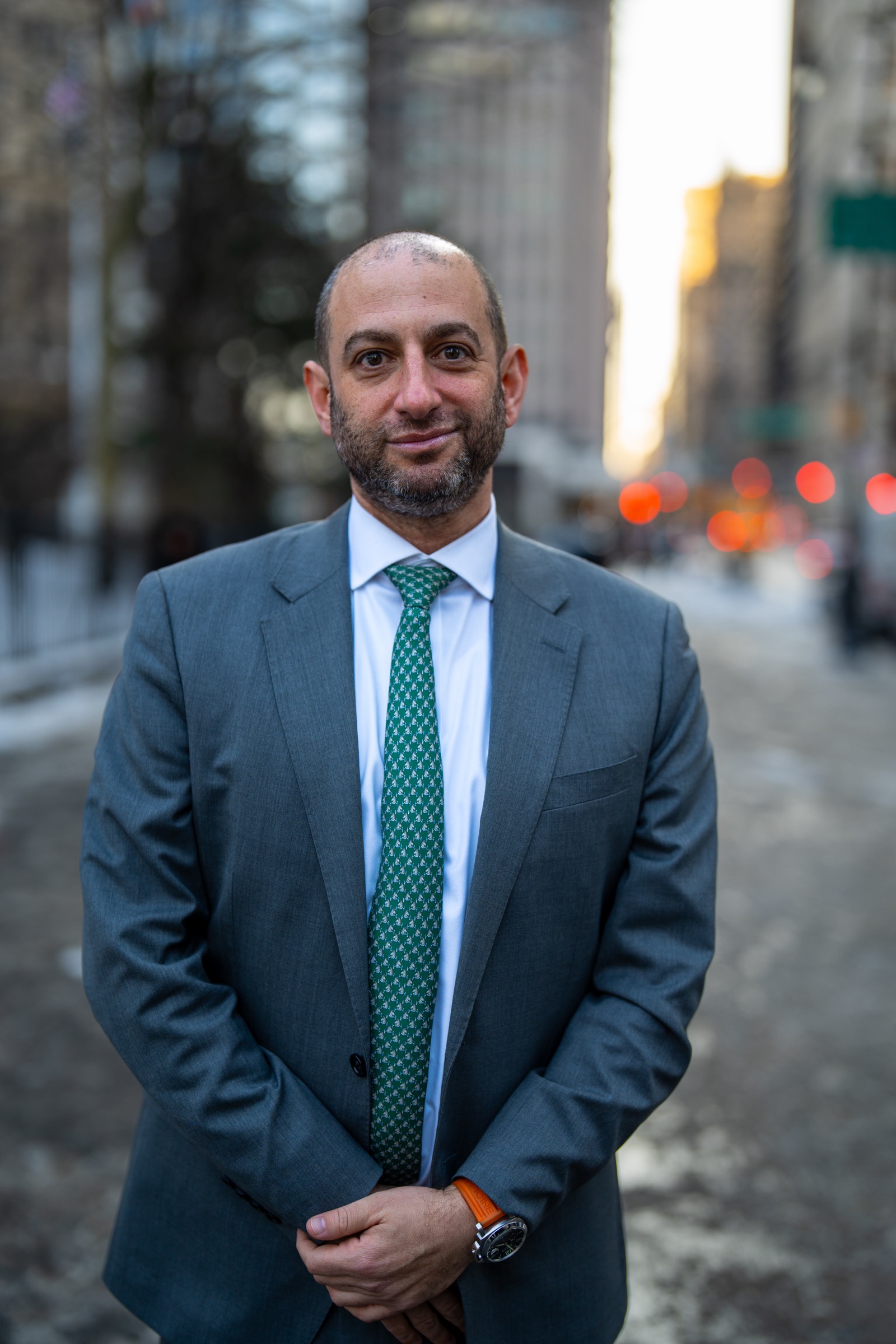
Todd A. Spodek is a second-generation trial lawyer whose defense of Anna Delvey became Netflix's Inventing Anna. He appears on Fox News and CNN as a legal analyst, authored an advice piece in The Spectator, and is quoted by the Associated Press when the biggest federal cases break. The record behind the profile: a complete acquittal in a $26M money-laundering trial, RICO charges carrying a 10-year minimum dismissed, and 6 months on a $12M Ponzi case.
See who fights for you before you ever call.
Who we are, how we work, and why clients nationwide trust us with their future - in under a minute.
Why this firm.
Five decades of federal courtrooms. Whatever the government has charged, this firm has defended it before.
No allegiance to U.S. Attorneys, agents, or agencies. The client is the only constituency.
Every district in the country, one client portal - documents, invoices, counsel, in real time.
We decline more federal matters than we accept - and every accepted case gets the whole bench.
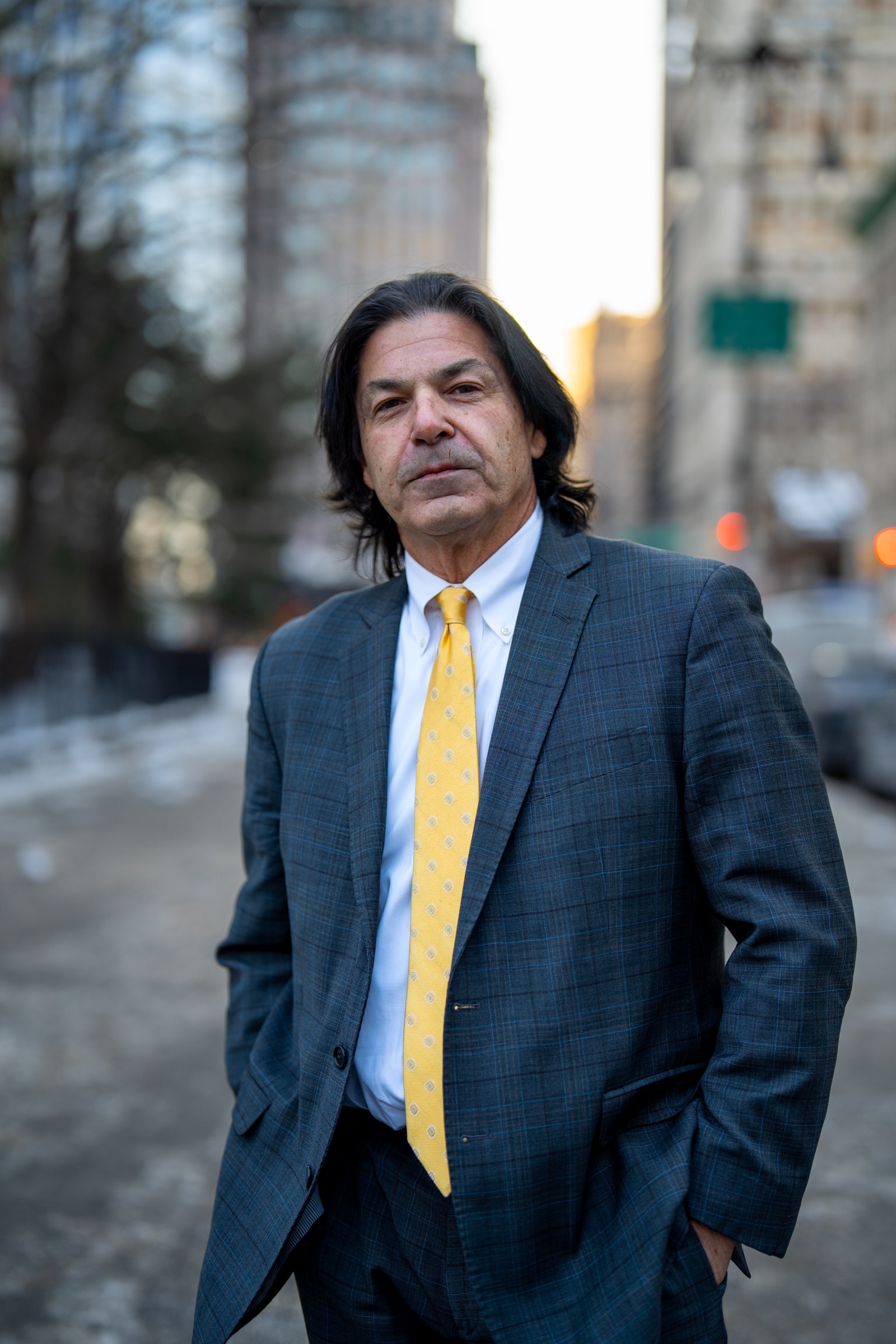




On the record, on the wire.
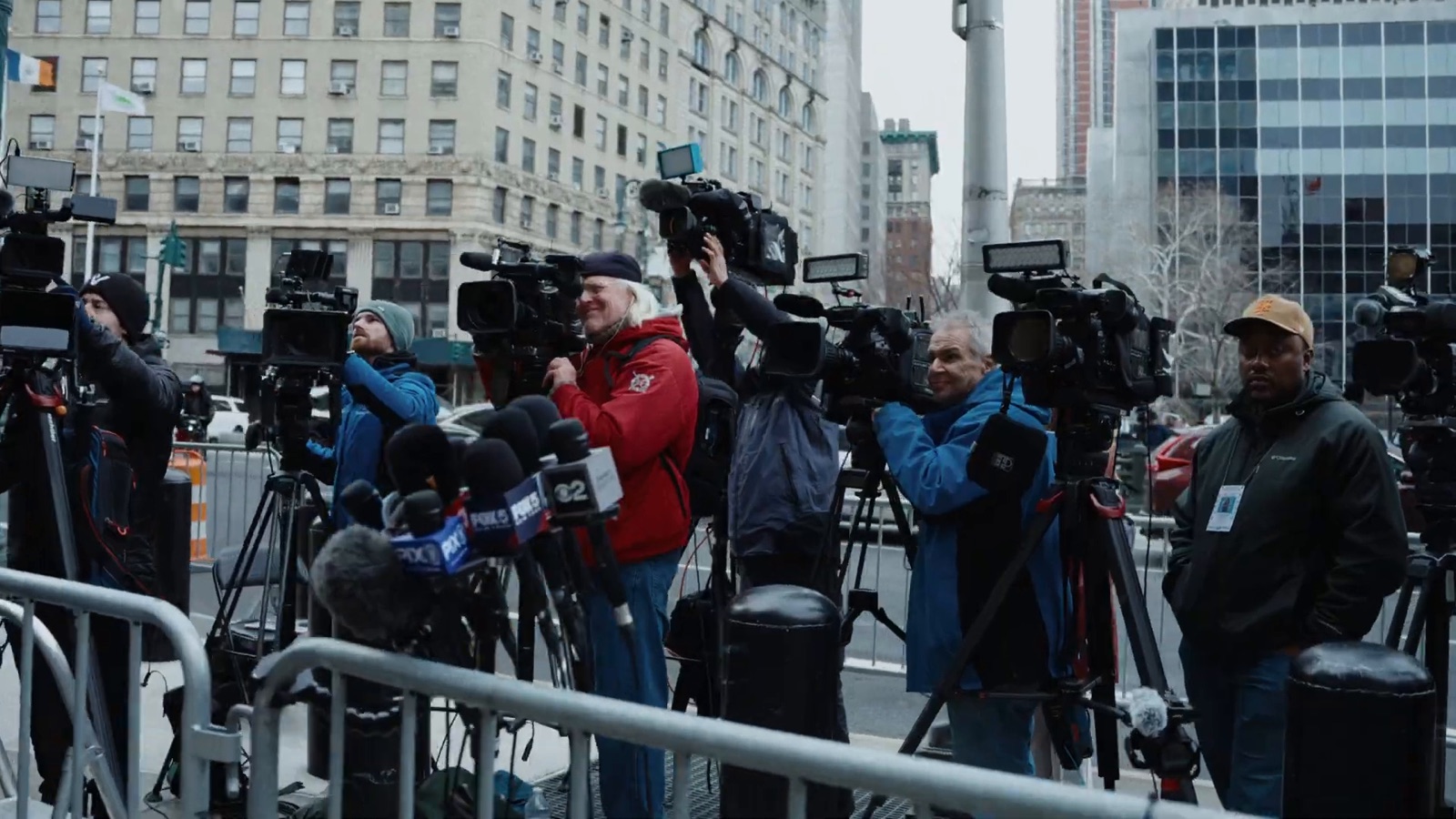
Get ahead of the case.
Answered within 24 hours, guaranteed. Some stories are better told out loud -
212 300 5196Updated 21 AUG 2026