Foreign Witness Testimony.
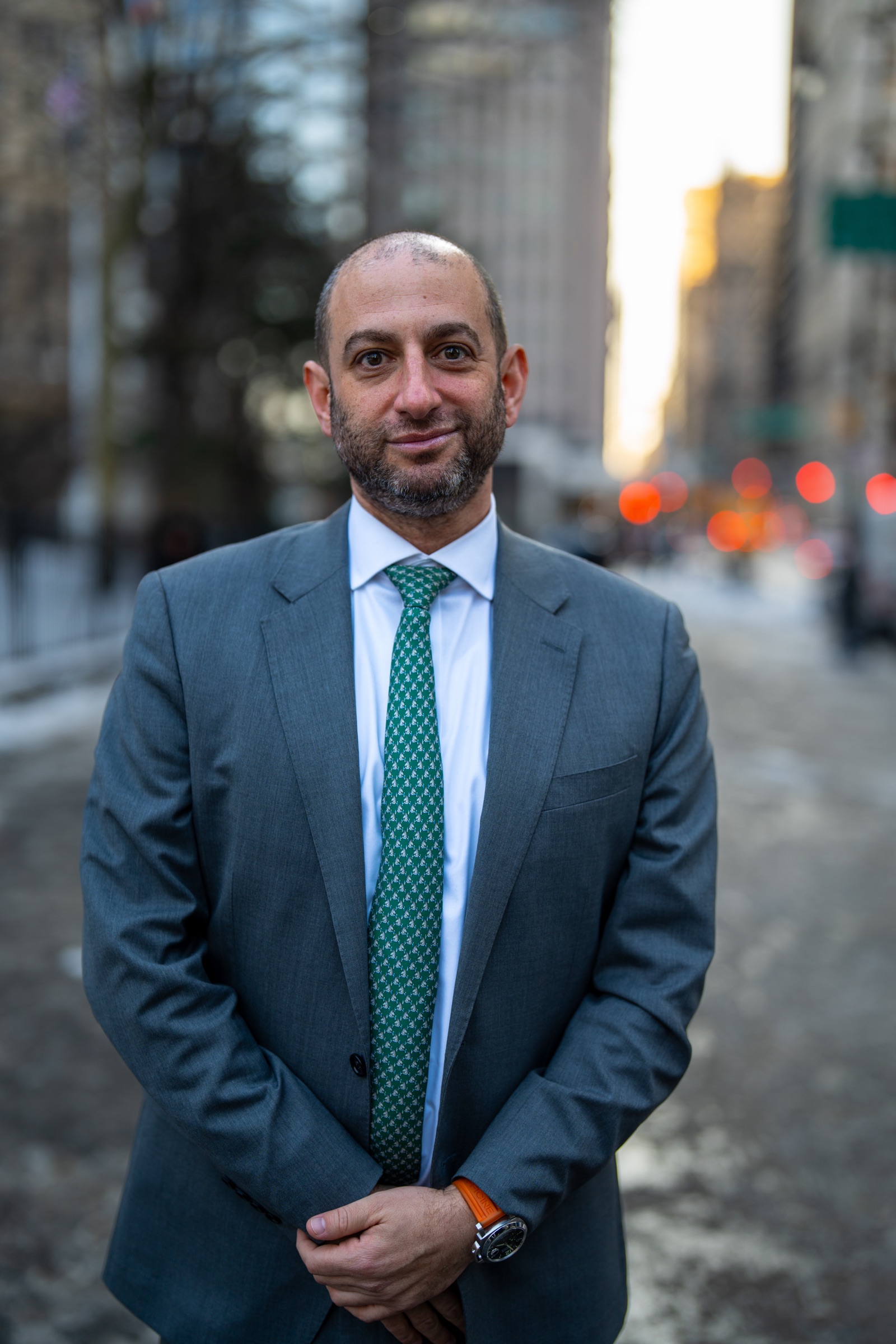
As a law firm, the answers to our clients’ and prospective clients’ questions vary. When it comes to whether witnesses are available, will depend on the circumstances of each particular case. The following are some of the questions that help inform a case assessment:
Are Foreign Nationals Subject to United States Federal Criminal Prosecution?
Yes, it is possible for foreign nationals to be subject to the United States’ federal criminal prosecution. In some cases, this is the same criminal prosecution that is occurring in their own countries. However, in others, the prosecution is being brought forth based on information the United States government gathered during an investigation into criminal activity involving citizens of other nations.
Do Federal Criminal Cases Involve Only Charged Defendants and Investigated Individuals?
No. While it is true that every case will have a defendant, federal criminal cases will often have other individuals involved as well. In many cases, individuals will be involved as witnesses who are not being charged or investigated in any way. Their involvement may be important for the government’s case in some instances and important for the defense’s case in others.
Do Federal Criminal Cases Often Require the Use of Evidence Gathered in Foreign Jurisdictions?
Yes, this is often true. For example, because many types of criminal cases involve financial transactions that go through foreign nations, there is a frequent need for the government and defense to gather and utilize testimony and documents from abroad. This frequently extends beyond gathering evidence as well, and often extends to presenting evidence at trial.
Is Facing Criminal Charges in a Foreign Country Equivalent to Facing United States Federal Criminal Prosecution?
No, facing criminal charges in a foreign country is different than facing prosecution in United States federal criminal court. While there will often be overlap, there are many criminal matters that will be subject to federal prosecution but will not lead to facing criminal charges in the individual’s native country as well.
What Rules Govern Proceedings in U.S. Federal Criminal Cases?
U.S. federal criminal cases proceed under the Federal Rules of Criminal Procedure. This ruleset sets out the procedures used in federal district courts for prosecuting individuals charged with violating U.S. federal laws.
The rules provide procedures for a wide range of matters related to criminal investigations, criminal prosecutions, and criminal enforcement.
Which Cross-Border Procedures Can Obtain a Foreign Witness’s Testimony?
When Can Federal Investigators Begin Seeking Evidence from Individuals Abroad?
As soon as a federal investigation begins, the United States government may be seeking evidence from individuals abroad. This often happens before federal prosecutors officially file criminal charges. As a result, you need to reach out to an experienced federal defense attorney as soon as possible, especially if the government has already begun seeking evidence related to your case in a foreign nation.
Our international defense lawyers can reach out to foreign agents, judges, and officials on your behalf. understand how to efficiently obtain testimony from witnesses located outside the United States.
How Familiar Are Federal Prosecutors with Foreign Legal Systems?
As with many federal law enforcement personnel, federal prosecutors tend to be very familiar with the American legal system while lacking insight into foreign legal systems. This lack of familiarity can lead to misunderstandings between the United States and foreign governments, potentially impacting the relevant case. In many cases, you will need an experienced federal defense attorney to help translate the legal complexities involved in a case that spans multiple countries.
Our attorneys we can communicate effectively with judges and government officials on both sides of the ocean.
Which U.S. Agency Prosecutes Federal Criminal Cases in the United States?
The United States Department of Justice (DOJ) is the agency that prosecutes federal criminal cases in the United States. When a federal investigation involves testimony from a witness in a foreign country, federal prosecutors will often utilize the formal procedures available under a United States mutual assistance treaty (if the United States has signed a treaty with the relevant country).
Which Legal Instrument Does the Federal Government Use to Obtain Witnesses’ Testimony and Records?
A federal subpoena is one legal instrument used to seek testimony from witnesses in the United States. These are issued in both civil and criminal cases and may seek a variety of evidence, including witnesses’ testimony and business records.
In a federal investigation, the government may seek witness testimony and other evidence during the investigation before formally charging a defendant in federal criminal court.
The pretrial proceedings in a federal criminal case include:
- Discovery
- Pretrial motions
- Proffer sessions
- Trial preparation
What is a Proffer Session?
A proffer session is an interview, which may occur before or after charges are filed, during which federal agents and prosecutors seek information from a witness and/or defendant. The information gathered during these sessions may be used to impeach a witness’s testimony at trial or to establish a plea agreement for defendants.
What Happens During a Criminal Trial in U.S. Federal Court?
During a criminal trial, a federal judge or a federal jury will determine the guilt or innocence of the defendant. The evidence presented at trial includes testimony from both the prosecution’s and the defense’s witnesses. The prosecution must prove the defendant’s guilt beyond a reasonable doubt to obtain a conviction in federal criminal court.
When do attendance limits, remote testimony, or witness protections control?
Can a witness to a federal grand jury in the U.S. retain counsel?
Yes, a witness to a federal grand jury proceeding in the U.S. can retain counsel to advise him or her in connection with the proceeding. However, as the purpose of a grand jury is to determine whether to formally charge an individual, a witness’s lawyer is not permitted to accompany the witness inside the questioning room.
Where will a witness’s lawyer be during a federal grand jury proceeding?
While witnesses’ lawyers are not allowed to be present during their clients’ grand jury appearances, they are permitted to be near the room where the grand jury proceeding is taking place. Typically, witnesses’ lawyers wait outside the questioning room while their clients answer the federal prosecutor’s questions.
Will a witness be permitted to speak with his or her lawyer during a grand jury proceeding?
Yes, a witness is permitted to speak with his or her lawyer, if he or she has retained one, outside the room where the grand jury proceeding is taking place. If it becomes necessary for a witness to consult with his or her legal counsel during the proceeding, prosecutors will typically allow the witness to leave the questioning room and consult with his or her lawyer before returning to finish providing testimony.
Can a witness’s lawyer request a continuance of a scheduled grand jury appearance?
Yes, if necessary, a witness’s lawyer can seek to request a continuance of his or her client’s grand jury appearance. This may be possible if the witness cannot attend on the date requested, if the witness is ill, or if there is more time needed to determine how the witness should answer questions during the grand jury proceeding.
If a witness needs more time to prepare, their lawyer may seek a continuance to ensure the witness is adequately prepared before testifying.
What advice can witnesses’ lawyers offer?
Lawyers representing witnesses in federal grand jury proceedings can provide various types of legal advice based on the specifics of the case at hand. Generally, witness lawyers advise their clients on the risks of testifying or refusing to testify during the grand jury proceeding. In certain cases, this includes the risk of facing charges for perjury or obstruction of justice.
How do foreign-language testimony and overseas records survive federal trial objections?
Can a witness testify to a U.S. federal criminal case at trial if their native language is not English?
Yes, it is possible for a witness to testify in a U.S. In these cases, a translator will be present to translate the witness’s testimony into English, so the federal judge and/or the federal jury will understand. While the translator will be provided by the court, the defense will have the opportunity to challenge the qualifications of the translator if necessary.
Do foreign languages and documents translate into the United States legal system?
Many foreign languages and documents translate readily, but this is not always the case. Translating a document from one language to another is simple, but translating a legal document to fit the definitions and interpretations of another country’s legal system can be more complex. However, as before, this will be up to the trial judge to determine whether any issues present themselves that require further investigation or testimony.
What are some of the key differences among foreign criminal law systems?
When it comes to foreign criminal laws and courtroom practices, these vary significantly from country to country. Some countries have criminal systems that are very similar to those in other countries, while others have procedures and rules that are entirely different and that have been developed to address a unique set of circumstances.
Are some federal district court judges unfamiliar with foreign witness testimony and overseas records?
Federal district courts and judges vary widely in their level of familiarity with foreign witness testimony and overseas records. Some may see these issues on a fairly regular basis, while others may have very little experience dealing with the procedures and laws that govern these foreign matters. In either case, this increases the chance that the defendant’s counsel will have to get involved and raise any relevant issues as needed.
Should a witness located abroad assume that he or she is merely uninvolved in the federal criminal case upon receiving a subpoena?
While a subpoena is not criminal, the information obtained from the witness’s testimony may be used by prosecutors in the federal criminal case. Witnesses should reach out to a lawyer to learn more about why they have received a subpoena and make an informed decision about whether to provide testimony.
Talk to Spodek Law Group
Every case turns on its own facts, and general information is no substitute for advice about yours. Todd Spodek, managing partner of Spodek Law Group, and the firm's attorneys defend federal criminal and white collar matters nationwide. Reach the firm at 888 348 8028.
Reading is good. Calling is better.
Answered within 24 hours, guaranteed. Some stories are better told out loud -
212 300 5196