Documentary About Your Case.
If you are considering commissioning a documentary about your pending federal criminal case, it is essential to recognize that this process involves a significant number of legal issues extending far beyond ordinary criminal-defense strategy. As you engage a production team, you will encounter various “production-law” issues not typically involved in criminal defense cases. These issues encompass not only the filming process itself but also the subsequent publishing and distribution of the documentary. These production-related considerations require specific legal knowledge and coordination to ensure that all aspects of the project are handled appropriately without undermining your legal defense.
NLADA Guideline 1.3 also plays a vital role in the context of documentary involvement. According to this guideline, defense counsel should “Counsel has the obligation to keep the client informed of the progress of the case, where it is possible to do so.” and “Counsel must be alert to all potential and actual conflicts of interest that would impair counsel’s ability to represent a client. Where appropriate, counsel may be obliged to seek an advisory opinion on any potential conflicts.” If you intend to make a documentary about your pending case, NLADA Guideline 1.3 may require you and your defense counsel to address these issues promptly. It is important to ensure that your attorney’s involvement in the documentary does not conflict with their representation of your interests in the legal proceedings, and any potential conflicts must be identified and managed to maintain the integrity of your defense.
NLADA Guideline 2.2 provides further cautionary guidance, stating: “an instruction not to talk to anyone about the facts of the case without first consulting with the attorney” Engaging a production team without legal guidance could lead to inadvertent disclosures that may harm your case. Any public discussions regarding the case, especially those within the context of a documentary, should be carefully managed to avoid compromising defense strategies or raising issues with the prosecution.
By understanding the breadth of legal considerations involved, from production law to NLADA guidelines, you can make informed decisions that protect your interests and legal standing. Engaging with your legal team will help ensure that any efforts to document your experience are consistent with your overarching defense strategy and do not adversely affect the outcome of your proceedings.
Which Defense Decisions Must Stay with Counsel and the Client While a Documentary is Made?
When filming a documentary while managing a federal criminal case, certain decisions and duties must remain strictly between defense counsel and the client. These are crucial obligations for protecting the client’s legal rights and interests throughout the judicial process.
For example, NLADA Guideline 4.1 explicitly requires that “Counsel has a duty to conduct an independent investigation regardless of the accused’s admissions or statements to the lawyer of facts constituting guilt. The investigation should be conducted as promptly as possible.” The guideline adds, “Investigation should begin as promptly as possible.” Filming these investigative processes or discussions about admissions can prematurely disclose information or reveal a defense strategy that should remain confidential. Ensuring these steps are done independently and without external influence is essential to providing a zealous defense.
Similarly, NLADA Guideline 4.2 states that “Counsel has a duty to pursue as soon as practicable discovery procedures provided by the rules of the jurisdiction and to pursue such informal discovery methods as may be available to supplement the factual investigation of the case. In considering discovery requests, counsel should take into account that such requests may trigger reciprocal discovery obligations.” These investigative efforts are typically confidential. Publicly sharing how defense counsel uses discovery could alert the government to specific evidence or weaken future negotiations. The timing and nature of discovery are often sensitive; exposing them can compromise the confidentiality of documents and witness statements.
NLADA Guideline 4.3 advises that “During investigation and trial preparation, counsel should develop and continually reassess a theory of the case.” These reassessments are essentially internal brainstorming sessions within a legal team. They are not for public consumption or documentary footage, as they could expose weaknesses or reveal the actual strategy chosen.
Another critical obligation is outlined in NLADA Guideline 6.1: “Counsel should keep the client fully informed of any continued plea discussion and negotiations and convey to the accused any offers made by the prosecution for a negotiated settlement.” Plea negotiations are highly confidential processes. The details and timing of these offers should be carefully managed by counsel and the client. Documenting this process or sharing negotiation details could undermine the client’s leverage and cause friction with the prosecuting office, potentially impacting the case’s resolution.
When Can Publicity Affect Sentencing, Appeals, and Later Proceedings?
Publicity can intersect with the legal process at the sentencing and appeals stages as well. Many of the steps that are critical to a defendant’s defense at these stages could be compromised or altered as a result of a documentary project. For example, under NLADA Guideline 8.1, one of defense counsel’s responsibilities is to present “all reasonably available mitigating and favorable information, which is likely to benefit the client, is presented to the court,” which includes arguing for a more favorable sentence as determined by the sentencing court. Publicity from the documentary could impact the effectiveness of presenting this information, potentially complicating the defense team’s ability to present a compelling case to the sentencing judge.
Additionally, NLADA Guideline 9.2 states that defense counsel “Counsel should inform the defendant of his or her right to appeal the judgment of the court and the action that must be taken to perfect an appeal. In circumstances where the defendant wants to file an appeal but is unable to do so without the assistance of counsel, the attorney should file the notice in accordance with the rules of the court and take such other steps as are necessary to preserve the defendant’s right to appeal, such as ordering transcripts of the trial proceedings. Counsel’s advice to the defendant should include an explanation of the right to appeal the judgment of guilty and, in those jurisdictions where it is permitted, the right to appeal the sentence imposed by the court.” and cooperate with appellate counsel by providing information concerning the trial-court proceedings. While the media can be used effectively to highlight injustices and pressure the legal system, it can also lead to premature disclosures about appellate strategy and raise concerns about attempting to influence the appellate process inappropriately.
Similarly, NLADA Guideline 6.2 and Guideline 8.2 both address counsel’s obligations concerning the potential consequences of a plea or a criminal sentence. These consequences include deportation, civil disabilities, restitution, and the loss of certain licenses. All of these considerations can be impacted by publicity that colors the perception of a defendant’s culpability and their ability to rehabilitate.
NLADA Guideline 8.4 advises counsel to take appropriate steps to ensure that erroneous or misleading information which may harm the client is deleted from the report. Again, this is a critical aspect of the case that publicity could interfere with by revealing or exaggerating points of contention.
Finally, the federal sentencing guidelines that provide the influential ranges for sentencing do not eliminate the role of judicial discretion entirely. Because the judge retains substantial discretion to weigh aggravating and mitigating factors, publicity that targets the judge or undermines a defense argument can directly result in a harsher sentence. Defense counsel must work closely with their client and the film production team to protect against these risks and ensure the legal rights and strategic interests of the defendant are prioritized at every stage.
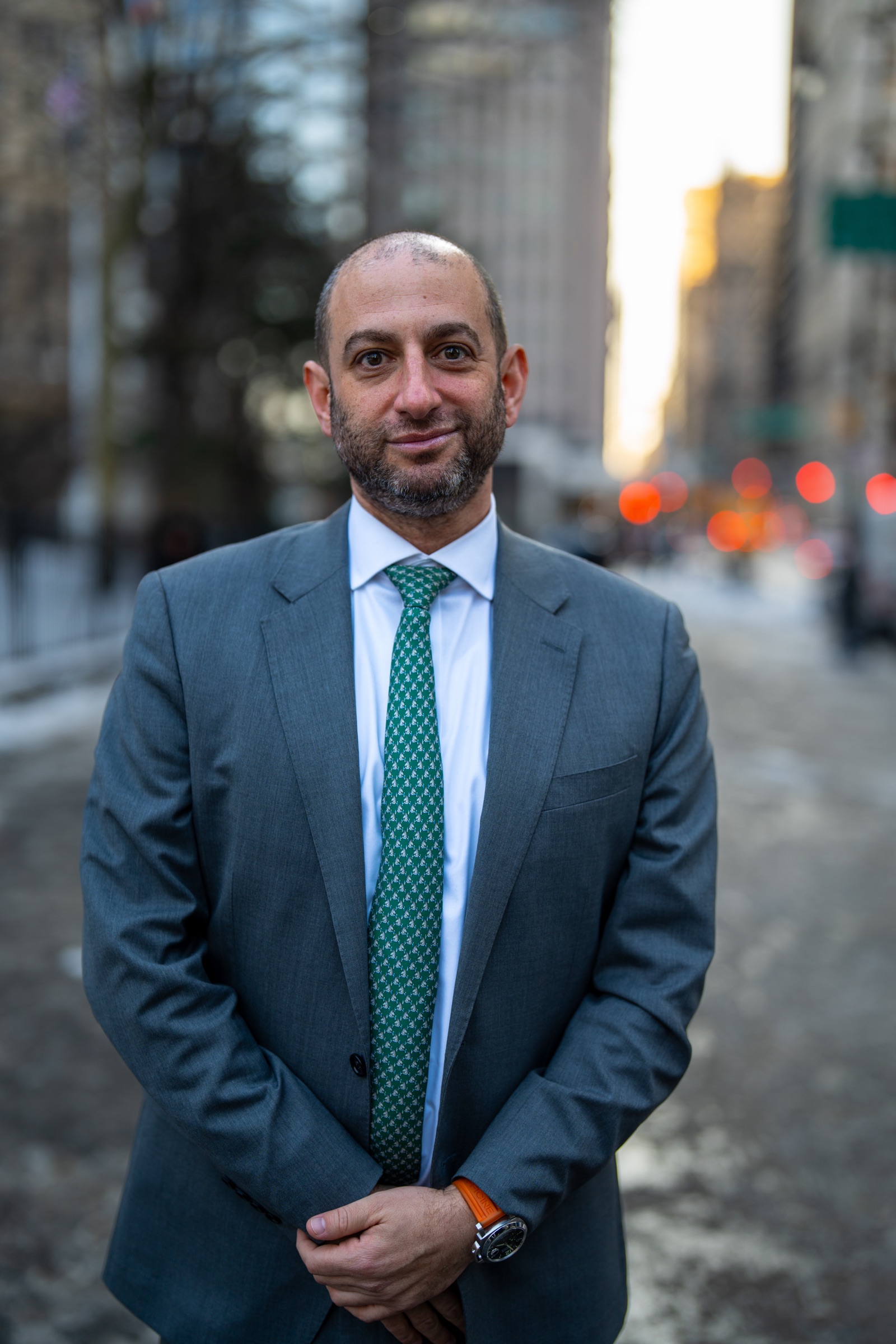
Todd Spodek defended Anna Sorokin, the case Netflix later dramatised as Inventing Anna.
What Claims Can a Documentary Safely Make About a Federal Case and Its Lawyers?
The sources identify no objective national ranking of criminal-defense lawyers by fame. This means that a documentary should be cautious about making claims of being among the most famous, as such designations are subjective and difficult to substantiate with objective data. Additionally, while professional awards and media appearances may indicate prominence and recognition within the legal community, they do not establish that an attorney is “nationally most famous.”
The sources do not establish that any specific district attorney is generally more powerful than every judge. In the complex legal dynamics of a federal case, the distribution of power varies by role, situation, and individual. Claims that attribute absolute dominance or superior power to prosecutors over the judiciary need to be carefully phrased to avoid inaccuracy.
The sources do not establish that self-reported victories, awards, and superlatives are independent performance measures. This underscores a crucial point about reliability: information provided by an attorney or a law firm about their own accomplishments should be regarded as promotional rather than as a standard of independent verification. Such superlatives are often marketing tools and may not provide an objective basis for claims of excellence or effectiveness.
Similarly, the sources do not establish that promotional claims translate to superior quality or a greater likelihood of success. Promotional materials are designed to draw attention and attract clients, and they do not represent a factual or verifiable indicator of a lawyer’s comparative skill or a guarantee of better outcomes. In the context of a documentary, these promotional elements should be carefully analyzed and not necessarily taken at face value to demonstrate superior legal abilities or results compared to other attorneys.
What Might Federal Defense Cost if a Documentary Coincides with the Case?
As noted in our article about federal defense fees, for many pretrial resolutions, the cost for federal defense services typically falls within the $25,000 to $75,000 range. Federal trials can double the cost of pretrial representation. Our article explains that the cost of handling complex federal matters can commonly exceed $100,000 in total defense fees, and these cases can sometimes take years to resolve.
Along with these general ranges, the federal-defense fee article describes the various flat-fee, hourly, and hybrid billing options that common federal defense law firms offer. These structures allow for flexibility based on the client’s preferences and the case’s complexity. For example, hourly fees are common for pretrial services, whereas flat fees are sometimes used for trials.
The same article notes that hourly rates for experienced federal-defense lawyers in major metropolitan areas typically range from $300 to $700 per hour. Flat-fee agreements are likely to vary based on the scope of the services provided, the law firm’s location, and the level of the attorney’s experience. Retainers can also range from hundreds to thousands of dollars, which can be based on the expected complexity and length of the representation.
These costs can fluctuate significantly based on several factors, including the extent of work required, the specific nature of the charges, and any complexities introduced by the case’s publicity. Clients should work closely with their federal defense team to understand the financial implications of their legal representation. This includes negotiating the most appropriate fee arrangement and understanding the factors that could influence the overall costs of their defense. By planning carefully and maintaining clear communication with their lawyers, clients can navigate the financial aspects of a federal case with confidence and clarity.
Speak With Counsel Before You Answer Anything
If agents have contacted you, the order matters: counsel first, answers second. Spodek Law Group has been practicing since 1976 and defends federal matters nationwide, coast to coast, from offices in New York, Brooklyn, Queens and Los Angeles. Call 888 348 8028.
Reading is good. Calling is better.
Answered within 24 hours, guaranteed. Some stories are better told out loud -
212 300 5196