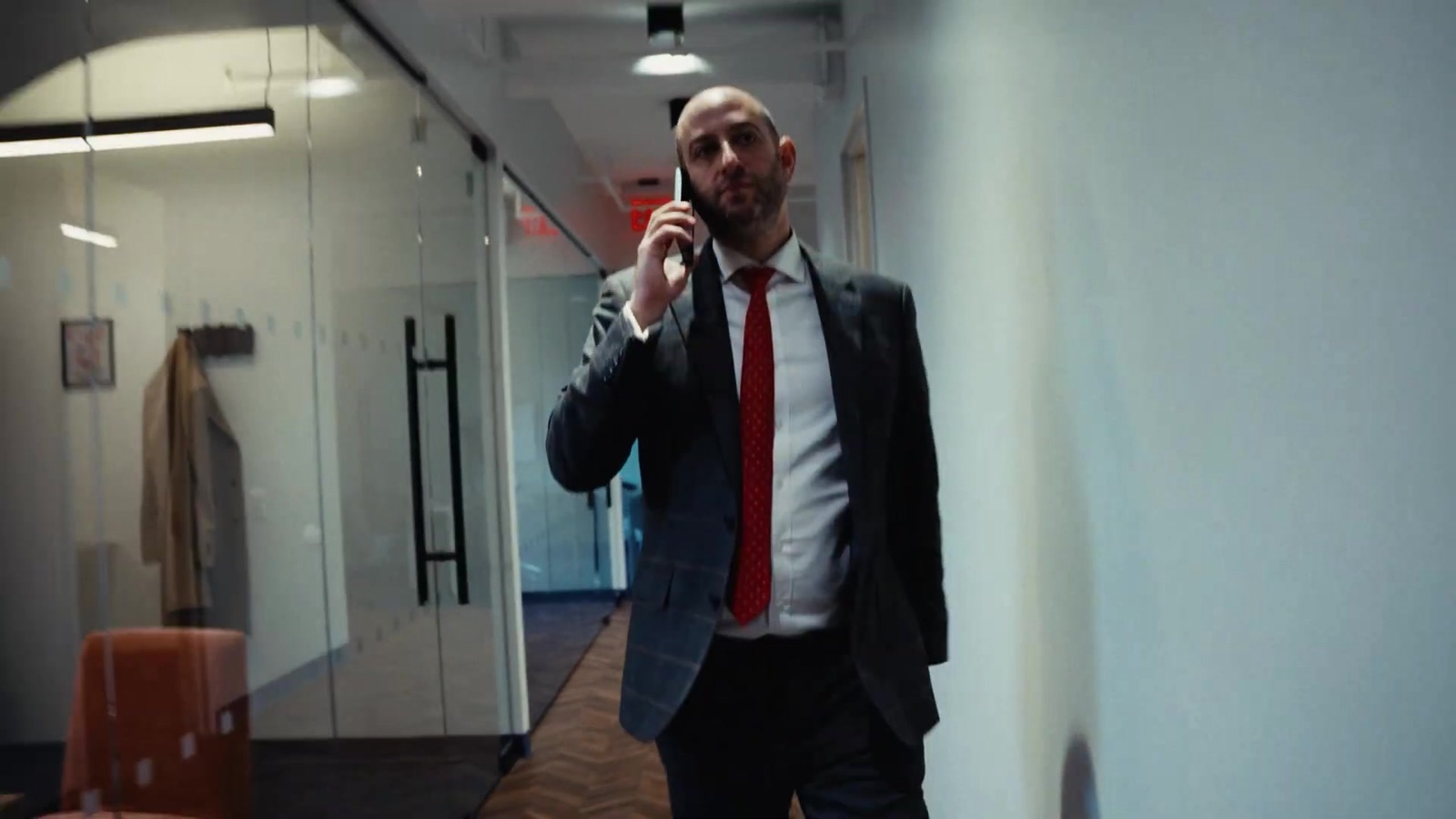
The federal defense firm behind the Anna Delvey case on Netflix.
The defense that became Netflix’s Inventing Anna now works one docket: federal. Fifty-plus years of combined experience, appearances in every one of the 94 districts, and a record - acquittals, dismissals, fractional sentences - that does the arguing for us.
The federal practice.
ALL PRACTICE AREAS →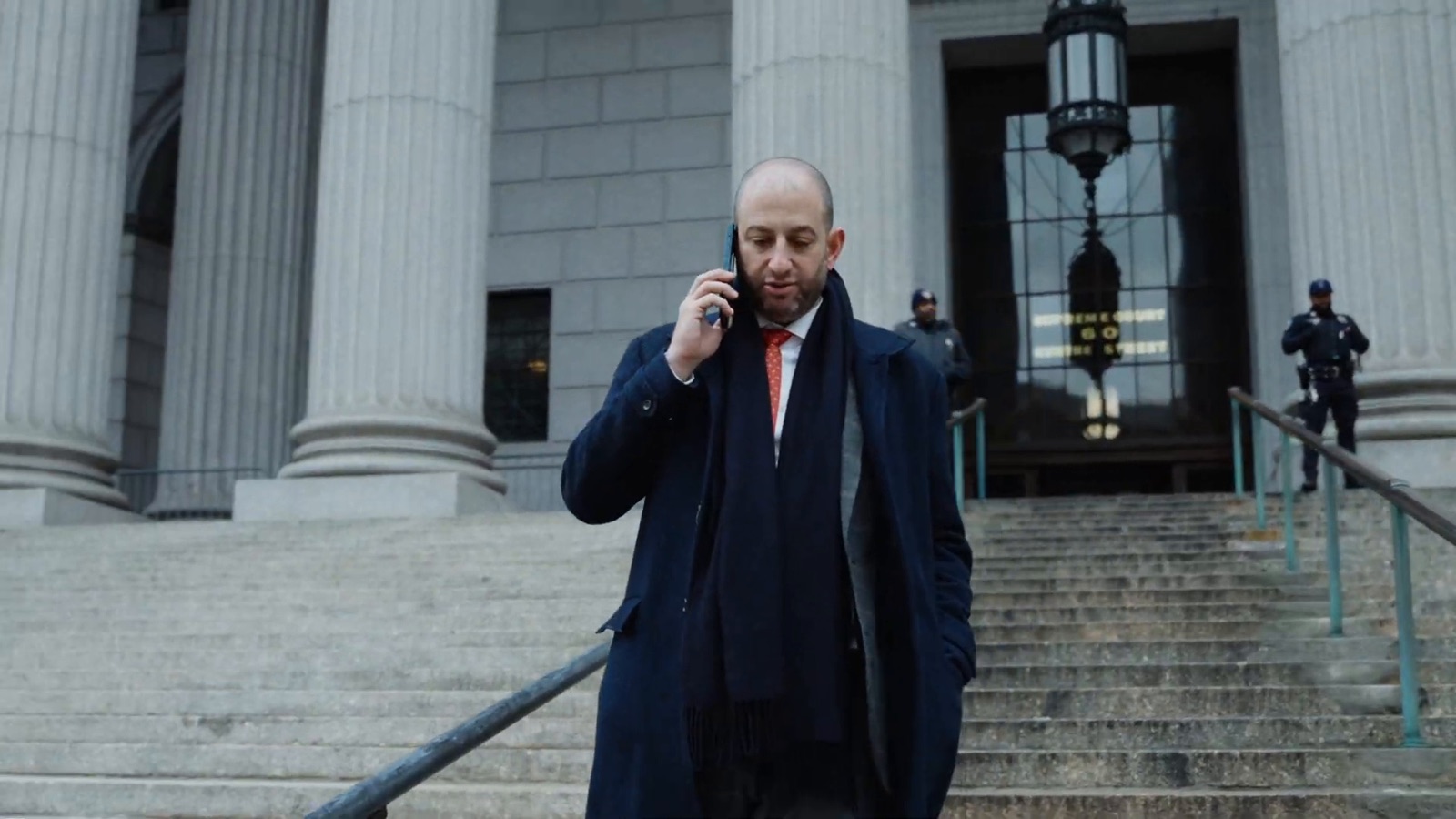
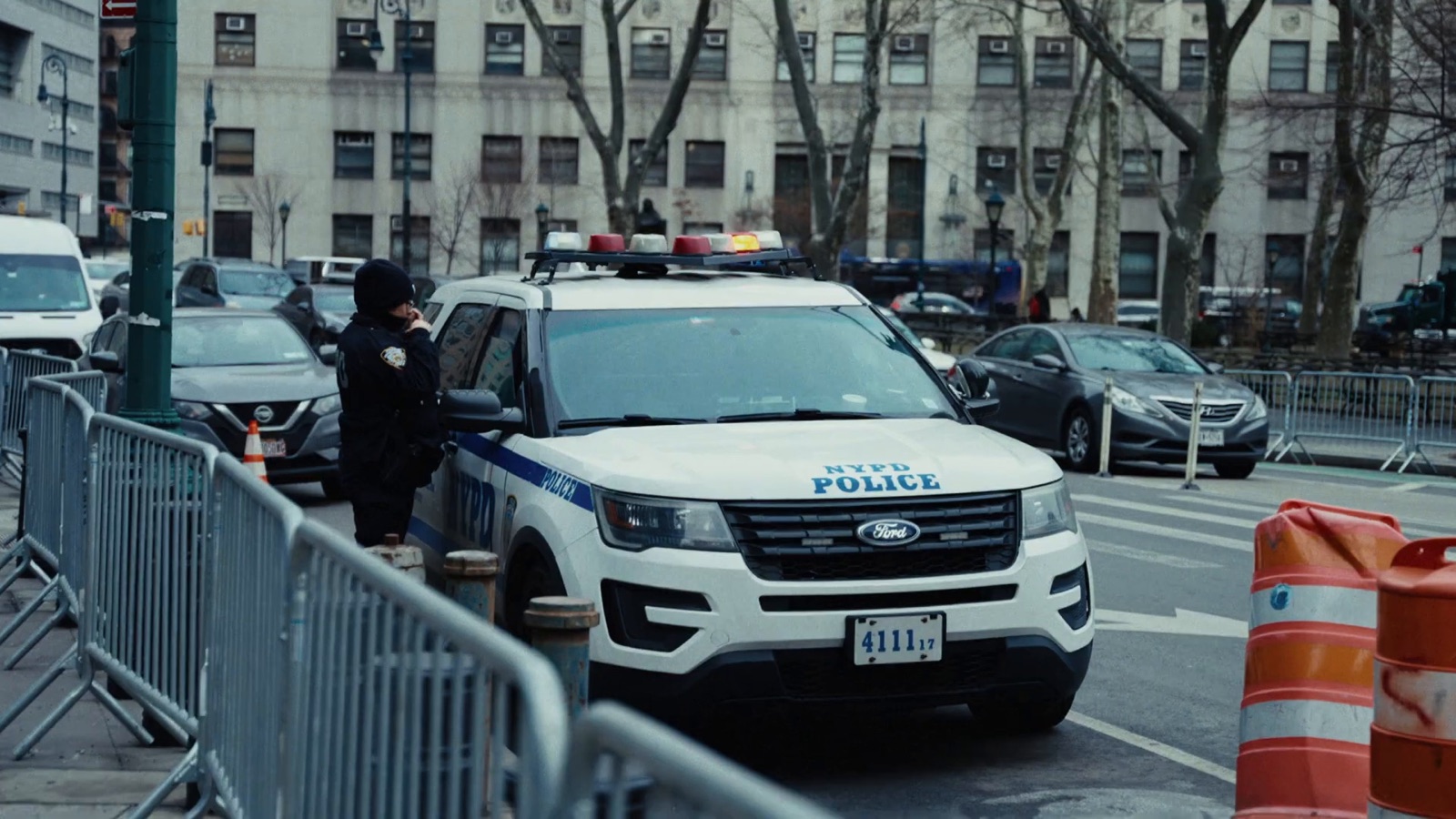
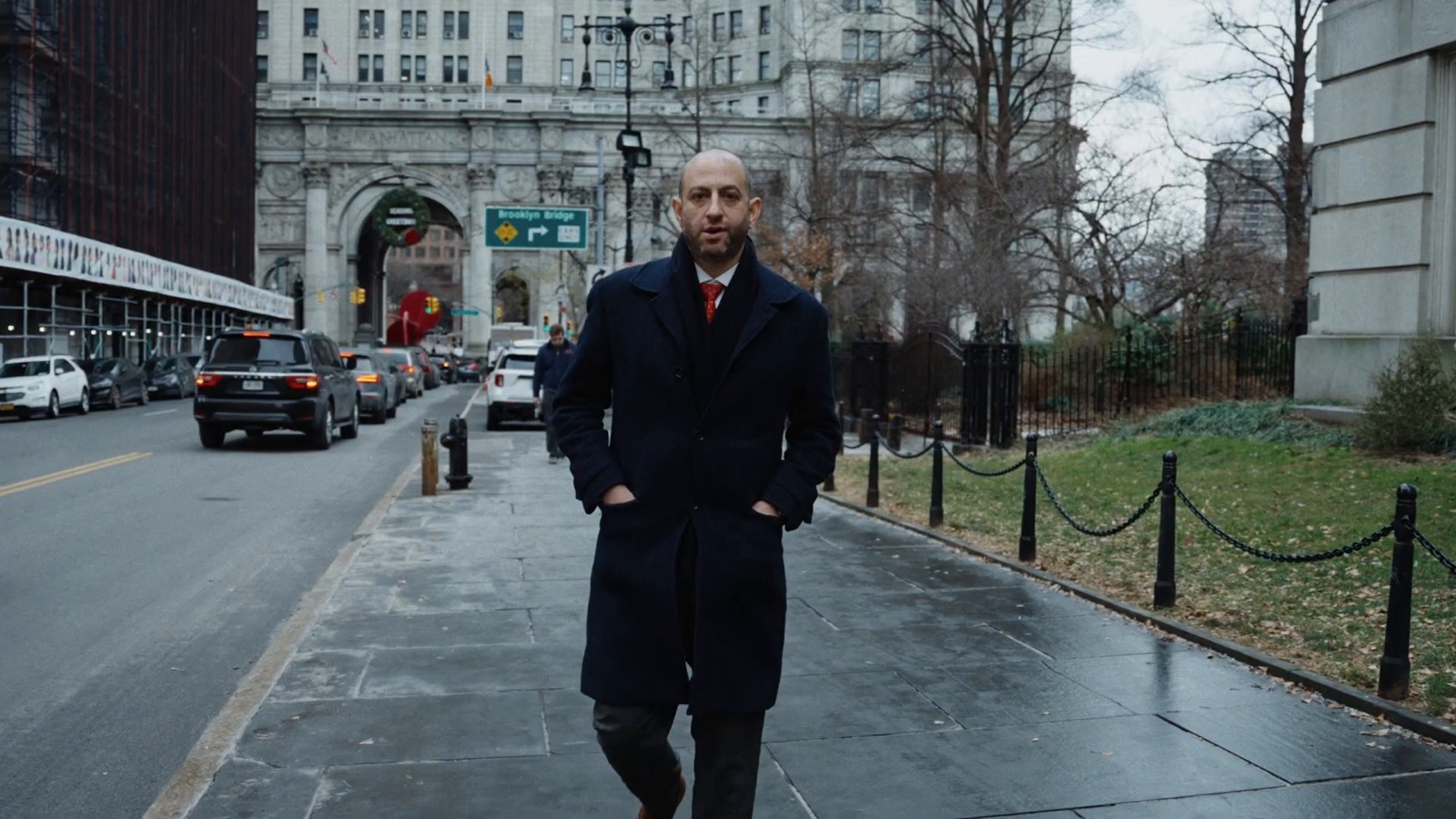

Netflix told the story. The defense was ours.
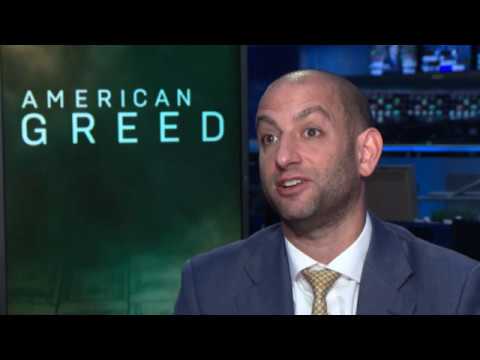
When Shonda Rhimes built Inventing Anna, the defense at its center was Todd Spodek’s - argued for the so-called fake heiress in a Manhattan courtroom long before Arian Moayed of Succession played him on screen. What 320 million hours of viewers watched is the method every client of this firm gets.
Verdict preserved.

 NYT
NYT

 JAN-APR 2022
Covered nationwide.
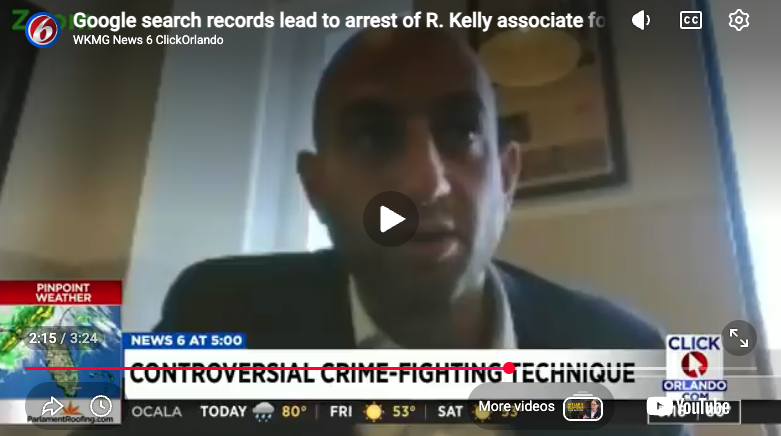
Watched everywhere.
.png)
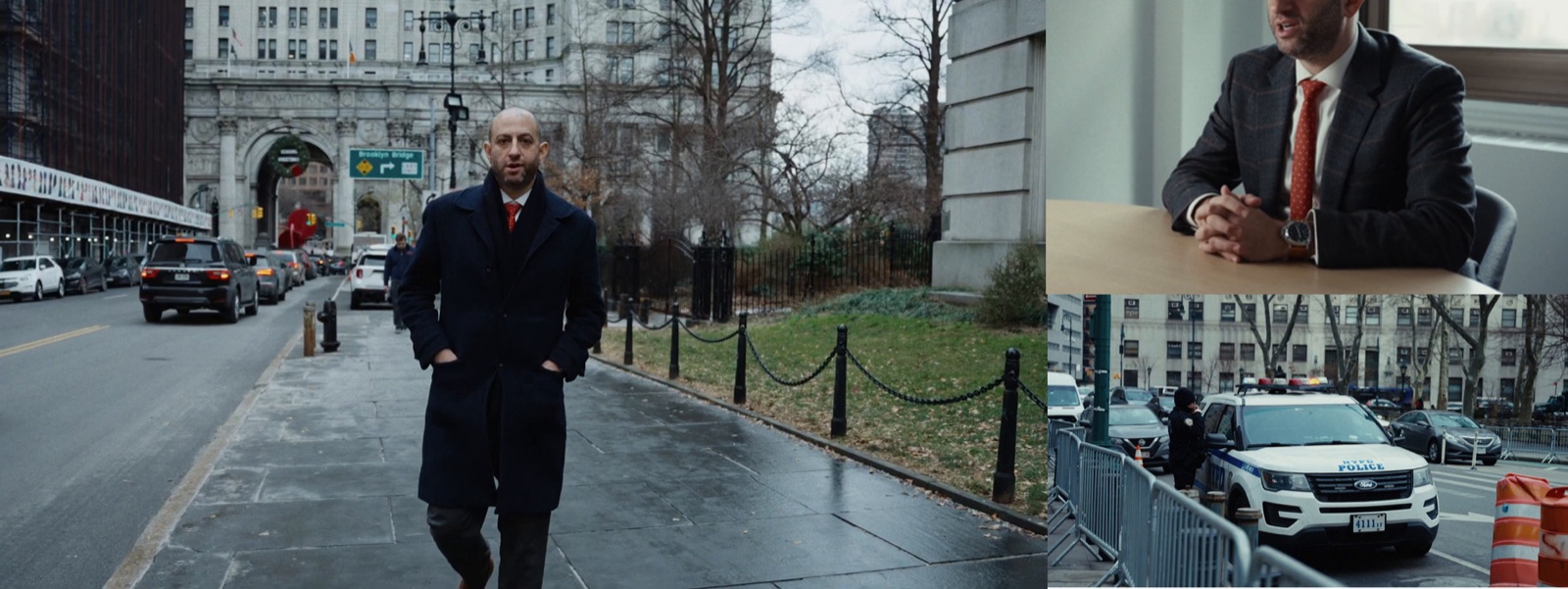
Put the facts in front of counsel.
The record above speaks for the firm; the form below lets your case speak for itself. Counsel replies within 24 hours, guaranteed - or skip the typing altogether:
212 300 5196




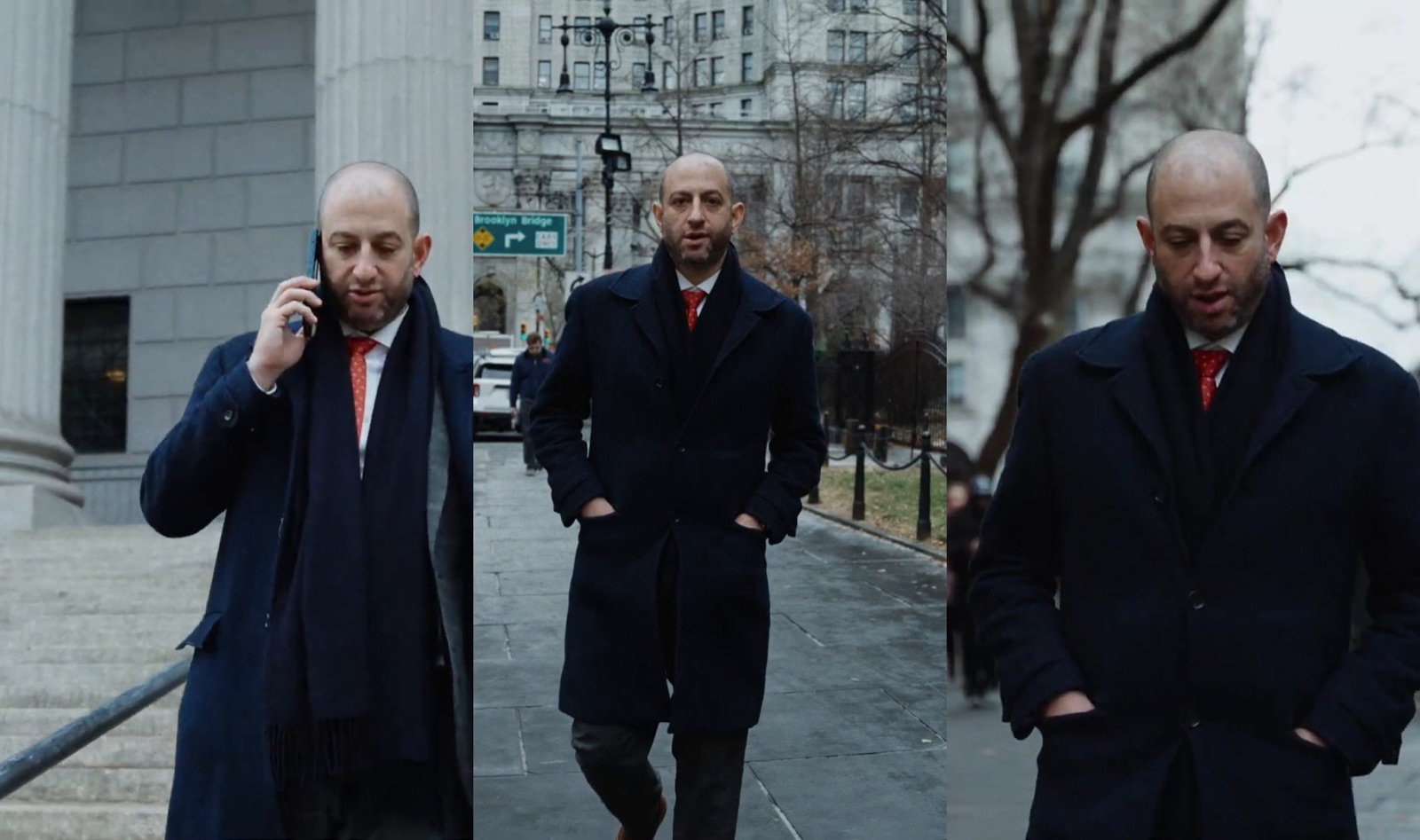
Todd practices in the firm his father opened in 1976 - second generation, same standard. Netflix built Inventing Anna around his Sorokin defense; since then the file spans the Maxwell juror inquiry, the R. Kelly witness matter, and federal courtrooms from New York to California. His cell number goes to every client, not a select few.
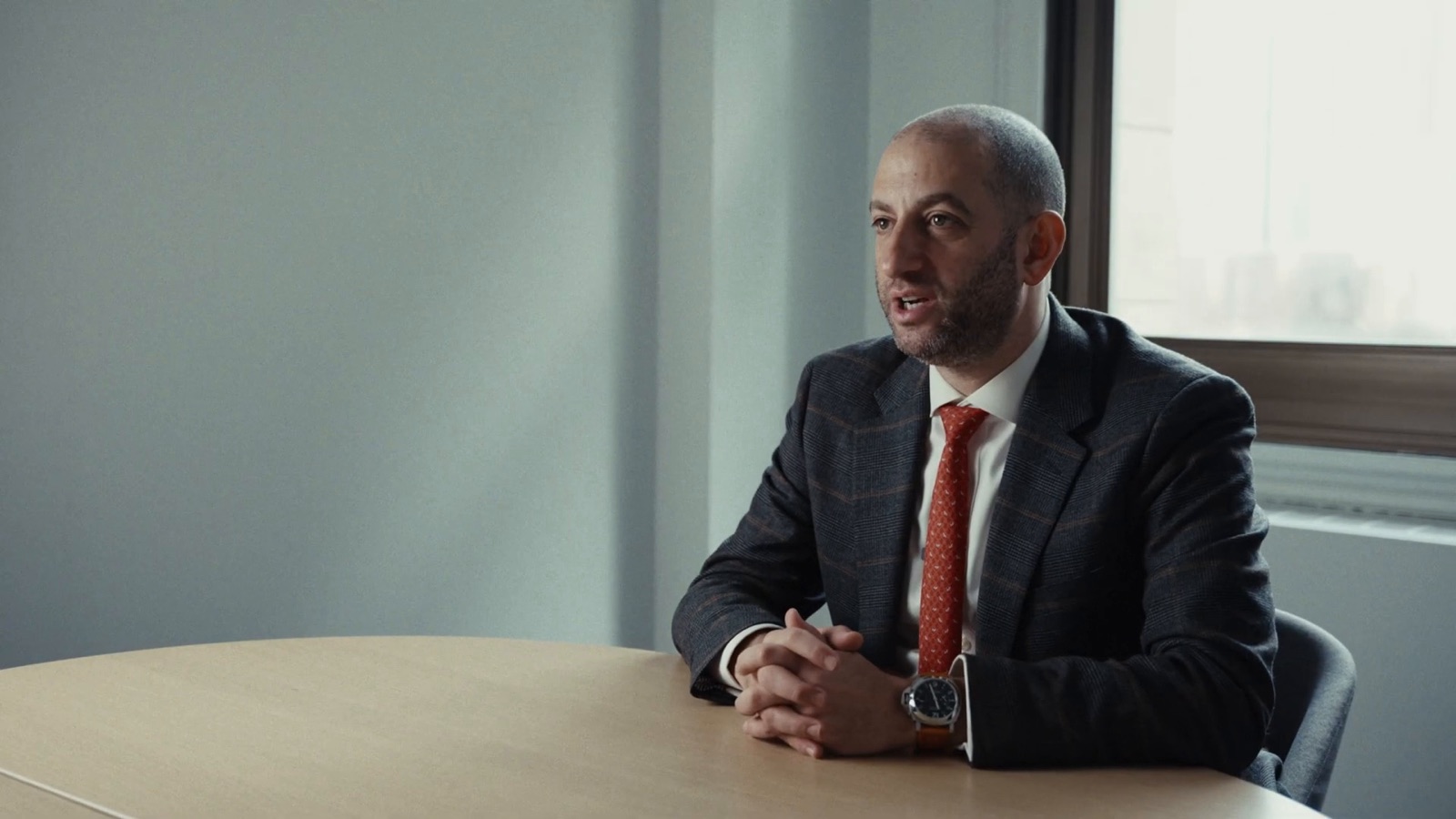
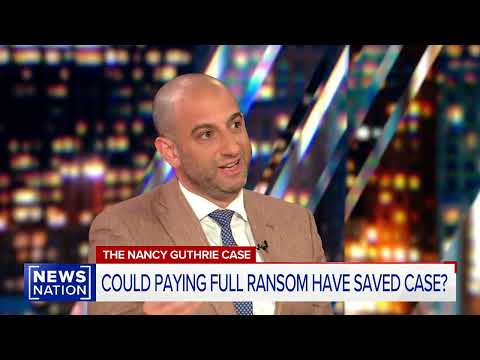
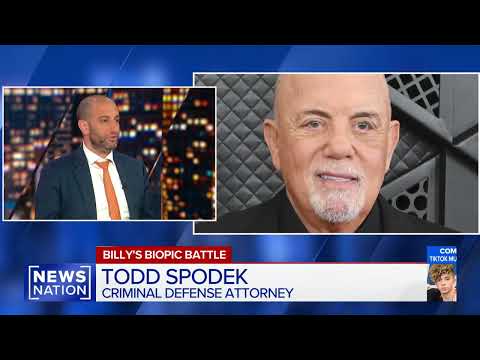
The cases leading the news keep this firm on speed dial.
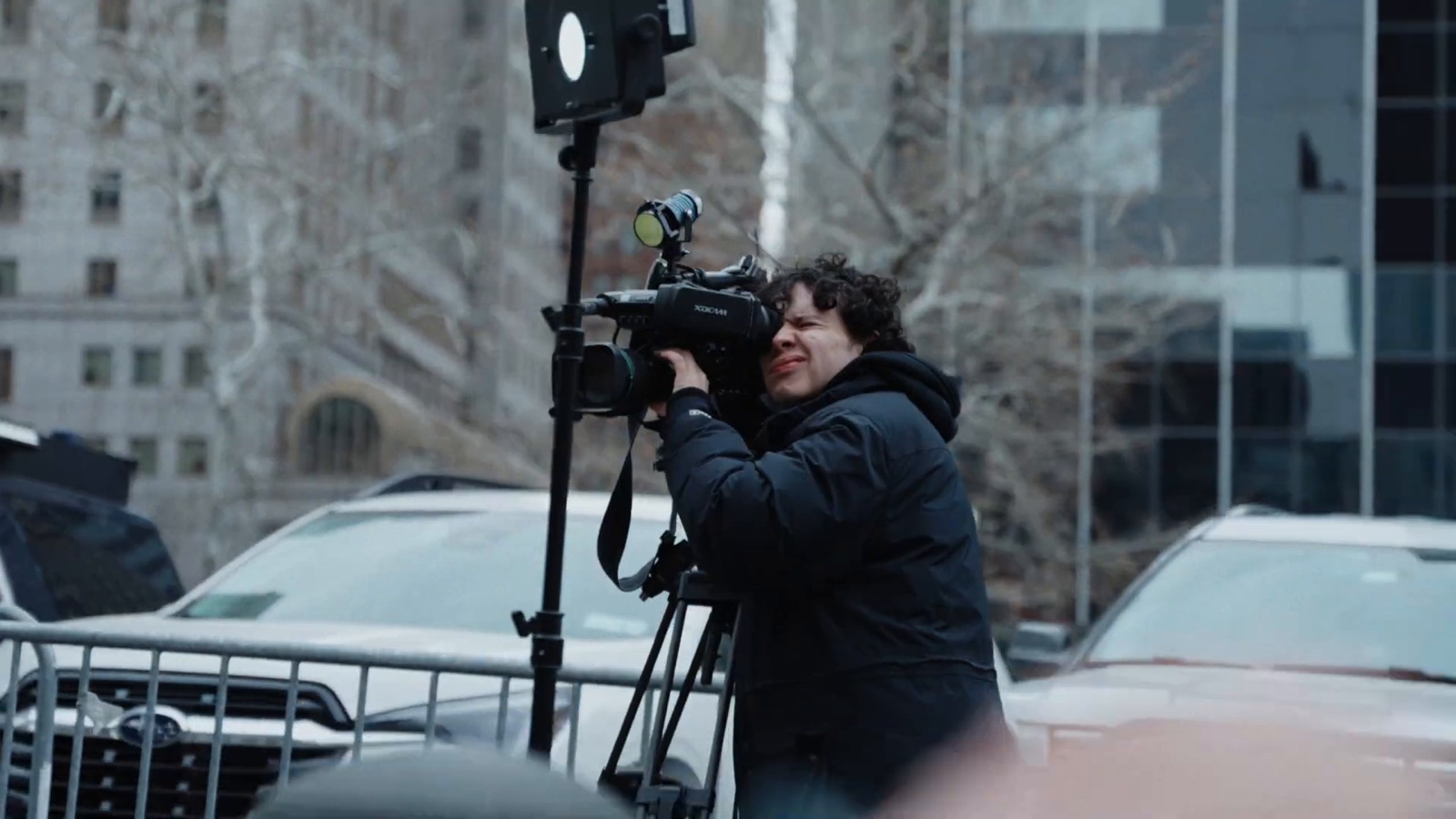
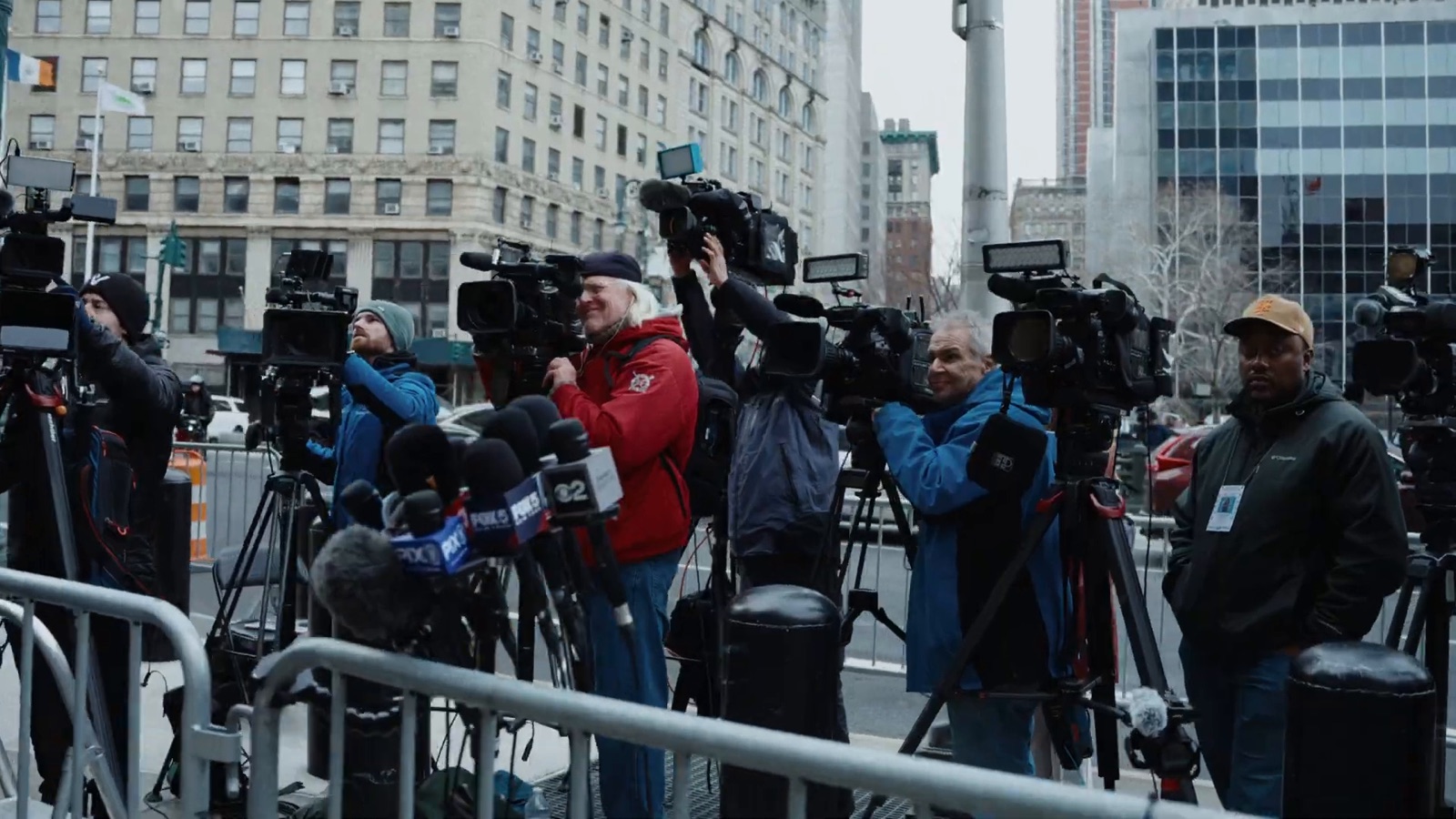


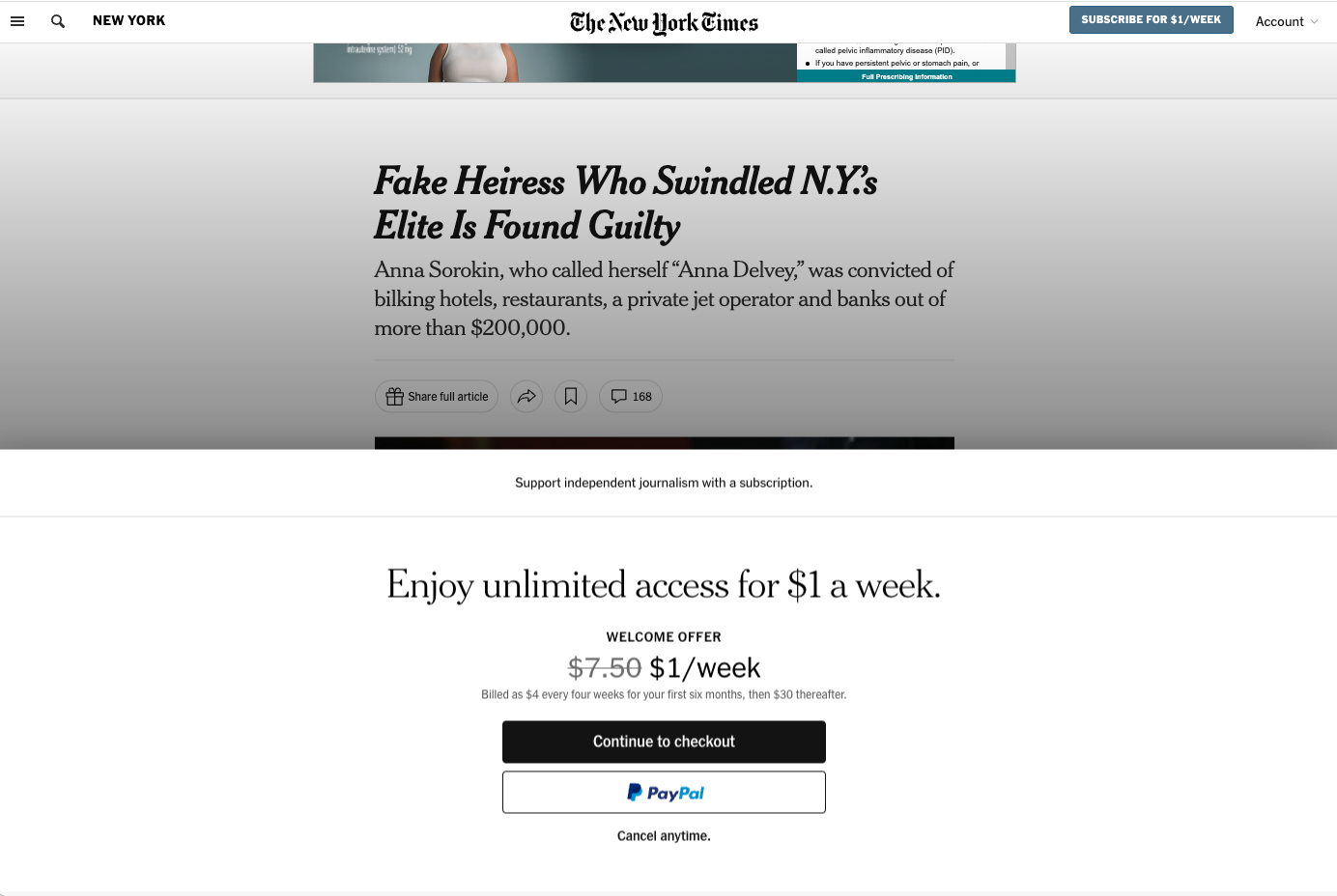
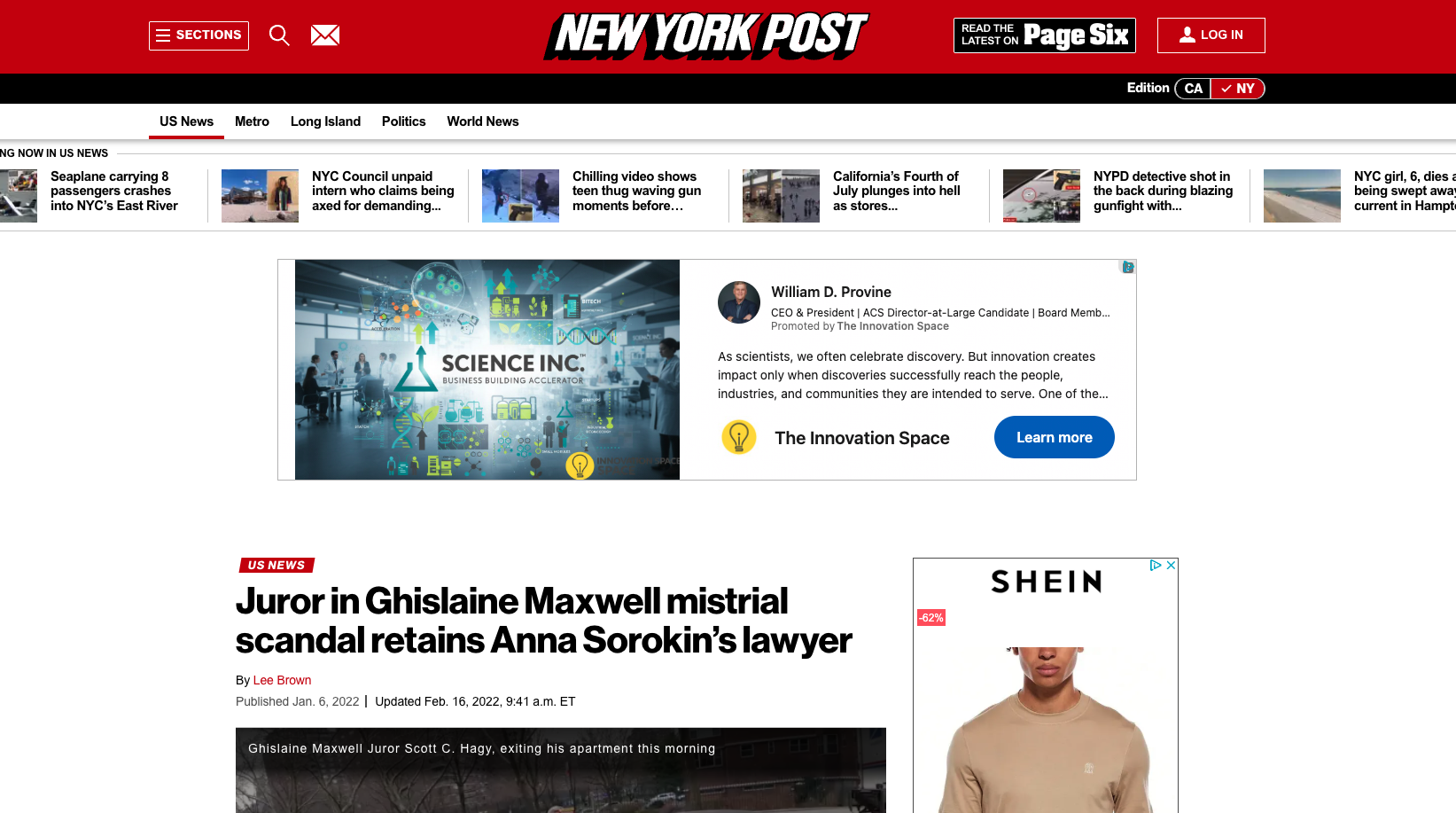
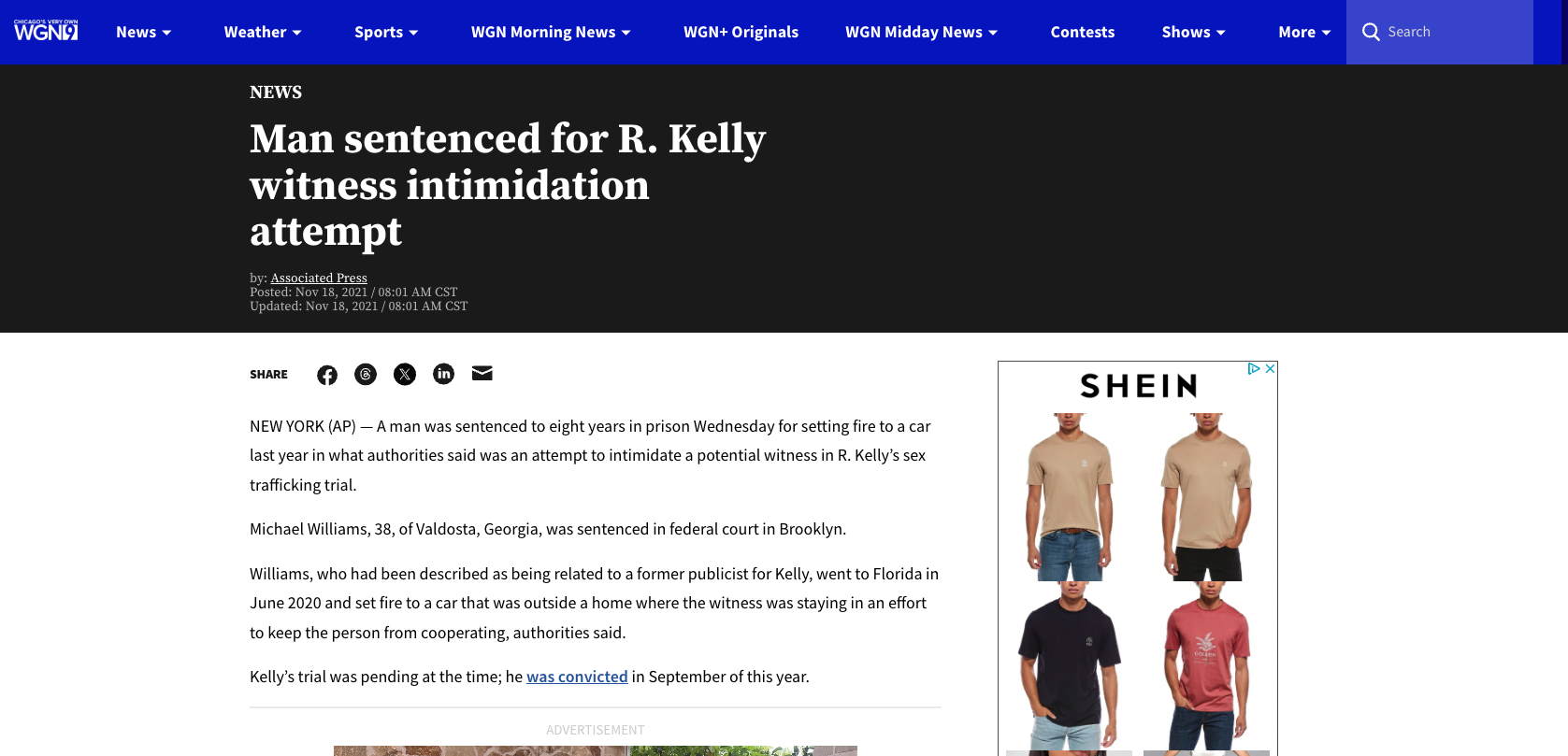
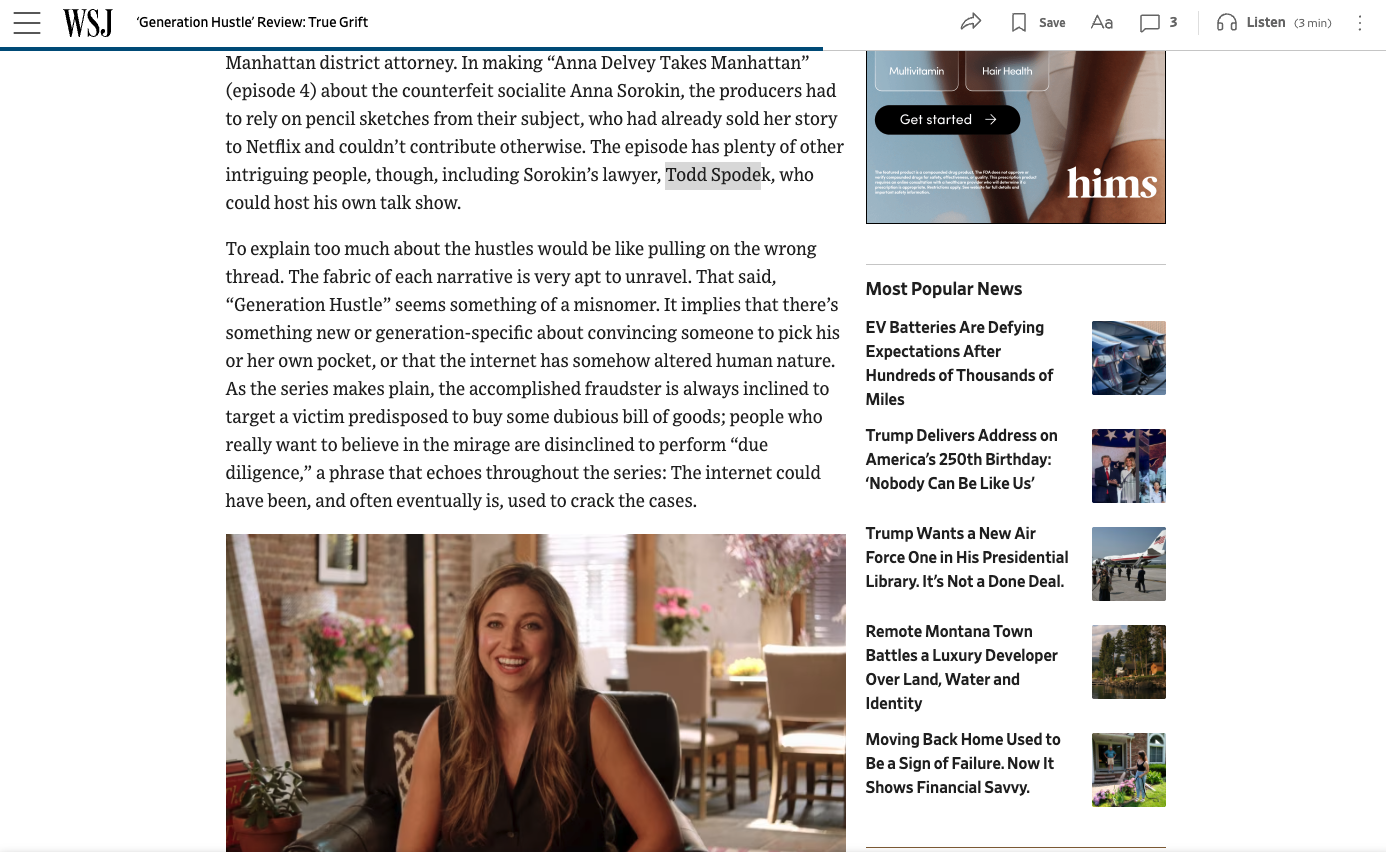

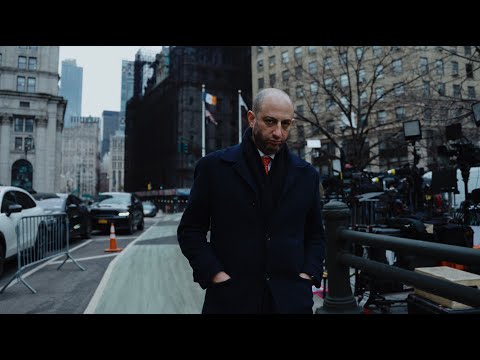

 ON AIR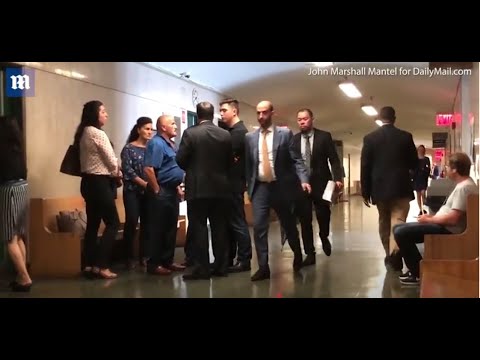
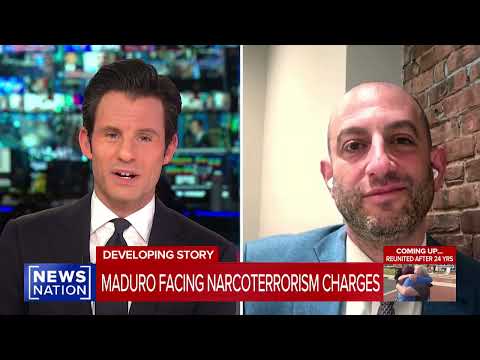
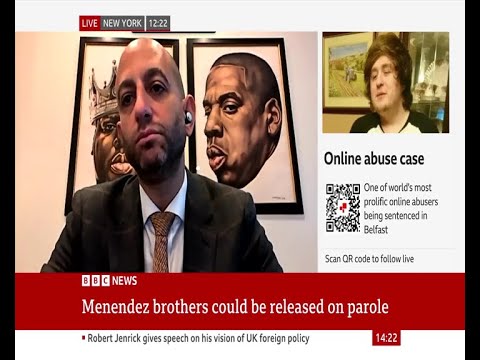
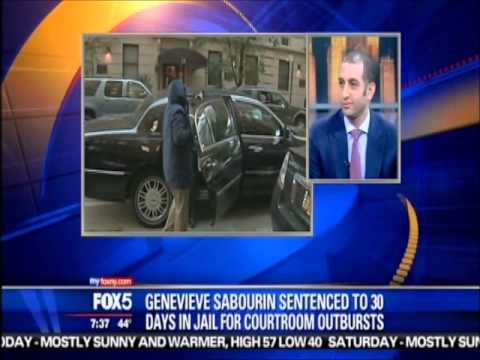

From the first call to the final order.
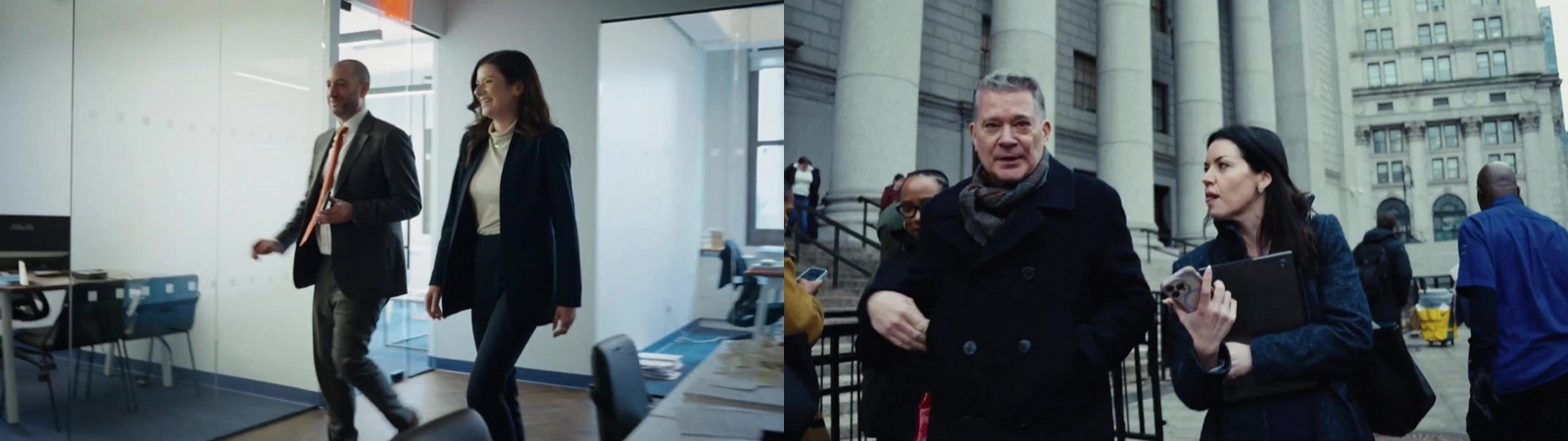
The bench.
ALL ATTORNEYS →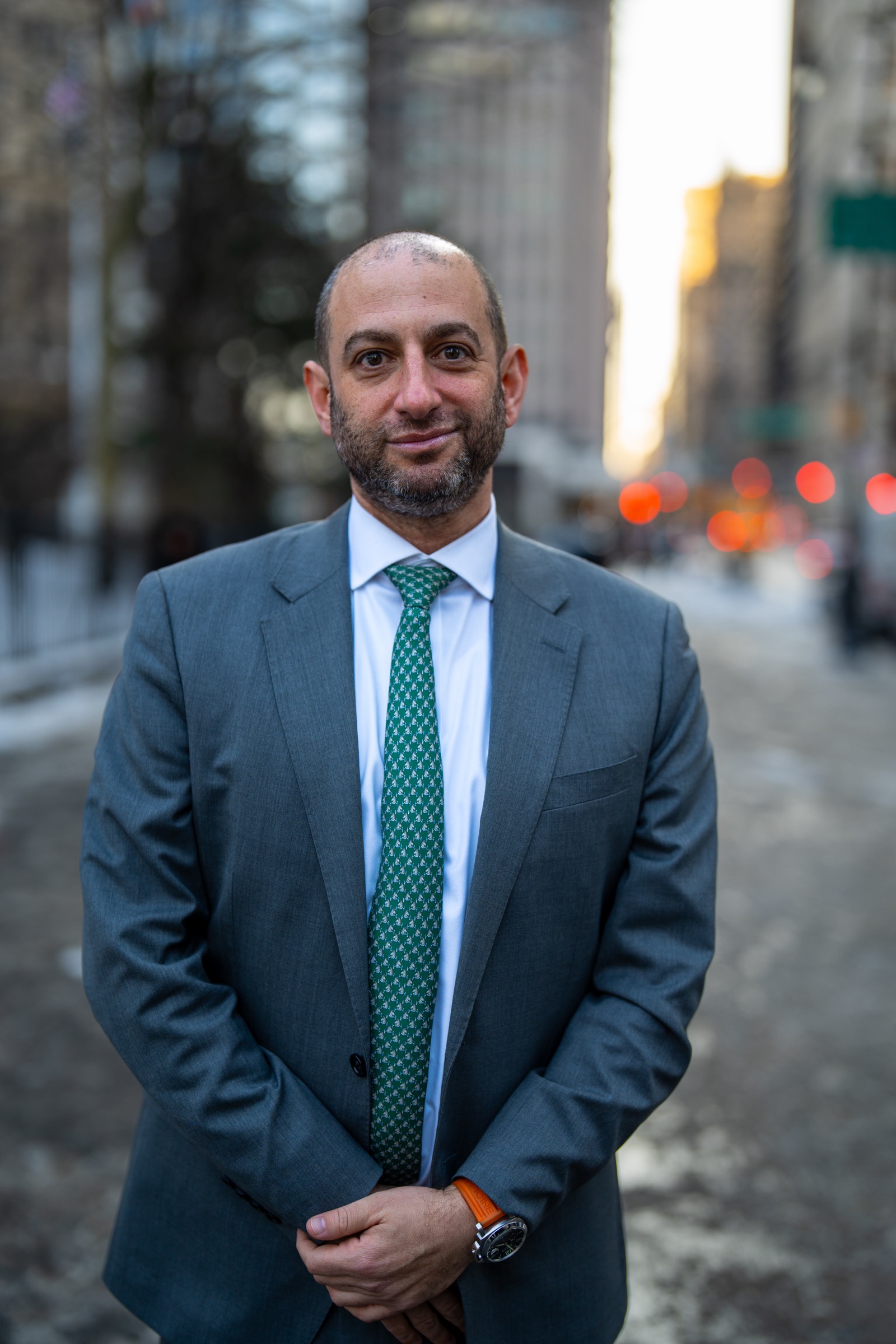
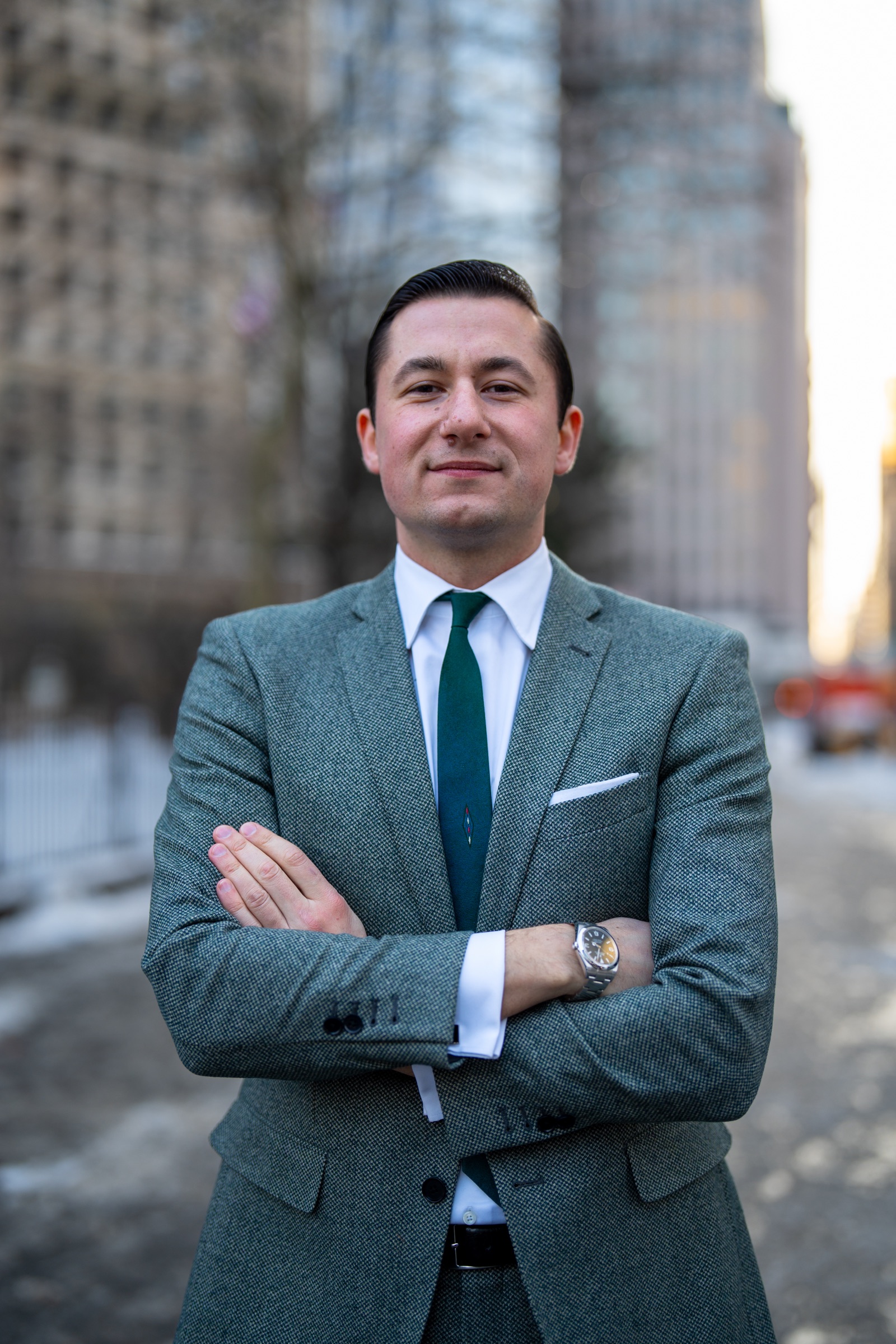
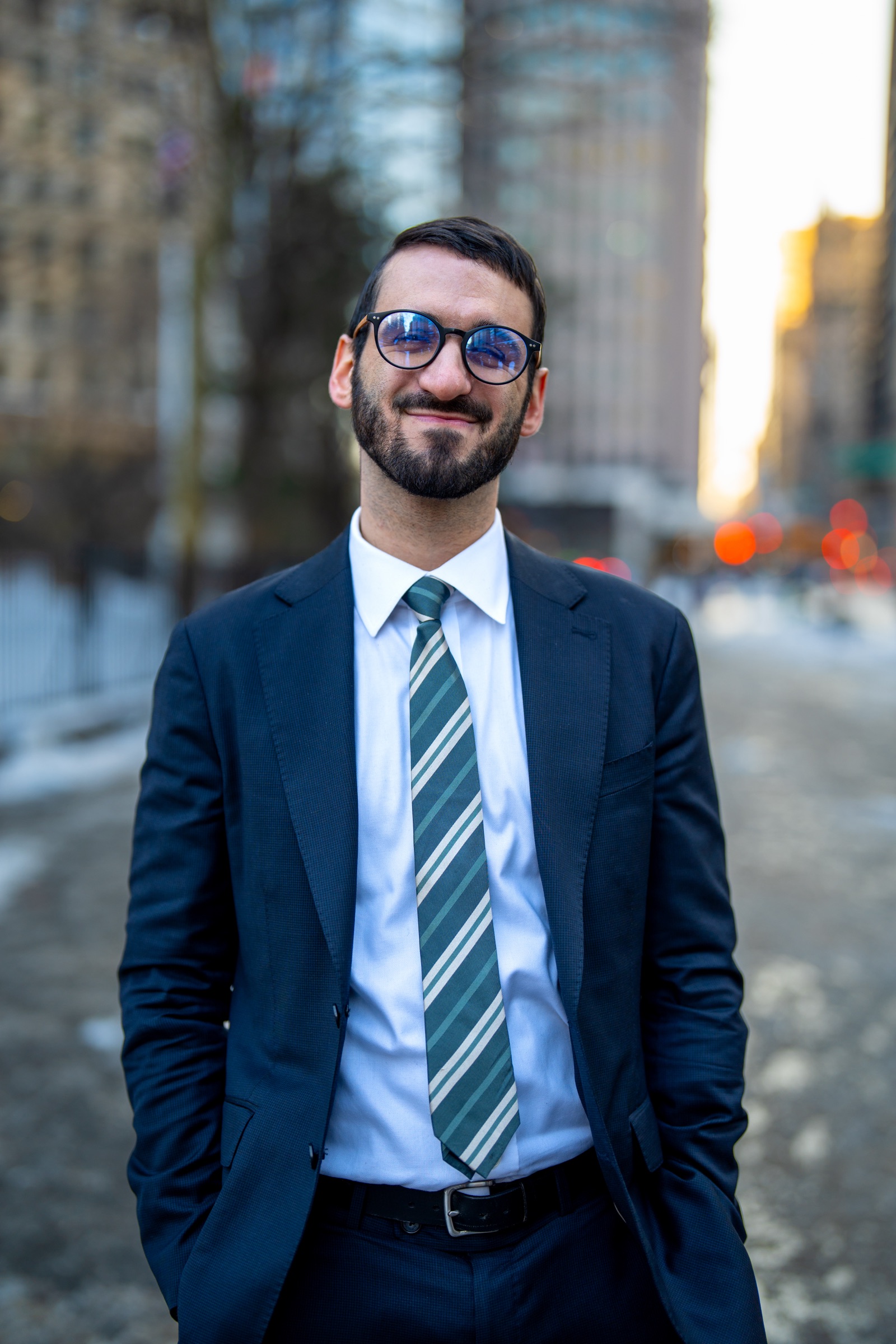
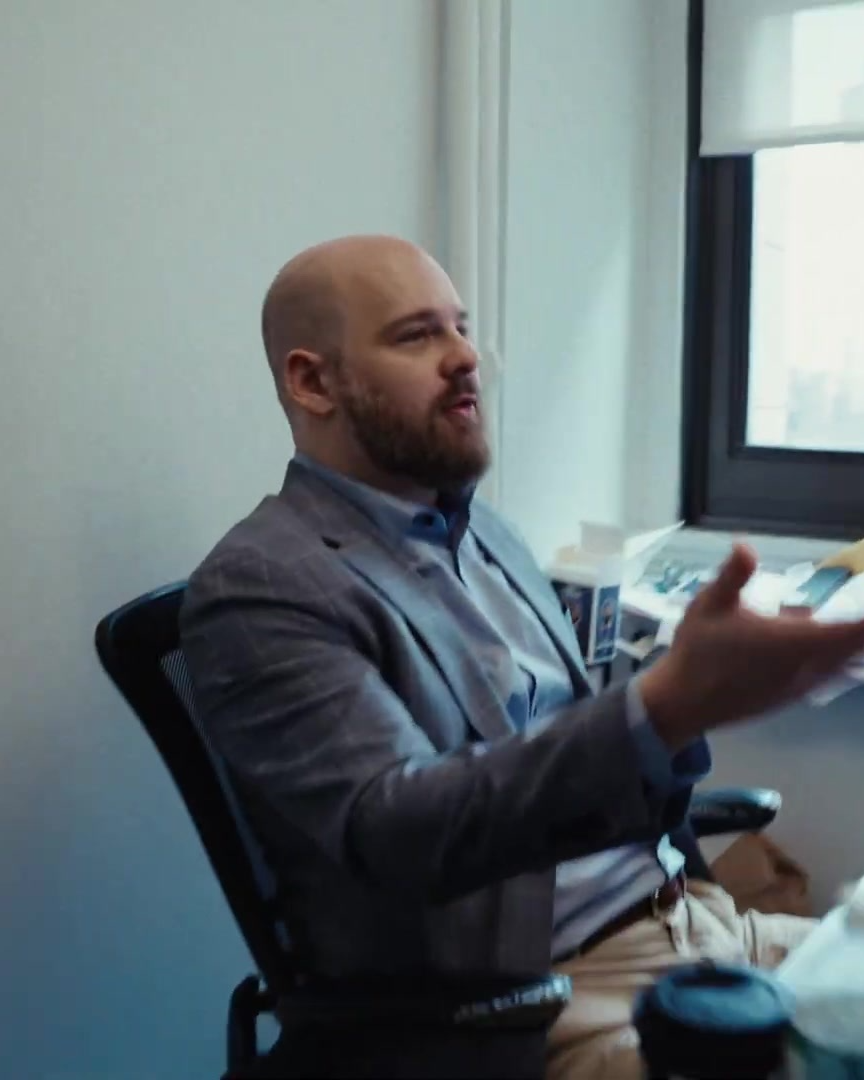
Ninety-four districts. One standard.
01 - WHO WE ARE
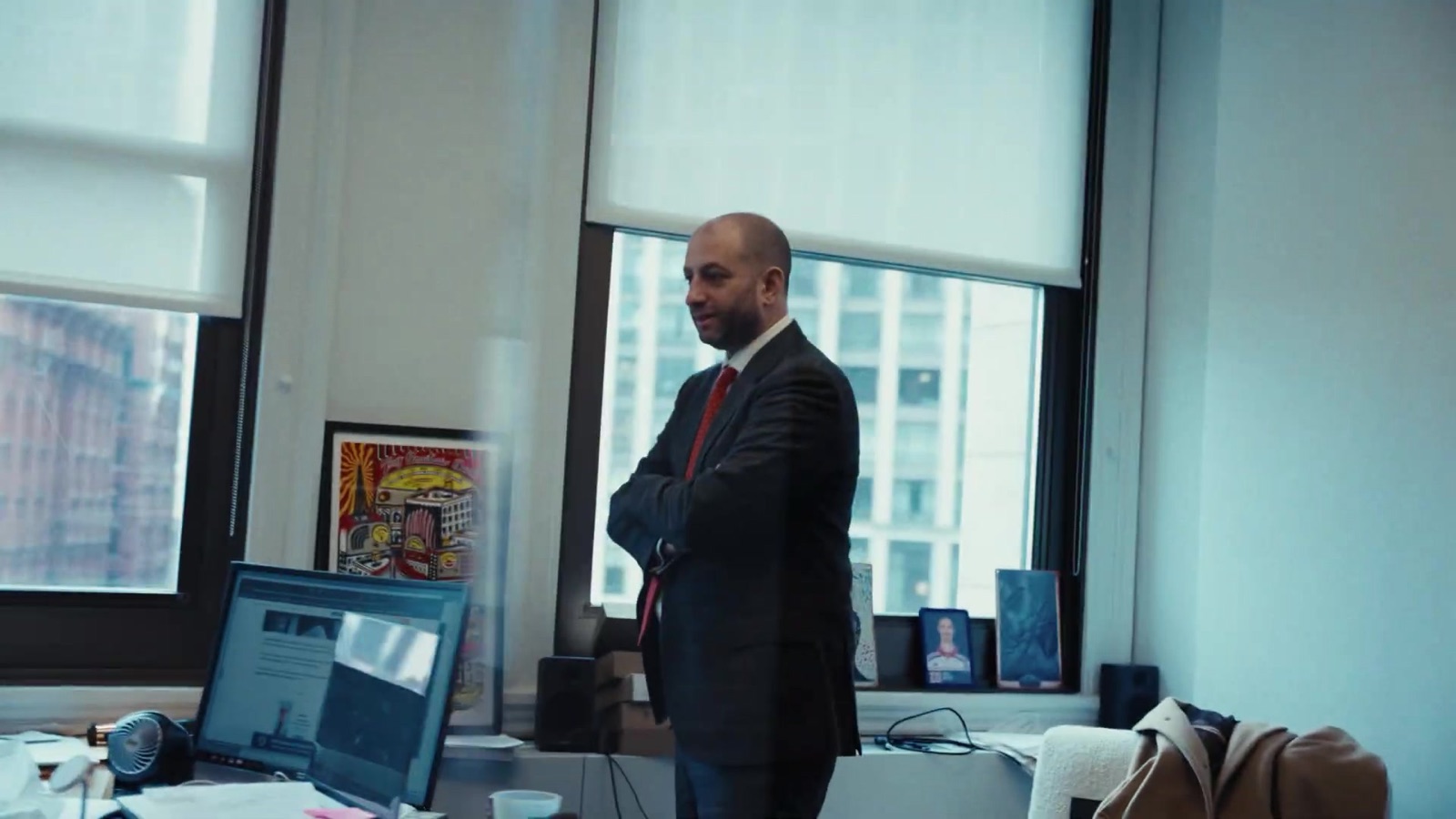
Federal defense lawyers for all 94 districts - over 50 years of combined experience.
The Spodek Law Group is an acclaimed law firm specializing in criminal defense, renowned for its provision of a fully digital portal. Through this portal, clients have the convenience of tracking the progress of their case, communicating with us, submitting documents, and accessing additional services. The Spodek Law Group is a law firm with a nationwide presence, serving clients from coast to coast. We possess extensive experience in handling cases across the country, and our dedicated attorneys are committed to providing you with top-notch representation no matter what your legal situation may be.
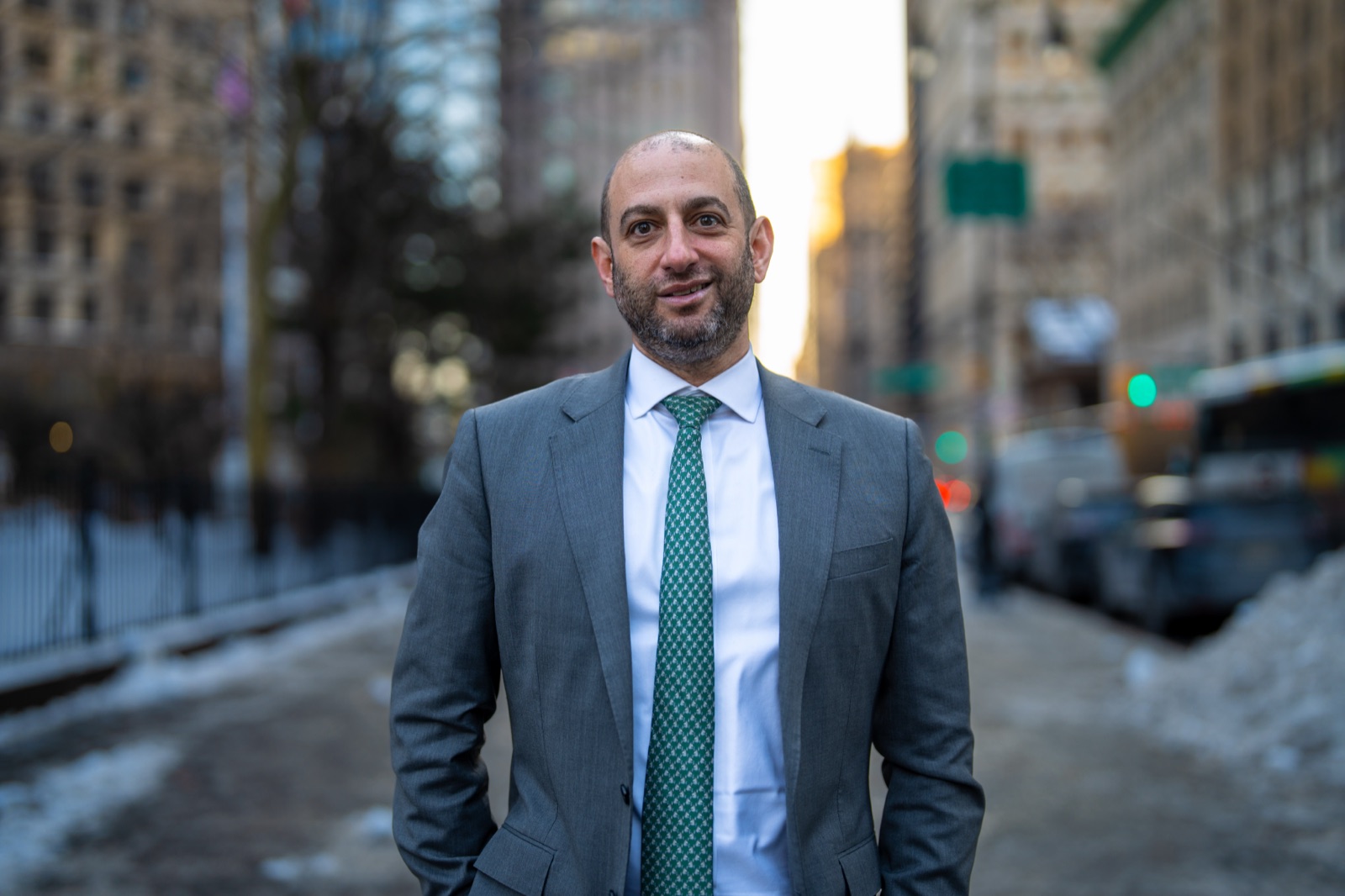
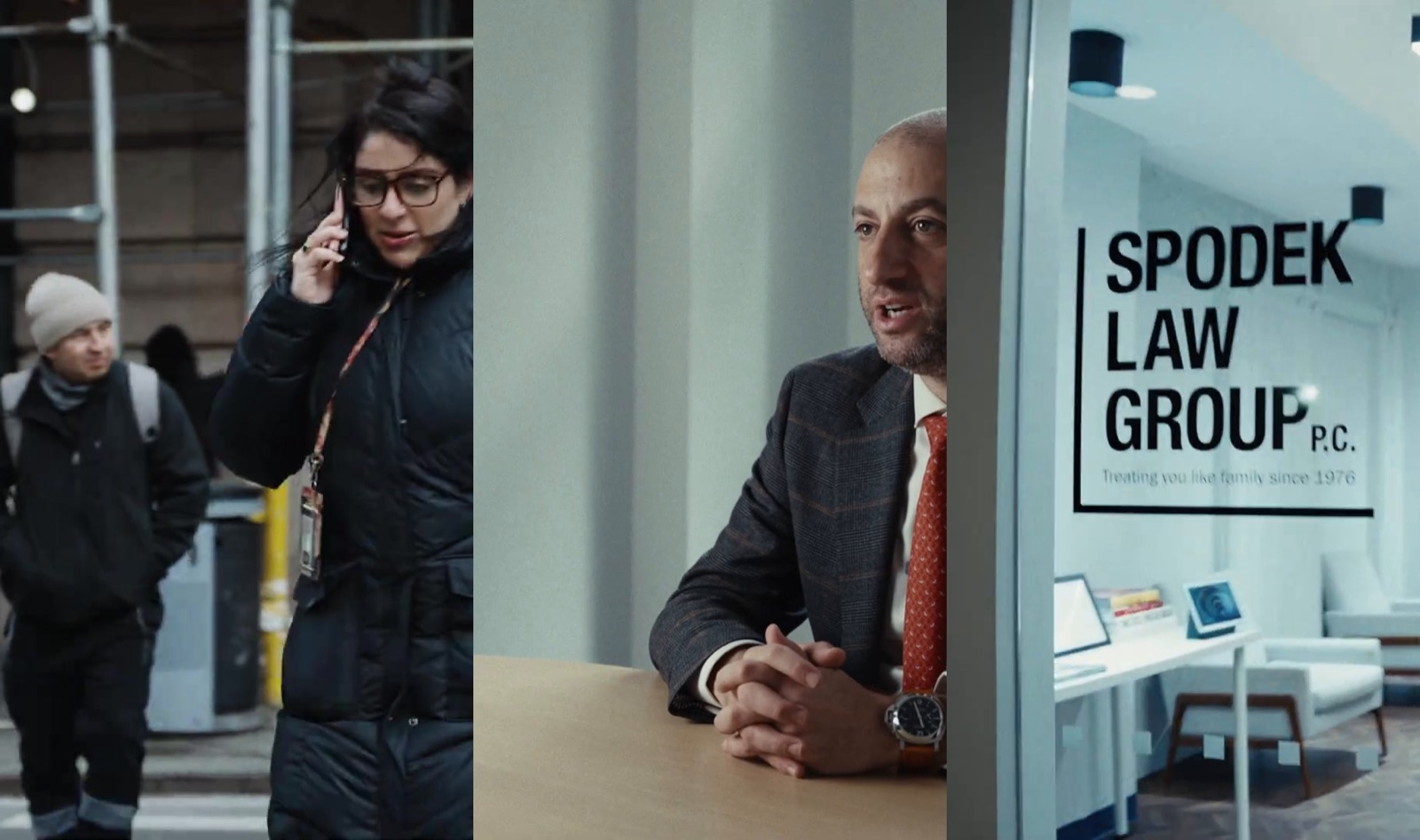
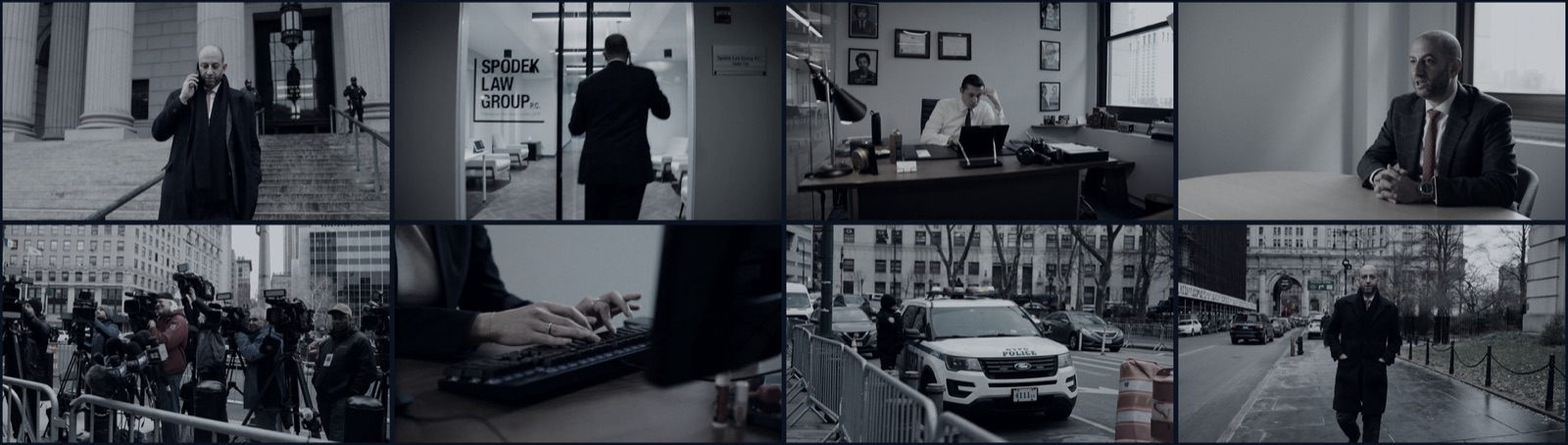
Todd Spodek, our founding partner, is a seasoned trial attorney with many years of experience. He is a second generation lawyer, and one who takes his work seriously. He has many years of experience handling hundreds of trials. He has been seen on major news outlets, ranging from New York Post, Newsweek, Fox 5 New York, South China Morning Post, Insider.com, to other major news outlets. He has appeared as a legal expert on dozens of television and radio shows. In 2022, Netflix released a series about one of Todd’s clients: Anna Delvey / Anna Sorokin.
It’s simple. Every single client deserves honesty and white glove service. Every single client should know what he, or she, potentially faces and what the outcome of their criminal defense case could be - before hiring a criminal defense attorney. Our lawyers have experience handling criminal defense cases nationwide, ranging from Los Angeles to NYC. Our philosophy is fair and simple - every single law firm should adhere to it - but most don’t. Most criminal defense attorneys will take on any client possible who can pay - regardless of whether they can help the client. Not us. We are selective about the number of clients we work with, and only work with clients who we can truly help. When you reach out to our law firm - the process begins with a risk free consultation in person, or over the phone. During this consultation - you can ask us anything - regardless of how long it takes. We encourage you to take this opportunity to ask the tough questions - which allow us to show you our understanding of the issue you’re facing. We are available to help you 24/7.
The Spodek Law Group understands each and every case is different. It’s hard to anticipate the prosecutors strategy - the great thing about hiring us is we’ve handled many types of criminal defense cases. Everything we do revolves around getting good results for our clients and understanding what they’re going through. If you’re accused of a crime, we offer a risk free consultation so you can understand the complexity of what you’re going through and get legal advice. The firm has over 50 years of combined experience and has helped clients nationwide. In addition, we partner with attorneys all over the country so you can work with us and get the help you need. Many attorneys refer us clients because they trust us to help their clients and friends. We don’t take a cookie-cutter approach to law - we work with our clients to help them understand the ramifications of the crime they’re accused of committing. Our #1 objective is to get charges dismissed.
The Spodek Law Group handles cases nationwide. We have offices in NYC and Los Angeles. Regardless of how tough your situation is - we are here to help you. Our criminal defense lawyers work hard to have a solution for you, irrespective of the situation you find yourself in. Many clients are often embarrassed by their situation, and don’t speak openly about their alleged issue. We encourage open dialogue, and recommend full transparency - so we can give you the best possible legal advice. Our federal defense attorneys understand that your future is on the line - and that’s why we’re here to help you and give you the best possible advice.
Expect scenario planning, not reassurance. Competent federal counsel should map every branch of your case - declination, plea structures, trial, sentencing ranges under each - and price the risk at every fork, in plain English. Expect to be told things you do not want to hear early, when they can still be fixed. When you hire Spodek Law Group, the hands-on work starts immediately: the same partners you meet in the consultation are the ones reading your discovery, calling the prosecutor, and standing next to you in court.
Say nothing, sign nothing, and retain counsel the same day - in that order. A target letter, a grand jury subpoena, or agents at the door means the investigation is already mature; the government does not introduce itself until its file is thick. Do not explain, do not consent to a search, do not call colleagues to compare notes - each of those becomes evidence. Then gather what exists: the letter or subpoena itself, any search inventory, the business records you can lawfully access, a timeline written while memory is fresh. Bring all of it to the first meeting and hold nothing back - privilege covers every word, and the strategy we draft that day is only as good as the facts it stands on.
Criminal cases handled by federal courts follow a different process than those handled by state courts. If the investigation results in enough evidence to make an arrest, the accused is brought into custody, interviewed, and then appears for an arraignment in front of a federal judge, who decides whether to grant bail and sets the conditions of release. That decision turns on the pretrial interview, the nature of the crime, the defendant’s history, and the other relevant information in the file - which is why counsel prepares for it before the arrest ever happens.

The federal criminal justice system can be overwhelming and intimidating. That’s where we can help. Our team of federal criminal defense attorneys has over 50 years of combined experience defending clients. Let us protect your rights while fighting for your freedom. You may not know how to defend against federal charges, but we do.
If you’re a suspect, or person of interest, in a federal crime - or you’ve already been charged - your future and freedom could be at risk. Authorities such as the FBI, DEA, Secret Service, and Homeland Security could be involved in the investigation against you, with resources far beyond local law enforcement: intercepted calls, surveillance, video evidence. Punishments are harsh - there are mandatory minimum sentences that absolutely cannot be negotiated. Federal cases take months or years to build, and agents are thorough and aggressive; if charges arrive, it means the U.S. Attorney’s office already believes it holds incriminating evidence. It’s crucial you don’t wait to seek legal representation - only an experienced federal criminal defense lawyer can build an aggressive enough defense.
The lawyer leading that work is Todd Spodek - second-generation, thousands of matters deep, and the analyst that NY Post, Newsweek, Fox 5, Business Insider, and Bloomberg put on the record when major prosecutions break. The country met the work in 2022, when Netflix built Inventing Anna around his defense of Anna Sorokin: a theory that reframed an alleged con as ambition inside a city whose elite runs on borrowed confidence - fake it till you make it, argued to a jury, on the record. The lesson for every federal client is the same one that trial taught: the government’s story is only a draft until the defense writes back.
The single highest-leverage decision in a federal case is made before the case begins: who defends it. Hire early - before the interview, before the grand jury date, before charges - because the options that exist pre-indictment never come back. Vet ruthlessly: ask any federal defense lawyer you interview how many federal matters they have actually handled, in which districts, and what happened. Fear is normal at this stage; paralysis is fatal. The record you should demand is the one this firm publishes - verdicts, dismissals, and sentences, dated and sourced.

Calling for someone you love.
The first voice on our line is usually not the person charged - it is a wife, a father, a brother, holding a phone at midnight. This desk exists for that call.
Pick your door.

Speak first with counsel.
Tell us where the case stands - target letter, grand jury subpoena, indictment, sentencing - and counsel responds within 24 hours, guaranteed. Some stories are better told out loud -
212 300 5196