





The grand jury is the constitutional gatekeeper between the government’s accusation and the defendant’s trial. It is also the investigative engine that assembles the evidence on which that accusation is based.
The Fifth Amendment requires that felony charges in federal court be initiated by grand jury indictment. No person may be tried for a serious federal offense unless a grand jury has reviewed the evidence and voted to indict. The grand jury’s purpose was to protect citizens from unfounded prosecutions by interposing an independent body between the government’s accusation and the trial. That protective function is real, though the grand jury’s practical independence from the prosecuting attorney’s direction is something practitioners who have appeared before one understand somewhat differently than constitutional theory suggests.
The Grand Jury’s Dual Function
The federal grand jury performs two functions simultaneously: it is an investigative body with sweeping authority to compel testimony and document production, and it is a charging body that votes on whether the evidence supports indictment. The investigative function is exercised throughout the grand jury’s term, which may extend for eighteen months and can be extended by court order. The charging function is exercised when the prosecutor presents assembled evidence to the grand jury and requests a vote on the proposed indictment.
In complex opioid investigations, the grand jury’s investigative function is the more significant one for most witnesses and targets. Grand jury subpoenas compel healthcare practitioners, pharmacists, pharmaceutical distributors, and others to produce documents and testify under oath about their knowledge of the conduct under investigation.
Who Appears Before the Grand Jury
Grand jury witnesses in opioid fraud investigations typically include patients who received controlled substance prescriptions from the target practitioner, former employees who observed the practice’s operations, pharmacists who filled or declined to fill the practitioner’s prescriptions, investigators who present summaries of prescribing data, and in some cases the target practitioner themselves, who are advised of their right not to testify.
Need Help With Your Case?
Don't face criminal charges alone. Our experienced defense attorneys are ready to fight for your rights and freedom.
- 100% Confidential
- Response Within 1 Hour
- No Obligation Consultation
Or call us directly:
(212) 300-5196A practitioner who receives a grand jury subpoena must determine, with counsel, whether they are being called as a witness, a subject, or a target. The distinction affects both legal obligations and strategic approach to the grand jury appearance. A target who appears without invoking the Fifth Amendment may provide testimony the government will use as evidence in the subsequent prosecution.
Grand Jury Secrecy
Federal Rule of Criminal Procedure 6(e) imposes a secrecy obligation on grand jury proceedings. Prosecutors, grand jurors, and court personnel may not disclose what occurred in the proceedings. The target has no right to review the evidence presented, to cross-examine witnesses who testified against them, or to present their own evidence before the vote. The one-sided character of the grand jury presentation is a structural feature, not an anomaly, and it is why the vote to indict requires only a majority of the grand jurors present rather than a finding beyond a reasonable doubt.
The grand jury that voted the indictment heard only what the government chose to present. It did not hear the clinical justifications for the prescriptions that are now charges. It did not hear from the patients whose pain was genuinely treated. It heard the government’s case, which is always the stronger case before the defense has had the opportunity to respond to it. The indictment is not the verdict. It is the accusation.
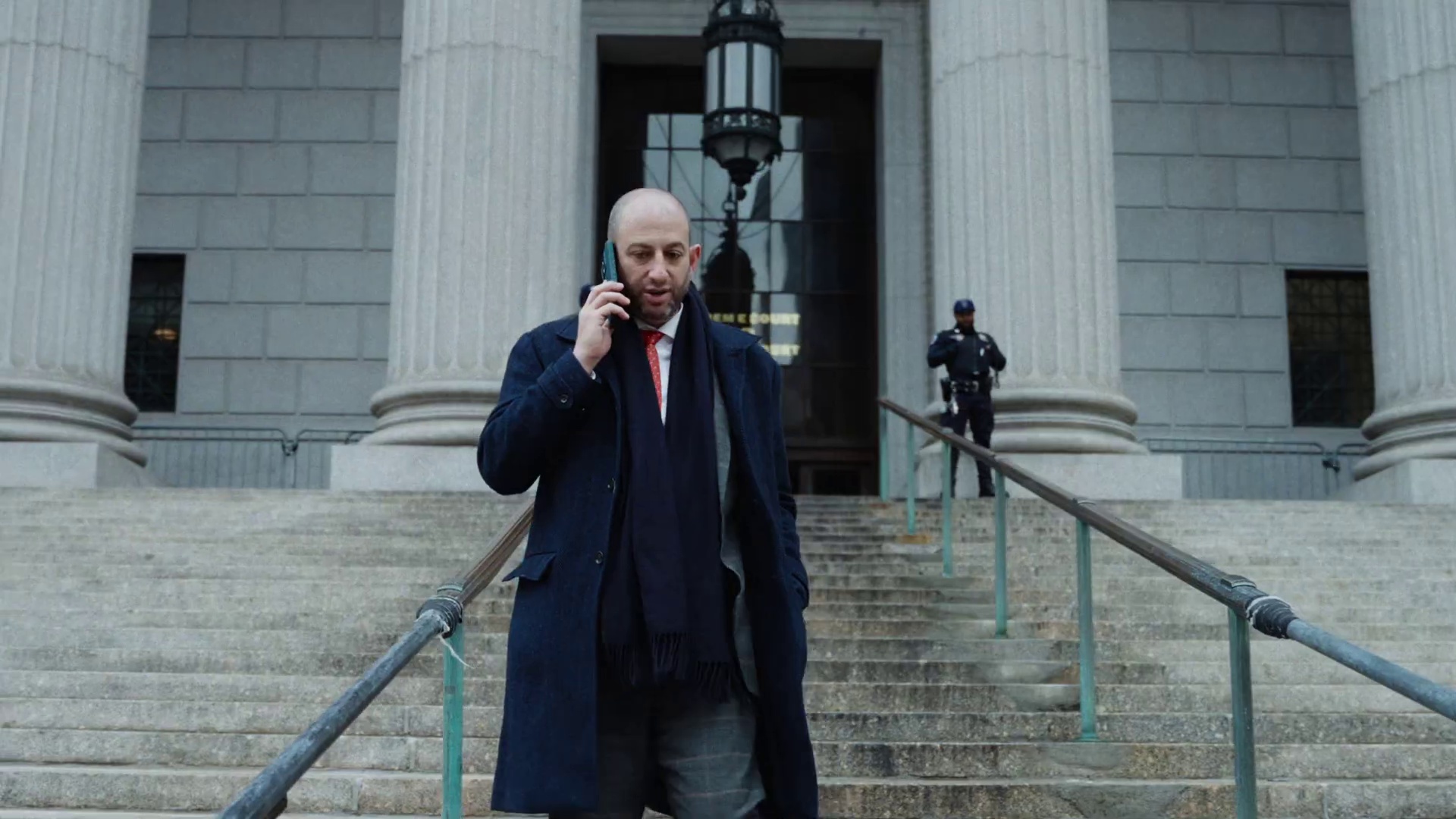
Todd Spodek
Lead Attorney & Founder
Featured on Netflix's "Inventing Anna," Todd Spodek brings decades of high-stakes criminal defense experience. His aggressive approach has secured dismissals and acquittals in cases others deemed unwinnable.
After the Grand Jury Votes
When the grand jury votes to indict, the indictment is returned and, in most cases, immediately sealed pending arrest or voluntary surrender. Counsel who has been monitoring the grand jury investigation and who is in communication with the prosecuting attorney’s office is typically able to arrange voluntary surrender before the arrest warrant is executed.

A federal agent calls you and says they "just want to ask a few questions" about a business transaction.
Is it safe to talk to them informally?
There is no such thing as an informal conversation with a federal agent. Under 18 U.S.C. 1001, making any false statement to a federal agent is a felony, even without being under oath. Always consult an attorney before speaking with investigators.
This is general information only. Contact us for advice specific to your situation.
The practitioner who is represented by counsel who has established communication with the government is the practitioner most likely to learn of the indictment before the arrest warrant reaches them, and to arrange the voluntary surrender that avoids the more disruptive warrant execution.