






They may be doing so already.
The DEA’s investigative authority includes the authority to conduct consensual monitoring of conversations, to apply for court-authorized wiretaps under Title III of the Omnibus Crime Control and Safe Streets Act, and to use confidential informants who record conversations with the DEA’s knowledge but without the practitioner’s knowledge. Each of these techniques is employed in opioid fraud investigations with sufficient regularity that the practitioner who assumes their conversations are not being recorded is making an assumption that the evidence in completed cases does not consistently support.
Consensual Monitoring
The most commonly employed recording technique in DEA opioid investigations is consensual monitoring: a recording made by one party to the conversation with the knowledge of law enforcement but without the knowledge of the other party. Under federal law and the law of most states, recording a conversation with the consent of one party is lawful. The DEA may instruct a patient, a former employee, or any other cooperating person to record their conversations with the target practitioner.
A cooperating patient who continues to visit the practice while recording conversations with the physician is a patient the practitioner has no reason to identify as a cooperating source. The recording may capture the physician’s prescribing rationale, their response to specific patient requests, their statements about the controlled substances being prescribed, and any other statements made in the clinical encounter. None of those statements were made in a formal proceeding. All of them are admissible as evidence in a subsequent criminal prosecution.
Need Help With Your Case?
Don't face criminal charges alone. Our experienced defense attorneys are ready to fight for your rights and freedom.
- 100% Confidential
- Response Within 1 Hour
- No Obligation Consultation
Or call us directly:
(212) 300-5196Court-Authorized Wiretaps
Title III of the Omnibus Crime Control and Safe Streets Act authorizes federal courts to approve the interception of wire, oral, and electronic communications in connection with serious criminal investigations. Wiretaps in healthcare opioid investigations are less common than in drug trafficking investigations, because the documentary record of prescribing provides substantial evidence that does not require intercepted communications. But in cases where the government is seeking to establish conspiratorial relationships among multiple practitioners or between practitioners and pharmacies, wiretap evidence can be among the most powerful available.
Undercover Operations
The DEA’s use of undercover agents who present as patients seeking controlled substance prescriptions is a well-documented investigative technique in pill mill cases. An undercover agent who visits a practice, presents with fabricated symptoms, and obtains a controlled substance prescription without a legitimate examination has documented that the practitioner issued a prescription without the clinical basis required by the Controlled Substances Act. The recorded encounter constitutes direct evidence of prescribing outside the usual course of professional practice.
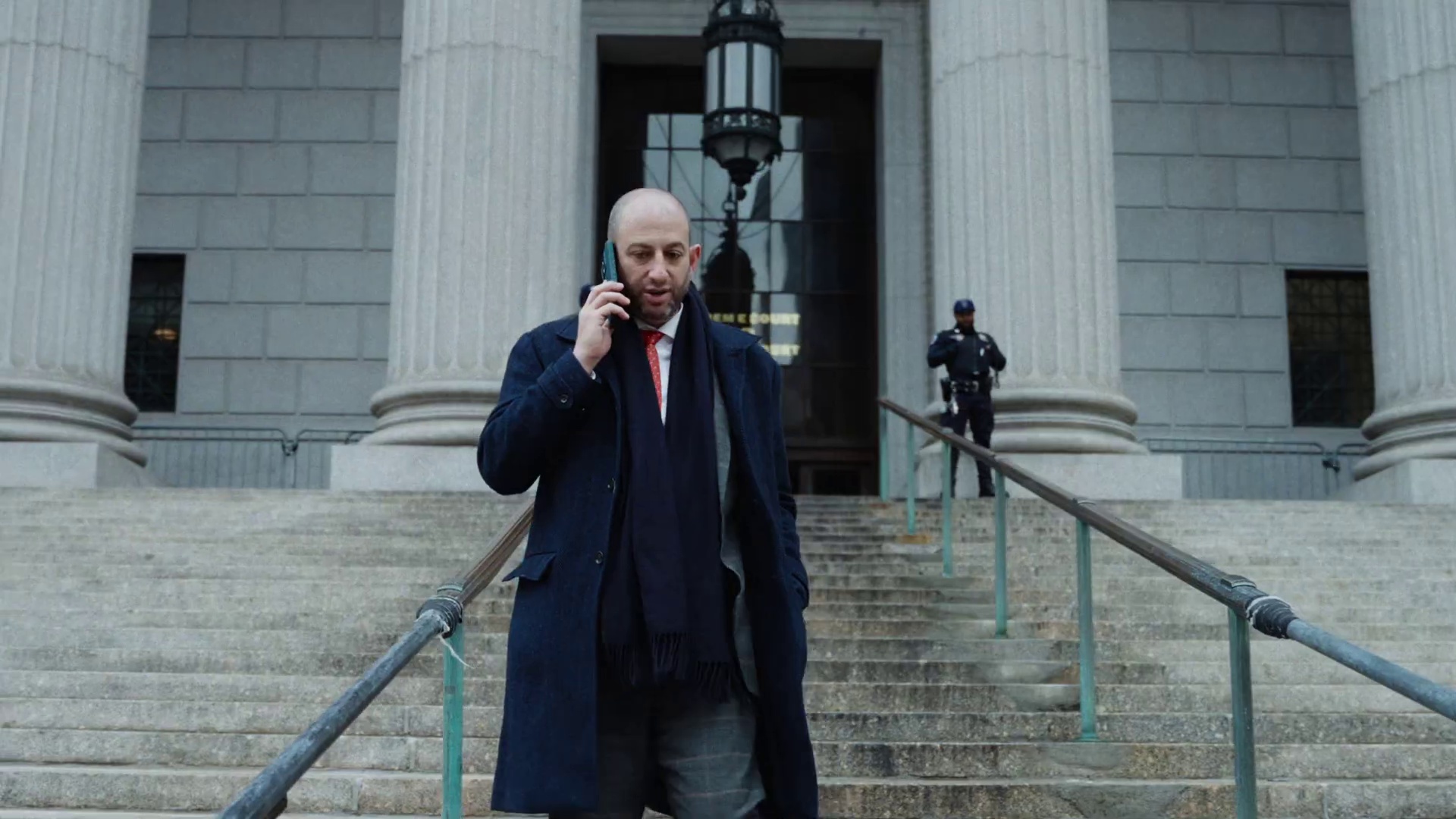
Todd Spodek
Lead Attorney & Founder
Featured on Netflix's "Inventing Anna," Todd Spodek brings decades of high-stakes criminal defense experience. His aggressive approach has secured dismissals and acquittals in cases others deemed unwinnable.
The practitioner who assumes that conversations occurring in the privacy of the examination room, on the telephone with patients, or in communications with pharmacy contacts are not being monitored is a practitioner who has underestimated the DEA’s investigative reach. The most damaging evidence in opioid fraud prosecutions has not always come from documents. It has come from the practitioner’s own words, recorded in contexts the practitioner believed were private.

Federal agents execute a search warrant at your medical practice, seizing patient records and prescription logs.
Can they take patient records without patient consent?
A valid federal search warrant overrides HIPAA privacy protections. However, the warrant must be properly scoped. An attorney can challenge overly broad warrants and move to suppress improperly seized evidence.
This is general information only. Contact us for advice specific to your situation.
What This Means Practically
The possibility that conversations are being recorded has practical implications for practitioners under investigation. Statements made to patients, to pharmacy contacts, to former employees, and to any other person connected to the practice’s controlled substance prescribing should be understood to potentially be recorded and potentially to be evidence. This does not mean a practitioner should stop conducting normal clinical practice. It means that statements made in those encounters should reflect genuine clinical judgment, should be consistent with the records being created contemporaneously, and should not include any characterization of the practice’s prescribing that would be inconsistent with the practitioner’s legal position.