





Veterinarians hold DEA registrations. DEA registrations authorize the prescribing of controlled substances. Controlled substances have been diverted through the veterinary channel in sufficient volume to attract enforcement attention that veterinarians, as a profession, did not anticipate.
The investigation of veterinarians by the DEA’s Diversion Control Division is not a recent development, but it has intensified in the current opioid enforcement environment as the agency has expanded its enforcement beyond the most visible human healthcare practitioners to address every point in the controlled substance supply chain where diversion is occurring or may occur. Veterinarians are DEA registrants subject to the same regulatory framework as physicians, and the DEA’s authority over their controlled substance prescribing is the same authority it exercises over every other registered practitioner.
How Veterinary Diversion Occurs
Controlled substance diversion through the veterinary channel takes several forms. The most common involves the issuance of prescriptions for controlled substances, typically opioids or ketamine, without a legitimate veterinary-patient-client relationship, to individuals who intend to use the substances for human consumption or to resell them. A veterinarian who writes prescriptions for controlled substances at the request of individuals who do not present animals for examination, who presents fabricated or nonexistent animals as the basis for controlled substance prescriptions, or who issues prescriptions in quantities inconsistent with any legitimate veterinary therapeutic need is prescribing outside the usual course of veterinary professional practice in exactly the same manner a physician might prescribe outside the usual course of medical practice.
A second form of veterinary diversion involves the theft or misappropriation of controlled substances from veterinary clinic stocks. Veterinary practices maintain controlled substance inventories that include ketamine, opioids, and other substances, and clinic employees who access those inventories for purposes other than legitimate veterinary care have diverted controlled substances from the registered facility. The DEA’s inspection authority over veterinary registrants includes the authority to audit controlled substance inventories and to identify discrepancies between the substances on hand and the records of acquisition and dispensing.
The Ketamine Connection
Ketamine is a Schedule III controlled substance with legitimate veterinary applications as an anesthetic for animals and with significant abuse potential as a dissociative hallucinogen in human recreational use. The veterinary profession’s legitimate access to ketamine has made it a target of diversion investigations, because ketamine diverted from veterinary sources is accessible in quantities that street-level supply chains do not consistently provide.
Veterinary practices that maintain ketamine inventories with inadequate security controls, that fail to maintain accurate dispensing records, or that employ individuals who access ketamine for non-veterinary purposes are practices whose DEA registration subjects them to the full range of the DEA’s enforcement authority. Discrepancies between acquired quantities and dispensed quantities that the veterinary practice’s records cannot explain are the accounting evidence on which diversion investigations are built.
Need Help With Your Case?
Don't face criminal charges alone. Our experienced defense attorneys are ready to fight for your rights and freedom.
- 100% Confidential
- Response Within 1 Hour
- No Obligation Consultation
Or call us directly:
(212) 300-5196The Veterinary-Client-Patient Relationship Standard
Federal and state law requires that a controlled substance prescription by a veterinarian be issued within the context of a veterinarian-client-patient relationship. The VCPR requires that the veterinarian has assumed responsibility for making clinical judgments about the patient’s health and the need for medical treatment, that the client has agreed to follow the veterinarian’s instructions, and that the veterinarian has sufficient knowledge of the patient to initiate at least a general or preliminary diagnosis of the medical condition of the animal.
A controlled substance prescription issued without a VCPR, for an animal the veterinarian has not examined, or based on information the veterinarian did not independently verify, is a prescription outside the usual course of veterinary professional practice. The DEA applies this standard in its investigations of veterinary controlled substance prescribing in the same manner it applies the usual course of medical practice standard to physician prescribing.
The veterinarian who receives a visit from a DEA diversion investigator may not immediately recognize the investigation’s scope. The visit may be characterized as a routine compliance inspection. It may involve questions about specific prescriptions that the investigator presents as administrative clarification. The practitioner who answers those questions without counsel present has answered them under the same conditions as a physician who speaks to DEA agents without representation, and the consequences of inaccurate or inconsistent responses are the same.

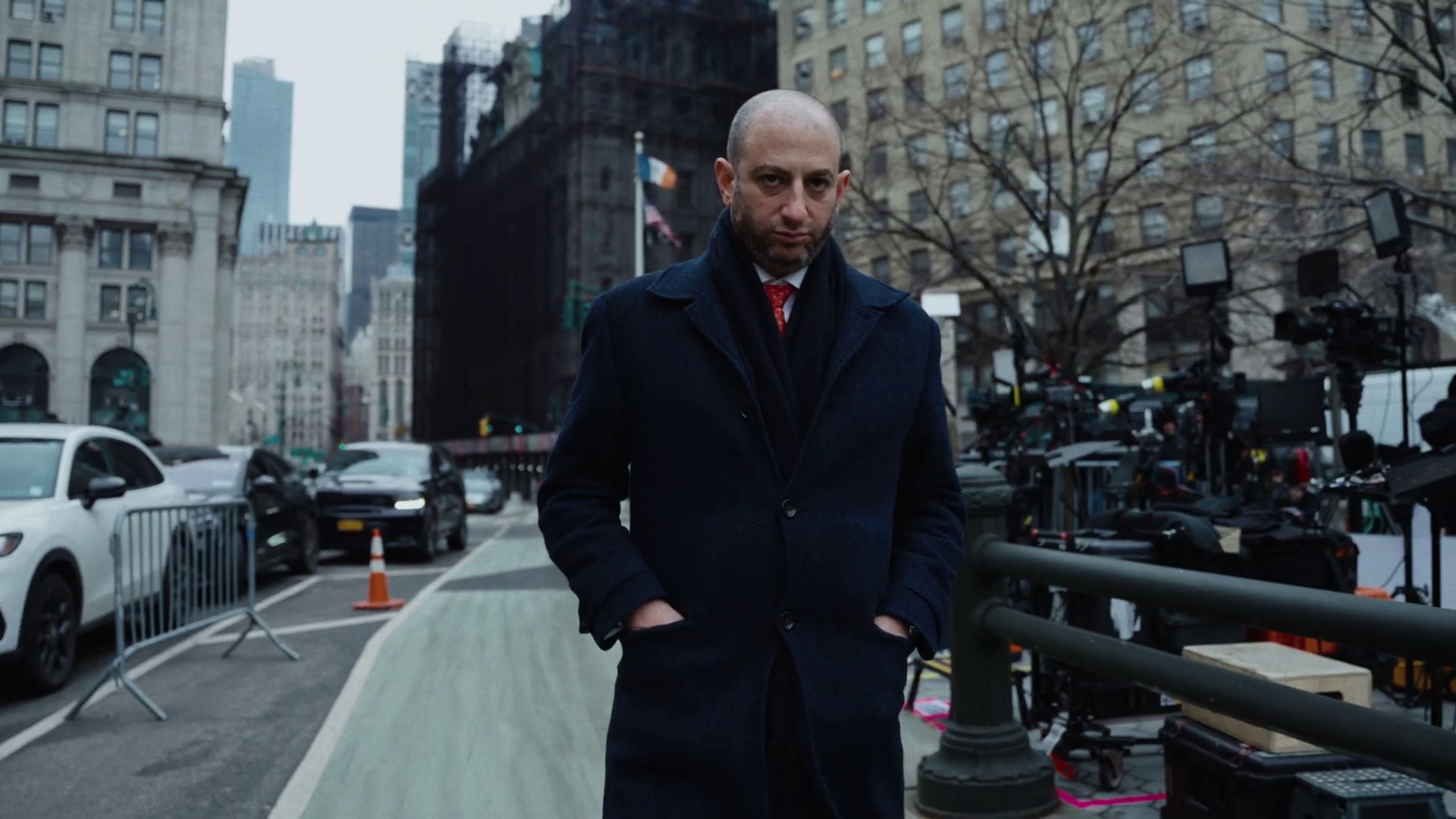
Todd Spodek
Lead Attorney & Founder
Featured on Netflix's "Inventing Anna," Todd Spodek brings decades of high-stakes criminal defense experience. His aggressive approach has secured dismissals and acquittals in cases others deemed unwinnable.
Recent Enforcement Actions
DEA enforcement actions against veterinarians have included criminal prosecutions of practitioners who issued controlled substance prescriptions without legitimate veterinary-patient relationships, administrative proceedings to revoke DEA registrations based on prescribing outside the usual course of professional practice, and civil investigations of veterinary practices whose controlled substance inventory records reflected unexplained discrepancies.
Federal agents execute a search warrant at your medical practice, seizing patient records and prescription logs.
Can they take patient records without patient consent?
A valid federal search warrant overrides HIPAA privacy protections. However, the warrant must be properly scoped. An attorney can challenge overly broad warrants and move to suppress improperly seized evidence.
This is general information only. Contact us for advice specific to your situation.
The prosecutions that have received the most attention involve veterinarians who issued opioid prescriptions under the names of animals that did not exist or whose medical conditions did not require the prescribed substances, often at the request of individuals who paid cash and who used the veterinary prescriptions to obtain opioids for human consumption. Those cases present straightforward evidence of prescription fraud and diversion. The more difficult cases involve veterinarians who maintained records of animal examinations but whose prescribing patterns suggest that the records did not reflect genuine clinical assessments.
Veterinarians who hold DEA registrations, who maintain controlled substance inventories, or who have been contacted by DEA diversion investigators should recognize that their regulatory relationship with the DEA creates the same exposure that physicians face and should respond with the same level of legal caution. The consultation available to a practitioner in the early stages of a DEA inquiry is a different consultation than the one available after the matter has matured into a criminal investigation.
