






A physician is not liable for every harmful thing a patient does with their prescription. The physician who prescribes a controlled substance to a patient who subsequently misuses it has not automatically committed a crime or a tort. The law does not impose absolute liability on prescribers for the downstream consequences of every prescription they issue.
What the law does impose is a duty of clinical judgment: the obligation to prescribe for legitimate medical purposes within the usual course of professional practice, to monitor for signs that the therapeutic purpose is not being served, and to respond to those signs through documented clinical decisions. Liability for patient misconduct arises when the prescriber’s conduct crosses from the legitimate exercise of that judgment into something that falls outside its scope.
Criminal Liability and the Knowledge Standard
Criminal liability for a controlled substance prescription that is misused by the patient requires proof that the prescriber issued the prescription knowing that it was not for a legitimate medical purpose. The Supreme Court’s Ruan decision reinforces the subjective character of this standard: the prescriber who genuinely believed the prescription was clinically appropriate, and whose records support that belief, has a defense to the criminal charge regardless of what the patient subsequently did with the medication.
The prescriber becomes criminally liable when they knew, or when the circumstances were such that they could not have failed to know, that the prescription was not for therapeutic use. The patient who presents obvious signs of intoxication at the clinical encounter, who immediately requests the specific medication by name and by dose without describing any clinical symptoms, and whose PDMP record shows that they are receiving the same prescription from three other providers is a patient whose therapeutic purpose the prescriber cannot plausibly claim to have believed in.
Civil Liability and the Foreseeability Standard
Civil liability for patient misconduct with a prescription operates on a different standard than criminal liability. A prescriber may face civil liability for a patient’s overdose or other prescription-related harm if the harm was a foreseeable consequence of the prescribing and if the prescribing fell below the standard of care applicable to the specialty.
Need Help With Your Case?
Don't face criminal charges alone. Our experienced defense attorneys are ready to fight for your rights and freedom.
- 100% Confidential
- Response Within 1 Hour
- No Obligation Consultation
Or call us directly:
(212) 300-5196Foreseeability is assessed against the information available to the prescriber at the time of prescribing. A patient whose PDMP record showed multiple concurrent opioid prescriptions, whose prior treatment records reflected multiple prior addiction treatment episodes, and whose behavior at the clinical encounter reflected drug-seeking patterns was a patient whose overdose was foreseeable if the prescriber continued prescribing without addressing those indicators. The standard of care requires the prescriber to assess and respond to foreseeable risks, not merely to diagnose and prescribe.
The Supervision and Monitoring Obligation
A practitioner who initiates opioid therapy and then fails to maintain any monitoring of the patient’s compliance, substance use, or response to therapy has delegated the ongoing responsibility for the prescribing to an administrative refill process rather than a clinical monitoring relationship. The practitioner who prescribes at the initiation of therapy and refills indefinitely without reassessment has not fulfilled the ongoing monitoring obligation that legitimate opioid therapy requires.
When a patient who is on long-term opioid therapy without monitoring suffers an overdose or other serious harm, the question of what monitoring would have revealed, and whether a monitoring protocol would have identified the risk that produced the harm, is the question that civil liability analysis addresses. The answer to that question depends on the patient’s clinical history, the prescribing pattern, and the specific harm that occurred.
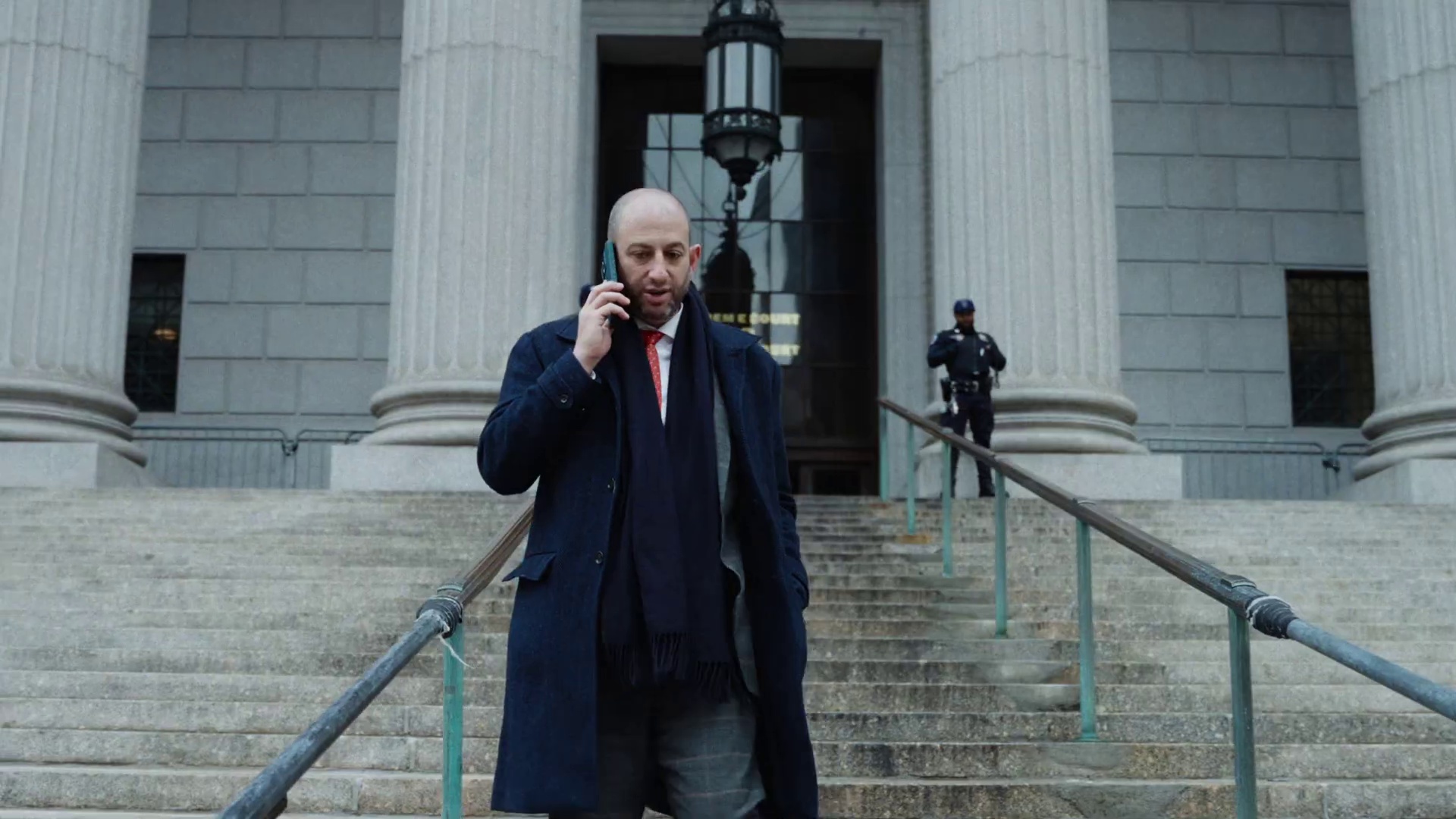
Todd Spodek
Lead Attorney & Founder
Featured on Netflix's "Inventing Anna," Todd Spodek brings decades of high-stakes criminal defense experience. His aggressive approach has secured dismissals and acquittals in cases others deemed unwinnable.
The physician who can demonstrate, through the clinical record, that they exercised reasonable professional judgment at each prescribing decision point, that they monitored for the foreseeable risks the prescribing created, and that they responded to identified risk indicators through documented clinical decisions has fulfilled the duty that the law imposes. The patient’s misconduct with the prescription, against that background, is the patient’s responsibility rather than the physician’s. The physician who cannot demonstrate any of those things has not fulfilled the duty.

Federal agents execute a search warrant at your medical practice, seizing patient records and prescription logs.
Can they take patient records without patient consent?
A valid federal search warrant overrides HIPAA privacy protections. However, the warrant must be properly scoped. An attorney can challenge overly broad warrants and move to suppress improperly seized evidence.
This is general information only. Contact us for advice specific to your situation.
The Prescription as the Beginning, Not the End
The practitioner who understands that issuing a controlled substance prescription is the beginning of a monitoring obligation rather than the end of a clinical transaction is the practitioner whose records most reliably support the defense that the prescribing was conducted within the usual course of professional practice. The prescription initiates a therapeutic relationship whose progress the practitioner is responsible for tracking, whose risks the practitioner is responsible for managing, and whose continuation the practitioner is responsible for clinically reassessing at each subsequent encounter. The clinical record that documents that ongoing process is the record that addresses the liability question most effectively.