What to Look for in a Federal Defense Attorney
Federal criminal defense is a specialty. Not every criminal defense lawyer practices it, and not every lawyer who practices it practices it with equivalent experience.
The lawyer who handled your business litigation, the attorney who managed your divorce, and the criminal defense practitioner who resolves state misdemeanor matters are each qualified in their respective domains. None of that qualification extends to federal criminal defense in the way the referral chain sometimes implies. Federal criminal defense requires specific experience in a specific forum, with specific rules, specific prosecutors, and a specific sentencing framework that bears little resemblance to its state counterpart. The selection of counsel in a federal matter should reflect that specificity.
Federal Court Experience
The first and most important criterion is whether the attorney has substantial experience representing clients in federal criminal cases in the relevant district. Federal criminal defense is a practice that develops through repeated engagement with the forum: familiarity with the local rules, the practices of the assigned judge, the culture of the prosecuting office, and the standards of the district’s sentencing practices. An attorney who has tried five federal jury trials in the Southern District of New York and negotiated twenty federal plea agreements in that district has knowledge of the forum that a practitioner with comparable state experience does not possess.
The question to ask is not whether the attorney has handled federal cases generally, but how many cases, in what capacities, in which districts, and with what outcomes. An attorney who is reluctant to provide specific answers to those questions, or who characterizes their federal experience in terms that are vague or difficult to verify, may have less of it than the question implies.
Subject Matter Experience
Beyond general federal criminal experience, the subject matter of the specific case matters. Federal criminal defense encompasses a range of practice areas, from drug trafficking defense to white-collar fraud, from public corruption to securities violations, from healthcare fraud to FCPA matters. The lawyer who is deeply experienced in drug conspiracy defense may not have the financial analysis background, the regulatory knowledge, or the accounting literacy that a complex securities fraud case requires.
In complex white-collar matters, the defense attorney’s understanding of the industry and regulatory context in which the alleged conduct occurred is as important as their knowledge of the criminal law. An attorney who has defended healthcare fraud cases understands the billing systems, the Medicare coverage determinations, and the anti-kickback safe harbors in a way that an attorney without that specific experience does not. That understanding informs the defense theory, the cross-examination of government experts, and the sentencing mitigation strategy.
Need Help With Your Case?
Don't face criminal charges alone. Our experienced defense attorneys are ready to fight for your rights and freedom.
- 100% Confidential
- Response Within 1 Hour
- No Obligation Consultation
Or call us directly:
(212) 300-5196Former Prosecutor Status and What It Actually Means
Many federal criminal defense lawyers are former federal prosecutors, and the distinction is frequently cited as a credential. It is a relevant credential, but it requires context. A former assistant United States attorney who spent five years prosecuting complex fraud cases in a major district has knowledge of the prosecutorial process, the internal decision-making of USAO offices, and the evidence standards applied to charging decisions that a practitioner without that experience does not possess. That knowledge is genuinely valuable.
Former prosecutor status is not, however, a guarantee of effective defense representation. The skill sets required for prosecution and defense are related but not identical. A practitioner who spent their prosecutorial career negotiating plea agreements and who has since spent a decade doing the same in defense is a different practitioner from one who tried complex cases on both sides and who understands the dynamics of federal jury trials from the perspective of each table.
The credential that matters most is the specific record in cases that resemble yours: the complexity, the charges, the forum, and the outcome. The attorney who speaks confidently about their experience in federal court without being able to describe specific cases, specific arguments, and specific results is an attorney whose confidence may not be well-founded in the kind of experience your situation requires.
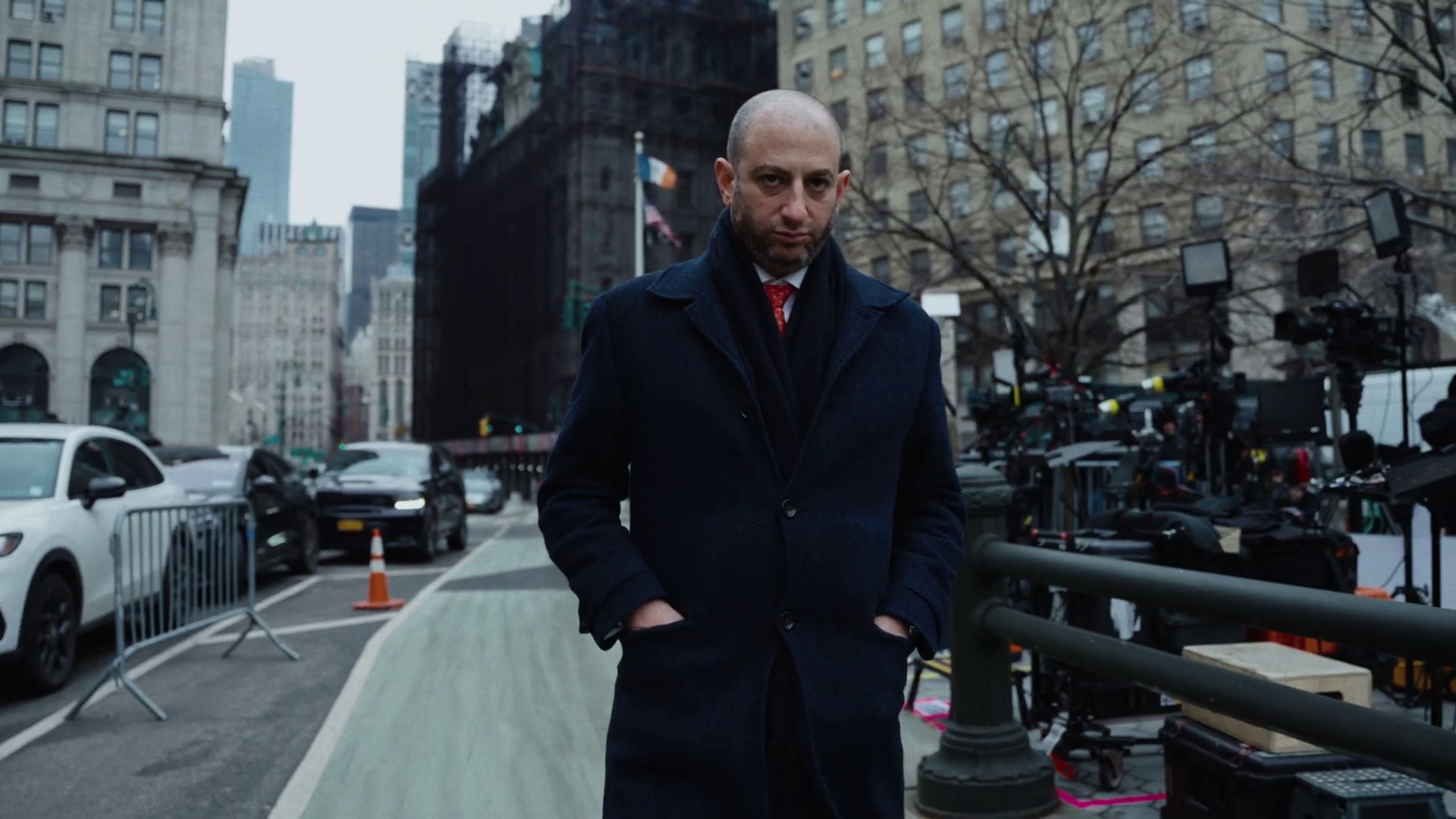
Todd Spodek
Lead Attorney & Founder
Featured on Netflix's "Inventing Anna," Todd Spodek brings decades of high-stakes criminal defense experience. His aggressive approach has secured dismissals and acquittals in cases others deemed unwinnable.
Availability and Communication
Federal criminal defense matters move on timelines that do not pause for scheduling conflicts or delayed responses. Deadlines in the federal criminal system are real, consequences for missing them are real, and the attorney who is managing too large a caseload to respond to urgent communications is an attorney whose inattention may cost the client options that were available the day before the response arrived.
The initial consultation is the best available test of an attorney’s engagement with your specific situation. An attorney who listens carefully, asks specific questions about the facts, identifies the legal issues that require immediate attention, and provides a clear account of their relevant experience is an attorney who is approaching the matter with the seriousness it requires. The consultation that consists primarily of the attorney describing their credentials without engaging with the specifics of your situation is not the consultation that should lead to a representation agreement.