





Drug diversion is the term that ends medical careers. Not malpractice. Not bad outcomes. A federal classification that sounds bureaucratic until you realize what it actually means – the government has decided your prescribing patterns deviate from what their algorithms consider acceptable, and an investigation may already be running without your knowledge. Welcome to the reality most healthcare professionals discover too late.
Welcome to Federal Lawyers. Our goal is to give you real information about drug diversion – not the sanitized definition you find on government websites, but what this classification actually means for physicians, pharmacists, nurses, and veterinarians who suddenly find themselves in the DEAs crosshairs. Because by the time most healthcare workers hear this term in a context that scares them, the investigation has already been running for months.
The DEA defines drug diversion as “the transfer of a controlled substance from a lawful to an unlawful channel of distribution or use.” That sounds simple. It is not. This definition covers everything from a nurse pocketing Fentanyl to a physician prescribing opioids to patients the government later decides didnt need them. The problem is that “legitimate medical purpose” – the standard that separates legal prescribing from federal crime – is decided by prosecutors and juries, not by doctors.
The Definition They Dont Want You To Fully Understand
Heres the thing most people miss about drug diversion – its not just about stealing pills. The federal government has built an entire surveillance apparatus around controlled substances, and your prescribing data is in that system right now. Every prescription you have ever written for Schedule II-V medications sits in a database being analyzed by algorithms that compare your patterns to every other provider in your specialty and geographic area. This isnt some theoretical concern – its hapening every single day across the country.
No complaint is required. No tip from a disgruntled patient. Just data that deviates from what the DEA considers normal. If your numbers look different – higher doses, more frequent refills, larger patient volumes – your name gets flagged for review. This isnt speculation. This is how the system actualy works. The DEA has been building these databases for years, and there getting more sophisticated every month.
The scope of what constitutes diversion is deliberatly broad. It includes illegal sale of prescriptions by physicians and pharmacists. Doctor shopping by patients visiting multiple providers. Theft, forgery, or alteration of prescriptions by healthcare workers and patients. Robberies from manufacturers and distributors. And the category that catches most legitimate practitioners off guard – prescribing controlled substances outside of accepted medical guidelines, where “accepted” is defined retroactivley by federal prosecutors.
Think about that for a moment. Your good faith clinical judgment about what a patient needs can become federal drug trafficking charges if investigators decide your medical reasoning wasnt legitimate. And they make that decision after reviewing your records, interviewing your patients, and comparing your practices to statistical norms you never knew existed. The whole process basicly assumes your guilty until proven innocent, even though thats not how its supposed to work in the American legal system.
What makes this particuarly dangerous is that the standards keep shifting. What was considered acceptable prescribing five years ago might now trigger an investigation. The opioid crisis has created enormous political pressure on the DEA to show results, and healthcare providers are easy targets. If you prescribe controlled substances, you are already in a database being analyzed by federal algorithms. That fact alone should change how you think about documentation and compliance.
How the DEA Already Knows Your Prescribing Patterns
OK so lets talk about what most healthcare professionals dont realize until there facing an investigation. The DEA maintains databases tracking every controlled substance prescription written in America. Not some prescriptions. Every single one. Your name is attached to every Schedule II through V medication youve ever prescribed, and that data is activley monitored by agents who have no medical training whatsoever.
Need Help With Your Case?
Don't face criminal charges alone. Our experienced defense attorneys are ready to fight for your rights and freedom.
- 100% Confidential
- Response Within 1 Hour
- No Obligation Consultation
Or call us directly:
(212) 300-5196The algorithms run continuosly. They compare your prescribing patterns to peers – other physicians in the same specialty, same geographic region, same patient demographics. If you prescribe higher doses of opioids then colleagues, flag. If you write more prescriptions per patient visit, flag. If your patient population pays cash at disproportionate rates, major flag. The system dosent care about your medical reasoning or the unique circumstances of your practice – it just looks for statistical outliers.
Theres a reason cash patients are treated as suspicious. The DEA views cash purchases as a red flag for diversion, particularily when pharmacies process high volumes of cash transactions. Almost every DEA criminal search warrant relating to opioid prescriptions emphasizes that the physicians office in question accepts private pay patients. Your legitimate patients who lack insurance become evidence of your illegitamacy. This creates a situation where doctors are esentially being punished for treating uninsured patients who genuinley need pain management.
But wait – it gets worse. The DEA sends undercover agents posing as patients. These investigators present with complaints designed to test whether physicians will prescribe controlled substances with minimal examination. They document every interaction. If you prescribed based on what seemed like a legitimate presentation, you may have failed a test you didnt know you were taking. That documentation is already in your file, and you dont know it exists. Some of these undercover operations run for months before the DEA takes any action.
Let that sink in for a second. The government may have already tested your practice with fake patients, documented your responses, and filed those records away for potential prosecution. Meanwhile your seeing real patients and assuming everything is normal. Thats the reality of practicing medicine in todays regulatory environment.
The Investigation Running Before You Know
Heres were things get truley disturbing for healthcare professionals who think there operating legitimate practices. By the time the DEA shows up at your door, the investigation has often been running for months or even years. The raid isnt the beginning – its the culmination of work that started long before you had any idea you were a target.
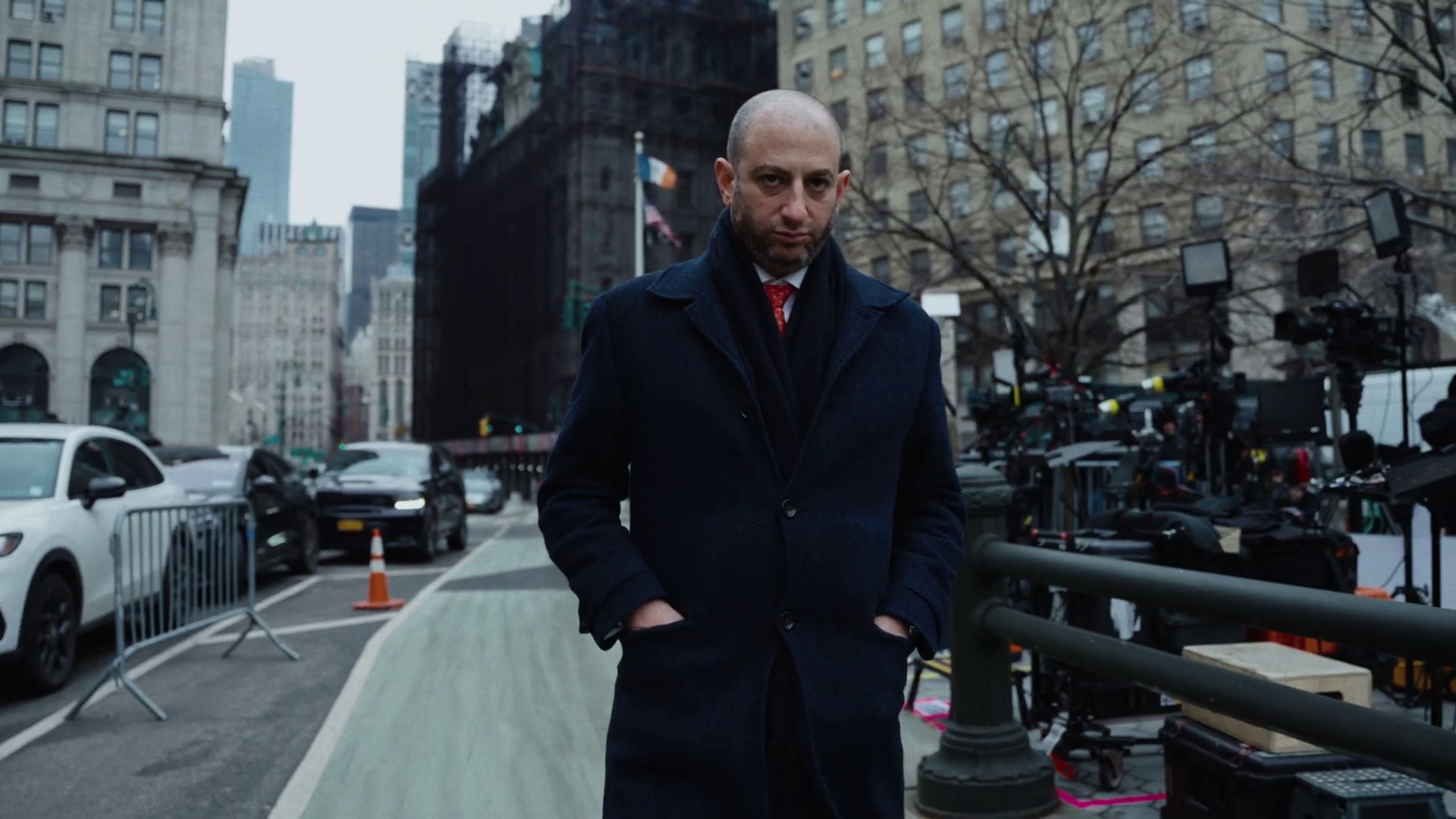
Todd Spodek
Lead Attorney & Founder
Featured on Netflix's "Inventing Anna," Todd Spodek brings decades of high-stakes criminal defense experience. His aggressive approach has secured dismissals and acquittals in cases others deemed unwinnable.
Generally, by the time a practice is raided, the DEA and the DOJ have obtained enough evidence to charge physicians, nurses, pharmacists, and mid-level providers. An indictment may already exist under seal. The agents walking threw your door arent gathering initial evidence. There confirming what they already beleive they know. This is why the timing of when you get legal representation matters so much – by the time most providers think they need help, the government has already been building a case for months.
Federal agents execute a search warrant at your medical practice, seizing patient records and prescription logs.
Can they take patient records without patient consent?
A valid federal search warrant overrides HIPAA privacy protections. However, the warrant must be properly scoped. An attorney can challenge overly broad warrants and move to suppress improperly seized evidence.
This is general information only. Contact us for advice specific to your situation.
The signs that your under investigation are deliberatley subtle. Patients start asking strange questions about your prescribing practices – becuase some of them may be cooperating with investigators. Insurance audits become more frequent. Former employees get contacted by federal agents. Your phone records, your bank accounts, your email communications – all of these can be subpoenaed without your knowledge threw grand jury process. The DEA has been perfecting these techniques for decades.
Diversion Investigators who show up at your office present a particuarly dangerous situation. They cant carry firearms and they cant make arrests. They look like bureaucrats conducting routine compliance checks. But there trained to seem non-threatening while gathering evidence that can result in federal prison sentences. Everthing you say to them can and will be used against you, even if it seems like a casual conversation about your practice.
Sound familiar? If any of this matches your experience, you may already be further into an investigation then you realize. The uncomfortable truth is that most healthcare providers have no idea there being investigated untill its far to late to do anything preventative.