





Welcome to Federal Lawyers. We handle federal criminal defense across the country, and one thing we see constantly is people walking into federal arraignment completely unprepared – not for the hearing itself, but for everything that happens before it. Our goal is giving you information most defendants never receive until its too late.
Most people picture federal arraignment as the dramatic courtroom moment where everything begins. Standing before a judge in an imposing federal courthouse. Hearing the charges read aloud for the first time. Finally having the chance to respond, to say something, to begin fighting back. The reality is far more unsettling than anything you might imagine. By the time you stand in that courtroom, the most important decisions about your case have probably already been made – in a small office, during an interview you may not have even known was significant.
This article explains what actually happens at federal arraignment, the hidden process that occurs before it, and why the 48 hours after your arrest matter more than the hearing itself. Everything changes when you understand how this process truly works.
What Actually Happens at Federal Arraignment (and What Doesnt)
Heres the thing about federal arraignment – its basicly a ceremony. Thats not an exageration or an oversimplification. Rule 10 of the Federal Rules of Criminal Procedure lays out exactley what must happen during an arraignment, and the list is surprizingly short when you actualy read it.
The magistrate judge ensures you have a copy of the indictment or information charging you with a crime. They read the charges or explain the substance of whats being alleged against you. You enter a plea – almost always not guilty at this stage becuase entering any other plea this early would be strategicaly foolish. And thats basicly the entirety of what happens. The whole thing can take ten minutes. Sometimes even less than that.
Most defendants expect there arraignment to be the moment where they can explain there side of what happened. They think the judge will ask questions about what actualy occurred. They prepare mental arguments in the holding cell about why there innocent, rehearsing the points they want to make. None of that happens. Not a single bit of it. The arraignment isnt a trial. Its not even a preview of a trial. Its simply the formal process where the court acknowledges your case exists and you acknowledge you understand what your being accused of doing.
OK so if the arraignment itself is so brief and ceremonial, why does everyone act like its such a critical moment? Becuase the arraignment is merely the visible part of a much larger process – and the invisible parts happening behind the scenes are what actualy determine your immediate future.
The Meeting That Happens Before You Ever See a Judge
Heres were most defendants get completley blindsided by the federal system. Before you ever walk into that courtroom, before you ever stand in front of a magistrate judge, before any of the formal proceedings begin, theres another meeting that takes place. Its called the pretrial services interview. And it might genuinly be the most important conversation of your entire federal case.
Need Help With Your Case?
Don't face criminal charges alone. Our experienced defense attorneys are ready to fight for your rights and freedom.
- 100% Confidential
- Response Within 1 Hour
- No Obligation Consultation
Or call us directly:
(212) 300-5196After your arrested on federal charges, a pretrial services officer will interview you. This typicaly happens while your still in custody at the federal facility, often within mere hours of your arrest. The officer seems friendly and profesional. They ask about your family situation. Your job and employment history. Where you live and how long youve been there. Whether you rent or own your residence. They want to know about your ties to the community and your roots in the area. The whole conversation feels like there trying to help you, like there gathering information to assist with your situation.
There not helping you. Look, I need you to understand this clearly becuase it matters tremendusly. The pretrial services officer is what the courts officialy call the judges eyes and ears. Every single answer you provide during this interview is being carefuly evaluated and documented. There building a profile of you designed to answer two fundamental questions – are you a flight risk who might disappear before trial, and are you a danger to the community who shouldnt be released? There recommendation goes directly to the judge who will ultimately decide whether you go home to your family or stay locked up in federal detention while your entire case proceeds through the system.
Most defendants have absolutley no idea this interview is happening in the way its actualy happening. They think there just answering routine administrative questions for some kind of intake process. There actualy providing the raw material for one of the most consequential reports that will be written about them during there entire criminal case.
How One Interview Decides Whether You Go Home or to Jail
Heres the part that should genuinly concern anyone facing federal charges. After the pretrial services officer finishes conducting there interview with you, they write a detailed report about everything they learned. That report includes a specific recommendation – release or detention. And judges typicaly follow that recommendation with remarkable consistancy.
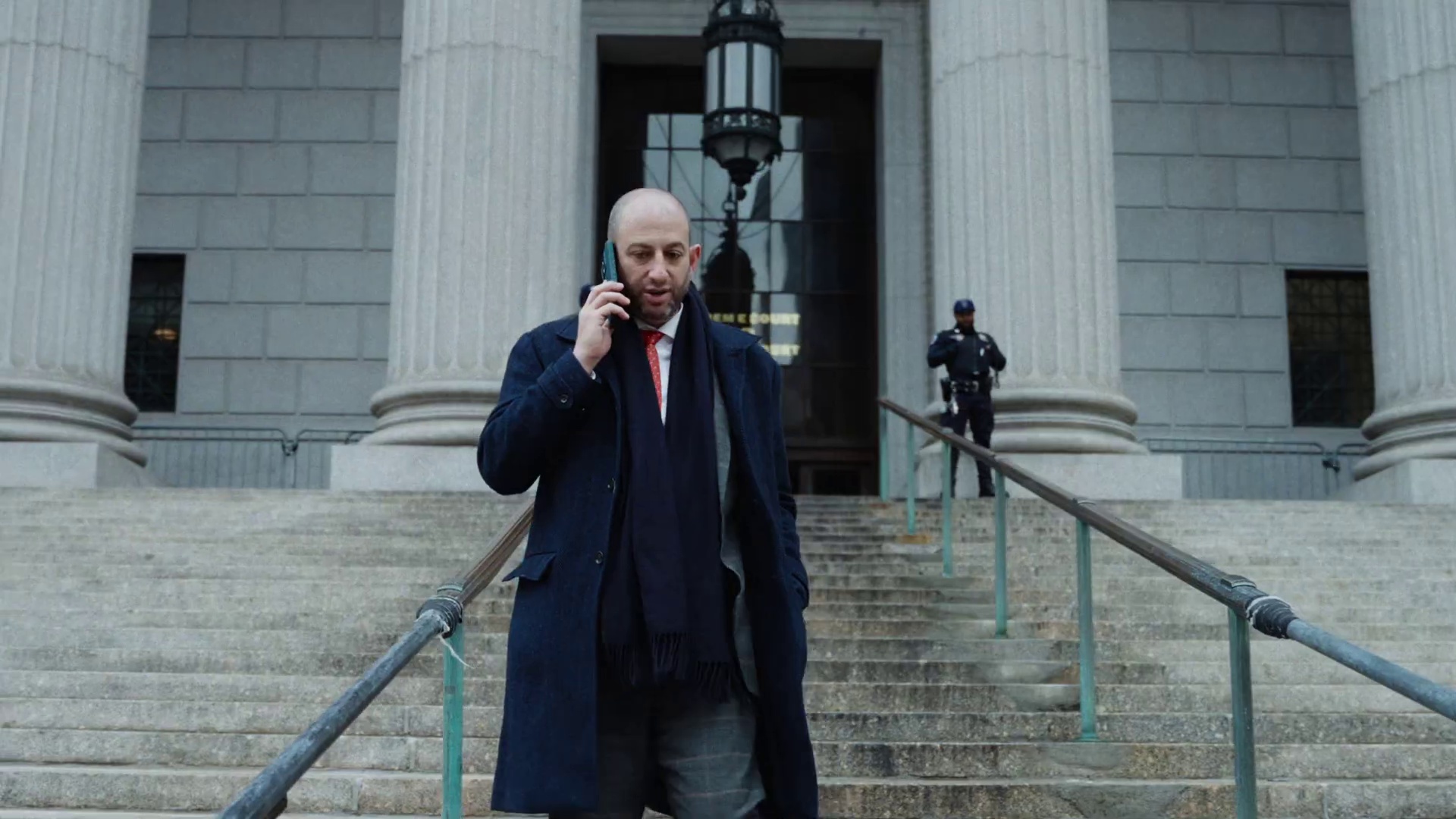
Todd Spodek
Lead Attorney & Founder
Featured on Netflix's "Inventing Anna," Todd Spodek brings decades of high-stakes criminal defense experience. His aggressive approach has secured dismissals and acquittals in cases others deemed unwinnable.
Think carefuly about what this actualy means for your situation. A single interview, conducted while your probly exhausted from the arrest process, scared about what lies ahead, and confused about the procedures happening around you, generates a report that essentialy decides whether youll prepare your defense from the comfort of your own home or from inside a jail cell. The judge isnt starting from scratch when they see you at the subsequent detention hearing. There starting from the pretrial services recommendation and evaluating whether you can overcome it.
You received a call from your lawyer saying that a federal indictment has been filed against you and your arraignment is scheduled for next week. You have no idea what to expect or what decisions need to be made before you even walk into that courtroom.
What actually happens before I stand in front of the judge at my federal arraignment, and what should I be preparing for right now?
Before your arraignment under Federal Rule of Criminal Procedure 10, several critical steps occur that most defendants overlook. Your attorney should already be reviewing the indictment, preparing arguments for bail under 18 U.S.C. § 3142, and gathering documentation like employment records, community ties, and financial information that the magistrate judge will consider when deciding whether to release or detain you. The government may seek pretrial detention by filing a motion under the Bail Reform Act, so your lawyer needs to be ready to counter their arguments at a detention hearing that could happen the same day. How you and your attorney handle these pre-arraignment preparations often sets the tone for the entire case, including whether you remain free while fighting the charges.
This is general information only. Contact us for advice specific to your situation.
For certain categories of federal crimes, the situation becomes even more challenging. Some federal charges carry what the law calls a presumption of detention. Drug trafficking charges involving significant quantities. Crimes involving firearms or weapons. Certain fraud charges with high dollar amounts exceeding specific thresholds. For all of these charges, the burden flips completely in the governments favor. Instead of the government having to prove you should be detained, you have to affirmatively prove you should be released. And you have to accomplish that difficult task while the judge is already looking at a pretrial services report that may or may not be favorable to your interests.
The detention hearing happens within three business days of your initial appearance. Three days is all the time you have to prepare a counter-argument to whatever that pretrial services report says about you. Three days to find witnesses, gather documentation, and build a case for your release.