What Is a Federal Proffer Agreement (“Queen for a Day”)?
The nickname is informal and the protection it implies is partial. Understanding the distinction between the two is the beginning of understanding what a proffer agreement actually provides.
A federal proffer agreement is a written arrangement between a subject or target of a federal investigation and the prosecuting attorney’s office, under which the individual agrees to provide information to the government in exchange for limited protection against the direct use of that information in any subsequent prosecution. The colloquial label, queen for a day, captures something real about the experience of the session itself: for the duration of the proffer, the speaker occupies a position of temporary protection that does not extend beyond the room. What happens after the session depends entirely on what was said in it, what the government already knew before it, and what the agreement’s terms actually provide.
Proffer agreements are not standardized documents. They vary by district, by office, and by the specific negotiation that produces them. The protection they extend is genuine. It is also bounded in ways that the informal label does not adequately communicate, and those bounds are where the legal and strategic analysis concentrates.
The Basic Structure of the Agreement
A standard federal proffer agreement provides, at minimum, that statements made by the proffer participant during the proffer session will not be used directly against that participant as evidence in the government’s case-in-chief in any subsequent criminal prosecution. The participant agrees to provide truthful, complete information about the matters discussed. The government agrees to the use restriction.
That exchange is the core of the arrangement. What surrounds it varies considerably. Some proffer agreements in the Southern District of New York contain provisions permitting the government to use proffer statements to rebut any position taken by the defendant at trial that is inconsistent with the proffer. Some agreements permit use of the statements in any proceeding, including a prosecution for perjury or false statements, if the participant provides false information during the session. Some contain broader use provisions that approach the limits of what defendants’ counsel will accept.
The negotiation of the agreement’s terms is the first exercise of leverage the subject possesses in the cooperation process. It is also the exercise most often surrendered by parties who accept the government’s standard form without modification.
What the Proffer Session Involves
The proffer session itself is a meeting, typically held at the United States Attorney’s office or at the FBI field office, attended by the proffer participant, their counsel, one or more federal prosecutors, and one or more investigating agents. The session proceeds as an interview: the prosecutors ask questions, the participant answers, and the agents take notes that will form the basis of a memorandum of interview that enters the investigative file.
The session may last several hours or extend across multiple meetings. The scope of inquiry is typically defined, at least loosely, by the subject matter identified in the investigation. Participants who provide information that proves valuable to the government, either by corroborating evidence already assembled or by providing new investigative leads, are participants whose cooperation is more likely to produce a formal agreement with defined benefits. Participants whose information adds nothing to what the government already knows have provided the proffer’s cost without its benefit.
That asymmetry, the risk that the proffer produces value for the government without producing commensurate benefit for the participant, is the central strategic concern in deciding whether to proffer and in structuring the session if it proceeds.
The Leads Problem
The most significant limitation of proffer protection, and the one most consistently underestimated by participants who focus on the direct use restriction, is the derivative use problem. A proffer agreement that prohibits the direct use of statements does not prohibit the government from using those statements as investigative leads to develop independent evidence. Information disclosed in a proffer session may point the government toward witnesses it had not yet interviewed, documents it had not yet subpoenaed, and transactions it had not yet examined.
Need Help With Your Case?
Don't face criminal charges alone. Our experienced defense attorneys are ready to fight for your rights and freedom.
- 100% Confidential
- Response Within 1 Hour
- No Obligation Consultation
Or call us directly:
(212) 300-5196That independent evidence, developed from leads generated by the proffer, is generally not subject to the use restriction. The participant who disclosed the existence of a bank account during a proffer session, and whose proffer agreement prohibited direct use of that disclosure, may find that the account itself was subpoenaed after the session and that its records appear at trial as independently obtained evidence.
The leads problem is not hypothetical. It is the primary mechanism by which proffer sessions that did not produce a formal cooperation agreement have nonetheless contributed to prosecutions of the very individuals who participated in them.
A proffer agreement is not a grant of immunity. It is a limited use restriction on specific statements made in a specific session. The distinction is more consequential than the label suggests, and the consequence arrives after the session ends, not during it.
When a Proffer Makes Strategic Sense
A proffer makes strategic sense when the subject possesses information that the government values sufficiently to offer concrete benefits in exchange for it, when the proffer agreement’s terms adequately protect the participant against the use of their statements and the leads those statements generate, and when the information to be disclosed does not itself create new exposure beyond what the investigation has already established.
Those three conditions require assessment before the session occurs. The government’s current state of knowledge, the value of the information the participant can provide, and the specific protections the agreement extends are each questions that counsel must evaluate before the participant enters the room. A proffer offered too early, before the government has developed its case to the point where cooperation is necessary, is a proffer that may produce less benefit than the same offer made later. A proffer offered too late, after the government has assembled its case independently, may produce no benefit at all.
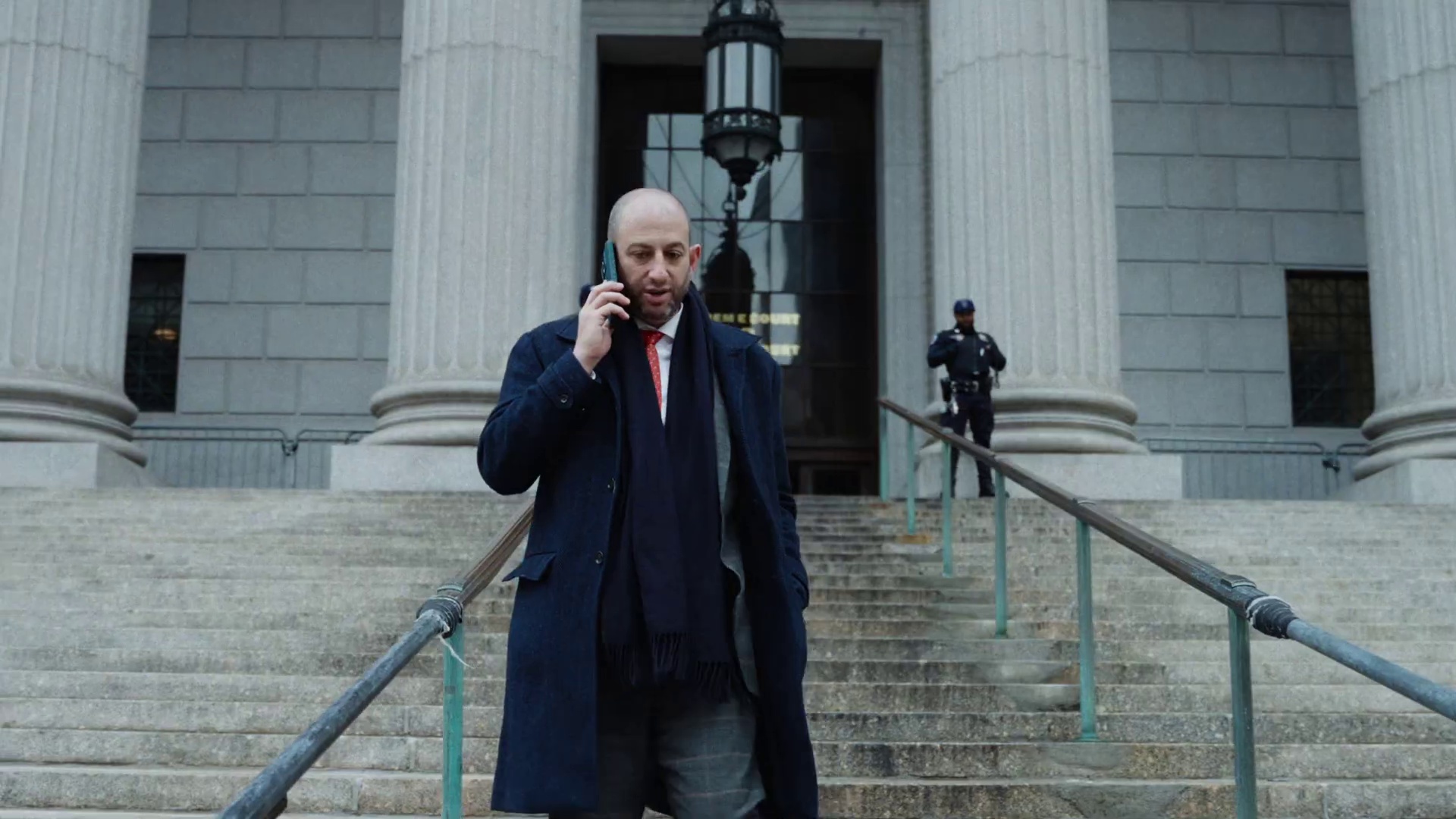
Todd Spodek
Lead Attorney & Founder
Featured on Netflix's "Inventing Anna," Todd Spodek brings decades of high-stakes criminal defense experience. His aggressive approach has secured dismissals and acquittals in cases others deemed unwinnable.
Timing, in the federal cooperation context, is the variable that separates the outcomes that practitioners describe as good from the ones they describe as what might have been.
The Relationship Between the Proffer and Formal Cooperation
A proffer session is frequently the first step in a cooperation process that may or may not proceed to a formal cooperation agreement. The government uses the proffer to assess the value of the participant’s information, the credibility of the participant as a potential witness, and the degree to which the participant’s account is consistent with the evidence already assembled. Participants who pass that assessment are candidates for a formal cooperation agreement with more comprehensive protections and defined benefits. Participants who do not may find that the proffer was the entirety of their cooperation opportunity.
The decision to enter a proffer session is, in this sense, a decision to submit to an audition. The government evaluates the performance. The participant does not learn the result until after the session has concluded and the use restrictions have already attached to whatever was disclosed.
That structure is not unfair, as a matter of federal practice. It is simply what the arrangement is, and understanding it is the precondition for deciding whether to accept it.
The consultation that precedes the decision is the place where that understanding develops. It is also the place where the agreement’s terms, the session’s scope, and the participant’s exposure before and after the session can be assessed together, rather than in the sequence the government’s timeline would prefer.