What Happens Inside a Federal Grand Jury Room?
The grand jury room is not a courtroom. It only resembles one from the outside.
Most people who have not appeared before a federal grand jury carry a mental image drawn from trial proceedings: a judge presiding, opposing counsel present, objections sustained and overruled, procedural formality enforced in real time. None of those features characterize the grand jury room. What actually occurs inside is a proceeding that is structurally unlike any other forum in the federal system, and the structural differences have consequences for every witness who enters.
The Composition of the Grand Jury
A federal grand jury consists of between sixteen and twenty-three citizens drawn from the community in which the district court sits. They are not selected for expertise in the subject matter under investigation. They are selected by the same random process that produces trial juries, though grand jurors serve for a term rather than for a single case and may hear testimony in multiple investigations during their service.
The grand jury is, formally speaking, an independent body. Its investigative authority derives from the Constitution, and its relationship to the prosecuting attorney’s office is collaborative but not subordinate. In practice, the collaboration is close enough that the distinction between the grand jury’s agenda and the prosecutor’s agenda is difficult to perceive from inside the room.
The Participants
Present in the grand jury room during testimony are the grand jurors, the prosecutor or prosecutors handling the investigation, a court reporter whose transcript of the proceedings is sealed, and occasionally law enforcement agents who may assist the prosecutor in identifying areas of inquiry. The witness is present during their own testimony. No one else is.
There is no judge. There is no defense counsel. There are no objections in the conventional sense. The prosecutor conducts the examination without the procedural constraints that govern trial proceedings, and the grand jurors may themselves ask questions at the conclusion of the prosecutor’s examination.
The absence of a judge is the feature that most surprises witnesses who have only experienced courtrooms. The room has the atmosphere of a formal proceeding. The procedural protections of a formal proceeding are largely not present.
Need Help With Your Case?
Don't face criminal charges alone. Our experienced defense attorneys are ready to fight for your rights and freedom.
- 100% Confidential
- Response Within 1 Hour
- No Obligation Consultation
Or call us directly:
(212) 300-5196How Testimony Proceeds
The witness is placed under oath at the outset. The oath is administered by the foreperson of the grand jury or by the court reporter. Testimony given under oath in a federal grand jury proceeding is subject to the federal perjury statute; a false statement made under oath is a crime whether it is made in a courtroom or in a grand jury room.
The prosecutor examines the witness. The examination may follow a written outline or may proceed more discursively, depending on the prosecutor’s approach and the witness’s responses. Questions are not constrained by the rules of evidence that govern trial proceedings. Hearsay may be asked about. Documents may be shown to the witness without formal foundation requirements. The scope of permissible inquiry is wide.
Between Questions
A witness who wishes to consult with their attorney between questions must request a recess. The grand jury will typically pause while the witness exits the room to speak with counsel. Counsel may not enter the room. The consultation occurs in a hallway or anteroom, within whatever time the proceedings permit.
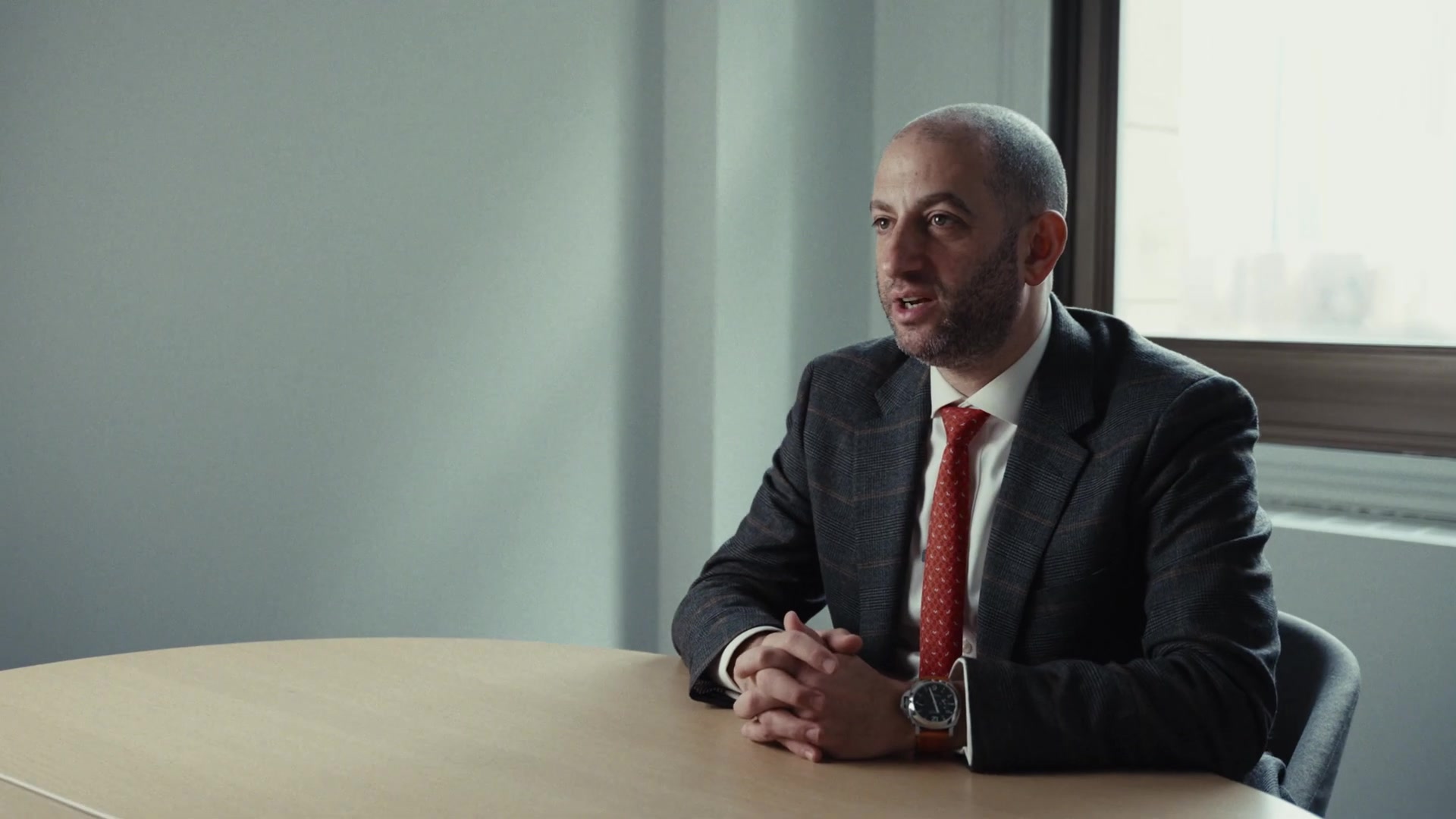
Todd Spodek
Lead Attorney & Founder
Featured on Netflix's "Inventing Anna," Todd Spodek brings decades of high-stakes criminal defense experience. His aggressive approach has secured dismissals and acquittals in cases others deemed unwinnable.
The decision about when to request a recess and what to discuss during it is a judgment call that requires preparation before entry. A witness who has reviewed the likely subject matter of the examination with counsel, who understands which questions implicate the Fifth Amendment and which can be answered without risk, and who has discussed the practical mechanics of requesting recesses will use those recesses more effectively than a witness who encounters the room without preparation.
After the Testimony
The witness’s testimony is transcribed and sealed. The grand jury will subsequently deliberate, in the absence of the prosecutor, on whether to return an indictment. The vote required is a majority of those present, with at least twelve jurors concurring. The witness is generally not informed of the outcome of those deliberations.
I drafted notes on this sequence on a Tuesday in January, which may account for its plainness. The grand jury room does not reward expectation. It rewards preparation.