What Happens in an Opioid False Claims Act Investigation
A False Claims Act investigation is a civil proceeding with criminal consequences that may run alongside it. In the opioid context, the two proceedings address the same prescribing conduct from different legal frameworks, and the resolution of one does not foreclose the other.
The False Claims Act, 31 U.S.C. 3729, imposes civil liability on any person who knowingly submits a false or fraudulent claim for payment to the federal government. In the opioid prescribing context, a claim submitted to Medicare or Medicaid for a prescription issued outside the usual course of professional practice, or for a clinical encounter that did not occur as billed, is a false claim within the Act’s scope. The civil penalty structure, treble damages on the amount of the false claim plus per-claim penalties, can produce aggregate liability that dwarfs the value of the prescriptions themselves.
How False Claims Act Investigations Begin
False Claims Act investigations of opioid prescribers typically begin in one of two ways: a qui tam action filed by a relator, or an investigation initiated by the Department of Justice or OIG based on their own billing data analysis. The qui tam mechanism permits any person with knowledge of false claims to file a sealed complaint in federal district court on the government’s behalf. The relator, typically a former employee or patient, files the complaint under seal while the government investigates.
The government has sixty days from the filing of the qui tam complaint to investigate the allegations and decide whether to intervene, though this period is routinely extended through court orders. The complaint may remain sealed for months or years while the government conducts its investigation. During this period, the target typically does not know the complaint exists or that a civil investigation is underway alongside any criminal inquiry.
The Government’s Intervention Decision
When the government intervenes in a qui tam case, it takes over the prosecution of the civil claims. Government intervention typically signals that the evidence is strong and that the government expects to recover substantial amounts through settlement or litigation. When the government declines to intervene, the relator may proceed on the government’s behalf. Government declination does not necessarily indicate that the allegations are unfounded; it may reflect resource constraints or a determination that the case is better pursued by the relator’s counsel using the relator’s specific knowledge of the conduct.
Need Help With Your Case?
Don't face criminal charges alone. Our experienced defense attorneys are ready to fight for your rights and freedom.
- 100% Confidential
- Response Within 1 Hour
- No Obligation Consultation
Or call us directly:
(212) 300-5196The Investigation’s Impact on the Practice
A False Claims Act investigation produces demands for billing records, patient medical records, and financial records similar to the demands generated by a DEA administrative subpoena or grand jury subpoena. The production of those records in the civil investigation provides the government with the same evidentiary foundation that supports both the civil liability and, potentially, the criminal prosecution.
Practitioners who cooperate fully with a False Claims Act investigation without invoking applicable privileges have created an evidentiary record the government can use in subsequent criminal proceedings. The Fifth Amendment privilege applies in civil proceedings as well as criminal ones, and a practitioner who invokes the privilege in a civil deposition does so at the cost of an adverse inference that the civil jury may draw from the invocation.
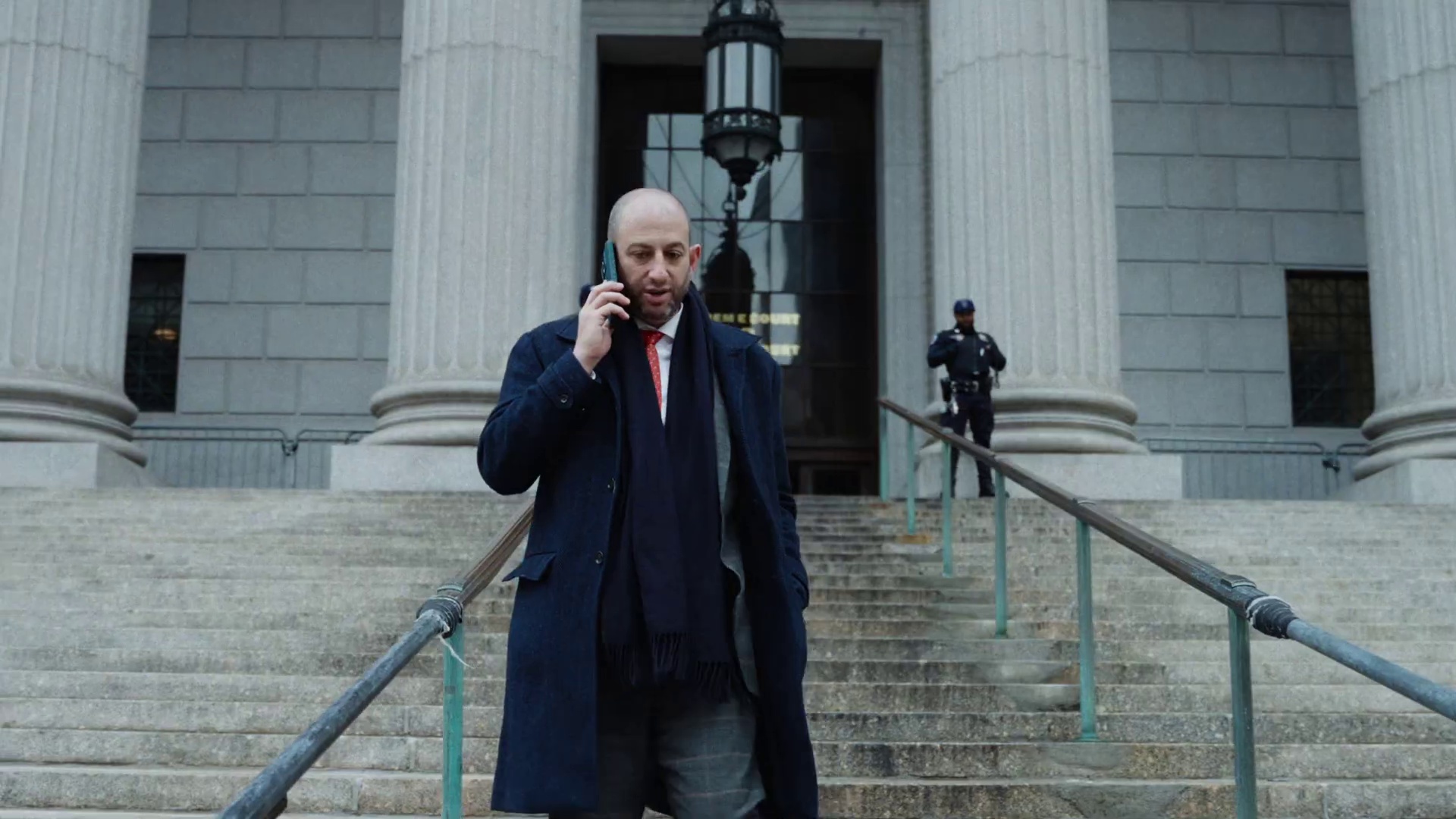
Todd Spodek
Lead Attorney & Founder
Featured on Netflix's "Inventing Anna," Todd Spodek brings decades of high-stakes criminal defense experience. His aggressive approach has secured dismissals and acquittals in cases others deemed unwinnable.
The False Claims Act investigation is a civil proceeding, but it is conducted by federal agents and prosecutors who may also be conducting a criminal investigation of the same conduct. The decision about how to respond to the civil investigation, what to produce, what privileges to assert, and what to say in depositions cannot be made without understanding its implications for the criminal proceeding that may be proceeding simultaneously.
Settlement and Its Terms
The majority of False Claims Act cases against healthcare providers are resolved through settlement rather than trial. Settlements routinely include the payment of a multiple of the false claims amount, reflecting the Act’s treble damage provision, and may include a corporate integrity agreement that imposes ongoing compliance obligations monitored by the OIG. Settlement of a False Claims Act case does not eliminate criminal exposure for the same conduct. The DOJ routinely reserves criminal prosecution rights in civil settlements, and the civil settlement’s factual admissions may become evidence in the criminal case that follows.