





Service Oriented Law Firm
WE'RE A BOUTIQUE LAW FIRM.
Over 50 Years Experience
TRUST 50 YEARS OF EXPERIENCE.
Multiple Offices
WE SERVICE CLIENTS NATIONWIDE.
WE'RE A BOUTIQUE LAW FIRM.
TRUST 50 YEARS OF EXPERIENCE.
WE SERVICE CLIENTS NATIONWIDE.


Federal property is a legal black hole. The moment you step onto a national park, military base, airport, or federal building, your state drug laws cease to exist. That medical marijuana card in your wallet? Worthless. Your state’s decriminalization statute? It evaporates at the property line. Same exact conduct that’s legal or a minor infraction in your state becomes a federal crime the instant you cross an invisible boundary.
Welcome to Spodek Law Group. Our goal is to explain what actually happens when you’re caught with drugs on federal property – not the simplified version, but the reality of a system where geography determines your legal fate. You can legally purchase marijuana at a licensed dispensary in Colorado, drive twenty minutes into Rocky Mountain National Park, and suddenly you’re committing a federal crime. The invisible property line is a one-way door into federal jurisdiction, where the rules are completely different and the consequences never go away.
This matters because federal property is everywhere. National parks attract millions of visitors who assume vacation rules apply. Military bases employ hundreds of thousands of civilian contractors who need security clearances. Airports process travelers who don’t realize TSA-controlled areas are federal jurisdiction. The trap catches people constantly – not hardened criminals, but ordinary people who didn’t understand that crossing into federal territory means crossing into a different legal universe.
The scope of federal property is broader then most people realize. And your responsible for knowing were it begins – ignorance is not a defense. The federal government controls vastly more territory then most Americans understand. Beyond the obvious buildings with flags and security guards, theres a sprawling network of land, facilities, and zones that operate under federal jurisdiction.
National parks and monuments. This is were most federal drug cases involving tourists originate. Yellowstone, Yosemite, Grand Canyon – every inch is federal territory. The park ranger who stops you is a federal law enforcement officer. There not calling local police. There filing federal charges.
Military bases. These operate under exclusive federal jurisdiction. It dosent matter if your a civilian employee, a contractor, or just visiting someone. The moment you enter the base, federal law applies. This includes a zero-tolerance policy for all controlled substances – even CBD products that are legal outside the gate.
Airports. The TSA-controlled areas past security checkpoints are federal jurisdiction. CBP (Customs and Border Protection) areas are federal. The terminal itself may have mixed jurisdiction, but the security zones definately do not follow state law.
Federal buildings and courthouses. Metal detectors and security screening mean any controlled substance will be detected. Prosecution is nearly automatic.
Post offices. Yes, the post office. Its federal property. Drug possession inside a post office is a federal offense.
VA facilities. Veterans seeking treatment at VA hospitals are on federal property. This creates a cruel paradox for veterans in states with medical marijuana – they cant use there medicine on the property were there receiving care.
Indian reservations. These have complex jurisdiction that varies by tribe and treaty. Some follow state law, some federal, some tribal. This is the one category were the rules arent predictable.
The key point is that federal property boundarys are often unmarked. You dont always see a sign telling you that your about to enter federal jurisdiction. Your expected to know. And if you dont, thats your problem.
This deserves its own section becuase its the most common way people get trapped. Marijuana remains Schedule I under federal law – the same classification as heroin. State legalization, whether medical or recreational, provides absolutley no protection on federal land. It dosent matter that your state has decriminalized possession. It dosent matter that dispensarys are licensed and regulated. It dosent matter that your paying taxes on the purchase. The federal government dosent recognize any of it.
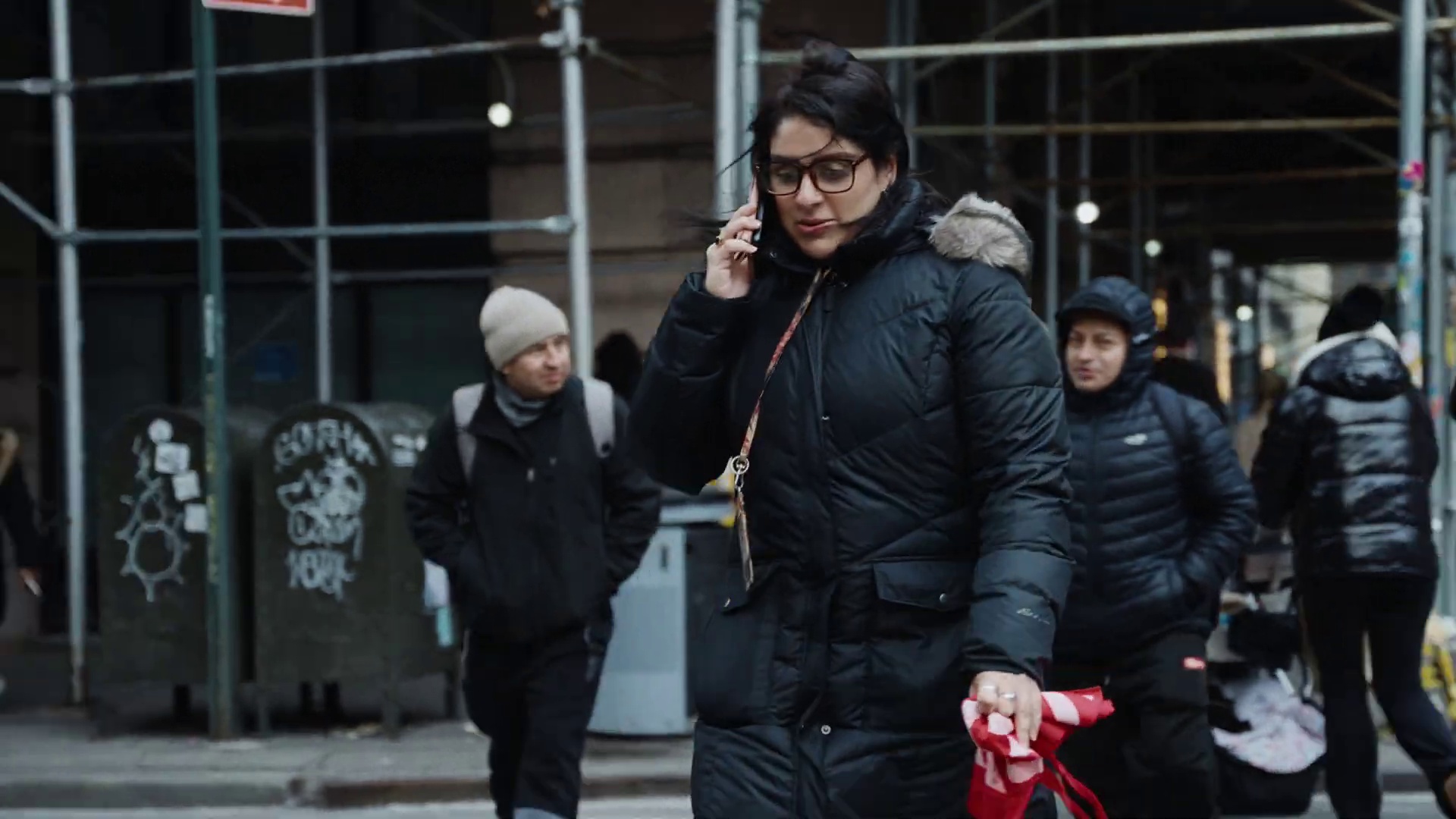
Heres the scenario that plays out constantly. A tourist in Colorado purchases marijuana legally from a licensed dispensary. They have there reciept. They followed all state rules. Then they drive into Rocky Mountain National Park for a hike. There carrying the same marijuana they purchased an hour ago, completly legally. A park ranger stops them for a routine check. The marijuana is discoverd.
Thats a federal crime. The dispensary reciept means nothing. The fact that it was legal ten miles away means nothing. The tourist is now facing potential federal charges under 21 USC 844, up to one year in prison for a first offense, minimum $1,000 fine.
OK so heres the part that catches visitors: park rangers in states with legal marijuana are activley looking for this. They know tourists assume there purchases travel with them. They know people dont think about jurisdiction. Cannabis tourism has created a steady stream of federal drug cases in parks across Colorado, California, Washington, and every other state that has legalized.
Your medical marijuana card provides zero protection. None. Its a state-issued document that federal authorities do not recognize. The park ranger isnt going to accept it as a defense. The federal prosecutor isnt going to drop charges becuase you had authorization from a state doctor. In federal jurisdiction, marijuana is still identical to heroin under the law. Thats not an exageration – thats literally how the scheduling works. Schedule I means no accepted medical use, high potential for abuse. The federal governments position hasnt changed despite what your state has done.

Lets talk about what your actualy facing if your caught with drugs on federal property. The governing statute for simple possession is 21 USC 844.
First offense: Up to one year imprisonment and a minimum fine of $1,000. This is classified as a misdemeanor – but dont let that fool you. A federal misdemeanor has permanant consequences that we’ll discuss below.
Second offense (with prior drug conviction, state or federal): 15 days to 2 years imprisonment and a minimum fine of $2,500.
Third or subsequent offense: 90 days to 3 years imprisonment and a minimum fine of $5,000.
These are the statutory maximums. For minor amounts – personel use quantities – many cases are handled through what called the petty offense procedure. You appear before a federal magistrate judge, often without formal indictment. Its treated somewhat like traffic court. You pay a fine, maybe a few hundred dollars, and your done with the immediate procedings.
But heres what Todd Spodek warns every client about: even that petty offense is a federal conviction. The fine might be $300. The conviction is permanant.
The penalties also escalate dramaticaly if the government can prove intent to distribute. Personal use quantities are treated differantly then amounts that suggest dealing. And “intent to distribute” dosent require actual sales – packaging, scales, or large amounts of cash can be enough to elevate the charge. Once your facing distribution charges instead of simple possession, your looking at mandatory minimums and the possibility of years in federal prison rather then months. The line between possession and distribution isnt always clear, and prosecutors have wide discretion in how they characterize what they found.
Heres something most defendants dont know about. Under 21 USC 844a, prosecutors have the option to pursue a civil penalty instead of criminal charges for personal use amounts. The maximum civil penalty is $10,000, but theres no criminal conviction on your record.
This is a significent distinction. A civil penalty is like a very expensive fine. It dosent create a criminal record. It dosent trigger the collateral consequences of a conviction. It dosent follow you onto background checks for the rest of your life.
The problem is that prosecutors dont advertise this option. They have complete discretion over wheather to offer it. Many defendants plead guilty to criminal charges without ever knowing that a civil alternative existed.
Your attorney can specificaly request the civil penalty track. For first-time offenders with small personal-use amounts, this is often the best possible outcome. But you have to ask for it – and you have to ask before you plead guilty to criminal charges.
Not everyone qualifies. The civil penalty is generaly limited to:
If you meet these criteria, fighting for the civil penalty track could be the differance between a permanant federal record and a clean slate. Your attorney needs to raise this proactivley – prosecutors dont volunteer it. They have targets to meet, and criminal convictions count toward those numbers in ways that civil penalties do not.
Let that sink in for a moment. A federal misdemeanor conviction – even for simple possession of a small amount of marijuana – is permanant. It cannot be expunged. It cannot be sealed. It will be on your record for the rest of your life.
Contrast this with state courts. Many states allow expungement of misdemeanor drug convictions after a period of time. First-time offender programs often result in dismissals. Deferred adjudication keeps convictions off your record. State systems are designed with second chances in mind.
The federal system has no such mechanisms. Once your convicted of a federal offense, thats it. There are extremly limited circumstances were federal convictions can be set aside, and simple drug possession dosent qualify. Think about that for a moment – the federal system offers no path back from a possession conviction that state courts routinely forgive.
This creates a paradox: a federal misdemeanor can be worse for your future then a state felony. The state felony might eventually be expunged. The federal misdemeanor never will be.
What does this mean practicaly?
Government employment. Federal agencies conduct background checks that flag federal convictions prominantly. Many positions are automaticaly closed to you.
Security clearances. Any drug conviction is potentialy disqualifying. For jobs requiring Secret or Top Secret clearance – defense contractors, intelligence work, certain government roles – a federal drug conviction means denial. Period.
Professional licenses. Depending on your state and profession, drug convictions can affect licenses for law, medicine, nursing, teaching, and dozens of other fields.
Student financial aid. Federal drug convictions can make you ineligible for federal student loans and grants.
Federal housing. Drug convictions can bar you from federal housing assistance.
The $300 fine you paid for that marijuana in Yellowstone? It might cost you a career.
Understanding were federal drug cases originiate helps you understand the risk.
National parks are the most common source of federal drug possession cases. Park rangers are trained law enforcement officers with full federal authority. In states with legal marijuana, there activley aware that tourists will be carrying. The combination of relaxed vacation mindset and invisible jurisdictional boundaries creates constant enforcement opportunities. Cannabis tourism states – Colorado, California, Washington – have parks with steady caseloads of marijuana possession cases.
Military bases are unique becuase they have true exclusive federal jurisdiction and a zero-tolerance policy. This affects civilians more then people realize. Defense contractors, civilian employees, family members visiting, delivery drivers – anyone on base is subject to federal law. Even CBD products that contain trace THC can trigger problems. For civilian contractors with security clearances, a drug detection on base can mean immediate termination and clearance revocation. There career in the defense industry is over.
Airports present concentrated risk. TSA screeners are looking for weapons, but they find drugs constantly. When they do, CBP or local law enforcement is called. Depending on the airport and the specific area, this might result in state or federal charges – but TSA-controlled areas definately fall under federal jurisdiction. The worst outcomes involve travelers trying to bring marijuana from legal states to illegal states. Thats a federal trafficking charge, not simple possession.
Federal buildings have security screening that will detect controlled substances. Prosecution is routine. Spodek Law Group has seen cases were defendants forgot they had a small amount of marijuana in there bag from weeks earlier – residue from legal use in there home state, or a half-smoked joint they forgot was in a jacket pocket. It dosent matter that it was forgotten. It dosent matter that the amount was tiny. It dosent matter that you had no intention of using it there. Federal property, federal crime. The security screener reports it, federal law enforcement responds, and now your facing charges for somthing you didnt even realize you were carrying.
The sentence itself – a fine, maybe probation, occasionally jail time for repeat offenders – is often the smallest part of the punishment. The collateral consequences extend far into the future.
Security clearance implications deserve special attention. Any federal drug conviction creates a presumption against granting or maintaining a clearance. The process for appealing a clearance denial is lengthy and often unsuccessful. For someone working as a defense contractor earning $100,000+ annually, a single marijuana possession conviction can end there career in that industry permanantly. Thats not an exageration. Thats the system.
Immigration consequences are severe. For non-citizens, any controlled substance violation is potentialy deportable. Even lawful permanent residents can be removed for drug convictions. A single incident of marijuana possession on federal property can trigger removal procedings that separate families and end decades of life in the United States.
Child custody determinations consider drug convictions. A federal drug record can be used against you in custody disputes, potentialy affecting your relationship with your children.
Housing consequences extend beyond federal housing. Private landlords conduct background checks that reveal federal convictions. Employment consequences extend beyond government work – many private employers screen for federal records. The conviction follows you into job interviews, apartment applications, and professional licensing boards for years and decades after the original incident.
The cascade effect is real. A joint in a national park → federal conviction → security clearance revoked → contract employment terminated → unable to work in defense industry → career destroyed. Each step follows inevitabley from the one before. And theres no mechanism to break the chain once its started. You cant go back and expunge the conviction. You cant explain it away to the security clearance investigator. The dominos fall one after another, and by the time your standing in the unemployment line, the original $300 fine feels like a cruel joke compared to what youve actually lost.
If you find yourself facing drug charges on federal property, what you do in the first hours and days matters enormously.
Do not make statements beyond identification. Federal agents are required to advise you of your Miranda rights, but the manner of advisement varies. The safest approach is to provide identification and nothing else. Do not explain why you have the substance. Do not admit ownership. Do not try to minimize or excuse. Silence is your right and your protection.
Understand that you are in federal court. This is not handled like a state drug case. The procedures are different. The prosecutors are different. The consequences are different. You need an attorney with federal criminal defense experience – not a state DUI lawyer who occasionally handles drug cases.
Request the civil penalty option explicitly. If you qualify – first offense, personal use amount, no aggravating factors – your attorney should immediately explore wheather the civil penalty track under 21 USC 844a is available. This keeps you out of the criminal system entirely.
Challenge jurisdictional ambiguity if applicable. Some areas have complex or unclear jurisdictional status. If the exact location of your arrest is on a boundary or in a disputed zone, this can be a valid defense.
Act quickly. Federal cases move faster then state cases in many respects. The window for pre-charge intervention, plea negotiations, and strategic decisions is narrower. Waiting to see what happens usualy means watching your options disappear. The time to act is immediately – not after your arraigned, not after your indicted, not after youve already said things that cant be unsaid.
Dont assume its minor. The amount may be small. The substance may be legal in your state. The location may have seemed like regular vacation territory. None of that changes the federal nature of the charge or the permanance of the potential conviction.
If your facing federal drug charges from an incident on federal property, call Spodek Law Group at 212-300-5196. The jurisdictional trap has already sprung – but how you respond determines the outcome. The differance between a permanant federal record and a civil resolution, between career destruction and damage control, often comes down to understanding the system and acting while options remain open.
Federal property creates a parallel legal universe where state protections dont exist. Understanding that reality is the first step toward navigating it.

Very diligent, organized associates; got my case dismissed. Hard working attorneys who can put up with your anxiousness. I was accused of robbing a gemstone dealer. Definitely A law group that lays out all possible options and best alternative routes. Recommended for sure.
- ROBIN, GUN CHARGES ROBIN
NJ CRIMINAL DEFENSE ATTORNEYS