





Thanks for visiting Federal Lawyers – a second-generation law firm managed by our lead attorney, with over 40 years of combined experience defending federal fraud cases. If you received a PPP loan and now realize there were problems with your application, you’re facing a critical decision: should you return the funds voluntarily before the government comes after you? This article explains the risks and benefits of voluntary disclosure in PPP cases.
The short answer is complicated. Returning PPP funds doesn’t guarantee you won’t face criminal charges, but it can significantly improve your position if charges are filed. The decision requires careful analysis of your specific situation – and it needs to happen before federal investigators knock on your door.
The 2020 Safe Harbor Period Has Passed
In April and May 2020, the SBA created a safe harbor period allowing borrowers to return PPP loans by May 18, 2020, if they determined in retrospect that they didn’t need the funds. Borrowers who returned loans during that window avoided enforcement action. That safe harbor ended years ago. If you’re reading this in 2025, that option is gone.
However, voluntary repayment still matters – just not as a get-out-of-jail-free card. It affects how prosecutors view your case, what charges they pursue, and what sentences courts impose. It demonstrates something prosecutors care about: you weren’t trying to steal money, you made a mistake.
Need Help With Your Case?
Don't face criminal charges alone. Our experienced defense attorneys are ready to fight for your rights and freedom.
- 100% Confidential
- Response Within 1 Hour
- No Obligation Consultation
Or call us directly:
(212) 300-5196Voluntary Repayment Doesn’t Erase Criminal Liability
Let’s be clear about what returning PPP funds doesn’t do. It doesn’t prevent prosecution. It doesn’t guarantee declination. It doesn’t erase the fact that you submitted an application the government believes was fraudulent. Federal prosecutors can – and do – charge people who voluntarily repaid their PPP loans.
The government’s position is that fraud happened when you submitted false information, regardless of whether you later returned the money. Think of it like bank robbery – you don’t avoid prosecution by returning the cash afterward. The crime was complete when you obtained the loan through false statements.
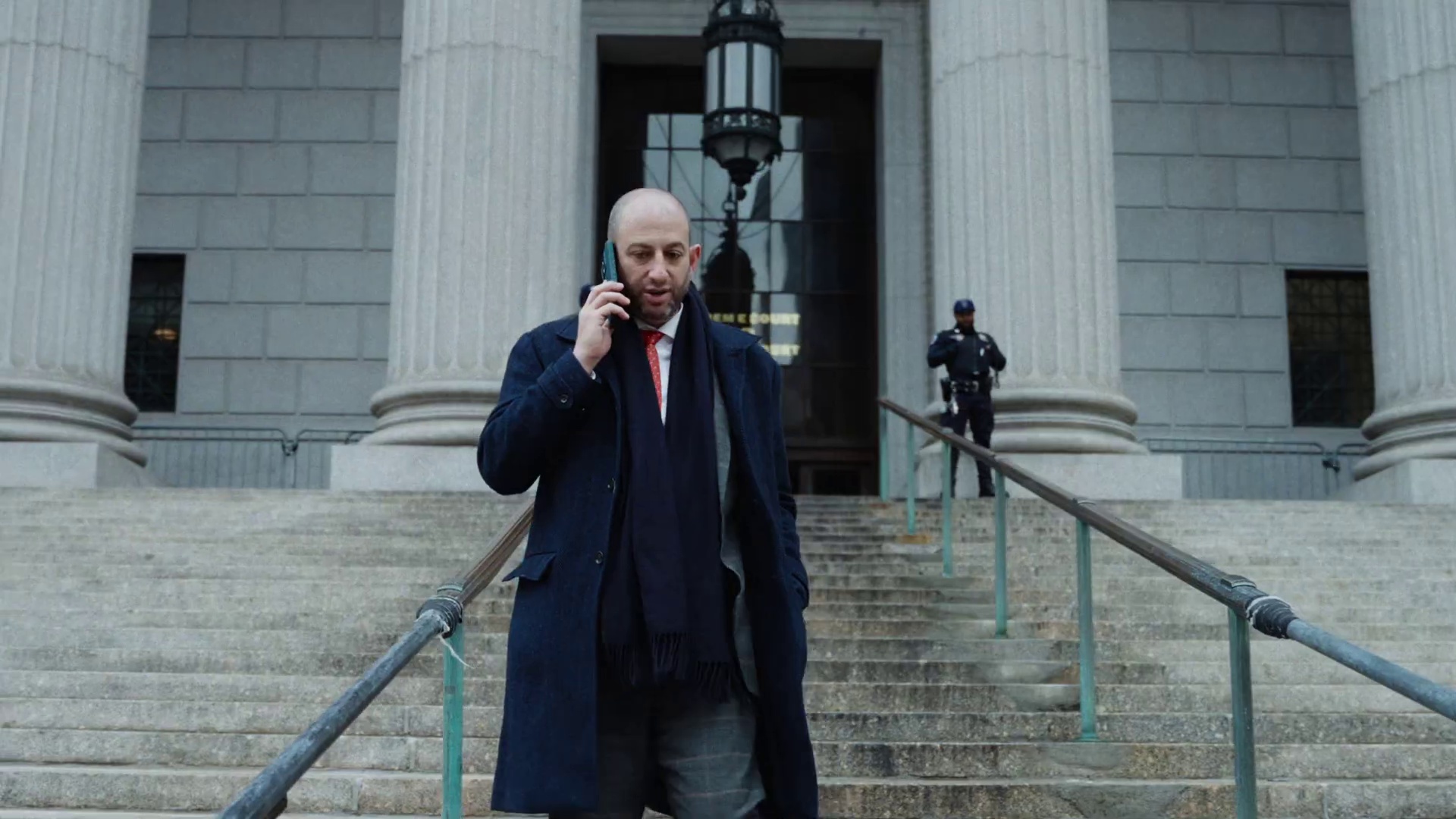
Todd Spodek
Lead Attorney & Founder
Featured on Netflix's "Inventing Anna," Todd Spodek brings decades of high-stakes criminal defense experience. His aggressive approach has secured dismissals and acquittals in cases others deemed unwinnable.
That said, voluntary repayment changes the calculus in meaningful ways. It affects charging decisions, plea negotiations, and sentencing. It transforms you from someone who stole government money and got caught into someone who made a mistake and tried to fix it when they realized the problem.

You submitted a PPP loan application during COVID and now realize some employee count numbers may have been inaccurate.
Could this be considered fraud?
Inaccuracies in PPP applications can trigger federal fraud charges carrying up to 20 years in prison. However, honest mistakes differ from intentional misrepresentation. Documentation of your good-faith efforts is critical to your defense.
This is general information only. Contact us for advice specific to your situation.
When Voluntary Disclosure Makes Sense
Voluntary disclosure works best when you discover problems with your PPP application before any investigation starts. Maybe you realize you miscalculated payroll. Maybe you learn that independent contractors shouldn’t have been counted as employees. Maybe you discover your business didn’t actually qualify for the loan amount you received.