Who is Todd in Inventing Anna? The real lawyer behind the Netflix character.
Arian Moayed played him; the closing argument was real. Todd Spodek - the second-generation New York defense lawyer who tried the Anna Sorokin case - on screen, in the record, and still taking the calls the show made famous.
The character, and the person.
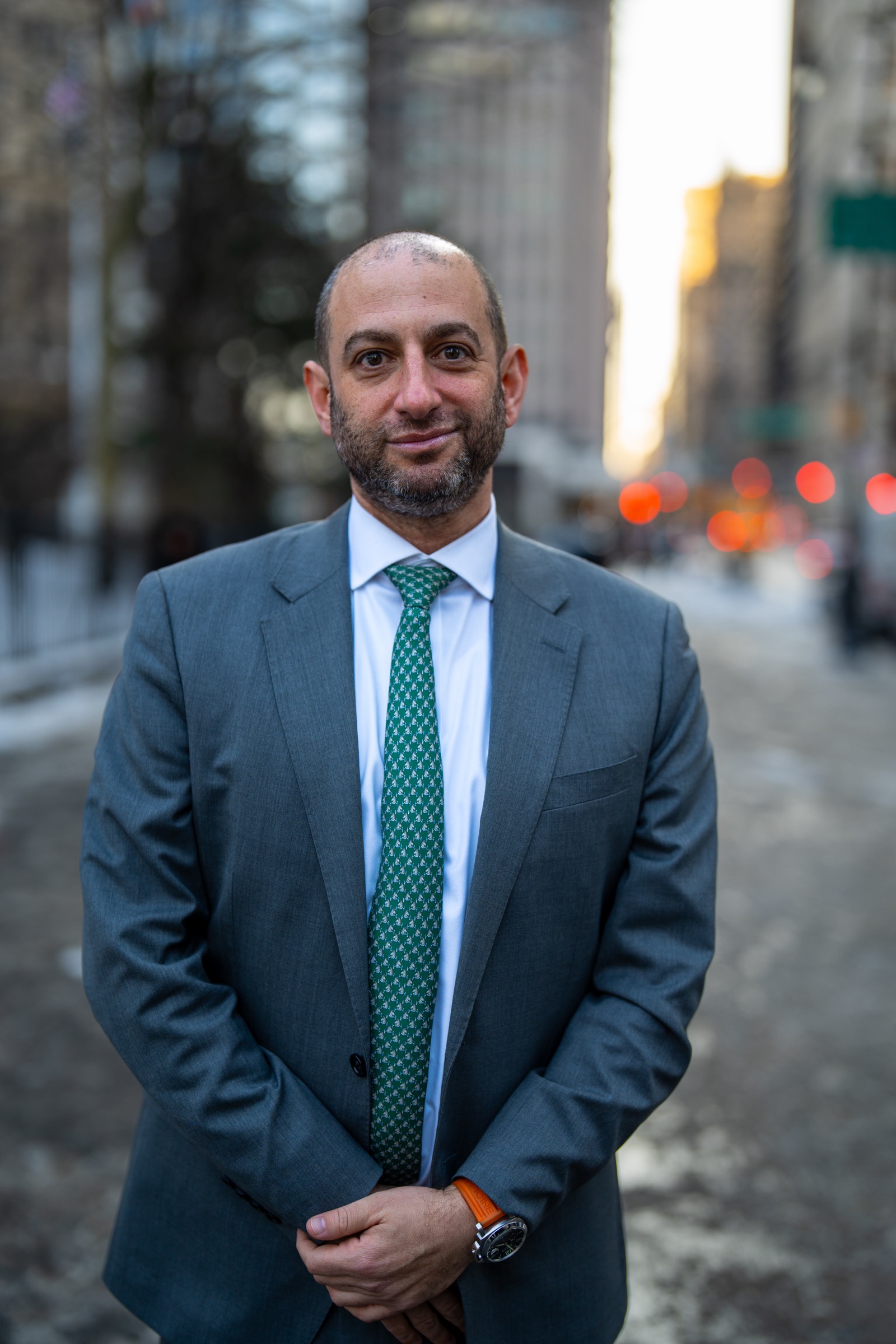
In Inventing Anna, Netflix’s 2022 series on the Anna Delvey saga, Todd Spodek appears under his own name - played by Tony-nominated actor Arian Moayed opposite Julia Garner’s Anna. The show’s Todd is scrappy, outer-borough, and half-seduced by his client’s audacity. The real one is the managing partner of Spodek Law Group: a second-generation criminal defense lawyer (his father tried cases before him, and the firm’s lineage runs back to 1976), a Brooklyn Law graduate, and by the time the Sorokin case arrived, a veteran of thousands of criminal matters across New York’s state and federal courts. Netflix compressed and invented around the edges - the trial scenes, though, track the record closely, down to arguments lifted nearly verbatim.
The trial that made the character.
People v. Sorokin, 2019: the fake German heiress charged with grand larceny in the first and second degree and theft of services after Manhattan’s banks, hotels, and social scene spent years believing in Anna Delvey. Spodek’s defense became the show’s spine: intent is the element - and ambition, image, and a city that runs on “fake it till you make it” are not larceny. “There’s a little bit of Anna in all of us,” he told the jury, and meant it as doctrine, not romance: the government had to prove she never intended to repay, and on the biggest counts it could not. The jury acquitted on the most serious charge - the alleged $22 million loan scheme - and on the Fortress deposit count, convicting on lesser counts. For a case the tabloids had pre-decided, the split verdict was the story.
Beyond Anna: the rest of the docket.
The Sorokin case is the famous line on a longer résumé. Spodek served as counsel in the juror inquiry that followed the Ghislaine Maxwell trial (NY Post, 2022); defended the witness-intimidation matter adjacent to the R. Kelly federal trial (AP, 2022); resolved the Alec Baldwin stalking case at time served (NBC, 2013); appeared in HBO’s Generation Hustle; and sits in the analyst chair for Fox News and CNN when federal cases break - the Diddy trial commentary reached millions, and his “My Advice to Diddy” ran in The Spectator. The firm he runs now defends federal cases nationwide from New York and Los Angeles - the full Delvey file is here, and the full profile is here.
Why the character resonated.
Because the argument was bigger than the client: the line between aspiration and fraud is intent, and intent is exactly where American fraud law does its most careless thinking. That is the argument this firm still makes - in wire fraud cases, in crypto cases, in every prosecution where a failed venture gets recharacterized as a scheme. If the government is telling that story about you, the lawyer Netflix dramatized is still the one who answers the phone: the consultation is free.
Reading is good. Calling is better.
Answered within 24 hours, guaranteed. Some stories are better told out loud -
212 300 5196