





Welcome to Federal Lawyers. Our goal is to help people facing drug trafficking charges in Tennessee understand something most defendants never realize until it’s too late: Tennessee is not one federal prosecution system. It’s three. If you’re reading this because federal agents arrested you somewhere in Tennessee, the first question that matters more than almost any other is which federal district you’re in.
Here’s the reality that changes everything about how you approach your situation. Tennessee is the only state of its size with three completely separate federal judicial districts – Western (Memphis), Middle (Nashville), and Eastern (Knoxville). Each has its own U.S. Attorney’s Office. Each has its own prosecution priorities. Each has its own enforcement history. The Western District prosecuted what officials described as “the largest drug case in Memphis federal court history.” The Middle District focuses on Nashville’s role as a “central hub” for distribution. The Eastern District runs the 313 Initiative specifically targeting drug organizations from Detroit. Same drugs, same quantities – three completely different prosecution environments.
But here’s what makes Tennessee truly dangerous for defendants right now. Fentanyl submissions to the Tennessee Bureau of Investigation Forensic Laboratory increased 2,500% from 2016 to 2024. That’s not a typo. Twenty-five hundred percent. And transnational drug organizations are now cutting fentanyl with Xylazine, which decreases the likelihood of Narcan reversing an overdose. This isn’t just an enforcement escalation. This is a lethality crisis that drives prosecution decisions across all three federal districts.
The Three-Headed Monster: Why Tennessee Has Three Separate Federal Prosecution Systems
Theres something about Tennessees federal structure that most defendants dont understand until there already sitting in custody wondering what went wrong. Tennessee isnt one federal system. Its three.
The Western District of Tennessee, headquartered in Memphis, handles drug cases from the Mississippi River to the Tennessee River. This is were the Sinaloa cartel connections get prosecuted. This is were the Memphis Violent Crime Initiative operates. This is were prosecutors have a specific history with major trafficking organizations dating back to the Craig Petties case.
The Middle District of Tennessee, headquartered in Nashville, covers the central part of the state including Davidson, Williamson, and Wilson counties. Authorities have described Middle Tennessee as a “central hub” for drug trafficking. The Homeland Security Investigations partnership with local sheriffs offices has produced massive seizures, including over 400 pounds of methamphetamine from a single Nashville stash house in January 2024.
The Eastern District of Tennessee, headquartered in Knoxville, handles cases from the Appalachian region to the Smoky Mountains. This district runs the 313 Initiative, a coordinated effort targeting individuals from Detroit bringing what officials call “deadly drug combinations” into Knox County and surrounding areas. If your case involves connections to Detroit or the Midwest, Eastern District prosecutors have specific experience with exactly your situation.
Tennessee is the only state with three separate federal judicial districts – Western (Memphis), Middle (Nashville), and Eastern (Knoxville) – each operating independently with different enforcement priorities, different prosecutorial histories, and different conviction patterns.
Heres the kicker. You dont get to choose which district prosecutes you. That decision gets made based on were the alleged offense occured. Get caught on I-40 in Memphis and your facing Western District prosecutors with there Sinaloa cartel history. Get caught on I-65 in Nashville and your facing Middle District prosecutors with there hub distribution focus. Same drugs. Completley different prosecution environment.
I-40: The Direct Pipeline from Mexican Cartels to the Southeast
OK so lets talk about I-40 becuase this interstate explains why Memphis is were federal task forces intercept cartel supply chains.
Need Help With Your Case?
Don't face criminal charges alone. Our experienced defense attorneys are ready to fight for your rights and freedom.
- 100% Confidential
- Response Within 1 Hour
- No Obligation Consultation
Or call us directly:
(212) 300-5196According to federal officials, I-40 provides Mexican traffickers with a direct route from drug transit areas in Barstow, California, through Flagstaff, Arizona; Albuquerque, New Mexico; and Memphis, Tennessee, into Greensboro, Durham, and Raleigh, North Carolina. Thats a straight line from the Mexican border to the Atlantic Coast, and Memphis sits right in the middle.
I-40 provides Mexican cartels with a direct route from Barstow, California through Memphis to North Carolina – and Memphis sits at the intersection where I-40 meets I-55, making it one of the most surveilled drug corridors in the Southeast.
But heres were it gets intresting. Memphis isnt just on I-40. Memphis is were I-40 intersects with I-55, the north/south corridor connecting Chicago to New Orleans. So drugs coming from California and Mexico meet drugs being distributed to and from Chicago at this exact junction. The DEA’s resident agent in charge for Memphis has stated that most of the cocaine, marijuana, and methamphetamine arriving in Memphis is smuggled from Mexico and delivered on I-40 or I-55 by 18-wheelers or cars with secret compartments.
Think about what that means. Your not being arrested on some secondary route. Your being arrested at a strategic intersection that federal agencies have mapped and surveilled for decades.
2,500% Increase: The Fentanyl Escalation Driving Tennessee Enforcement
Lets talk about the numbers becuase they tell you something critical about what your facing.
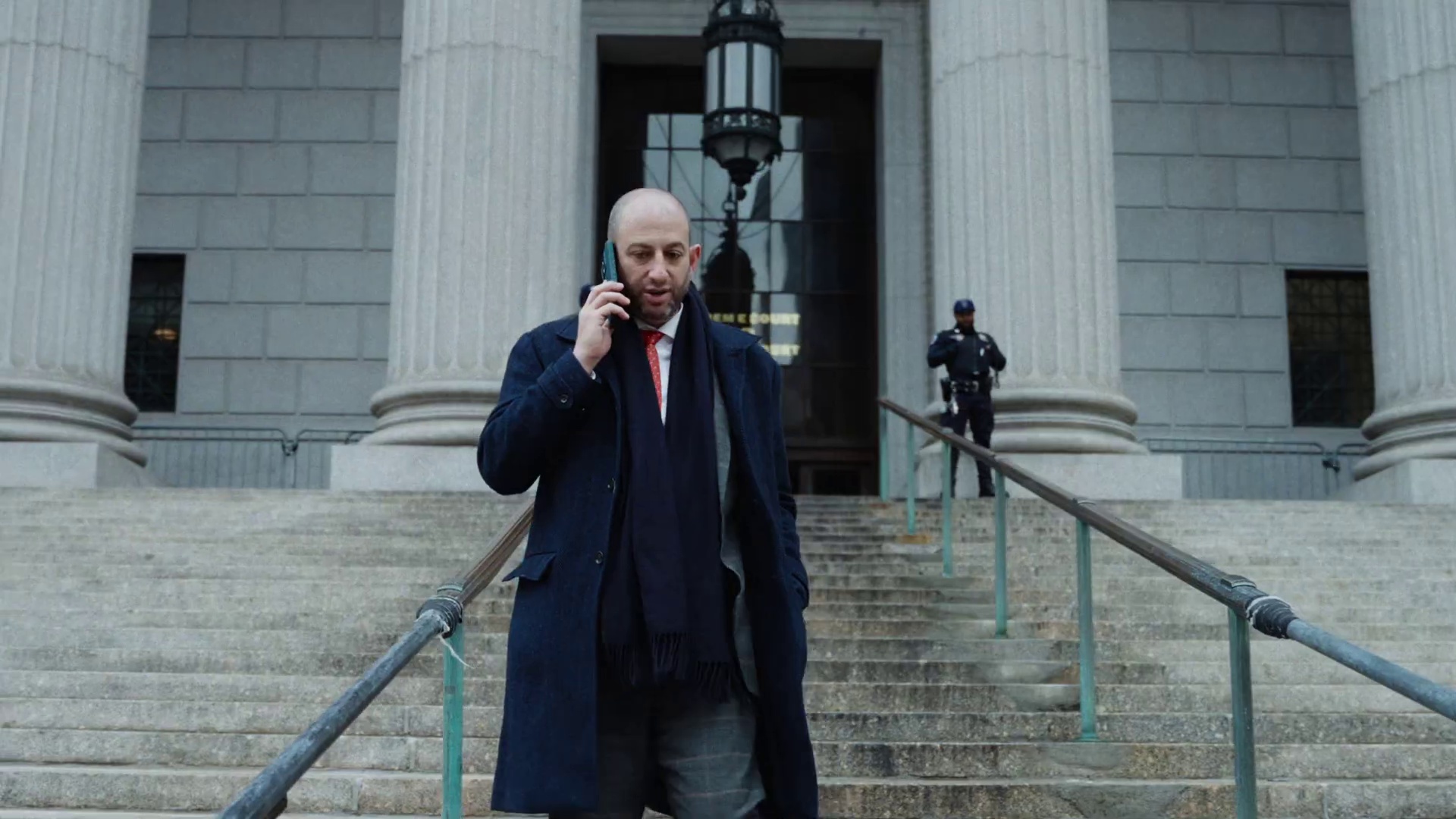
Todd Spodek
Lead Attorney & Founder
Featured on Netflix's "Inventing Anna," Todd Spodek brings decades of high-stakes criminal defense experience. His aggressive approach has secured dismissals and acquittals in cases others deemed unwinnable.
Fentanyl submitted to the TBI Forensic Laboratory increased over 2,500 percent from 2016 to 2024. Let that sink in. A 2,500 percent increase. These drugs are often used to cut other drugs such as cocaine, benzodiazepines and other pills, resulting in overdoses from substances users didnt even know they were consuming.
You were pulled over on I-40 near Cookeville with 500 grams of methamphetamine in your trunk, and federal agents from the DEA told you the case would be handled in the Middle District of Tennessee. Your co-defendant, who was arrested the same day in Memphis with a connected shipment, has his case in the Western District — and his attorney says plea offers there tend to be very different.
Does it really matter which of Tennessee's three federal districts my drug trafficking case ends up in, and is there any way to influence that?
It matters enormously. Tennessee's three federal districts — Eastern (Knoxville), Middle (Nashville), and Western (Memphis) — each have different U.S. Attorneys, different judges, and statistically different sentencing patterns for drug trafficking under 21 U.S.C. § 841. While you generally cannot choose your district since venue is determined by where the offense conduct occurred under Federal Rule of Criminal Procedure 18, a skilled defense attorney can sometimes argue for transfer under Rule 21 if a co-defendant's related case in another district creates efficiency or fairness concerns. We would also immediately examine whether the stop on I-40 involved a valid basis under the Fourth Amendment, because suppressing the search could dismantle the entire prosecution regardless of which district you're in.
This is general information only. Contact us for advice specific to your situation.
Fentanyl submissions to the TBI Forensic Laboratory increased 2,500% from 2016 to 2024 – and transnational drug organizations are now cutting fentanyl with Xylazine, which decreases the likelihood of Narcan reversing an overdose.
Heres the part that makes this especialy dangerous for defendants. Transnational drug organizations have primarily taken over the manufacture and delivery of fentanyl and are now cutting it with Xylazine and other synthetic drugs. Xylazine is a veterinary sedative that reduces the likelihood of Narcan reversing an overdose. So the drugs have become more lethal, and prosecutors treat cases involving these substances with corresponding severity.
In 2022, over 60 percent of drug-related deaths in Tennessee involved synthetic opioids, primarily fentanyl. In northeast Tennessee alone, opioid overdose deaths jumped from 19 in 2013 to 127 in 2023, a more then 600 percent increase in a decade. These arnt just statistics to prosecutors. These are driving forces behind enforcement priorities and sentencing recommendations.