





You’ve been counting down the days. April 2020 plus ten years equals April 2030. That’s your deadline. That’s when you’re finally safe. Except you’re not. The 10-year statute of limitations for PPP fraud isn’t a deadline at all. It’s a starting point – and your countdown might be off by years.
Welcome to Federal Lawyers. Our goal is to explain something that most people desperately want to believe isn’t true: the statute of limitations you’re counting on doesn’t work the way you think it does. The 10-year clock doesn’t start from when you got the loan. It starts from your LAST fraudulent act. That forgiveness application you submitted in 2022? It reset your clock. That means prosecutors have until 2032 to charge you – not 2030. And even 2032 might not be the real deadline once you understand tolling provisions and sealed indictments.
That’s the reality nobody wants to hear. People spend years counting down to a deadline that doesn’t exist. They structure their lives around a date that’s wrong. They make decisions based on a false sense of approaching safety. And by the time they realize the clock started later than they thought – or that the clock can be paused – it’s too late to do anything about it.
The 10-Year Lie: Why Your “Deadline” Isn’t Real
Lets start with what everyone thinks they know. Congress extended the statute of limitations for PPP and EIDL fraud from five years to ten years in August 2022. President Biden signed two laws – the PPP and Bank Fraud Enforcement Harmonization Act and the COVID-19 EIDL Fraud Statute of Limitations Act. This means if you got a loan in 2020, prosecutors have until 2030 to charge you. Simple math. Clear deadline. Wrong conclusion.
Heres the thing nobody explains. The ten-year period dosent start from when you recieved the loan. It starts from the date of your last fraudulent act related to that loan. For most people, that’s not the loan application. Its the forgivness application they submitted months or years later. Think about the timeline. You got your PPP loan in April 2020. You spent the money. Then in January 2022, you submitted your forgivness application – maybe with some information that wasnt entirely accurate. That forgivness application is your last fraudulent act. Your clock started in January 2022, not April 2020. Your actual deadline is January 2032, not April 2030.
Thats two extra years of criminal exposure that most people dont even know they have. Two extra years of looking over there shoulder. Two extra years were a sealed indictment could drop. And it gets worse. If you submitted multiple applications – maybe a first-draw and a second-draw loan – each one has its own timeline. Your second-draw loan from January 2021 has a deadline of January 2031. Your forgivness applications extend those deadlines even further.
Need Help With Your Case?
Don't face criminal charges alone. Our experienced defense attorneys are ready to fight for your rights and freedom.
- 100% Confidential
- Response Within 1 Hour
- No Obligation Consultation
Or call us directly:
(212) 300-5196The 10-year “deadline” is actually the starting point for calculating when prosecutors can still charge you – and most people are counting from the wrong date.
When Your Clock Actually Started (It’s Not When You Think)
The “last fraudulent act” doctrine is were cases are won or lost. our lead attorney explains this to every client who walks through the door counting down to a deadline that dosent apply to them. The question isnt when you got the loan. The question is: what was the last thing you did that could be considered fraudulent?
Heres how the timeline actualy works for most PPP borrowers. You submitted your loan application in spring 2020. Thats one potential start date. You recieved the funds – maybe in April or May 2020. Thats another potential date. You spent the money over the next 8-24 weeks. If any of that spending was improper, each expenditure could be a seperate fraudulent act with its own timeline. Then you submitted your forgivness application – maybe in 2021 or even 2022. If there were any false statements on that application, thats your last fraudulent act. The clock starts there.
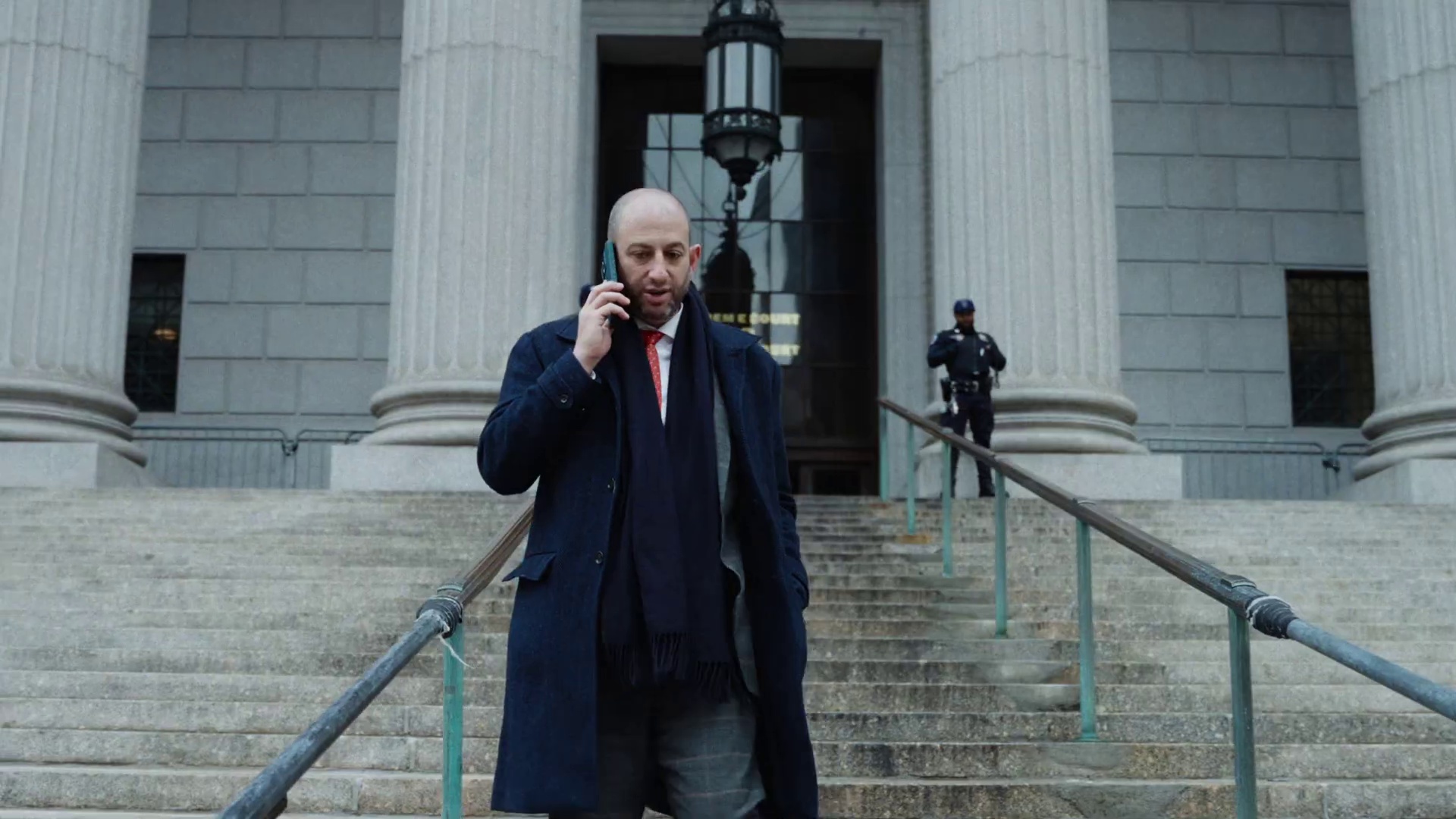
Todd Spodek
Lead Attorney & Founder
Featured on Netflix's "Inventing Anna," Todd Spodek brings decades of high-stakes criminal defense experience. His aggressive approach has secured dismissals and acquittals in cases others deemed unwinnable.
But wait – it gets more complicated. Did you get a second-draw PPP loan in 2021? Thats a seperate loan with a seperate timeline. Did you get an EIDL loan with ongoing repayment obligations? Any false statements you make in connection with that loan – maybe to avoid default or get a modification – could set a new last-act date. EIDL loans had ongoing requirements that extended well beyond PPP loans.

You received a PPP loan in April 2020 and used some funds for non-payroll expenses. A former employee recently contacted the SBA about your business, and now you're wondering whether the government can still bring charges against you six years later.
Has the statute of limitations expired on my PPP loan if I received it in April 2020 and it's now 2026?
No — you are far from safe. Under 18 U.S.C. § 3293, bank fraud and wire fraud connected to financial institutions carry a 10-year statute of limitations, meaning the government has until at least April 2030 to bring charges based on your original application. But that clock can be extended even further if prosecutors can show you engaged in any continuing concealment or made false statements during the forgiveness process, which would reset the starting date. Many defendants mistakenly believe the clock starts when the loan was issued, but it can actually begin from the last fraudulent act — including certifications you signed months or even years later.
This is general information only. Contact us for advice specific to your situation.
At Federal Lawyers, weve seen clients who thought there deadline was 2030 discover it was actualy 2032. Weve seen clients who thought they were in the clear becuase five years had passed – only to learn the retroactive extension applied to them. The extension wasnt prospective (applying only to future loans). It was retroactive (applying to loans already issued). That means the rules changed after you already played the game.
Consider the conspiracy angle. If your PPP fraud involved multiple people – maybe an accountant who prepared false documents, or a business partner who knew the applications were fake – the statute of limitations for the conspiracy runs from when the conspiracy ended, not when it began. A conspiracy “ends” when the last co-conspirator takes the last act in furtherence of the scheme. If someone else was still benefitting from the fraud or concealing evidence in 2022, your clock might not have even started until then.