





This is the most consequential decision in a federal opioid fraud case, and it is a decision that should be made only after a complete assessment of the evidence, the available defenses, the plea agreement’s terms, the sentencing consequences of conviction at trial, and the specific factors that distinguish this case from the general pattern.
No one can answer this question in the abstract. Not this article, not general statistics about federal conviction rates, and not the experience of other practitioners who faced similar charges. The decision belongs to the practitioner, informed by counsel who has assessed the specific evidence in the specific case against the specific legal standards applicable to the specific charges. What follows is a framework for making that assessment, not a prescription for its outcome.
The Trial Decision in Federal Court
Federal trial conviction rates in healthcare fraud cases exceed eighty percent. That figure is cited frequently. It is also frequently misunderstood. It does not mean that eighty percent of innocent practitioners are convicted. It means that the cases the government takes to trial are cases where the evidence is strong enough, and the defense position is weak enough, that juries convict in the substantial majority of instances. The government does not try its weakest cases. It resolves them through plea agreements.
The practitioner who is considering a trial decision should understand that the cases that resulted in the acquittals in that remaining minority had specific features that produced the acquittal: strong clinical documentation, credible medical expert testimony, evidence of genuine patient care, and a legal theory that gave the jury a principled basis for finding that the government had not proven its case beyond a reasonable doubt. If the specific case has those features, trial is a rational option. If it does not, the trial decision requires a different assessment.
The Plea Agreement as the Alternative
The plea agreement available in any specific case reflects the government’s assessment of the strength of their evidence and the defendant’s cooperation value. A plea agreement that includes significant sentencing concessions, government cooperation motions, or charges that carry lower mandatory minimums than the indictment’s primary counts is a plea agreement that reflects either the government’s acknowledgment of the defense’s strength or the defendant’s cooperation value. Understanding what produced the plea agreement’s terms is as important as understanding the terms themselves.
Need Help With Your Case?
Don't face criminal charges alone. Our experienced defense attorneys are ready to fight for your rights and freedom.
- 100% Confidential
- Response Within 1 Hour
- No Obligation Consultation
Or call us directly:
(212) 300-5196The trial penalty, the difference between the expected sentence after a plea and the expected sentence after a trial conviction, is real and often substantial in federal opioid fraud cases. The guidelines range at trial includes no acceptance of responsibility reduction, no cooperation departure, and whatever specific offense characteristics and enhancements the court finds established by the trial evidence. The range available through a negotiated plea may be substantially lower.
Factors Favoring Trial
Trial is the rational choice when: the government’s evidence has a credible alternative explanation that a defense expert can provide; the medical records support the clinical narrative the defense intends to present; the government’s key witness has a demonstrable reason to provide inaccurate testimony; the legal theory the prosecution requires is vulnerable to a challenge the court may sustain; or the plea agreement available does not represent a meaningful improvement over the expected trial outcome given the specific facts. These are specific circumstances, not general predispositions. They must be assessed against the evidence in the specific case.
Factors Favoring a Plea
A plea is the rational choice when: the medical records do not support a legitimate prescribing defense; the prescribing volume is so anomalous that no credible medical expert can explain it as within the standard of care; the government has recording evidence of the clinical encounters; the cooperation available through a plea would produce a sentence significantly below the trial conviction guidelines; or the practitioner’s personal circumstances, including health, family responsibilities, and financial resources, make the risk of a trial conviction and its associated sentence unsupportable.
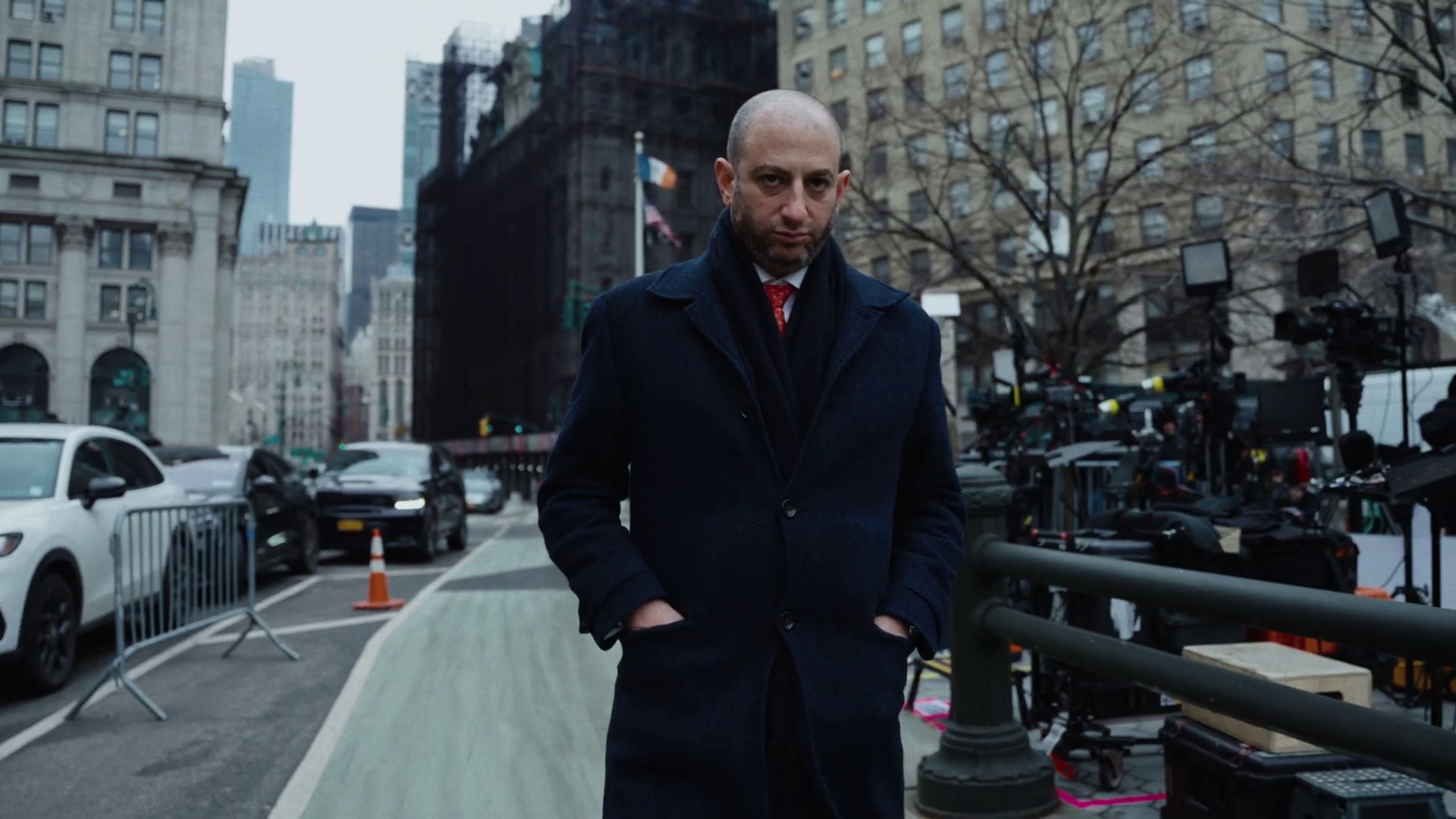
Todd Spodek
Lead Attorney & Founder
Featured on Netflix's "Inventing Anna," Todd Spodek brings decades of high-stakes criminal defense experience. His aggressive approach has secured dismissals and acquittals in cases others deemed unwinnable.
The practitioner who has made this decision through a thorough, honest assessment of the evidence, the available defenses, and the range of consequences is the practitioner who can commit fully to the chosen path, whether trial or plea, with the equanimity that effective representation requires. The practitioner who has made the decision on the basis of denial, wishful thinking, or the representations of counsel who has not fully assessed the evidence is the practitioner who will be most surprised by the outcome, regardless of which path was chosen.
A federal agent calls you and says they "just want to ask a few questions" about a business transaction.
Is it safe to talk to them informally?
There is no such thing as an informal conversation with a federal agent. Under 18 U.S.C. 1001, making any false statement to a federal agent is a felony, even without being under oath. Always consult an attorney before speaking with investigators.
This is general information only. Contact us for advice specific to your situation.
The Role of Counsel in the Decision
The decision to plead guilty or go to trial belongs to the practitioner. It does not belong to counsel. What belongs to counsel is the provision of a complete, honest, unvarnished assessment of the evidence, the defenses, the likely outcomes at trial, the terms available through a plea, and the full range of consequences that each path produces. The practitioner who receives that assessment from counsel who has the experience, the knowledge of the specific case, and the honesty to deliver it accurately is the practitioner best equipped to make the decision that the situation actually calls for.