





You’re reading this at 2am because you just got served with an SEC subpoena, or an investigator left a message, or your compliance officer walked into your office looking like someone died. And the question burning in your mind is simple: should I cooperate?
Welcome to Federal Lawyers. Our goal is to give you real information about SEC cooperation – not the sanitized version you find on other websites. What we’re about to tell you is uncomfortable. Its also the truth that nobody wants to say out loud because it makes the whole system look like a trap. Because it is.
Here’s what everyone misses: “should I cooperate with the SEC” is the wrong question entirely. It assumes you’re making a choice between two clear paths – cooperation that might help you, or resistance that might make them come after you harder. But that’s not actually the choice you’re facing. The real question is something nobody wants to ask: what exactly am I cooperating INTO? That question changes everything about how you approach this situation.
The Question You’re Actually Asking
Every other website gives you the same framework. They tell you cooperation can reduce penalties. They cite the Seaboard Report from 2001. They mention the SEC’s cooperation program with its 103 agreements since 2010, its 6 non-prosecution agreements, its 9 deferred prosecution agreements. They make it sound like theres a formula – cooperate properly, get credit, move on with your life.
Heres the thing. That framing is dangerious because it treats the SEC investigation as the only investigation happening. It treats your testimony as civil testimony that stays in the civil context. It treats the question as a negotiation over penalty amounts. None of those assumptions might be true in your case – and you wont know until its to late to change course.
our lead attorney has handled hundreds of these situations over his career, and he tells every client the same thing before they make any decisions: before you decide weather to cooperate, you need to understand what cooperation actualy means in practice. Not the press release version. Not the version where everyone gets credit and moves on. The version where your civil cooperation becomes criminal evidence that prosecutors use against you at trial.
The SEC investigation might already BE a criminal investigation. You just dont know it yet. And every word you say in your testimony, every document you produce “voluntarily,” every email you turn over to demonstrate good faith – all of it can end up in the hands of federal prosecutors who are building a case against you right now, at this very moment, while your sitting there thinking about cooperation credit. This isnt paranoia. This isnt worst-case-scenario thinking. Its how the system actualy works when you look behind the curtain.
Think about your situation right now. Your probably scared. Your probably confused. Your probably getting advice from multiple people who all seem to have differant opinions about what you should do. Some say cooperate fully. Some say invoke your rights. Some say wait and see. None of them are telling you the most important thing: the choice your making might not be the choice you think your making.
Need Help With Your Case?
Don't face criminal charges alone. Our experienced defense attorneys are ready to fight for your rights and freedom.
- 100% Confidential
- Response Within 1 Hour
- No Obligation Consultation
Or call us directly:
(212) 300-5196The Form They Hand You Before You Testify
Before the SEC takes your testimony, they hand you a document called Form 1662. Most people barely read it. They’re nervous, thier lawyer is sitting next to them, the investigators are waiting across the table. They glance at the form, sign it because they’re told to sign it, and start answering questions thinking they’re being cooperative.
That form contains the most important sentence you will ever read in a goverment investigation: “Information you give may be used against you in any federal, state, local or foreign criminal proceeding.”
Read that again. Information you give may be used against you in a criminal proceeding.
OK so heres were it gets truly problematic in ways most people dont anticipate. The Ninth Circuit Court of Appeals ruled in United States v. Stringer that when you testify after reading Form 1662, you have effectively waived your Fifth Amendment rights against self-incrimination. The form warns you explicitly. You proceed anyway. The court says thats a waiver. Thats the law in the Ninth Circuit, and other circuits have followed similar reasoning.
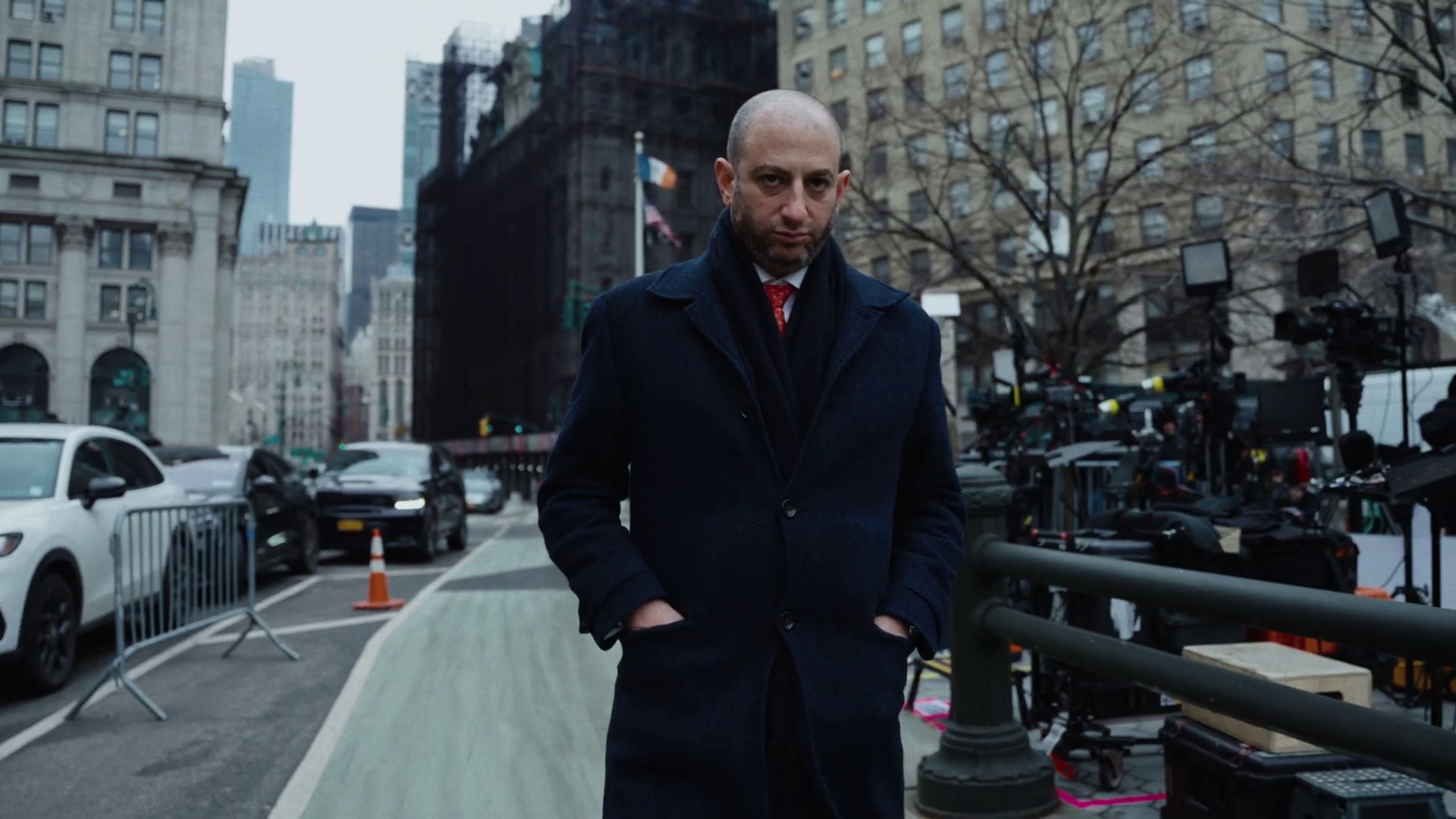
Todd Spodek
Lead Attorney & Founder
Featured on Netflix's "Inventing Anna," Todd Spodek brings decades of high-stakes criminal defense experience. His aggressive approach has secured dismissals and acquittals in cases others deemed unwinnable.
Think about what this means for your situation. The SEC hands you a piece of paper that basicly says “anything you say can be used to prosecute you criminally.” You sign it because you want to cooperate, because your lawyer told you cooperation matters, because you beleive showing good faith will help your case. You testify for hours because your trying to demonstrate that your being helpful, that your not hiding anything. And then, if criminal charges come later – which happens in 27% of SEC cases – the prosecution uses your own words against you. And you cant claim you didnt know the risk. You were warned. You signed the form. You waived your rights.
You receive a letter from the SEC's Division of Enforcement requesting documents related to trades you made in a biotech company shortly before a major FDA announcement. A friend who works at the company had mentioned the announcement in passing at a dinner party two weeks before it went public.
Should I turn over the documents and sit for a voluntary interview with the SEC, or will cooperating just give them more evidence to use against me?
The decision to cooperate with the SEC is never straightforward and should not be made without experienced counsel. Under the SEC's Cooperation Program, codified in SEC Policy Statement 2010-6, demonstrating genuine cooperation — such as self-reporting, providing documents promptly, and identifying other wrongdoers — can result in reduced charges, deferred prosecution agreements, or even a complete pass. However, anything you say or produce can absolutely be used against you in both civil enforcement actions and criminal referrals to the DOJ under parallel proceedings. Before responding to that letter, you need an attorney who can assess your exposure, negotiate the scope of any cooperation, and ensure you receive proper credit under the Seaboard Report factors if cooperation is the right strategic move.
This is general information only. Contact us for advice specific to your situation.
This is why Federal Lawyers exists – to get involved before you walk into this trap. Not after you’ve already testified. Not after you’ve already produced documents. Not after you’ve already waived rights you didnt fully understand you had. Once you’ve testified, theres no taking it back. No do-overs. No claiming you didnt mean what you said.
The form dosent tell you wheather a criminal investigation already exists. The SEC isnt required to disclose that information to you. It dosent tell you if DOJ prosecutors are watching your case, reading transcripts of your testimony, building a prosecution based on your cooperative answers. The form just warns you that your testimony can be used criminally – and by the time you finish testifying, you’ve potentially handed prosecutors everything they need to convict you.