Should I Cooperate With an FBI Investigation?
Cooperation is a legal mechanism with defined terms and consequences. It is not a disposition.
The question of whether to cooperate with a federal investigation is among the most consequential decisions a person under scrutiny can make, and it is among the decisions most often made badly, either through reflexive resistance that forecloses options that were available, or through reflexive accommodation that provides the government with evidence it could not otherwise have obtained. Neither posture reflects a strategic assessment. Both substitute emotion for analysis.
What Cooperation Actually Means
In federal practice, cooperation means the provision of information to the government in exchange for specific and defined benefits. Those benefits may include a non-prosecution agreement, a cooperation agreement that obligates the government to move for a sentencing reduction, or a deferred prosecution arrangement. What cooperation is not is a general attitude of helpfulness. The voluntary interview given without legal protection, the documents produced without negotiation over privilege, the answers offered at the door without counsel present: none of those constitute cooperation in the legal sense. They constitute the provision of evidence without the receipt of anything in exchange.
The distinction matters. One version of engagement with the government is a strategic transaction. The other is a transfer.
The Value of Cooperation to the Government
Federal prosecutors value cooperation because it produces evidence that is difficult to obtain otherwise: testimony from individuals with direct knowledge of the alleged conduct, corroboration for documentary evidence that would otherwise require extensive foundation, and the ability to reach defendants further up a criminal hierarchy than the evidence independently supports.
The government’s valuation of cooperation is not fixed. It depends on when the cooperation is offered, what the government already knows, and what the cooperating individual can add to the evidentiary picture. Cooperation offered before the government has developed its case independently is worth more than cooperation offered after the fact pattern is fully established. Cooperation that provides information about individuals of greater prosecutorial interest is worth more than cooperation that merely confirms what the government already believes.
The cooperating witness who arrives early, with information the government values and cannot easily obtain elsewhere, is in a different negotiating position than the cooperating witness who arrives after the indictment has been returned. Both are cooperating. The outcomes are not equivalent.
Need Help With Your Case?
Don't face criminal charges alone. Our experienced defense attorneys are ready to fight for your rights and freedom.
- 100% Confidential
- Response Within 1 Hour
- No Obligation Consultation
Or call us directly:
(212) 300-5196The Risks of Cooperation Without Protection
Cooperation without a formal agreement providing use protection is not cooperation. It is testimony. Testimony given voluntarily to federal agents is admissible against the speaker. It can be used to establish guilt, to challenge credibility at trial, or to provide the leads from which independent evidence is developed. The person who sits down with FBI agents and provides a full and honest account of their conduct, without any formal protection in place, has received nothing in exchange for the most valuable thing they possessed.
And if any detail of that account is inconsistent with the government’s evidence, the Section 1001 exposure arrives as a separate problem on top of whatever the original investigation concerned.
The Structure of a Proper Cooperation Agreement
A cooperation agreement, properly structured, defines the scope of the cooperation, the protection afforded to the cooperating individual, and the government’s obligations in exchange. The government commits to specific actions, a motion for sentencing reduction, a letter to the court, a declination of prosecution for specified conduct, in exchange for truthful and complete cooperation by the individual.
Those commitments are negotiated by counsel. They are reduced to writing. They are reviewed before any cooperation begins. The cooperating individual does not enter a room with federal agents until the agreement governing what happens in that room has been finalized.
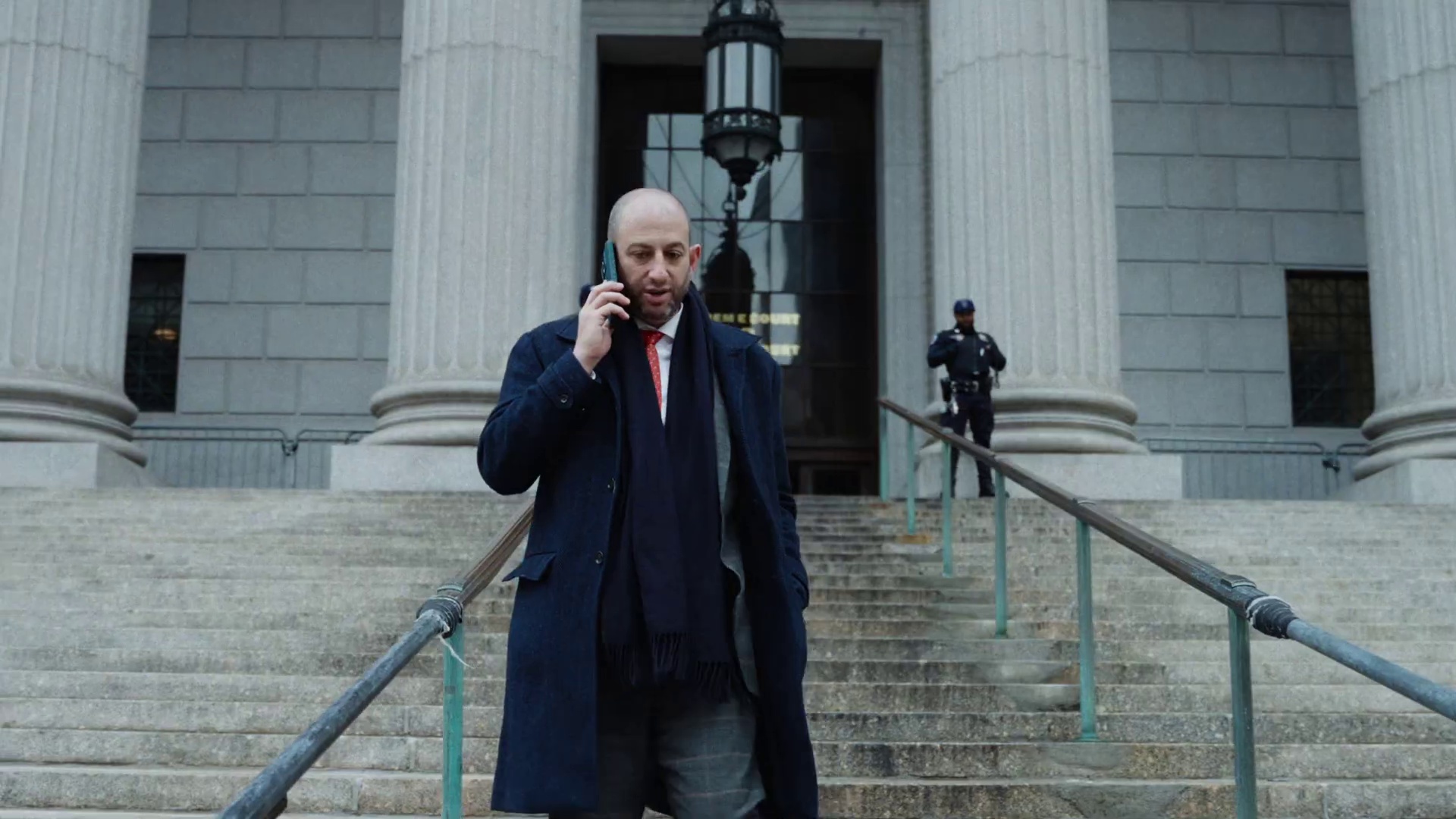
Todd Spodek
Lead Attorney & Founder
Featured on Netflix's "Inventing Anna," Todd Spodek brings decades of high-stakes criminal defense experience. His aggressive approach has secured dismissals and acquittals in cases others deemed unwinnable.
The Decision
Whether to cooperate depends on factors that include the strength of the government’s case absent cooperation, the nature of the conduct under investigation, the individual’s position within any alleged scheme, the prosecutorial office’s current priorities, and the specific benefits available in exchange for the cooperation being contemplated. Those factors require analysis.
The analysis is available. It is the work of the consultation, conducted before any decision is made and before any conversation with investigators occurs. The decision to cooperate, made after that analysis, is a different decision than the one made at the door on the morning the agents arrived.
That conversation is where the assessment begins.