PPP Loan Fraud Investigations: What You Need to Know
The Paycheck Protection Program distributed more than eight hundred billion dollars in relief funds between 2020 and 2021. The investigation of those distributions will occupy federal prosecutors for the remainder of this decade.
The Department of Justice established a dedicated COVID-19 Fraud Enforcement Task Force in May 2021, and its activity has been sustained and accelerating. By 2023, the task force had charged more than a thousand individuals in connection with pandemic relief fraud across multiple programs, with PPP loans representing the largest single category of alleged misappropriation. The investigations draw on data analytics, bank records, payroll records, and SBA loan application files to identify patterns of fraud at a scale that manual investigation could not address.
How PPP Fraud Cases Are Built
PPP loan fraud investigations begin with the data. The Small Business Administration and the Department of Justice’s data analytics teams have developed systems that compare loan application data against payroll records, tax filings, corporate registration records, and other databases to identify applications that appear inconsistent with the eligibility criteria or loan amount calculations. A loan application claiming a payroll of five hundred thousand dollars for a company with no employees on record prior to the application is a data anomaly that triggers review.
From the data anomaly, the investigation proceeds to document subpoenas: bank records, payroll service records, tax returns, corporate records, and the lender’s application file. The document review identifies whether the application’s representations about payroll, number of employees, and business operation were accurate. Where the documents establish that the representations were false, the investigation proceeds to interviews of the applicant and, where applicable, the individuals who prepared or submitted the application on the applicant’s behalf.
The Common Fraud Theories
The most frequently prosecuted PPP fraud theories involve fabricated payroll records, applications submitted on behalf of businesses that did not exist or were not operational at the time of application, applications that inflated payroll figures to obtain larger loan amounts, and applications submitted by individuals who used stolen or synthetic identities to impersonate legitimate business owners. Each theory requires proof of a knowing misrepresentation in connection with a federal loan program, satisfying the elements of wire fraud, bank fraud, or both.
The cases involving professional intermediaries, accountants, bookkeepers, or loan brokers who prepared fraudulent applications for multiple clients, pose particular issues for the individuals whose applications were prepared by others. A business owner who relied on a professional preparer to complete the PPP application and who provided accurate information to that preparer is in a different legal position from the business owner who knowingly approved inflated figures. The knowledge element requires proof that the defendant knew the application contained false information, and that proof may be difficult to establish against someone who genuinely relied on a third party’s representations.
Need Help With Your Case?
Don't face criminal charges alone. Our experienced defense attorneys are ready to fight for your rights and freedom.
- 100% Confidential
- Response Within 1 Hour
- No Obligation Consultation
Or call us directly:
(212) 300-5196The PPP fraud investigation that arrives at a business owner’s door years after the loan was obtained is an investigation that has already gathered the documentary record. The application, the loan proceeds distribution, the payroll records, and the certification of compliance have all been in the government’s possession for some time. What the investigation seeks from the interview is the defendant’s account of the facts the documents already establish.
The Knowledge Defense
The most significant defense available in PPP fraud cases is the knowledge defense: the argument that the defendant did not know the application contained false statements, or did not know that the business’s use of the loan proceeds violated the program’s conditions. Many PPP recipients operated under genuine confusion about the program’s requirements, the eligibility criteria, and the conditions for loan forgiveness. The government’s guidance changed during the program’s administration, and the urgency of the application process produced compliance errors that were not the product of fraudulent intent.
The knowledge defense requires documentation of the defendant’s understanding at the time of the application. Communications with lenders, reliance on published guidance, consultations with accountants or attorneys, and the business records that informed the payroll calculations are each components of the evidentiary record that supports the defense. The defendant who retained no records of the application process and who can offer only their testimony about their state of mind faces a harder case than the defendant whose contemporaneous communications reflect genuine efforts to comply with program requirements.
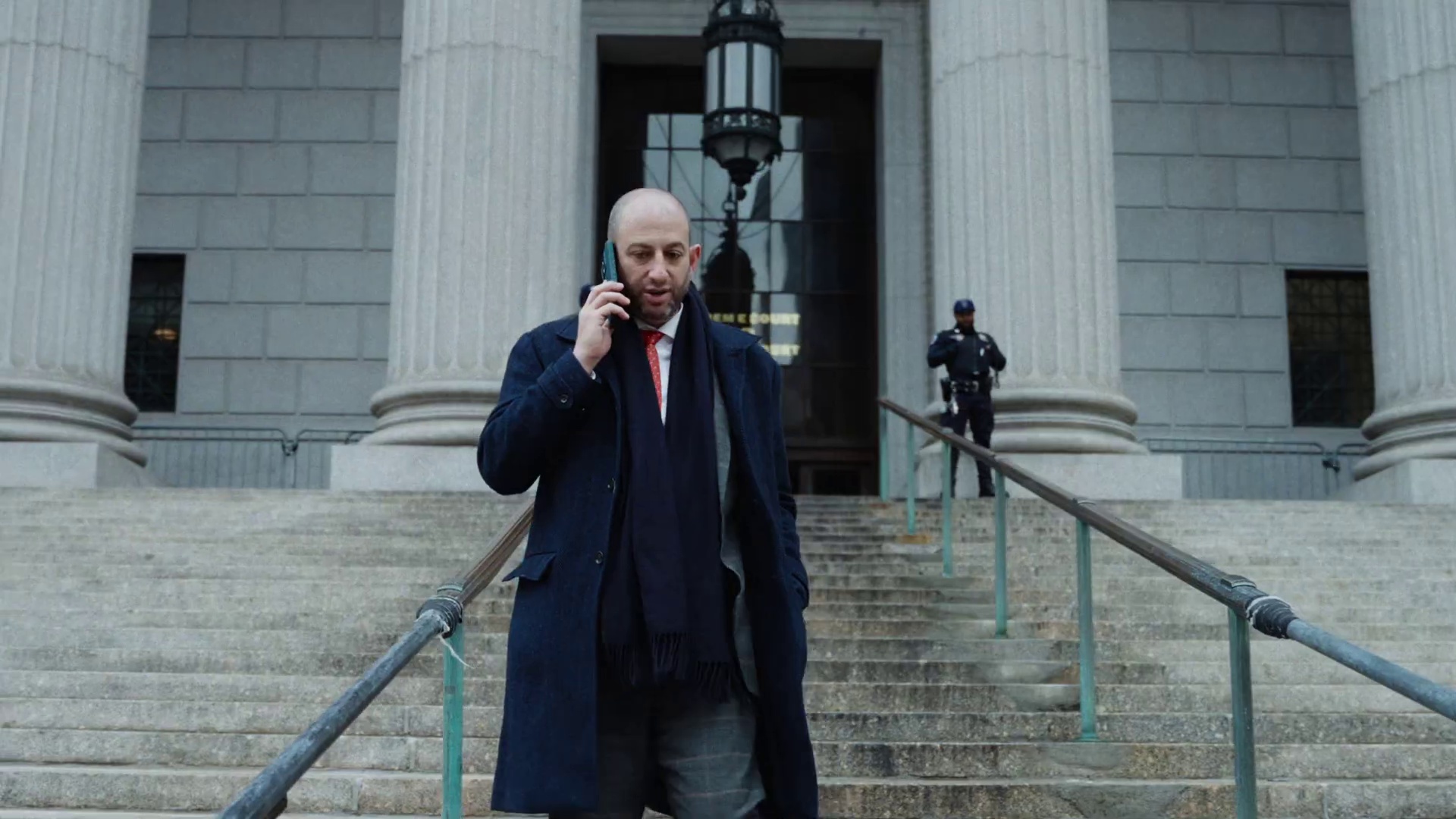
Todd Spodek
Lead Attorney & Founder
Featured on Netflix's "Inventing Anna," Todd Spodek brings decades of high-stakes criminal defense experience. His aggressive approach has secured dismissals and acquittals in cases others deemed unwinnable.
The Statute of Limitations
Federal fraud statutes carry a five-year general limitations period, which would place applications submitted in 2020 within the charging window through 2025. The specific limitations period applicable to CARES Act fraud was extended by legislation to ten years from the date of the offense for certain charges. The extended limitations period means that PPP fraud investigations will continue well into the second half of the 2020s.
A business that received a PPP loan and that has not yet been contacted by investigators is not necessarily beyond the government’s reach. The consultation that assesses the specific application, identifies any potential issues with the representations made, and evaluates the available defenses is a consultation that retains its value regardless of whether the investigation has formally announced itself.