






The category you occupy at the beginning of an investigation is not the category you will necessarily occupy at its conclusion.
The Department of Justice recognizes three formal designations within a federal grand jury investigation. Each carries different legal exposure, different procedural rights, and different strategic implications. The designations are not fixed. They are assessments, made by prosecutors on the basis of available evidence, that shift as the investigation develops. Understanding where you stand today is the precondition for understanding what can be done about it.
The Witness
A witness is a person with knowledge relevant to the grand jury’s inquiry but against whom the investigation has identified no criminal exposure. A witness who is called before the grand jury has a legal obligation to appear and testify unless a valid privilege applies. The Fifth Amendment protects against compelled self-incrimination, but a witness with no personal exposure to the conduct under investigation cannot invoke it as a basis for refusing to answer questions.
Witness status is the most precarious designation to hold without counsel. An individual who enters the grand jury room believing themselves to be a witness may answer questions in a manner that reveals exposure they did not recognize. The questions asked, and the direction they take, provide information about what the government is actually investigating. Without an attorney waiting outside the room and available for consultation between questions, that information arrives too late.
The Subject
A subject is a person whose conduct falls within the scope of the grand jury’s investigation but against whom the evidence has not reached the threshold required for target classification. The subject occupies an intermediate position: more exposed than a witness, less formally identified than a target.
Subject status is unstable in both directions. In four matters I have handled over the past two years, individuals who entered an investigation as subjects were reclassified as witnesses once counsel presented information that established their conduct was peripheral to the alleged scheme. In three others, subjects became targets as the investigation gathered additional evidence. Which direction that reclassification runs depends partly on the evidence and partly on how the subject engages, or declines to engage, with the investigation.
Subject status means the government has not yet decided. That interval, however brief, is where decisions made by counsel can affect the one the government eventually reaches.
Need Help With Your Case?
Don't face criminal charges alone. Our experienced defense attorneys are ready to fight for your rights and freedom.
- 100% Confidential
- Response Within 1 Hour
- No Obligation Consultation
Or call us directly:
(212) 300-5196The Target
A target is a person against whom there is substantial evidence linking them to the commission of a federal crime and who the prosecutor or grand jury has identified as a putative defendant. The word substantial carries real weight in DOJ guidelines. Target classification reflects a prosecutorial judgment that the evidence is sufficient to support an indictment, not merely to justify continued investigation.
A target retains the right to decline to testify before the grand jury. A target is entitled to notification of that status before being called to testify. A target has no right to present exculpatory evidence directly to the grand jury, though counsel may be able to present information to the prosecuting attorney’s office that affects the grand jury’s consideration.
The Movement Between Categories
Status designations shift. A person may receive a target letter and subsequently, through cooperation or the presentation of exculpatory information by counsel, be reclassified as a subject or a witness before indictment is returned. That reclassification does not eliminate exposure, but it changes its character substantially.
The reverse movement is equally possible and more common. Subjects who speak to investigators without counsel, who destroy documents, or who attempt to coordinate with other witnesses sometimes find that the government’s assessment of their role changes accordingly.
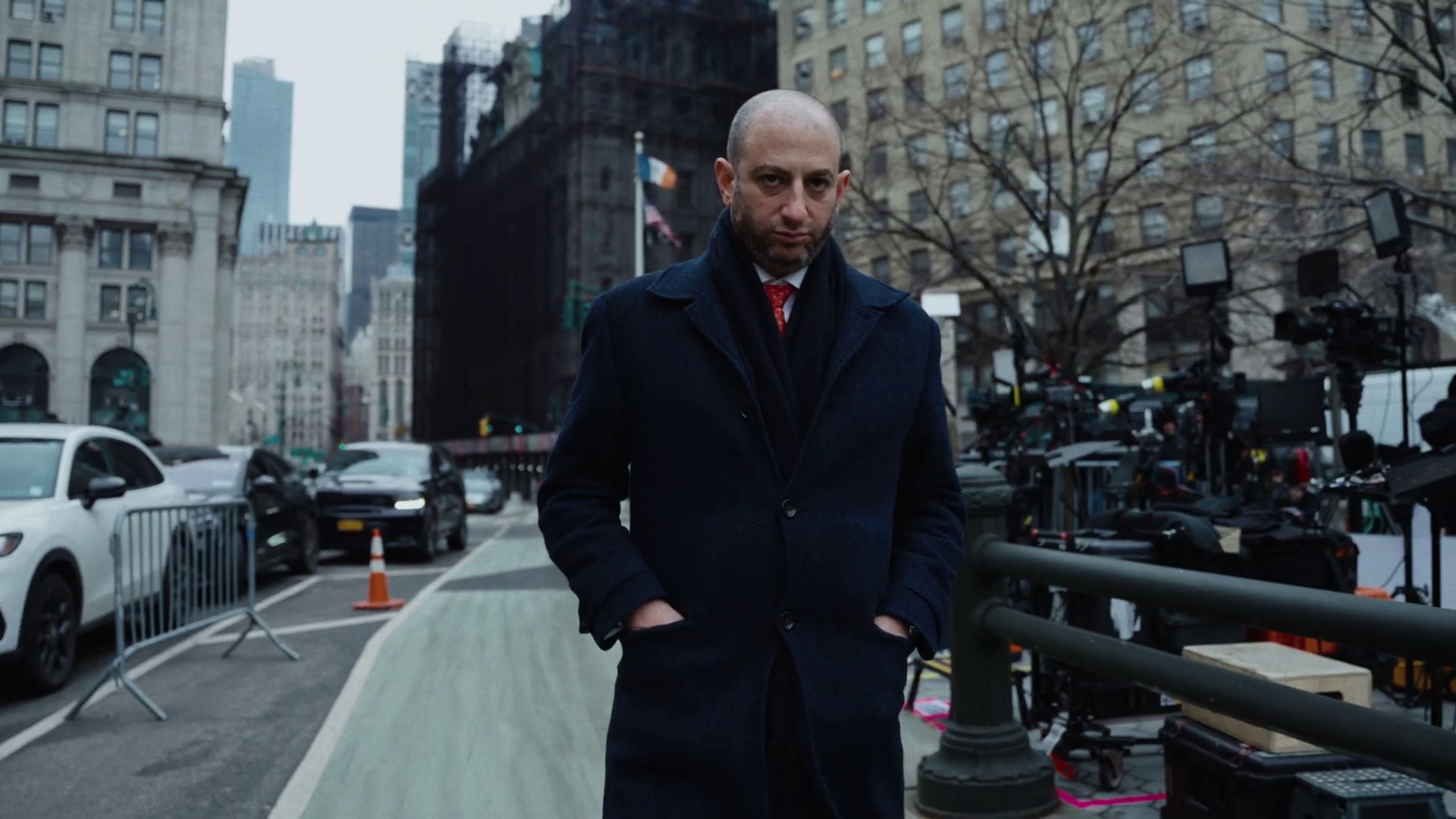
Todd Spodek
Lead Attorney & Founder
Featured on Netflix's "Inventing Anna," Todd Spodek brings decades of high-stakes criminal defense experience. His aggressive approach has secured dismissals and acquittals in cases others deemed unwinnable.
Why the Designation Matters Strategically
The strategy appropriate to a witness differs from the strategy appropriate to a subject, which differs from the strategy appropriate to a target. A witness who retains no counsel and testifies fully may serve the investigation’s purposes without protecting their own interests. A subject who declines all engagement may miss the interval in which reclassification toward witness status was achievable. A target who engages without understanding the asymmetry between their position and the government’s may foreclose options that were available at the moment the letter arrived.
A federal agent calls you and says they "just want to ask a few questions" about a business transaction.
Is it safe to talk to them informally?
There is no such thing as an informal conversation with a federal agent. Under 18 U.S.C. 1001, making any false statement to a federal agent is a felony, even without being under oath. Always consult an attorney before speaking with investigators.
This is general information only. Contact us for advice specific to your situation.
The designation tells you where you are. Counsel tells you where the path from here leads.
That conversation is the place to begin.