NYC Theft Lawyers
There are many different types of theft crimes as per the law throughout the United States. One involves actual loss versus intended loss. It’s important to understand what this means.
Intent is one component of a theft crime, but it cannot be the only one. The actual action of the theft crime is also a part of it. If a person intends to commit a crime, yet fails in spite of trying, this alone is insufficient in actually being considered a crime. The action can only be completed if the individual takes the required steps to actually commit the theft or any other type of crime. There must be both a physical action and intent in order to complete a crime.
If a person is convicted of this crime, there are a number of penalties they can face. Those penalties largely depend on the specifics of the action taken. No matter what the situation, if you are arrested for committing a crime, you need an experienced attorney on your side to build a strong defense in your favor. It is the best chance you have at getting the charges against you reduced or even potentially dropped.
Elements of Loss
In order for a person to commit a crime, there must be two key elements in place: the intent to commit it and actually carry out a physical act to commit the crime. After the individual’s arrest and subsequent sentencing in court, to determine the penalties handed down, the court will consider the exact monetary amount that was stolen. In other words, the court will consider the actual loss instead of simply that which was intended in an embezzlement case.
For instance, a person may have intended to steal $1 million but only succeeded in stealing $100,000. Even if they intended to take a far greater amount of money than they ultimately stole, the actual loss comes into play and is the determining factor for the amount of prison the individual receives, as well as any other penalties handed down.
At the same time, it’s important to understand that if the defendant’s intent itself may also be counted as a crime. If they carry out certain steps to commit a crime and the intent is to commit embezzlement by stealing a specific amount of money, then the individual can also be charged with attempted embezzlement.
For example, if a person forges a check from another person but that individual catches on and puts a freeze on the check, the forger can still be charged with a crime. In other words, while the actual theft may not have been successful, the individual still had the intent to steal money from the other person. This would be considered a lesser charge, but at the same time, the person would still be charged with a felony if the amount of money they intended to steal was large.
Determining an Estimation of Loss
It should be known that ultimately, in an embezzlement case, the estimation of the intended loss is not as important as the actual amount of money that was lost. The defense attorney can argue that the prosecution may decide any financial amount they want without using any concrete evidence or the actual amount of money that was embezzled in the crime.
Just as with any other type of crime, there must be evidence in the case to back up that the crime actually occurred. It cannot simply be hearsay or an assumption of a specific amount of money that the defendant embezzled. This would equate to the District Attorney failing to provide the defense with proper notice of the nature and extent of the crimes with which they have been charged. The defense is legally entitled to the option of challenging the charge and making restitution.
While it is possible that a mere estimation can be proven beyond a reasonable doubt, it is usually relevant during the earlier stages of the case, specifically, during the investigation or arrest. Estimated loss is more important for bail purposes as it can set the stage for the prosecution being able to appeal to a judge so they can get enhanced bail for the defendant.
In addition, estimated loss is essentially irrelevant when the defense makes a plea. The prosecution will want an actual loss so that sentencing can be more appropriate. An attorney is unable to make restitution with an estimated loss. The defendant also cannot accept responsibility for an estimated loss. There must be a concrete dollar amount in place so the sentencing can be effective and appropriate.
Burden of Proof
After someone is charged with any theft crime, the prosecution must be able to prove that the crime occurred. This proof could be shown to a jury of the person’s peers or to a judge depending on the type of crime. One of the things that the prosecution will try to do and is tasked at doing if the case is to move forward is to show that you took items from another without the person’s permission. This is the simple definition of theft. If there is not enough evidence presented, then the case is usually dismissed. One of the things that the prosecution will try to do is show that you either did not know the person you took items from or took items without the person’s knowledge that the activity was occurring. The prosecution also has to prove the value amount of the items that were taken when the theft was committed.
Your attorney can describe the details surrounding the burden of proof that the prosecution needs to meet. If you can show your attorney evidence that you did not commit the crime, then a defense can be presented showing that you are not guilty of the charges. However, these details need to go against any details that the prosecution claims to be able to prove in court.
When the prosecution presents your case in court, it needs to show that there was an intent of some kind when the theft was committed. If you accidentally took something without intending to take it, then the prosecution would not be able to deliver the burden of proof needed in court. Another defense that you could discuss with your attorney is that you believed the items that you took were yours. If you have proof that the items are yours when you go to court, then you’ll usually be allowed to keep them without being charged with the theft of the items.
At times, the prosecution could prove that you added money to a bank account that wasn’t yours and that you were using or that you added money to an account that you didn’t set up in the proper manner. Another detail that the prosecution could show in court would be that there is an abnormal amount of spending on a credit card that circles back to possessions that you now own. Since there are specific details that need to be presented in court, your attorney needs to be able to examine all of the evidence while having a clear understanding of the laws in the state that surround theft. Your attorney can discuss possible defenses with you that could reduce your charges or have them dismissed if you’re able to show that you did not intentionally take the items that you’re accused of taking.
Need Help With Your Case?
Don't face criminal charges alone. Our experienced defense attorneys are ready to fight for your rights and freedom.
- 100% Confidential
- Response Within 1 Hour
- No Obligation Consultation
Or call us directly:
(212) 300-5196If you’re charged with theft or embezzlement, then the prosecution can offer various types of evidence to show that you intended to commit the crime. Examples of items that can be presented in court include invoices that have been changed, records of receipts and checks that have not been filed properly or that have been altered, and records of cash advances where the money has been deposited into an account that you own or that you have access to for withdrawing money. Once this evidence has been submitted, the prosecution will review the information and monitor details pertaining to accounts to see if there is any abnormal activity. The prosecution will also examine how much money is taken and where it’s going.
If there is no clear bank account involved, then the prosecution could ask to see credit card records, utility statements, or car records to determine where the money has been spent. If you are charged with taking money or items from someone, then these details will be presented in court before your attorney offers a defense as to whether you knew about the activity and your role in taking the money if you were involved. If there is someone else who has access to an account where money has been deposited, then your attorney can sometimes use that as a defense, negating the burden of proof offered by the prosecution in court.
Common Misconceptions
There are a number of common misconceptions that occur regarding theft crimes. Multiple theft crimes are outlined in statutes on both a state and federal level. These can include everything from petty theft to embezzlement. It’s important to understand misconceptions about these crimes and to talk to an experienced lawyer if you believe you may be suspected of a theft crime.
Embezzlement Misconceptions
One of the most prevalent misconceptions about embezzlement is that it is a white-collar crime that doesn’t have any victims. Many perpetrators say that they rationalized the crime to themselves by telling themselves that insurance would reimburse the damages. But embezzlement can cause serious problems and even ruin people’s lives. If you’ve been accused of embezzlement, you need to understand the ramifications of the crime and talk to your lawyer about how to create the best possible defense.
There are other common rationalizations that people use as well. In addition to telling themselves that insurance will take care of it, they might think that ongoing theft isn’t an issue if no one ever notices it, and that no one will ever be hurt. But this isn’t accurate.
People who have their money stolen through embezzlement crimes can sometimes have serious life impacts. This is especially true if the money isn’t recovered. There’s no guarantee that insurance will reimburse the stolen money, so if they don’t get it back, they’ll have lost a lot. The person who committed the crime will do time behind bars and pay a fine, but the person who was stolen from might lose their life savings, their livelihood, their home, or their ability to provide for their family. They might not be able to buy groceries, pay their rent, or meet their day-to-day financial needs.
There’s a big misconception in embezzlement crimes that taking small amounts of money won’t have any impact on a physician, hedge fund, trust, bank, or other wealthy entity. Even though the business or entity might continue to operate seemingly unharmed, any negative loss has a serious effect on the company or entity’s ability to function.
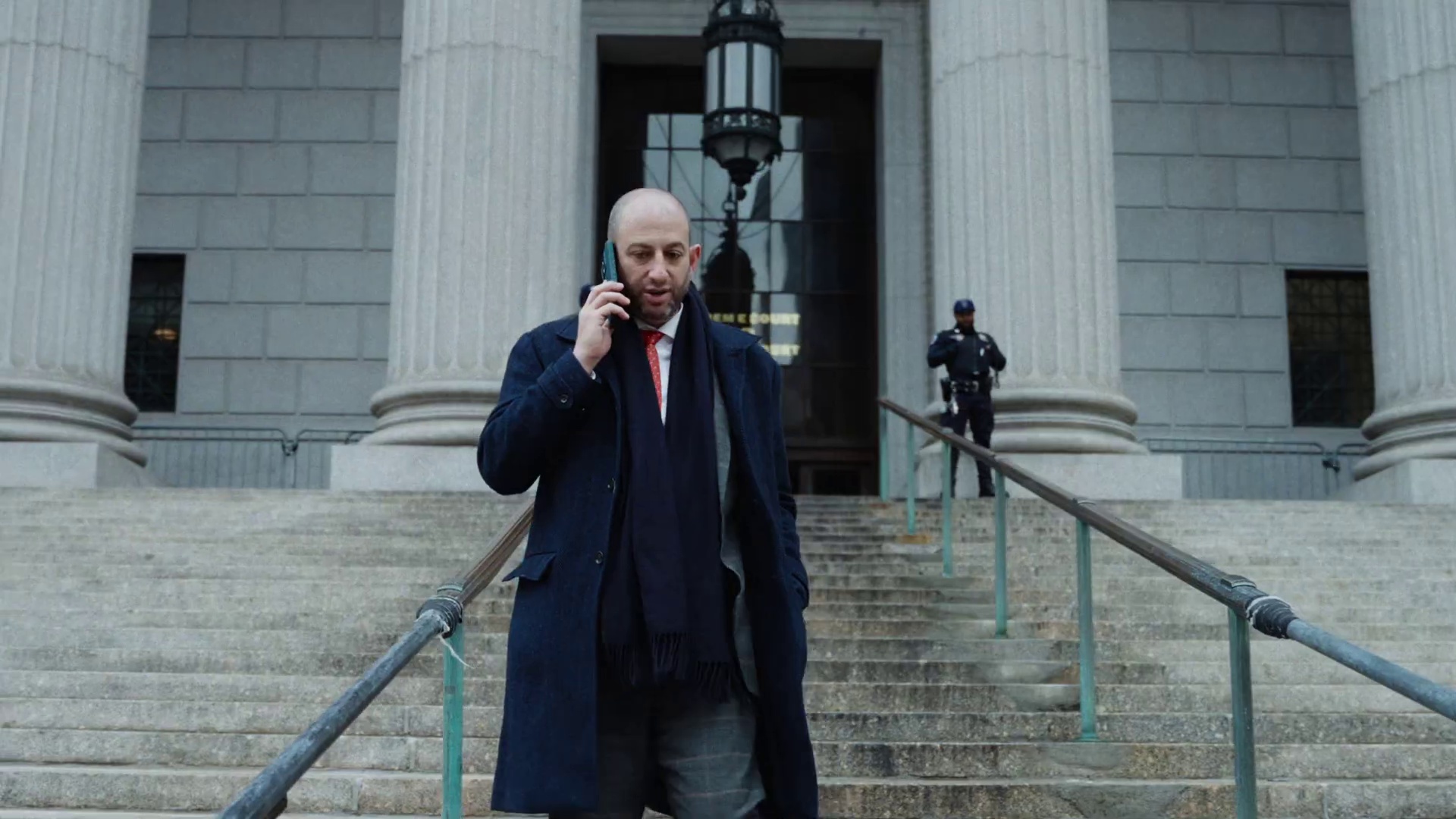
Todd Spodek
Lead Attorney & Founder
Featured on Netflix's "Inventing Anna," Todd Spodek brings decades of high-stakes criminal defense experience. His aggressive approach has secured dismissals and acquittals in cases others deemed unwinnable.
The damage inflicted and the loss to the entity has a big impact on sentencing. For this reason, if you’re facing any kind of embezzlement allegation, it’s vital that you talk to an attorney to figure out the scope of the problem.
Embezzlement isn’t a crime that just makes numbers have issues on paper. There’s also an impact on real humans. The worse the impact to individual people, the worse the sentencing tends to be for the perpetrator. If you’ve been accused of embezzlement, your accuser might say that their business is bankrupt due to your impact. The accuser might also go into detail about the specific impact that the crime had on themselves, their employees, and their family.
These cases can become very emotional, and emotion has a big sway in the courtroom. A DA who hears from individuals affected by the crime tends to be harsher. If people impress upon the DA that they feel violated, have ongoing negative life impacts, and had their trust maliciously broken, the DA will be much less likely to view the accused with sympathy.

You were caught on security camera placing several items into your bag at a department store in Manhattan, but you were stopped by loss prevention before you could leave the building. The store manager is threatening to press charges and says you could face serious jail time even though you never actually left with the merchandise.
Can I still be charged with theft in New York if I never made it out of the store with the items?
Under New York Penal Law § 155.25, larceny requires the intent to deprive an owner of property, and courts have held that concealment of merchandise can establish that intent even before you exit the store. Depending on the value of the items, you could face charges ranging from Petit Larceny, a Class A misdemeanor carrying up to one year in jail, to Grand Larceny in varying degrees if the value exceeds $1,000. A skilled NYC theft attorney can challenge the evidence of intent, argue that you had not yet completed the act of taking, or negotiate for a disposition like an Adjournment in Contemplation of Dismissal (ACD) if you have no prior record. The distinction between actual loss and intended loss matters here because prosecutors must prove what you specifically intended to take, not just what was near you or in your possession momentarily.
This is general information only. Contact us for advice specific to your situation.
The on-paper numbers don’t matter as much as the human impact. The damage to the other person will have a much bigger impact in court and sentencing than the exact dollar figure stolen. If you defraud a family of their children’s college fund and retirement funds, for example, the lasting impact of this is more gutwrenching than stealing a million dollars from an extremely successful billion-dollar corporation.
If you’ve been accused of embezzlement, it’s not just about the numbers. You need to be aware that you will be facing the human element of the crime. You and your lawyer can talk about whether the best option is to explain away, minimize, or confront the human element as part of your defense.
Credit Card Fraud Misconceptions
There are a ton of credit card scams that people run to try to get sensitive financial information. Many misconceptions abound regarding the specifics of this crime. Like with embezzlement, one of the most common misconceptions is that the crime is victimless. You might believe that the credit card company will reimburse the individual, or that taking just a few dollars won’t impact anyone, or that finding a credit card isn’t the same as stealing.
People often rationalize their behavior while they’re doing it. When they get caught, they may be surprised to face the consequences of their actions. Credit card fraud can have a serious impact on the victims, especially if they didn’t have a lot of money to begin with. It can cause their bank account to become overdrafted, them to go into debt, and for their credit score to be negatively impacted.