




NYC Federal Child Pornography Lawyers
Federal prosecutors consider child pornography as a heinous crime and they will prosecute it to the fullest extent of the law. Someone convicted of making, distributing, receiving, and/or possessing, this type of pornography faces severe punishments that will forever alter his or her life. Anyone charged, or even under suspicion, of these crimes needs the assistance of experienced NYC federal child pornography lawyers.
What is Child Pornography?
For federal law purposes, a minor is defined as someone below the age of 18.
According to US federal law (18 U.S. Code § 2256), child pornography is defined as “any visual depiction, including any photograph, film, video, picture, or computer or computer-generated image or picture” which falls into three situational categories:
- it involves the use of a minor engaged in sexually explicit conduct
- it is an indistiguishable visual depiction of a minor engaging in sexually explicit conduct
- it is a created, adapted or modified image that appears to show an identifiable minor engaged in sexually explict conduct
In laymen’s terms, child pornography is any visual image that shows a child engaged in sexual situations. This includes, but is not limited to, photos, videos, drawings, animations, and computer enhanced visuals.
And a child does not need to be involved in the production of the material. A fictional representation of a child engaged in a sexual situation is considered as serious as one where a real child is used.
The Penalties of a Child Pornography Conviction
Federal law offers prosecutors a number of options when it comes to charging someone involved with child pornography. The law makes it criminal to distribute, transport, import, receive, or possess this type of pornography. Each type of action can bring a different charge and penalty for someone convicted.
Need Help With Your Case?
Don't face criminal charges alone. Our experienced defense attorneys are ready to fight for your rights and freedom.
- 100% Confidential
- Response Within 1 Hour
- No Obligation Consultation
Or call us directly:
(212) 300-5196Simple possession of child pornography does not mandate a minimum prison sentence for a first time offender, though that person can be sentenced up to 10 years. For a repeat offender, the minimum is 10 years and a maximum of 20.
The problem lies in the fact that for someone to possess child pornography he or she must have received it. Receipt of child pornography is a separate charge from simple possession. For a first time offender, the minimum penalty is 5 years with a maximum of 20 years. For a repeat offender, the minimum is 15 and the maximum is 40.
Transporting, importing and distributing child pornography involve similar penalties to those defined for receiving it.
Creating child pornography is considered even more serious than possession, receipt or distribution. Thus the penalties are more severe. A first time offender faces a minimum of 15 years in prison, up to 30 years maximum. A repeat offender can face up to life imprisonment.
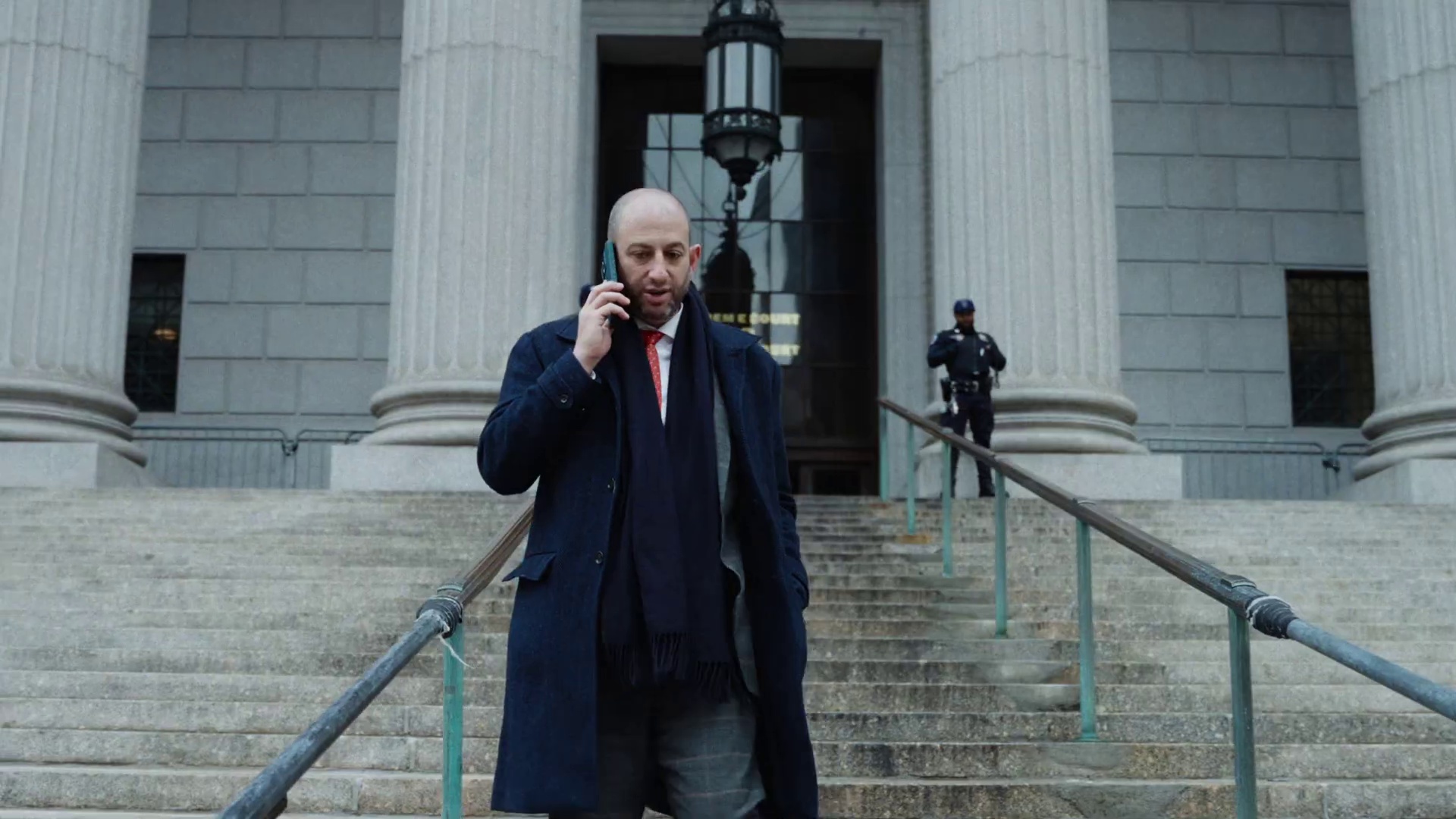
Todd Spodek
Lead Attorney & Founder
Featured on Netflix's "Inventing Anna," Todd Spodek brings decades of high-stakes criminal defense experience. His aggressive approach has secured dismissals and acquittals in cases others deemed unwinnable.
Anyone convicted of a child pornography charge is automatically placed on the sexual offender registry. That makes finding a job or a place to live difficult if not impossible. That person can also face state charges for child pornography crime.
Defending Against Federal Child Pornography Charges

A father discovered that his teenage son had been using the family computer to download explicit images of minors, and now federal agents from Homeland Security Investigations have seized the computer and are seeking to question both the father and son. The father is terrified that he could face federal charges simply because the illegal material was found on a device registered in his name and connected to his home internet account.
Can I be charged with federal child pornography possession even though my son was the one who downloaded the images onto our shared family computer?
Under 18 U.S.C. § 2252 and § 2252A, federal prosecutors must prove that you knowingly possessed, received, or distributed child sexual abuse material, so mere ownership of the computer alone is generally insufficient for a conviction. However, prosecutors often use circumstantial evidence such as browsing history, file access timestamps, and user account logins to establish who had knowledge and control of the illegal files, which means anyone in the household could face scrutiny. It is critical that you do not speak to federal agents or consent to further searches without an attorney present, as anything you say can be used to build a case against you or your son. An experienced federal defense lawyer can challenge the government's evidence regarding knowledge and intent, negotiate with prosecutors, and potentially prevent charges from being filed in the first place.
This is general information only. Contact us for advice specific to your situation.
When someone is charged with federal child pornography crimes, an attorney will advise of the appropriate defenses that can be used to fight the charges. There are several options available.
- Unknowing possession or access – The most common defense used is unknowing possession or access. If someone accidentally downloads or views child pornography, the defense can argue that the defendant was not criminally intent on breaking the law.
- Attribution to the wrong party – One person may possess child pornography, but someone else may be charged with it because the prosecution went after the wrong person. For example, child pornography found on a shared computer where several people have access. One user may be charged, though the actual pornography was downloaded and viewed by another user.
- Procedural issues – Police and prosecutors must follow all legal procedures to get a clean conviction. For example, if the police acted without probable cause during a search for evidence, that evidence may be deemed inadmiss1ble at trial for failure to follow appropriate procedures.
Anyone charged with, or facing potential charges for, child pornography, needs the help of an experienced attorney. The attorney can advise the defendant of his/her rights and help sort through options available. The attorney can help you mount a defense or submit a plea.