




New York / NYC Lawyers For Buying a Retail Liquor License
The main obstacle in the establishment or operation of any bar, restaurant or alcohol retail store is the ability to obtain a liquor license. This is a document that allows a business to legally sell alcohol within its desired municipality. The procedures related to the issuance of a new liquor license or transfer of an existing liquor license are extremely document-intensive and time-sensitive. This is where liquor license lawyers come in.
Why you Need a Lawyer when Buying a Retail Liquor License
Liquor licensing laws are very complex and rigid. If you don’t fully understand the terms of your specific liquor license, you might unintentionally breach one of them. This makes it imperative for you to hire an attorney who has extensive experience in all aspects of alcohol beverage law, including liquor license laws and regulatory compliance. Such lawyers help with the following:
• Advice on nightclub, bar, catering and liquor licensing law
• Obtaining or transferring liquor licenses
• Advice on managing offences under the liquor act
• Advice on handling all the risks involved in being a liquor license holder
In addition to the above, liquor license lawyers are continually conversant with the latest and ongoing changes of alcohol industry legislation. They provide their clients with resources, guidance and expertise needed to navigate all levels and tiers of the liquor licensing industry.
Types of Liquor Licenses a Lawyer Can Help You Obtain
One invaluable piece of advice your liquor license attorney will offer you is in regard to the most ideal type of liquor license for you to buy. Liquor licenses are divided into two categories – On-Premise Retail Licenses and Off-Premises Retail Licenses. The following are the main types of retail liquor licenses:
• Tavern License: A type of on-premise liquor license given to businesses whose primary source of revenue comes from the sale of liquor.
• Incidental Activity License: A type of on-premise liquor license that’s usually given to businesses that sell liquor but whose primary source of revenue isn’t from the sale of liquor. It’s appropriate for hotels, restaurants, bowling alleys, banquet halls, etc.
• Packaged Goods License: A type of off-premise liquor license is given to establishments that sell liquor in its original manufacturer packaging to be consumed off premise. It’s ideal for businesses such as convenience stores, grocery stores, party stores and drug stores, etc.
Need Help With Your Case?
Don't face criminal charges alone. Our experienced defense attorneys are ready to fight for your rights and freedom.
- 100% Confidential
- Response Within 1 Hour
- No Obligation Consultation
Or call us directly:
(212) 300-5196• Club License: Issued to nonprofit corporations that are incorporated exclusively for the promotion of a purpose that’s not related to alcohol consumption.
• Caterer’s License: Given to restaurants and caterers who serve alcohol and food off premises.
• Brewpub License: Given to a business that brews its own beer and sells it to customers. It’s mostly given to wineries and breweries.
While the processes of obtaining these liquor licenses may seem easy and clear-cut, there are many nuances of each of them. After developing your business plan, it’s imperative that you meet with a liquor license attorney to confer about the best approach for obtaining the most ideal license for your business.
Factors that Affect the Cost of Retail Liquor License
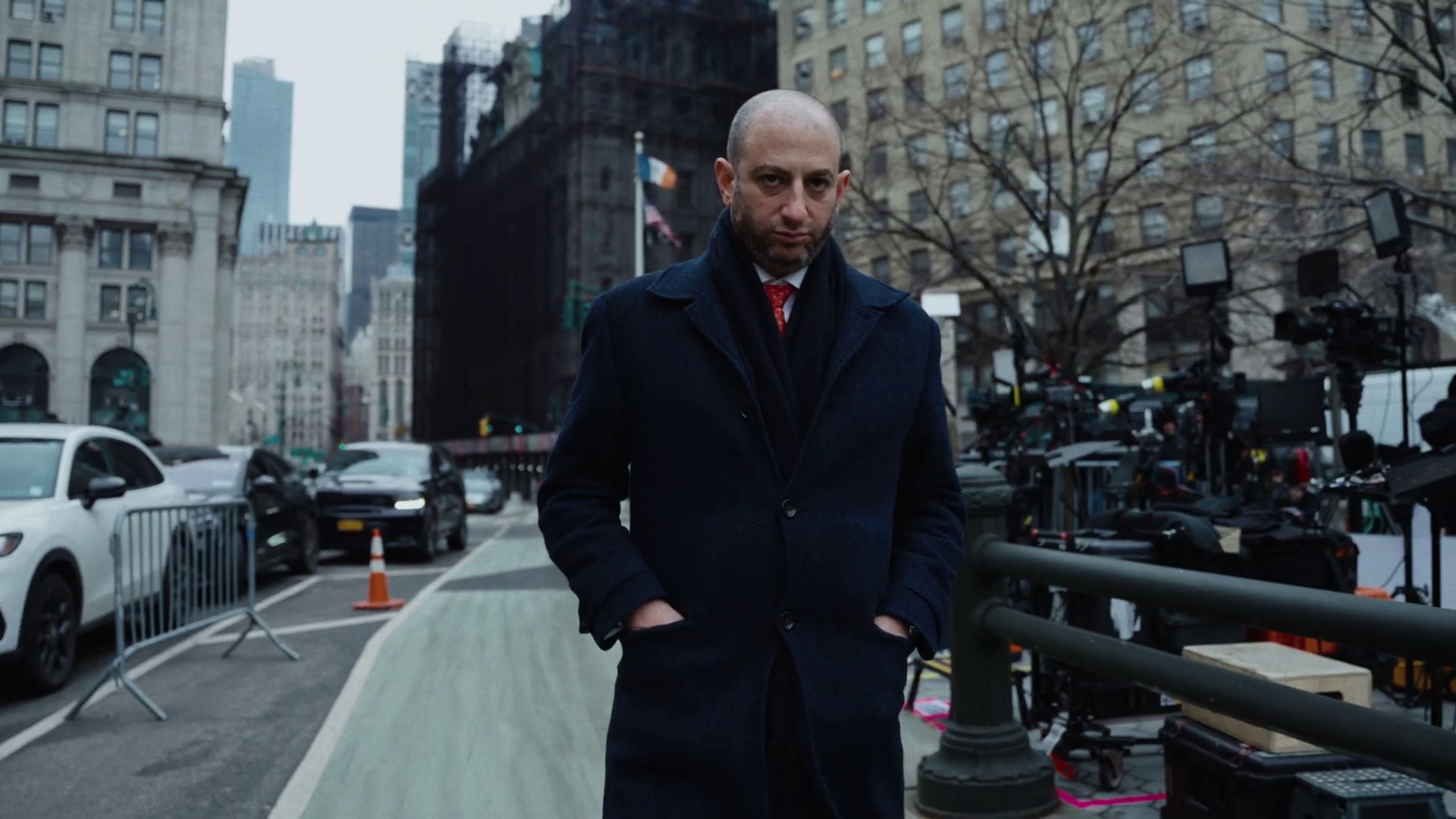
Todd Spodek
Lead Attorney & Founder
Featured on Netflix's "Inventing Anna," Todd Spodek brings decades of high-stakes criminal defense experience. His aggressive approach has secured dismissals and acquittals in cases others deemed unwinnable.
Besides guiding you in the process of obtaining the most appropriate liquor license for your business, your liquor license lawyer will also help you to evaluate all the factors that will affect the cost of buying your retail liquor license. These factors include:
• The kind of business you want to establish, i.e. hotel, restaurant, bar, convenience store, etc.
• Whether consumption of liquor will happen on-premises or off-premises
• Type of liquor you intend to sell. Different types of alcohol require different types of licenses.
• What hours you intend to sell. The later your business stays open, the more expensive the license.
• Do you intend to manufacture, distribute, or sell liquor, or any combination of the three?
You've signed a lease for a prime Manhattan location to open a cocktail bar, but your application to the New York State Liquor Authority for a retail liquor license has been delayed for months due to a pending community board objection. Your landlord is threatening to terminate the lease if you don't open within 60 days, and you're hemorrhaging money on rent with no ability to serve alcohol.
Can I do anything to expedite my SLA liquor license application, and is there a way to legally begin operating while the full license is still pending?
Under New York Alcoholic Beverage Control Law § 110, the SLA may issue a temporary retail permit that allows you to operate while your full license application is being processed, provided there are no unresolved objections under ABC Law § 64. We can work to address the community board's concerns directly, as their input under the 500-foot rule is advisory rather than binding on the SLA's final determination. Our attorneys have experience presenting cases before the Full Board of the SLA and negotiating stipulation agreements that satisfy community concerns while protecting your business timeline. We can also review whether your landlord's lease termination threat may be unenforceable given the regulatory delays outside your control.
This is general information only. Contact us for advice specific to your situation.
Conclusion
Buying a retail liquor license is an in-depth ongoing process, and it is rare that you’ll get your license after sending in your first application. If you decide to obtain the license on your own, be sure that there will be multiple correspondences back and forth asking for various relevant documents and verifying various details. Having an experienced liquor license lawyer can help speed up the process and minimize the costs.