NY Penal Law § 120.45: Stalking in the fourth degree
NY Penal Law § 120.45: Stalking in the fourth degree
Stalking entails repeated, unwanted behavior that appears obsessive toward another individual. As a result of such behavior, that individual feels emotionally, mentally or physically threatened. As a behavior, stalking can include a variety of actions such as following, telephoning, emailing, and texting. It can also involve unexpectedly appearing or lurking around at a person’s place of employment, or sending someone messages through third party. The least serious stalking offense is stalking in the fourth degree. It is one of two stalking offenses that are classified as misdemeanors. You will be charged with stalking in the fourth degree under New York Penal Code § 120.45 if you do any of these things:
- Repeatedly tail, track or communicate with another individual in a manner that makes that person believe that you might physically harm that person, harm that person’s loved ones or damage that person’s property, or
- Repeatedly tail, track or communicate with another person in a manner that makes that causes the individual to suffer mental or emotional harm, or
- Appear unexpectedly and without invitation at another’s job or business, or communicate with that individual at his or her job or business such that you put his or her job, business or career in peril.
Example
In the case of People v. Tomossone, 961 N.Y.S.2d 360 (2013), the prosecutor brought evidence that, after Tomossone’s supervisor suspended Tomossone from the job, Tomossone began to stalk his supervisor by following him to his residence and to other locations in the area. Tomossone was convicted of stalking in the fourth degree.
Offenses that are Related
Stalking in the third degree: New York Penal Code § 120.50
Need Help With Your Case?
Don't face criminal charges alone. Our experienced defense attorneys are ready to fight for your rights and freedom.
- 100% Confidential
- Response Within 1 Hour
- No Obligation Consultation
Or call us directly:
(212) 300-5196Stalking in the second degree: New York Penal Code § 120.55
Stalking in the first degree: New York Penal Code § 120.60
Kidnapping in the second degree: New York Penal Code § 135.20
Harassment in the first degree: New York Penal Code § 240.25
Aggravated harassment in the second degree: New York Penal Code § 240.30
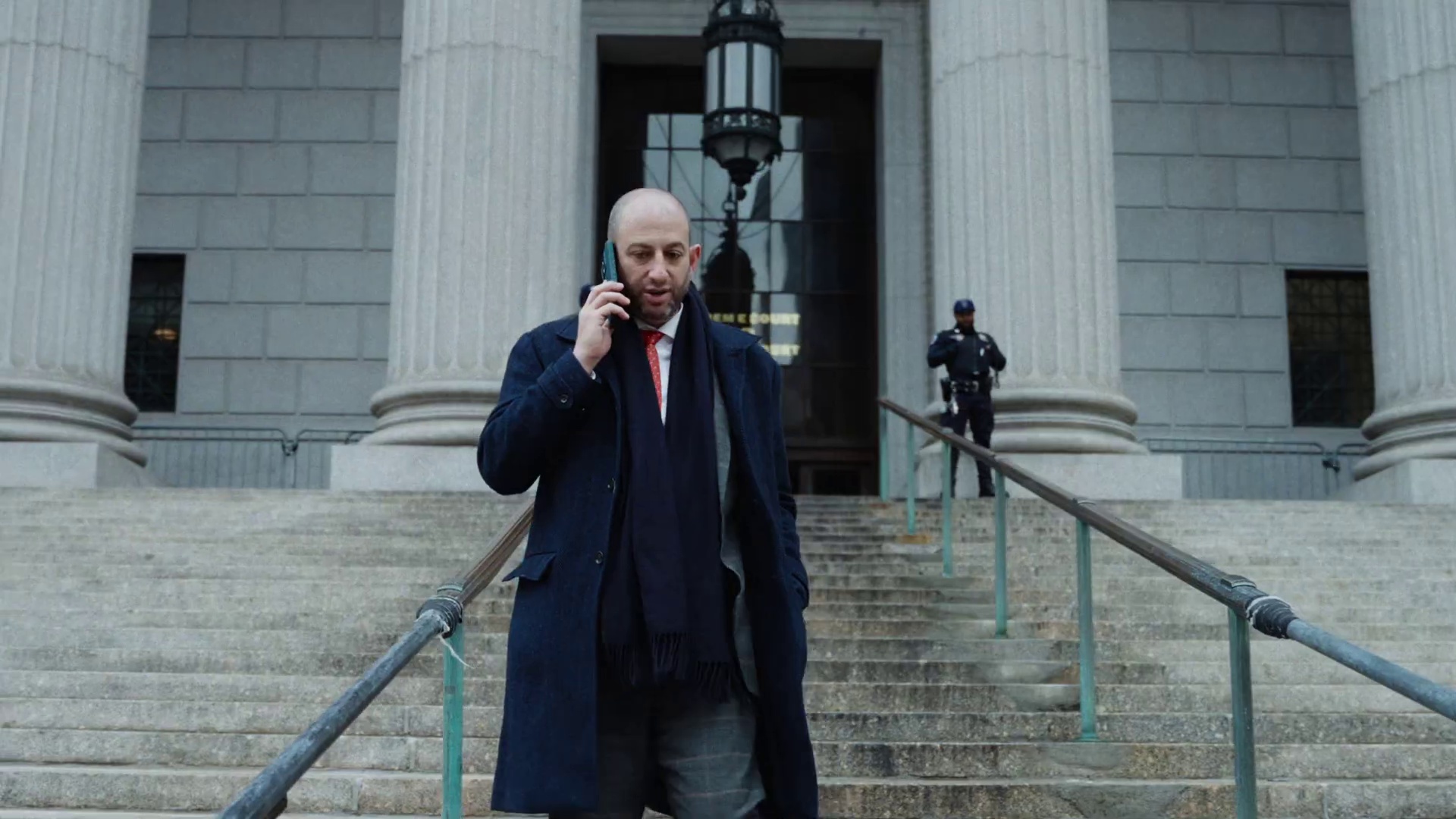
Todd Spodek
Lead Attorney & Founder
Featured on Netflix's "Inventing Anna," Todd Spodek brings decades of high-stakes criminal defense experience. His aggressive approach has secured dismissals and acquittals in cases others deemed unwinnable.
Possible Defenses
To be convicted of stalking in the fourth degree, the prosecutor must demonstrate that your behavior had no legitimate basis. If the individual that you are contacting owes you money, for example, repeatedly contacting them may be annoying, but in this case, it may not be classified as stalking. Employing reasonable efforts to collect an outstanding debt is not the same as stalking.

Your ex-partner has been showing up at your workplace several times a week, sending you dozens of text messages daily despite being told to stop, and recently began following you home from the grocery store. You feel increasingly frightened and unsafe but aren't sure whether their behavior crosses the line from annoying to criminal.
Does this pattern of unwanted contact qualify as stalking in the fourth degree under New York law, and what can I do to protect myself?
Based on what you're describing, this behavior likely meets the elements of Stalking in the Fourth Degree under NY Penal Law § 120.45, which requires intentional and repeated conduct directed at a specific person that serves no legitimate purpose and is likely to cause reasonable fear of material harm to their health, safety, or property. The combination of workplace visits, excessive messaging, and physical following establishes the pattern of conduct the statute targets. You should document every incident with dates, times, and any witnesses, and seek an order of protection through family or criminal court immediately. Filing a police report is critical because stalking in the fourth degree is a class B misdemeanor, and law enforcement can act on the established pattern of harassment to help ensure your safety.
This is general information only. Contact us for advice specific to your situation.
Sentence
Since stalking in the fourth degree is categorized as a Class B misdemeanor, if you are convicted, you could be sent to jail for up to 3 months and you may be obligated to pay a fine of up to $500. It is also possible that in lieu of jail time, the court may instead sentence you to serve a probation term of 1 year.