Prominently Featured In:

CNN
Netflix
Newsweek
Business Insider
Time

NY Penal Law § 176.20: Insurance fraud in the third degree

Insurance fraud is among the white collar crimes that entails deceiving an insurance company in order to receive insurance money. This statute covers fraud that involves any type of insurance policy, plan or arrangement including life insuranceproperty or home owner’s insuranceautomobile insurancehealth insuranceworkers’ compensationcommercial insurance, and publicly funded insurance programs, such as Medicare or Medicaid.

Faking a death, for example, in order to collect on a life insurance policy and then turning up years later, claiming memory loss would be an act of insurance fraud. In the case of a car accident, if you were to file a claim for damages that did not actually take place in the accident, but occurred as a result of an earlier accident, you would have committed insurance fraud. There are a number of different insurance fraud offenses listed in the New York criminal code. If you carry out a fraudulent insurance act, the specific insurance fraud crime you will face will depend on several different factors, such as the type of insurance plan involved and the amount of money you received or attempted to receive. You will be charged under New York Penal Code § 176.20 with insurance fraud in the third degree if you commit an act of insurance fraud and thereby obtain or attempt to obtain property with a value of over $3000 but not over $50,000. It is critical to note that if you are suspected of insurance fraud, you will probably face additional criminal charges such as grand larceny.

FREE CONSULTATION

Need Help With Your Case?

Don't face criminal charges alone. Our experienced defense attorneys are ready to fight for your rights and freedom.

  • 100% Confidential
  • Response Within 1 Hour
  • No Obligation Consultation

Or call us directly:

(212) 300-5196

Two Examples

Chase

Chase is interested in remodeling his kitchen. Unfortunately, the estimates for the remodel are much more than he could afford. To get the money, Chase decided he might set his kitchen on fire, get the payout from the insurance company and use that to build a whole new kitchen with all of the new features he wants. In this scenario, if Chase goes through with the plan and collects an insurance payment of more than $3000 but less than $50,000, then he could be charged with insurance fraud in the third degree in violation of New York Penal Code § 176.20.

Todd Spodek
DEFENSE TEAM SPOTLIGHT

Todd Spodek

Lead Attorney & Founder

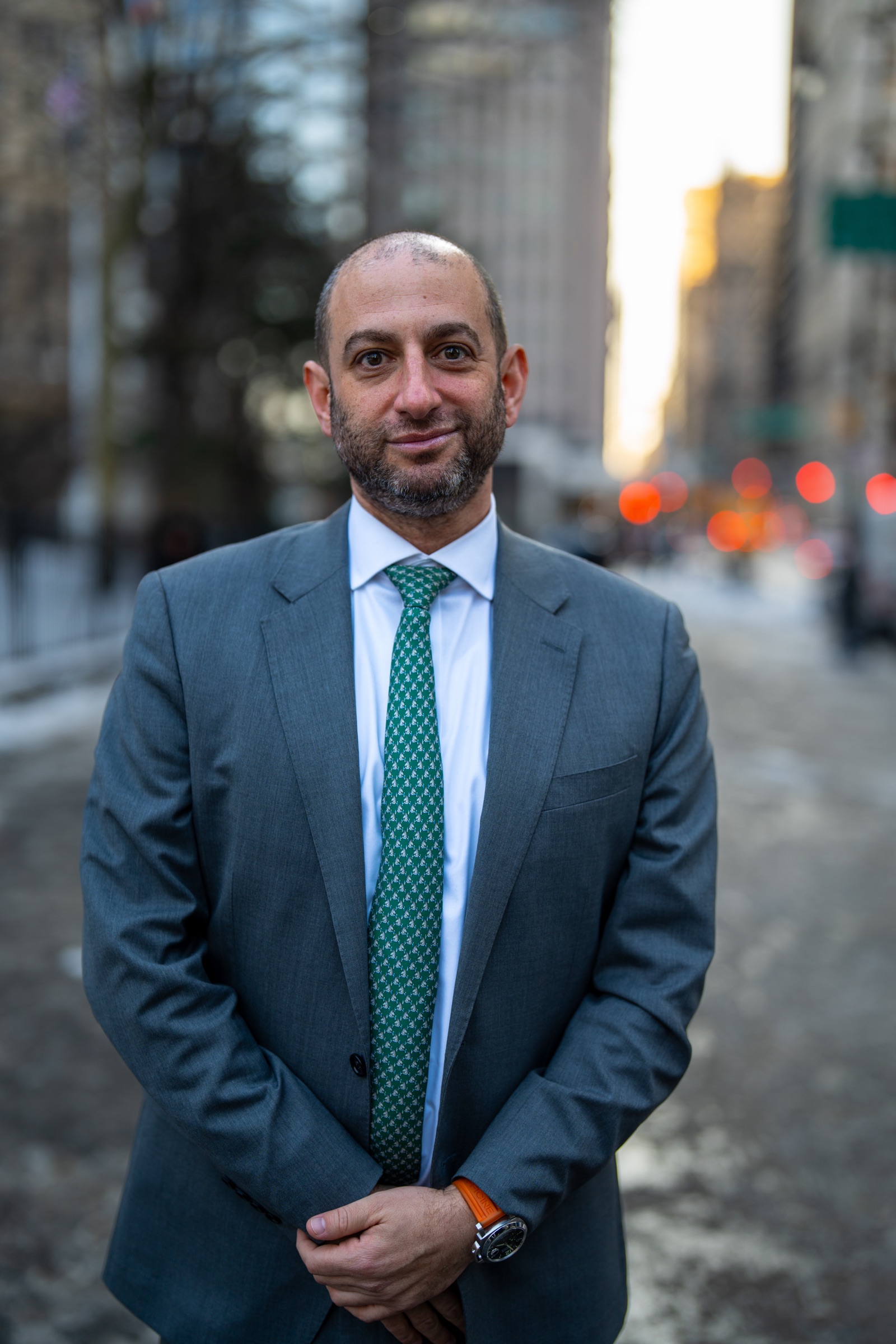
Featured on Netflix's "Inventing Anna," Todd Spodek brings decades of high-stakes criminal defense experience. His aggressive approach has secured dismissals and acquittals in cases others deemed unwinnable.

NY Bar Admitted Multi-State Licensed Federal Courts
Meet the Full Team

Cassius

Cassius, who doesn’t have a driver’s license, is in the driver’s seat in Mervin’s car. Mervin is in the passenger seat. Coming around a corner, Cassius sideswipes Lemuel’s car, causing extensive damage. Cassius panics and keeps driving on. A block later, Mervin and Cassius pull over to exchange seats in the car, and Mervin drives back to the accident scene. He offers apologies and gives Lemuel his insurance information. Mervin would have committed insurance fraud, because his insurance company might not have paid the claim to Lemuel if they knew that Cassius was driving the car and not Mervin.

Offenses that are Related

Share This Article:
Todd Spodek
ABOUT THE AUTHOR

Todd Spodek

Managing Partner

With decades of experience in high-stakes federal criminal defense, Todd Spodek has built a reputation for aggressive, strategic representation. Featured on Netflix's "Inventing Anna," he has successfully defended clients facing federal charges, white-collar allegations, and complex criminal cases in federal courts nationwide.

Bar Admissions: New York State Bar New Jersey State Bar U.S. District Court, SDNY U.S. District Court, EDNY
View Attorney Profile

Community Discussion

Real questions and discussions from readers about this topic.

65
FF former_fed_investigator Former Federal Agent 2w ago

Former investigator perspective on this topic

Retired DEA diversion investigator here. Spent 22 years on the enforcement side. Reading this article and the comments — I want to offer some perspective from the other side of the table.

Most investigations start with data, not complaints. PDMP data, Medicare billing data, pharmacy purchasing records. By the time an agent contacts you, they've usually been looking at your numbers for months. That's why having good documentation matters — the data will flag you, but the documentation either explains the data or doesn't.

61
RD retired_DEA_agent Former Federal Agent 2w ago

Talking. Hands down. Doctors who talked to agents without a lawyer — trying to explain their way out of it — gave us 80% of the evidence we needed. Every single time. Get a lawyer first. Always.

48
FM fed_med_lawyer Attorney 2w ago

Seconding this emphatically. I've represented dozens of healthcare providers. The ones who called me BEFORE talking to agents had dramatically better outcomes than the ones who called AFTER. It's not about having something to hide — it's about having your rights protected from the start.

38
WP worried_physician Physician 2w ago

This is incredibly valuable perspective. Can you share — what's the single biggest mistake you saw doctors make when they first learned they were being investigated?

47
MU MD_under_stress Physician 1w ago

Going through exactly what this article describes — anyone else?

Just read this article about "NY Penal Law § 176.20: Insurance fraud in the third degree" and it hit close to home. I'm a family practice doctor and I've been losing sleep over this. A colleague in my practice group just got investigated. I haven't been contacted directly by any agency yet but the anxiety is crushing. Anyone been through something similar?

49
FM fed_med_lawyer Attorney 1w ago

First: do NOT speak to any federal agent without counsel. Period. Not the DEA, not the OIG, not the FBI. You have the right to counsel and exercising that right cannot be held against you.

Second: get a consultation NOW, before anything formal happens. Pre-investigation counsel is dramatically more effective (and less expensive) than post-indictment defense. Many healthcare fraud defense attorneys offer free initial consultations.

Third: do NOT alter any records. Do NOT destroy any documents. Do NOT discuss this with staff beyond what's necessary for patient care. Any of those actions can become separate criminal charges (obstruction, evidence tampering) even if the underlying prescribing was entirely legitimate.

35
SI survived_investigation Physician — Investigated & Cleared 1w ago

Went through a DEA investigation 3 years ago. It was the worst 18 months of my life but I came out clean. Best advice: get a lawyer who specifically handles federal healthcare cases (not a general criminal attorney), follow their instructions to the letter, and keep practicing medicine. The investigation itself is not a conviction and most of your patients still need you.

22
CO compliance_officer_RN PharmD 1w ago

If you haven't already, start documenting everything meticulously going forward. Every prescribing decision should have clear clinical justification in the chart. This protects you regardless of whether an investigation materializes.

36
SD solo_doc_2025 Solo Practitioner 1w ago

How much does a federal healthcare fraud attorney actually cost?

I need to talk to someone but I'm a solo practitioner. I don't have a hospital legal department behind me. What does it actually cost to retain a federal healthcare defense attorney? Just a consultation vs. ongoing representation? Can I even afford this?

49
HD healthcare_defense_atty Attorney 1w ago

Typical ranges:

- Initial consultation: Free to $500. Many firms offer free phone consultations.
- Pre-investigation advisory/compliance review: $3,000–$10,000
- Responding to a subpoena: $5,000–$15,000
- Full investigation representation: $25,000–$75,000+
- Trial defense: $100,000–$500,000+

The earlier you engage, the less it costs. A $5,000 consultation that prevents a $50,000 investigation is the best money you'll ever spend. Most attorneys will work out payment plans for solo practitioners.

33
BT been_there_doc Physician — Investigated & Cleared 1w ago

I paid about $35k total for my defense over 18 months. Was it painful? Yes. Would I do it again? In a heartbeat. The alternative — trying to handle it myself or hiring a cheap general attorney — would have cost me my license and my freedom.

30
NI NP_in_pain_mgmt Nurse Practitioner 2w ago

Does this apply to NPs and PAs too, or just physicians?

I'm a physician assistant with prescriptive authority. Does what this article discusses about "NY Penal Law § 176.20: Insurance fraud i" apply equally to mid-level providers? I prescribe controlled substances for chronic pain under my collaborating physician's DEA number. If something goes wrong, who is at risk — me, the supervising physician, or both?

33
HD healthcare_defense_atty Attorney 2w ago

Both. If you have your own DEA registration, you bear independent responsibility for your prescribing. If you're prescribing under a collaborating physician's DEA number, the supervising physician also has exposure. The DEA does not limit investigations to physicians — NPs, PAs, dentists, podiatrists, and veterinarians have all been targets of federal prescribing investigations.

The same standard applies: prescriptions must be issued for a legitimate medical purpose in the usual course of professional practice. Document your clinical reasoning for every controlled substance prescription.

22
NC NP_colleague NP 2w ago

I got my own DEA number specifically so I wouldn't be dragged into my collaborating physician's issues. Worth considering if you haven't already. It also makes your prescribing cleaner from a documentation standpoint.

29
FM family_member_scared 1w ago

My spouse is a doctor and I’m terrified after reading this

My husband is a psychiatrist and we just learned the practice is being looked at by the DEA. We have everything tied up in the practice. I don't know anything about criminal defense. How do we even start? How much does this cost? Can they take our house?

40
FM fed_med_lawyer Attorney 1w ago

I understand the fear. Here's what you need to know:

1. Attorney fees: Federal healthcare fraud defense typically costs $20,000-60,000 depending on the stage and complexity. Pre-investigation work is on the lower end.

2. Your home: In most states, homestead exemptions protect your primary residence. Federal forfeiture requires a direct connection between the property and the alleged criminal activity — simply being a doctor who's investigated doesn't put your house at risk.

3. First step: Call a federal healthcare fraud defense attorney this week. Not a general lawyer. Someone who has handled DEA/OIG cases before. Most will do a free phone consultation to assess the situation.

4. Don't panic: Investigation ≠ charges. Charges ≠ conviction. Many investigations are closed without action.

25
DS doc_spouse_survivor 1w ago

I'm the spouse of a physician who went through a 2-year DEA investigation. It was resolved favorably. The emotional toll is real — please consider therapy for both of you. We found a support group for medical professionals under investigation that helped enormously. You're not alone in this.

22
JG just_graduated_MD Resident 1w ago

Just started practice — is this something I should worry about from day one?

I just finished residency and started at a private pain clinic. Reading about "NY Penal Law § 176.20: Insurance fraud i" is terrifying for someone just starting out. Should I be getting my own malpractice attorney from day one? What should I be doing differently as a new practitioner to protect myself?

37
SP senior_physician Physician — 20yr 1w ago

The fact that you're thinking about this early is a good sign. Three things:\n\n1. Document meticulously. Every prescribing decision should have clear clinical justification. "Patient reports pain" is not enough. Physical exam findings, functional assessments, treatment plans.\n\n2. Get familiar with your state PDMP and check it for every controlled substance prescription. Make it a habit from day one.\n\n3. Find a mentor in your practice who models good prescribing practices. Observe how they handle difficult patients, how they document, how they say no when needed.\n\nYou don't need a defense attorney on retainer, but knowing who you'd call if needed is smart.

30
FM fed_med_lawyer Attorney 1w ago

I'll add: make sure your malpractice insurance includes regulatory defense coverage (not just civil malpractice). Many policies exclude coverage for DEA/licensing board actions. Ask your carrier specifically. If they don't cover it, supplemental regulatory defense insurance is available and relatively inexpensive for new practitioners.

21
PA podiatrist_anon DPM 3w ago

Does this apply to dentists too?

I'm a podiatrist who prescribes controlled substances. Most of the articles I see focus on physicians and pain management. Are podiatrists really at risk for DEA scrutiny?

28
FM fed_med_lawyer Attorney 3w ago

Yes. Any DEA registrant who prescribes controlled substances is subject to the same federal standards. Dentists are increasingly scrutinized for opioid prescribing — the CDC's prescribing guidelines have been applied to dental practice. Veterinarians have seen a rise in diversion cases (drugs prescribed for animals being diverted to human use). The DEA does not distinguish by specialty — they look at prescribing patterns and whether they're consistent with legitimate medical practice.

19
AM anonymous_medical_staff Office Manager 2w ago

What should clinic staff know about this topic?

I'm a practice manager at a urgent care. After reading about "NY Penal Law § 176.20: Insurance fraud i" — what should front-line staff (receptionists, medical assistants, billing staff) know? We want to make sure we're not inadvertently creating problems. Should we be training staff differently?

22
HC healthcare_consultant Compliance 2w ago

Key things for staff:

1. Never alter medical records after the fact for any reason
2. If a federal agent shows up, be polite but say "I need to contact our attorney before providing any information"
3. Don't discuss patient cases with anyone outside the practice
4. Follow your office's prescription verification protocol exactly — no shortcuts
5. Document any patient behavior that seems concerning (doctor shopping, lost prescriptions, etc.)

Annual compliance training for all staff is worth every penny.

Ask the Community

Federal Lawyers By The Numbers

36 Cases Handled This Year and counting
15,536+ Total Clients Served since 2005
95% Case Success Rate dismissals & reduced charges
50+ Years Combined Experience in criminal defense

Data as of February 2026

URGENT

Take Control of Your Situation

Our team is standing by to discuss your legal options

Get Advice From An Experienced Criminal Defense Lawyer

All You Have To Do Is Call (212) 300-5196 To Receive Your Free Case Evaluation.