





MCA Debt Relief for Salons and Beauty Businesses
The advance was taken to build out the salon, hire stylists, or survive a slow month. The daily withdrawal is now the salon’s largest recurring expense — larger than rent, larger than product costs, larger than payroll for the chair that generates the revenue the MCA is consuming.
Salons, barbershops, spas, and beauty businesses are a core target for MCA companies because the industry runs almost entirely on credit and debit card transactions. The card volume is consistent, the transactions are small and frequent, and the revenue stream is visible to any funder who reviews the processing statements. The MCA broker sees steady card volume and pitches a fast advance. The salon owner sees a solution to an immediate need — a renovation, new equipment, product inventory, or the gap between a stylist’s guaranteed pay and the revenue that stylist generates during a ramp-up period.
The problem emerges within weeks. Salon revenue is variable. It fluctuates with seasons, weather, holidays, and the unpredictable rhythms of appointment cancellations and no-shows. A salon that processes $3,000 per day during the holiday season may process $1,500 per day in January. The MCA’s daily withdrawal does not adjust. The payment calibrated to December’s revenue devastates January’s cash flow.
Why Salons Are Particularly Vulnerable
The salon business model is labor-intensive and margin-thin. The primary cost is labor — stylists, estheticians, nail technicians — who are either employees on payroll or booth renters whose presence generates the salon’s revenue. When the MCA withdrawal consumes the margin between revenue and labor costs, the salon cannot retain talent. When talent leaves, revenue drops. When revenue drops, the MCA’s fixed payment becomes a larger percentage of receipts. The spiral is fast in the salon industry because labor is mobile — a stylist can move to a competing salon in days.
Product inventory is another pressure point. Salons must stock retail products and professional supplies to operate. The MCA withdrawal competes with product purchases. When the salon cannot restock, service quality declines, retail revenue disappears, and the client experience deteriorates. Clients who experience a decline in service quality do not complain. They simply stop booking.
Many salons also operate with credit card split arrangements, where the processor routes a percentage of each transaction directly to the MCA funder before the funds reach the salon’s bank account. This split bypasses the salon’s control over its own revenue and makes ACH revocation ineffective as a strategy unless the split itself is addressed.
Relief Options for Salon Owners
Settlement negotiations for salons leverage the funder’s understanding that a salon without stylists, without products, and without working capital is a salon that closes. A closed salon generates zero recovery. The funder’s rational calculation favors accepting a reduced settlement from an operating salon over pursuing the full balance from one that may shut its doors within weeks.
Reconciliation requests are strong for salons because the revenue variability is documented in granular detail through credit card processing statements. Monthly and weekly processing reports show the exact revenue figures, demonstrating the mismatch between fixed payments and actual receivables. This evidence supports both the reconciliation demand and the recharacterization argument.
Need Help With Your Case?
Don't face criminal charges alone. Our experienced defense attorneys are ready to fight for your rights and freedom.
- 100% Confidential
- Response Within 1 Hour
- No Obligation Consultation
Or call us directly:
(212) 300-5196If the MCA includes a credit card split, the settlement must address the split arrangement directly. The settlement agreement should require the funder to release the split and notify the processor to resume routing all transactions to the salon’s account. An attorney experienced in MCA disputes for salon and beauty businesses understands the split mechanics, the labor dynamics, and the seasonal patterns that create both the vulnerability and the leverage.
Salon owners carrying multiple stacked MCAs face a compounding problem — each advance’s withdrawal reduces the cash available for payroll and products, which reduces revenue, which makes each withdrawal a larger percentage of declining receipts. A coordinated settlement strategy that addresses all outstanding MCAs simultaneously can break this cycle and restore the working capital the salon needs to retain talent, stock products, and serve clients.
For salon owners who signed a personal guarantee, the liability extends beyond the business. If the salon closes, the funder can pursue the owner personally for the remaining balance. This makes settlement even more critical — resolving the MCA while the salon is operating preserves both the business and the owner’s personal financial position. Waiting until the salon closes eliminates the settlement leverage that comes from operating revenue and leaves only the personal guarantee exposure.
The path forward for a salon in MCA distress begins with an honest assessment of the numbers. Calculate the effective APR. Compare it to your state’s usury threshold. Review the reconciliation clause. Gather the processing statements that document your revenue variability. These documents are the foundation of every legal analysis, every reconciliation demand, and every settlement negotiation. The salon owner who understands the numbers negotiates from strength. The salon owner who relies on the funder’s numbers negotiates from weakness.
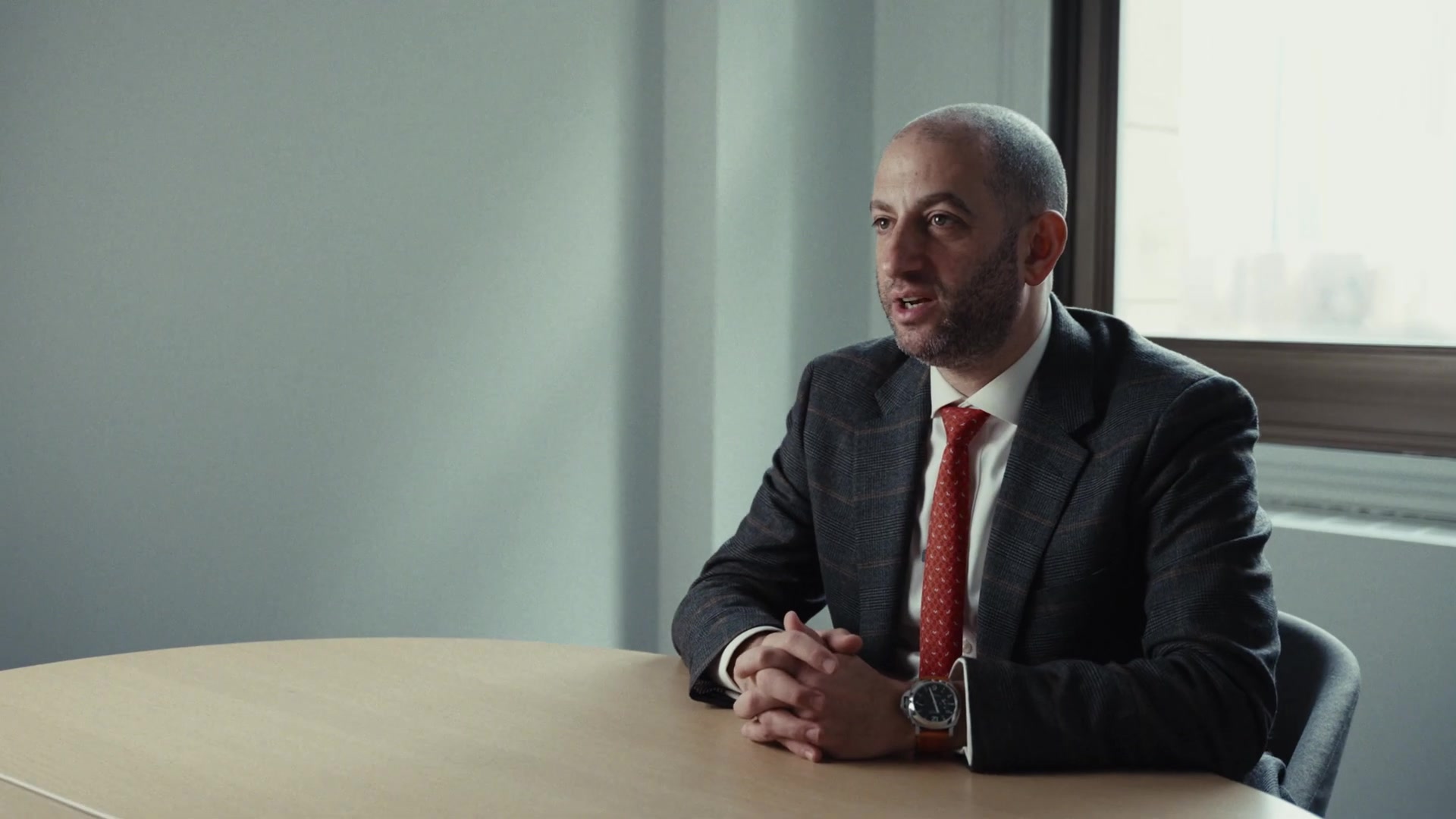
Todd Spodek
Lead Attorney & Founder
Featured on Netflix's "Inventing Anna," Todd Spodek brings decades of high-stakes criminal defense experience. His aggressive approach has secured dismissals and acquittals in cases others deemed unwinnable.
An attorney experienced in MCA disputes for beauty industry businesses can evaluate your agreement, identify the legal claims available, and recommend the most efficient path to relief — whether that is reconciliation enforcement, settlement negotiation, or a legal challenge to the agreement itself. The legal tools are the same as in any MCA dispute. The application is tailored to the salon industry’s specific economics.
Business owners in this situation can explore MCA debt relief in Los Angeles for local legal assistance.
Business owners in this situation can explore MCA debt relief in Miami for local legal assistance.
For further reading, see our guide on the MCA debt settlement process.
