





MCA Arbitration Clauses: Are They Enforceable?
The arbitration clause says you cannot sue. It says you cannot join a class action. It says you cannot appeal. What it does not say is whether the clause itself survives legal scrutiny.
Most MCA agreements contain a mandatory arbitration clause. The clause requires that any dispute between you and the funder be resolved through private arbitration rather than in court. It typically waives your right to a jury trial, your right to participate in a class action, your right to seek punitive damages, and your right to appeal the arbitrator’s decision. Some clauses specify the arbitration forum, the location of the proceeding, the rules that will govern, and the allocation of costs. Some clauses are a single paragraph. Some are several pages.
The clause exists because arbitration, for the funder, is faster, cheaper, and more predictable than litigation. Arbitration happens behind closed doors. There is no public record. There is no precedent created that other borrowers could cite. There is no jury of small business owners evaluating the funder’s conduct. The proceeding is private, the decision is final, and the outcome does not become a weapon for the next borrower to use.
Challenges to Enforceability
Arbitration clauses in MCA agreements are not automatically enforceable. Courts in multiple jurisdictions have refused to enforce MCA arbitration clauses on several grounds. The grounds reflect the principle that a contractual provision — even one signed voluntarily — can be so one-sided or so fundamentally unfair that a court will not compel compliance.
Unconscionability. If the arbitration clause is so one-sided that it effectively prevents you from asserting your rights, a court may find the clause unconscionable. Unconscionability has two components: procedural unconscionability, which looks at how the clause was presented — was it buried in fine print, was there any negotiation, was there a meaningful alternative to signing — and substantive unconscionability, which looks at the clause’s terms — does it require arbitration in a distant forum you cannot reach, does it impose prohibitive filing fees, does it limit discovery to the point where you cannot build your case, does it restrict remedies the law would otherwise provide.
An MCA arbitration clause that requires a small business owner in Texas to arbitrate in New York, pay a $10,000 filing fee, waive all claims for punitive damages, and accept the arbitrator’s decision without appeal may be found unconscionable on its face. The clause does not facilitate dispute resolution. It prevents it.
Need Help With Your Case?
Don't face criminal charges alone. Our experienced defense attorneys are ready to fight for your rights and freedom.
- 100% Confidential
- Response Within 1 Hour
- No Obligation Consultation
Or call us directly:
(212) 300-5196Waiver. If the funder engaged in litigation conduct before invoking the arbitration clause, the funder may have waived its right to compel arbitration. Filing a confession of judgment is a litigation act. Obtaining a restraining notice on your bank account through the courts is a litigation act. Serving you with a summons and complaint is a litigation act. A funder that avails itself of the courts’ power and then demands arbitration when you try to fight back has acted inconsistently. Courts have found waiver in these circumstances.
Illegality of the underlying contract. If the MCA agreement is void as a usurious loan, every provision within the agreement — including the arbitration clause — may fall with it. A party cannot enforce a procedural provision in a contract that is substantively void. The arbitration clause is part of the agreement. If the agreement does not exist, neither does the clause. This argument has been the subject of significant litigation, and its success depends on the jurisdiction and the specific facts, but it is a recognized basis for challenging arbitration.
What Arbitration Means for You If It Proceeds
If the arbitration clause is enforceable and arbitration proceeds, you will resolve your dispute outside of court. Arbitration is not necessarily worse than litigation. In some respects, it is better: the timeline is compressed, the discovery is more targeted, the formalities are reduced, and the arbitrator is often an experienced attorney or retired judge who understands commercial disputes.
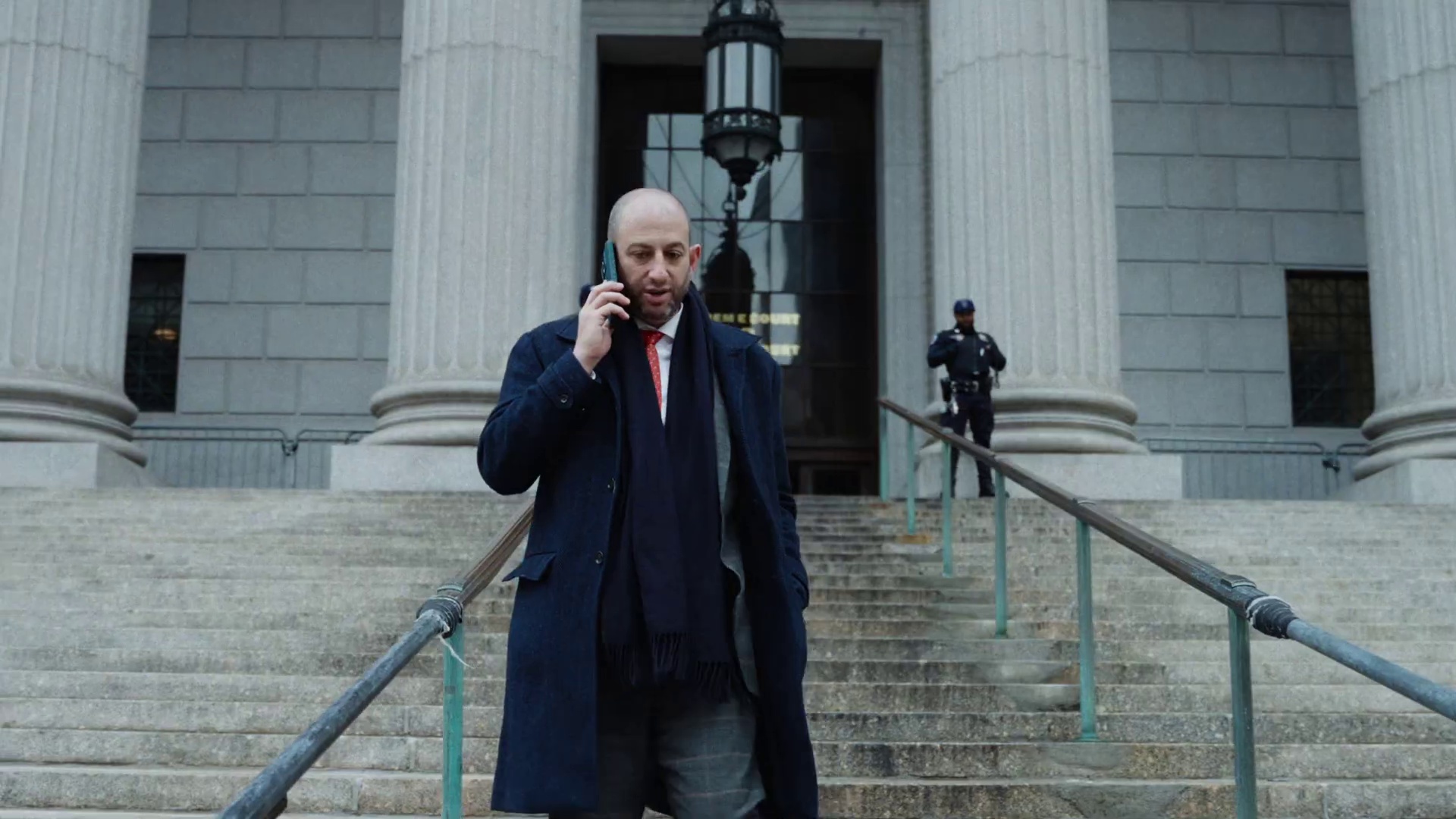
Todd Spodek
Lead Attorney & Founder
Featured on Netflix's "Inventing Anna," Todd Spodek brings decades of high-stakes criminal defense experience. His aggressive approach has secured dismissals and acquittals in cases others deemed unwinnable.
In other respects, it is worse: the discovery limitations may prevent you from obtaining documents from the funder that would support your case, the arbitrator’s decision is generally final and non-reviewable, and the private nature of the proceeding means your case does not contribute to the public body of law protecting other borrowers.
An attorney experienced in MCA disputes can evaluate whether the arbitration clause is enforceable, identify and brief every available ground to challenge it, and — if arbitration proceeds — present the strongest possible case within the arbitration framework. The forum is different. The stakes are the same.
One additional consideration. Many business owners assume that an arbitration clause means they have no options. This assumption is incorrect in two ways. First, the clause itself may be unenforceable, and the determination of enforceability is made by a court, not by the funder. Second, even if arbitration proceeds, the substantive defenses available — usury, fraud, unconscionability, illegal collection practices — are the same defenses that would be available in court. The arbitrator applies the same law. The venue changes. The legal arguments do not. An arbitration clause narrows the forum. It does not narrow your rights.
