Free Consultations & We're Available 24/7

Call for a free consultation

212-300-5196

FEDERAL CRIMINAL LAWYERS

✓Nationwide Service. A+ Results.
✓Over 50 Years of Experience
✓Available 24/7
✓We Get Cases Dismissed

Talk To An Attorney

Service Oriented Law Firm

WE'RE A BOUTIQUE LAW FIRM.

Over 50 Years Experience

TRUST 50 YEARS OF EXPERIENCE.

Multiple Offices

WE SERVICE CLIENTS NATIONWIDE.

NJ CRIMINAL DEFENSE ATTORNEYS

  • We offer payment plans, unlike other law firms, in order to make it so you can afford our services.
  • 99% of the criminal defense cases we handle end up with a better outcome.
  • We have over 50 years of experience handling criminal defense cases successfully.

99% Of Cases We Handle
End With a Better Outcome

View more case results


Los Angeles PPP Loan Fraud Lawyers

Los Angeles PPP Loan Fraud Lawyers: Strike Force Territory Changes Everything

Heres something most people don’t realize about getting charged with PPP fraud in Los Angeles: you’re not facing a normal federal district. Los Angeles and Sacramento together command one of only THREE national COVID-19 Fraud Strike Force teams in the entire country. That single fact changes everything about how your case gets investigated, prosecuted, and sentenced.

Welcome to Spodek Law Group. Our goal is to tell you what other law firm websites won’t – that PPP fraud defense in Los Angeles operates under fundamentally different rules than most federal districts. If you’re reading this at 3am because agents showed up at your door or you got a letter from the SBA Inspector General, you need to understand the prosecution machine you’re facing before you make any decisions.

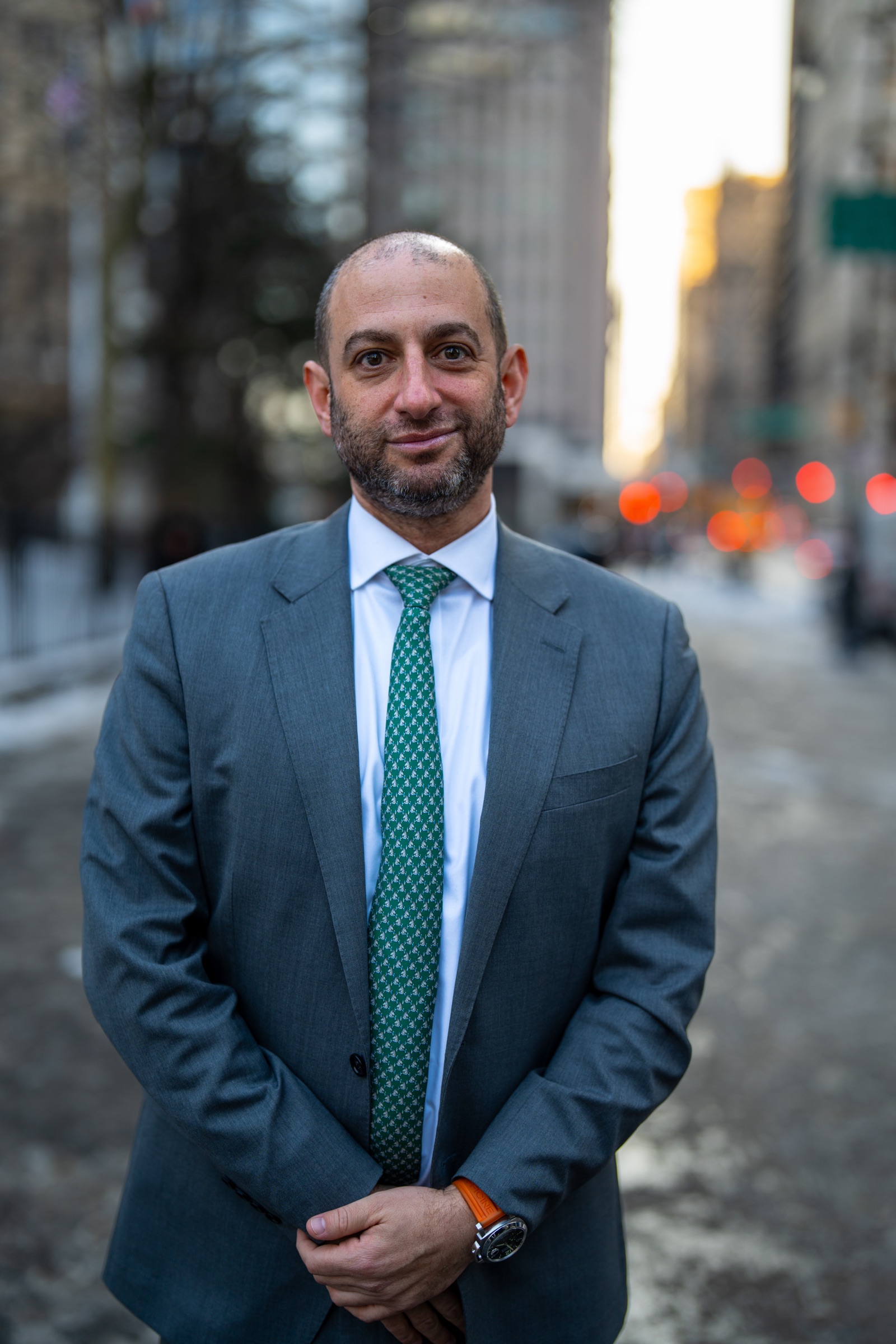
Todd Spodek has defended clients in federal courts across the country, including Strike Force districts. The pattern is unmistakable. Defendants who understand what Strike Force designation means have options. Defendants who assume it’s just another federal case don’t. That’s not a scare tactic – that’s the documented reality of how DOJ organized pandemic fraud prosecution.

Los Angeles Heads One of Three National Strike Force Commands

OK so heres were it gets real. When the Department of Justice created the COVID-19 Fraud Strike Force in 2021, they didn’t distribute resources equally across all 94 federal districts. They created THREE command centers: Los Angeles (jointly with Sacramento in the Eastern District), Miami, and Washington D.C. That’s it. Three locations to coordinate nationwide pandemic fraud prosecution.

What this means practicaly: when the DOJ wanted to make examples, they built specialized teams in three cities. Los Angeles was chosen becuase of case volume – more PPP applications means more fraud, means more targets. The Central District of California is the largest federal district in the country by population. And now it has enhanced prosecution capabilities that most districts don’t have.

Heres the thing about Strike Force designation that prosecutors don’t advertise. It’s not just a name. It’s a structural difference in how cases get built. The FBI agents assigned to Strike Force cases work differently. The prosecutors assigned to these cases do nothing but pandemic fraud – they’re not juggling drug cases and immigration matters and white collar crime. They’re specialists who know the PPP and EIDL rules cold.

The practical implication for you: if you’re charged in the Central District, you’re facing prosecutors who have seen hundreds of these cases. They’re not learning the PPP program on your file. They already know every defense, every argument, every attempt to explain away discrepencies. Your case is one of many on a conveyer belt optimized for conviction.

Let that sink in for a second. Other districts have generalist AUSAs who might handle one or two PPP cases per year. Strike Force districts have prosecutors who handle nothing else. The expertise asymetry is massive.

The consequences of this specialization cascade through every aspect of your case. These prosecutors have seen every creative explanation for discrepancies between PPP applications and business records. They’ve heard every story about confused accountants, overwhelming pandemic stress, and innocent misunderstandings. None of it surprises them anymore. The defenses that might work with a prosecutor handling their first PPP case don’t work with someone who’s prosecuted fifty of them.

FBI Embedded From Day One: How Strike Force Prosecution Works

Experienced federal practitioners note that Strike Force cases operate fundamentaly different from standard federal investigations. In a normal federal case, FBI agents investigate independantly, then hand off the case to prosecutors once they belive they have enough evidence. The prosecutor reviews the FBI’s work and decides wheather to charge.

Strike Force cases flip this. FBI agents are embedded with prosecutors from the begining. They’re not handing off cases – they’re building cases together from Day 1. The prosecutor’s charging theory shapes the investigation from the start. Evidence collection is coordinated with trial strategy before you even know you’re being investigated.

Why does this matter? Becuase by the time Strike Force agents knock on your door, the prosecution case is already substantially built. They’re not fishing for information. They’re confirming what they already know. The coordinated approach means fewer gaps in evidence, fewer procedural mistakes, fewer opportunities for defense.

Think about what this means for the first conversation you have with federal agents. In a normal case, that early contact might be investigative – they might not know much yet. In a Strike Force case, that contact is more likely confrontational – they already have the evidence and they’re giving you a chance to make it worse by talking.

Spodek Law Group has seen clients damage their cases irreparably in those first encounters becuase they didn’t understand they were facing Strike Force prosecution. The FBI agent at your door isn’t trying to understand your side of the story. They’re collecting evidence for a case that’s already built.

The Data Analytics Net You Didnt See Coming

Heres were it gets even more concerning for defendants. Strike Force teams have what prosecutors call “enhanced data analytics capabilities.” That sounds like bureaucratic jargon until you understand what it actualy means.

Strike Force investigators use sophisticated tools that automaticaly cross-reference your PPP loan application against multiple government databases. IRS records showing your actual reported income. State unemployment databases showing wheather your employees were claiming unemployment while you claimed their payroll. Business registration information showing your company’s actual operational status.

multi-agency task force in Los Angeles demonstrated this capability in May 2025 when they arrested 14 defendants in a coordinated operation involving $25 million in fraudulent PPP loans. That wasn’t random – it was data analytics identifying patterns, then coordinated law enforcement executing arrests across multiple locations simultaniously.

The algorithmic detection means your application was probly flagged long before any human investigator looked at it. Discrepencies between what you claimed and what government databases show don’t require detective work to find. They’re highlighted automaticaly. Your file lands on a prosecutor’s desk with the problems already identified.

And here’s something the public dosent realize: Strike Force teams share intelligence across districts. A pattern identified in Miami can trigger investigations in Los Angeles. A cooperating witness in Sacramento can provide information about schemes in the Central District. The three command centers coordinate, which means evidence flows between them.

This creates a trap for defendants who think they’re isolated. You might assume no one is looking at your $50,000 loan when prosecutors are chasing $10 million schemes. But if your application came through a preparer who’s already cooperating, or your bank is already responding to subpoenas, your file may already be in the system.

The data sharing extends beyond just the three Strike Force command centers. Information flows to the SBA Office of Inspector General, IRS Criminal Investigation, and the FBI’s Financial Crimes units. A fraud pattern detected in one investigation can trigger audits of dozens of related applications. What feels like an isolated mistake on your end may already be connected to a broader investigation you know nothing about.

Central District Judge Roulette: Probation to 10 Years

Heres were the uncertainty gets stomach-churning. The Central District of California has 28 active federal judges. When your case gets assigned, it’s basicly random which judge you draw. And the sentencing outcomes vary dramaticaly based on that assignment.

I’ve seen defendants draw one judge and get probation for a $500,000 fraud. I’ve watched another defendant draw a different judge for the same fraud amount – same guideline range, same criminal history – and get five years. That’s not an exageration. That’s the documented reality of sentencing variance in the Central District.

The federal sentencing guidelines are supposed to create uniformity. They calculate a range based on loss amount and criminal history. But judges have discretion to vary from those guidelines, and Central District judges excercise that discretion very differently. Some judges view pandemic fraud as exploitation of a national crisis and sentence accordingly. Other judges are more sympathetic to defendants who made mistakes during chaotic times.

The problem: you don’t get to choose your judge. And your defense strategy has to account for the full range of possible outcomes. A case that might warrant aggressive trial preparation with one judge might be better suited for early plea negotiation with another.

This judge variance interacts badly with the Strike Force prosecution model. Strike Force prosecutors have seen how each judge handles these cases. They know which judges are likely to depart upward and which might grant probation. That information asymetry gives them an advantage in plea negotiations – they know more about your likely sentencing outcome than you do unless your attorney has the same experiense.

What $2.3 Million, $15.9 Million, and $25 Million Got People

Let me show you the actual numbers from recent Central District cases so you understand the severity were discussing.

In February 2025, a woman from Mid-City Los Angeles was sentenced to 60 months in federal prison for a $2.3 million PPP fraud scheme. Five years. That’s actual federal prison time, not home confinement or probation. And in the federal system, there’s no parole – she’ll serve at least 51 months before any possibility of release to a halfway house.

William Sadleir, a Hollywood executive formerly with Aviron Pictures, got 41 months for a $1.7 million PPP fraud. He was also facing charges in the Southern District of New York for embezzelment – his federal exposure was massive. The entertainment industry connection didn’t help him. If anything, it made him a more attractive prosecution target.

A $15.9 million scheme resulted in a guilty plea in August 2025. The 14-defendant takedown in May 2025 involved $25 million in combined fraud. These aren’t exceptional cases – they’re the routine caseload of a Strike Force district.

Notice the pattern: significant prison time even for first-time offenders, even for defendants who plead guilty and accept responsability. The days when judges granted probation for PPP fraud are basicly over in the Central District. Pandemic sympathey has evaporated. Judges now view these cases as theft from a program designed to help struggling buisnesses survive – not as complicated regulatory violations that maybe warrant leniency.

What does this mean for smaller fraud amounts? The guidelines calculate sentencing ranges based on loss, so a $100,000 fraud produces a lower range than a $2 million fraud. But judges who are varying upward from guidelines will do so regardless of amount. A $200,000 fraud that might have gotten probation in 2021 now regularley results in 12-18 months.

The federal system has no parole. Whatever sentence the judge imposes, you’re serving at least 85% of it before any release to a halfway house. An 18-month sentence means roughly 15 months of actual incarceration. The math is brutal and the judges know it when they sentence you.

Why Your Cooperation Might Not Matter Here

Now heres were conventional wisdom about federal cases breaks down. In most federal prosecutions, cooperation with investigators is the single most powerful mitigation tool available. You provide information about other participants in the scheme, prosecutors file a 5K1.1 motion, and the judge can sentence you below the guideline range. It’s how white collar defendants have always played the game.

Some people argue Strike Force designation dosent really change this calculus – that cooperation works the same everywhere. That’s wrong, and here’s why.

Strike Force teams are absolutley flooded with cases. The volume of PPP fraud in a major district like Central California means prosecutors have more cooperating defendants than they know what to do with. Your information has to be genuinly valuable to earn a 5K1.1 motion – and valuable means leading to charges against people the government didn’t already know about.

Here’s the brutal reality: if you’re the fifth person to tell prosecutors about the same loan preparer, your information isn’t worth much. The first cooperator got credit for that intelligence. You get credit for confirming what they already knew – which is worth less.

This creates a race to cooperate that defendants often don’t realize they’re in. While you’re deciding wheather to talk to an attorney, other participants in your scheme may already be proffering. Every day you wait, your cooperation becomes less valueable relative to theirs.

The proffer process – sometimes called “queen for a day” – comes with genuine risks even in Strike Force cases. Your statements during the proffer generaly can’t be used directly against you at trial. But prosecutors can use them to find other evidence, and if you lie during the proffer, all bets are off.

Spodek Law Group evaluates cooperation posture on Day 1 of every engagement. Not after indictment. Before. Becuase in Strike Force territory, timing determines wheather cooperation helps or wheather you’re just another voice in the chorus.

The calculation is different in Strike Force cases because the information economy is different. When prosecutors have a hundred potential cooperators to choose from, they can be selective about whose help they need. Your leverage depends entirely on what you know that they don’t already know – and every day that passes, the chances increase that someone else has already told them.

The Northern District Has No Strike Force: When Venue Matters

OK so heres something most PPP fraud defendants don’t think about: where you get charged matters enormosly, and there’s nothing automatic about venue in federal cases.

The Northern District of California – that’s San Francisco, Oakland, San Jose – has no Strike Force designation. There’s no specialized PPP fraud team. Prosecutors handle these cases alongside their other federal work. Judges haven’t seen hundreds of pandemic fraud cases.

What does this mean practicaly? Federal defense attorneys observe that Northern District cases may face a “potentially more favorable prosecution enviroment.” That’s not a guarantee of better outcomes – federal prosecution is serious everywhere. But the structural advantages Strike Force provides in the Central District don’t exist up north.

Venue in federal cases depends on where the offense occurred. If your business was in San Francisco and you submitted your PPP application from there, Northern District venue may be appropriate. If your business was in Los Angeles, you don’t get to choose to be charged in San Francisco instead.

But venue isn’t always clear-cut. Multi-district schemes, businesses with operations in multiple locations, applications submitted from different addresses – these create potential venue arguments. An experianced federal defense attorney knows how to evaluate wheather venue challenges are worth pursuing.

The honest truth: venue challenges rarely succeed once charges are filed. Prosecutors generaly have good reason for their venue selection. But before charges, proactive engagement with prosecutors can sometimes influence where a case gets filed. This is another reason why early intervention matters more in Strike Force territory.

Consider what this means for defendants with operations in both districts. If your business had a San Francisco office and an LA office, there may be legitimate arguments about which venue is appropriate. An attorney who understands the Strike Force dynamics can evaluate whether pushing for Northern District venue makes strategic sense – and whether that argument has any realistic chance of success before you invest resources in it.

What To Do If Your In Strike Force Crosshairs

If you’re reading this because federal agents contacted you, because you recieved a grand jury subpoena, or because you’re increasingly nervous about that PPP loan from 2020 – heres what you need to understand about your situation.

First: do not talk to federal agents without an attorney present. This isn’t optional advice. Every statement you make becomes evidence. Even honest mistakes about dates or amounts can become the basis for additional charges under 18 USC 1001 – the federal false statements statute. The FBI agents at your door are trained interrogaters. They’re not there to help you explain yourself.

Second: the statute of limitations for most PPP fraud charges is five years from the offense. Most applications were submitted in 2020 and 2021. That means the window for prosecution runs through 2025 and 2026. If you’re going to be charged, it’s probly happening soon.

Third: the window for pre-indictment resolution is closing. Proactive engagement with prosecutors – repaying funds, demonstrating good faith, potentially keeping the matter civil rather than criminal – requires acting before charges are filed. After indictment, your options narrow dramaticaly.

Call Spodek Law Group at 212-300-5196. Not for a sales pitch – for an honest assesment of where you stand. Some clients learn their exposure is less than they feared. Some learn they need to act imediately. Either way, information lets you make real decisions instead of just worrying.

Our attorneys have handled federal cases in Strike Force districts. We understand how these specialized prosecution teams operate, what evidence they prioritize, and where the real opportunities for resolution exist. The consultation is free. The mistake of waiting isn’t.

Fourth: understand that Strike Force prosecution changes the standard federal defense playbook. The strategies that work in other districts – waiting out investigations, hoping the statute of limitations runs, assuming small fraud amounts mean low priority – don’t work the same way when you’re facing specialized prosecutors with data analytics and unlimited cooperating witnesses.

The window for action is narrow.

Request Free Consultation

Videos

Newspaper articles

Testimonial

Very diligent, organized associates; got my case dismissed. Hard working attorneys who can put up with your anxiousness. I was accused of robbing a gemstone dealer. Definitely A law group that lays out all possible options and best alternative routes. Recommended for sure.

- ROBIN, GUN CHARGES ROBIN

Get Free Advice About Your Case

Spodek Law Group

The Woolworth Building, New York, NY 10279

Phone

212-300-5196

Fax

212-300-6371

Spodek Law Group

35-37 36th St, Astoria, NY 11106

Phone

212-300-5196

Fax

212-300-6371

Spodek Law Group

195 Montague St., Brooklyn, NY 11201

Phone

212-300-5196

Fax

212-300-6371

Follow us on
Call Now