




Welcome to Federal Lawyers. Our goal is to tell you the truth about what you’re facing in Los Angeles, even when that truth contradicts everything you think you know about California. You probably believe you’re in a progressive state with treatment-focused drug policies. You probably think first-time offenders get second chances. You’re right about California. But you might not be in California’s system. You might be in the federal system. And that changes everything.
Here’s what most people don’t understand about drug trafficking charges in Los Angeles: your location works against you in ways you never anticipated. Los Angeles sits at the intersection of the busiest port complex in the Western Hemisphere and one of the most active smuggling corridors from Mexico. The Port of Long Beach. LAX. The proximity to the border. These geographic realities mean that your “local” drug case has an unusually high probability of becoming federal. And when it becomes federal, the rules change completely.
The numbers tell a story that should concern you. Federal mandatory minimums for trafficking start at five years and go up to forty. There is no parole in the federal system. Fentanyl prosecutions in the Central District of California increased by 340% between 2019 and 2023. The detention rate for federal trafficking charges sits at 68%, meaning most defendants don’t get bail. These aren’t scare tactics. This is the mathematical reality of drug trafficking prosecution in Los Angeles.
The California You Think You Know vs. The LA That Actually Exists
Lets talk about the California you probly imagined when you moved here or when you thought about your legal situation. California has no mandatory minimum sentences for most drug offenses. The state emphasizes rehabilitation over incarceration. Proposition 36 offers treatment instead of prison for nonviolent drug possession. Penal Code 1000 provides diversion programs for first-time offenders. These are real policies that exist in California’s state court system.
But heres the thing that catches people completly off guard. Los Angeles isnt just in California. Los Angeles is also in the Central District of California, one of the busiest federal court districts in the country. And federal law dosent care about California’s progressive policies. Federal law has its own rules. Mandatory minimums. No parole. Conspiracy liability. The same baggie of drugs that might get you probation in LA County Superior Court can get you ten years in federal court across the street.
The question that determines everything is wheather your case stays in state court or gets picked up by federal prosecutors. This isnt random. There certain factors that make federal prosecution more likely. Crossing state lines with drugs. Cases involving ports or airports. Large quantities. Connection to known trafficking organizations. Multiple defendants. The use of communication devices across state lines. If any of these factors apply to your case, your sitting in a completly different legal universe then the one you expected.
Think about what this means practicaly. You get arrested in Los Angeles for drug trafficking. Your thinking about Californias drug policies. Treatment programs. Maybe probation. Then you find out the feds have taken your case. Suddenly mandatory minimums apply. The judge literaly cannot sentence you below the statutory floor, even if they wanted to. Your facing five, ten, maybe twenty years, and there no early release becuase federal prison dosent have parole.
Why Your LA Drug Case Probably Became Federal
Heres something most people dont realize until its to late. Los Angeles geography makes federal prosecution more likley then almost anywhere else in the country. The Port of Los Angeles and Port of Long Beach together form the largest port complex in the Western Hemisphere. Aproximately 40% of all containerized imports to the United States come through these ports. In 2019, authorities seized 1.7 tons of methamphetamine at the port, valued at $1.29 billion. That was a single bust.
This port complex creates a federal enforcement infrastructure that touches every drug case in the region. The LA BEST Task Force, which stands for Los Angeles Border Enforcement Security Task Force, exists specificaly to identify security vulnerabilities at the port complex. There looking for drug shipments. There looking for the networks that distribute what comes through those ports. And there connected to federal prosecutors who are ready to file charges.
Need Help With Your Case?
Don't face criminal charges alone. Our experienced defense attorneys are ready to fight for your rights and freedom.
- 100% Confidential
- Response Within 1 Hour
- No Obligation Consultation
Or call us directly:
(212) 300-5196The Mexican border is the other geographic reality that shapes drug enforcement in Los Angeles. The Sinaloa Cartel and other trafficking organizations use Southern California as a distribution hub. In June 2024, fourty-seven defendants were charged in a single operation linked to the Sinaloa Cartel. Federal agencies conducted over 400 search warrants across multiple counties. The scale of these operations means that anyone connected to drug distribution in Los Angeles, even loosly, potentially falls within the scope of federal enforcement.
OK so lets think about what triggers federal jurisdiction specifically. Under federal law, drug trafficking becomes a federal crime when it involves crossing state lines, using the mail or interstate communication, involves quantities above certain thresholds, or connects to ongoing federal investigations. In Los Angeles, the connection to ports and international smuggling makes many cases automaticly federal. A package that came through the port creates federal nexus. A phone call to someone in another state creates federal nexus. The bar is lower then most people realize.
The practical difference between state and federal prosecution in Los Angeles is stark. In California state court, a first-time trafficking offense under Health and Safety Code 11352 carries three to nine years. The judge has discretion. Treatment alternatives may be available. You might serve a fraction of your sentence.
In federal court, the same conduct carries a mandatory minimum of five years for smaller quantities, and ten years for larger amounts. If you have a prior drug felony, those minimums double. Two or more prior convictions for serious drug offenses can trigger mandatory life without the possibility of release. The judge cannot go below these minimums unless you qualify for the safety valve exception or the government files a motion for substantial assistance based on your cooperation.
5 Years Minimum and the Judge Cant Help You
The phrase mandatory minimum means exactly what it says. The sentence is mandatory. The minimum is the floor. Federal judges in the Central District of California cannot sentence below these thresholds, even if they believe the sentence is unjust, even if you have extraordinary circumstances, even if its your first offense.
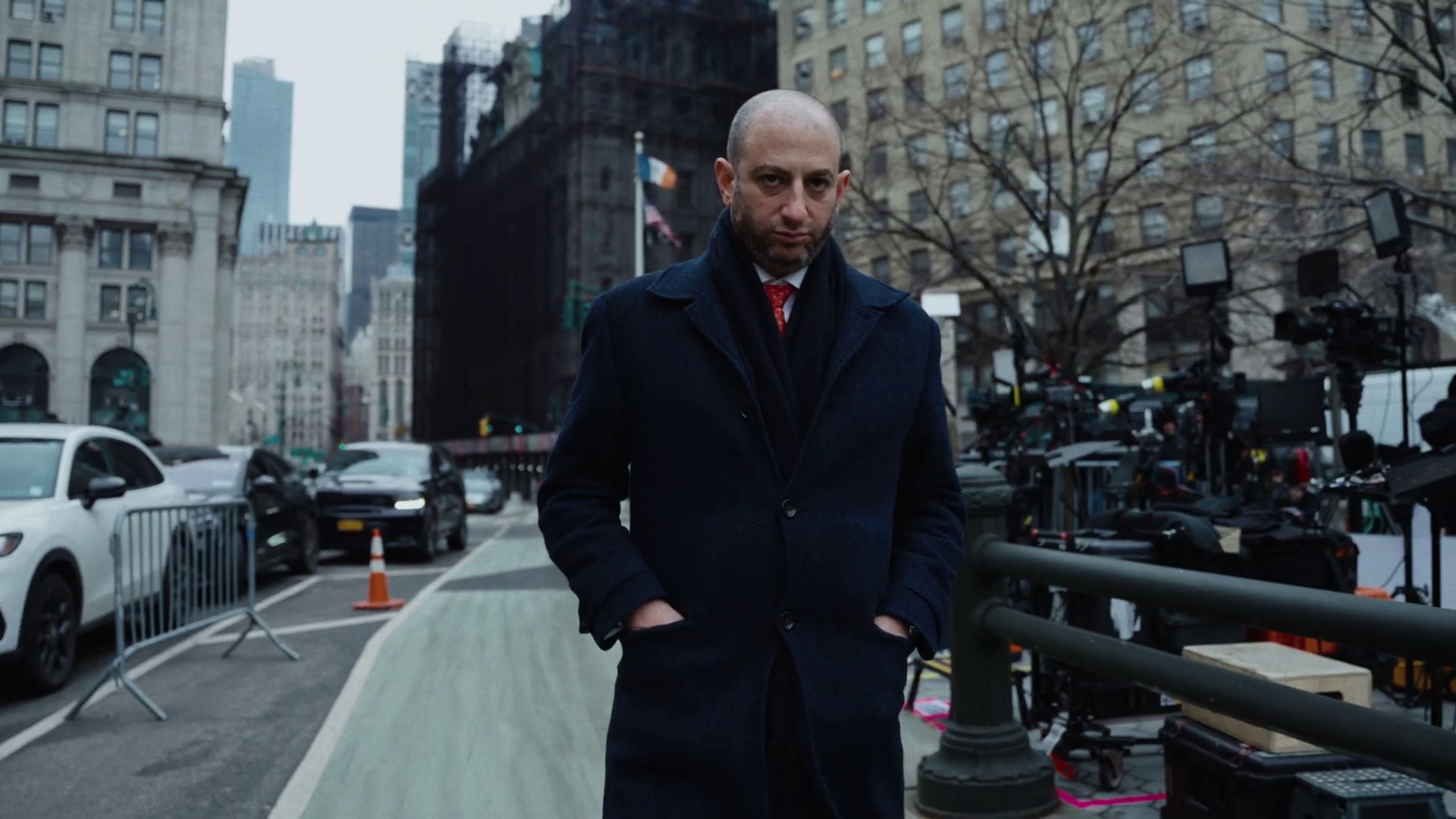
Todd Spodek
Lead Attorney & Founder
Featured on Netflix's "Inventing Anna," Todd Spodek brings decades of high-stakes criminal defense experience. His aggressive approach has secured dismissals and acquittals in cases others deemed unwinnable.
Heres how federal drug sentancing works. The penalties are tied to drug type and quantity. For cocaine, trafficking 500 grams to 4.999 kilograms carries a mandatory minimum of five years. Five kilograms or more carries a mandatory minimum of ten years. For methamphetamine, 50 grams of actual meth or 500 grams of mixture triggers the five-year minimum. Five hundred grams of actual meth or five kilograms of mixture triggers ten years.
Federal agents execute a search warrant at your medical practice, seizing patient records and prescription logs.
Can they take patient records without patient consent?
A valid federal search warrant overrides HIPAA privacy protections. However, the warrant must be properly scoped. An attorney can challenge overly broad warrants and move to suppress improperly seized evidence.
This is general information only. Contact us for advice specific to your situation.
Fentanyl has become the enforcement priority. Trafficking 40 grams or more of fentanyl triggers the five-year mandatory minimum. Four hundred grams triggers ten years. Given that fentanyl is active in microgram quantities, these weight thresholds are remarkably low. A single kilogram of fentanyl could theoretically produce a million fatal doses. Federal prosecutors in Los Angeles know this, and they charge accordingly.
The enhancement provisions are were things get truly scary. If you have one prior felony drug conviction, the mandatory minimums double. That five-year minimum becomes ten. That ten-year minimum becomes twenty. If you have two or more prior convictions for serious drug felonies, you face mandatory life imprisonment. No possibility of release. Ever.
Let that sink in for a moment. A person with two prior drug convictions who gets charged with trafficking five kilograms of cocaine in Los Angeles faces mandatory life in federal prison. The judge has no discretion to impose a lower sentence. The only way around this is cooperation with the government, which comes with its own risks and complications.