





How to Prepare for Federal Grand Jury Testimony
Preparation is the only protection available to a witness in a room where no other protection exists.
The federal grand jury room is, by design, a space in which the ordinary protections of adversarial proceedings are absent. There is no judge. There is no defense counsel present. The rules of evidence do not apply. The witness sits alone before a body of citizens whose questions are guided by prosecutors who possess a full evidentiary record the witness has not seen. What the witness brings into that room, in terms of preparation, is the entirety of what they have available.
Retaining Counsel Before Anything Else
Preparation begins with representation. A witness who appears before a federal grand jury without counsel has declined, whether intentionally or not, to avail themselves of the primary mechanism for effective preparation. Everything else in this discussion assumes that counsel has been retained and that the preparation described is occurring under counsel’s direction.
The attorney’s first task is to assess the witness’s status in the investigation. A genuine witness, with no personal exposure, prepares differently than a subject who does not yet know they are one. The questions that implicate the Fifth Amendment, the topics that should trigger a request to consult counsel between questions, and the posture the witness should adopt toward the examination all depend on a status assessment that requires investigation of the surrounding facts.
Understanding the Subject Matter
The witness should review, with counsel, every document and communication that might be relevant to the investigation’s apparent subject matter. Not to refresh a prepared narrative, but to understand what the government likely has and what questions it might generate. A witness who encounters a document they recognize for the first time inside the grand jury room is in a structurally worse position than a witness who has already addressed that document with counsel.
Twelve of the sixteen grand jury matters I have handled over the past several years produced surprise at the document review stage: documents the client had forgotten, communications that had been preserved by a counterparty and produced to the government, records from financial institutions that arrived at the grand jury long before any witness was called. The review is not complete until the client has no reason to be surprised.
A witness who is surprised inside the room has fewer options than one who was not. The preparation eliminates the surprise. The consultation between questions manages what remains.
Need Help With Your Case?
Don't face criminal charges alone. Our experienced defense attorneys are ready to fight for your rights and freedom.
- 100% Confidential
- Response Within 1 Hour
- No Obligation Consultation
Or call us directly:
(212) 300-5196The Mechanics of Testimony
Counsel should walk through the practical mechanics of the grand jury proceeding before the witness enters the room. Where the witness will sit. How the oath is administered. How the transcript is produced. How to request a recess for consultation with counsel. How to assert the Fifth Amendment if a question requires it. How to ask the prosecutor to repeat or clarify a question without that request being treated as evasion.
These are procedural details, and they are not trivial. A witness who has never sat in a grand jury room and who has not been told what to expect will spend the first portion of the examination orienting themselves to the environment. That orientation consumes cognitive resources that should be applied to the testimony itself.
The Substance of the Preparation Session
Preparation sessions with counsel are not practice sessions for testimony that has been scripted in advance. They are exercises in understanding which questions implicate which considerations. Counsel will identify the areas of inquiry the examination is likely to address, discuss the applicable privileges and protections, and help the witness understand the distinction between questions that can be answered directly and questions that require consultation before answering.
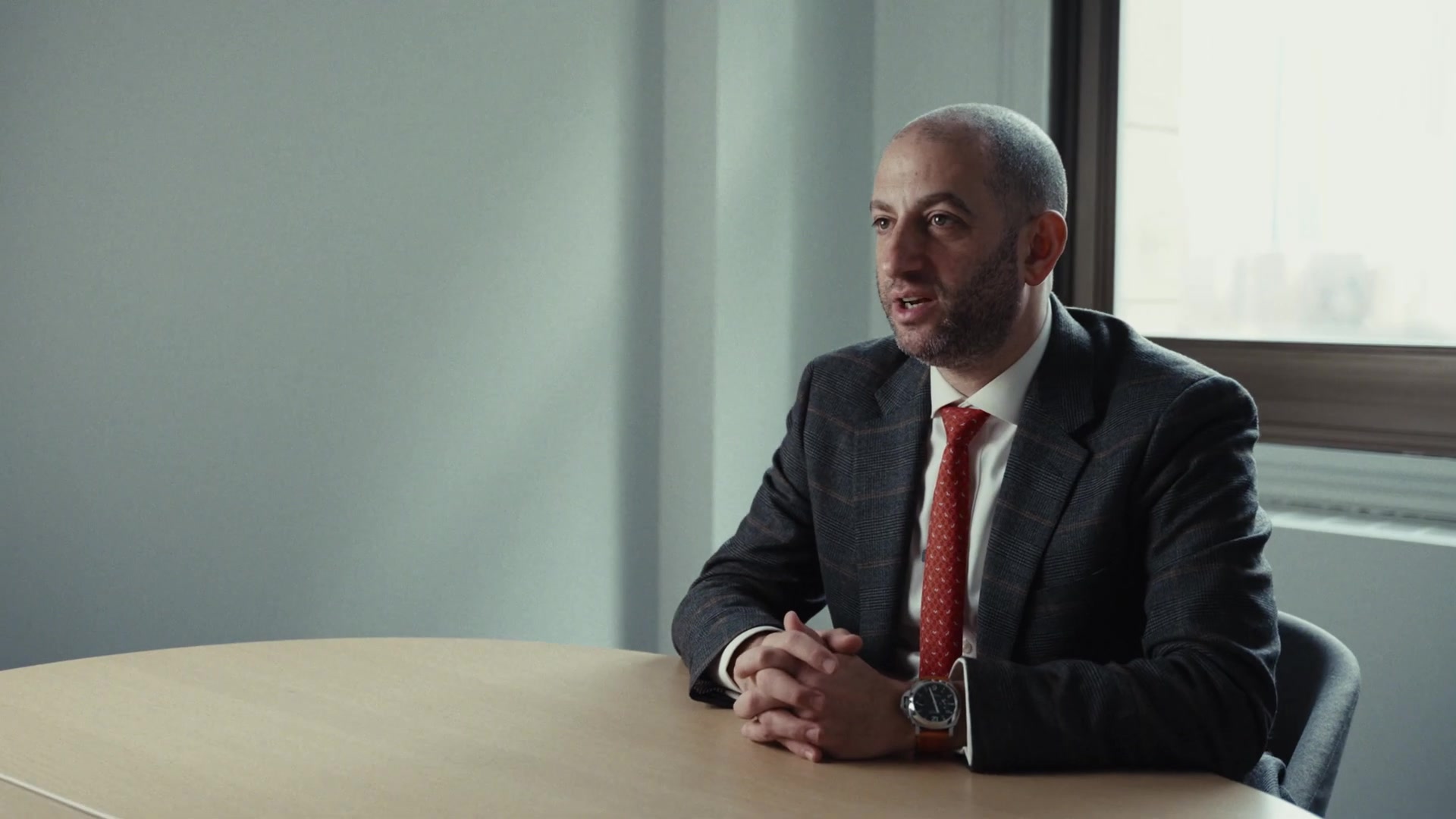
Todd Spodek
Lead Attorney & Founder
Featured on Netflix's "Inventing Anna," Todd Spodek brings decades of high-stakes criminal defense experience. His aggressive approach has secured dismissals and acquittals in cases others deemed unwinnable.
A witness who has been prepared understands that pausing before answering is not suspicious. That requesting a recess is a right, not an admission. That an answer can be given without elaboration. That the scope of a question can be asked about before the answer to it is given. These are not evasions. They are the appropriate mechanics of testimony by a represented witness.
After the Testimony
The preparation does not conclude when the witness exits the grand jury room. Counsel should debrief the witness promptly. The questions asked, the documents shown, and the direction of the examination all provide information about the investigation’s current theory, the evidence the government has assembled, and whether the witness’s status may be shifting. That information should inform any decisions about ongoing document preservation, communication with other witnesses, and whether additional preparation is warranted before any subsequent appearance.
The grand jury may call a witness more than once. The preparation for a second appearance is informed by what the first appearance revealed. There is a particular silence in a conference room at the end of a long preparation session, when the witness understands both what is at stake and what has been done about it. That silence is the point. The consultation produced it.
