





Welcome to Federal Lawyers. Our goal is to answer the question you’re actually asking – not the one in the search bar, but the real question underneath it. You’re searching for “signs the FBI is investigating me” because you want answers. You want to know if you should be worried. You want to know if you can relax. Here’s the uncomfortable truth that nobody tells you upfront: the FBI’s entire operational model is built on you NOT knowing.
This isn’t a flaw in the system. It’s the point. Federal investigators have legal tools – grand jury secrecy, National Security Letters with permanent gag orders, Right to Financial Privacy Act exceptions – that are specifically designed to keep you in the dark while they spend months or years building an airtight case. our lead attorney and the team at Federal Lawyers have represented hundreds of clients who had no idea they were targets until federal agents showed up at their door. By the time you see the “signs,” they’re not investigating anymore. They’re preparing to arrest you.
This article will explain the legal architecture of federal investigative secrecy, why the “warning signs” most articles list actually mean the investigation is ending not beginning, and what you can actually do if you suspect federal interest in your activities. The 500,000 National Security Letters issued since 2001 – each one with a gag order – represent just one piece of a system designed for your ignorance until the moment you’re in handcuffs.
The Legal Architecture of Federal Secrecy
Heres what most people dont understand about FBI investigations. The entire legal framework is designed to let investigators operate without your knowledge. This isnt some conspiracy theory. Its how Congress explicitly structured federal law enforcement.
Start with grand jury secrecy. Federal prosecutors investigate through grand juries, and under Rule 6(e) of the Federal Rules of Criminal Procedure, everything that happens before a grand jury is secret. Witnesses who testify cant tell you they were called. Prosecutors cant tell you what questions they asked. If your business partner testifies about your financial dealings, there under a legal obligation to keep that conversation secret. You have no right to know what the grand jury is examining – not until an indictment is returned.
Then theres the Right to Financial Privacy Act. Sounds protective, right? The law technicaly gives you the “right” to be notified when the government accesses your bank records. But heres the catch that swallows the rule: grand jury subpoenas are exempt from notice requirements. Federal prosecutors issue a grand jury subpoena to your bank. The bank turns over every transaction, every deposit, every withdrawal. You recieve no notification. The “right” to financial privacy exists on paper but evaporates in practice when prosecutors invoke grand jury authority.
And it gets worse with National Security Letters. NSLs allow the FBI to demand records from banks, phone companies, and internet service providers without judicial approval. Each NSL comes with a gag order that prohibits the recipient from telling anyone – including you – that the FBI demanded your information. Over 500,000 of these letters have been issued since 2001. One of them could be about you right now, and you would never know.
Need Help With Your Case?
Don't face criminal charges alone. Our experienced defense attorneys are ready to fight for your rights and freedom.
- 100% Confidential
- Response Within 1 Hour
- No Obligation Consultation
Or call us directly:
(212) 300-5196OK so think about what this means practicaly. The FBI can be investigating you for years. Your bank can hand over all your financial records. Your employer can answer questions about you. Your phone company can provide call records. Your internet provider can disclose your browsing history. And nobody is allowed to tell you any of this is happening. By the time anyone mentions “federal agents,” the investigation isnt starting. Its nearing completion.
The 500,000 Secret Letters You’ll Never Hear About
The National Security Letter program represents one of the most powerful secrecy tools in federal law enforcement. Understanding it changes how you think about FBI investigations entirely.
Since the Patriot Act in 2001, the FBI has issued more then 500,000 National Security Letters. In 2018 alone, 10,235 NSL requests covered 38,872 subscribers. These arent rare investigative tools reserved for terrorism cases. There routine demands issued for a wide range of federal investigations including fraud, money laundering, and financial crimes.
Heres how an NSL works. The FBI sends a letter to your bank, phone company, or internet service provider demanding specific records about you. No judge approves this demand. No court reviews whether the request is justified. The FBI makes the determination internally that the records are “relevant” to an investigation, and the demand is legally enforceable.
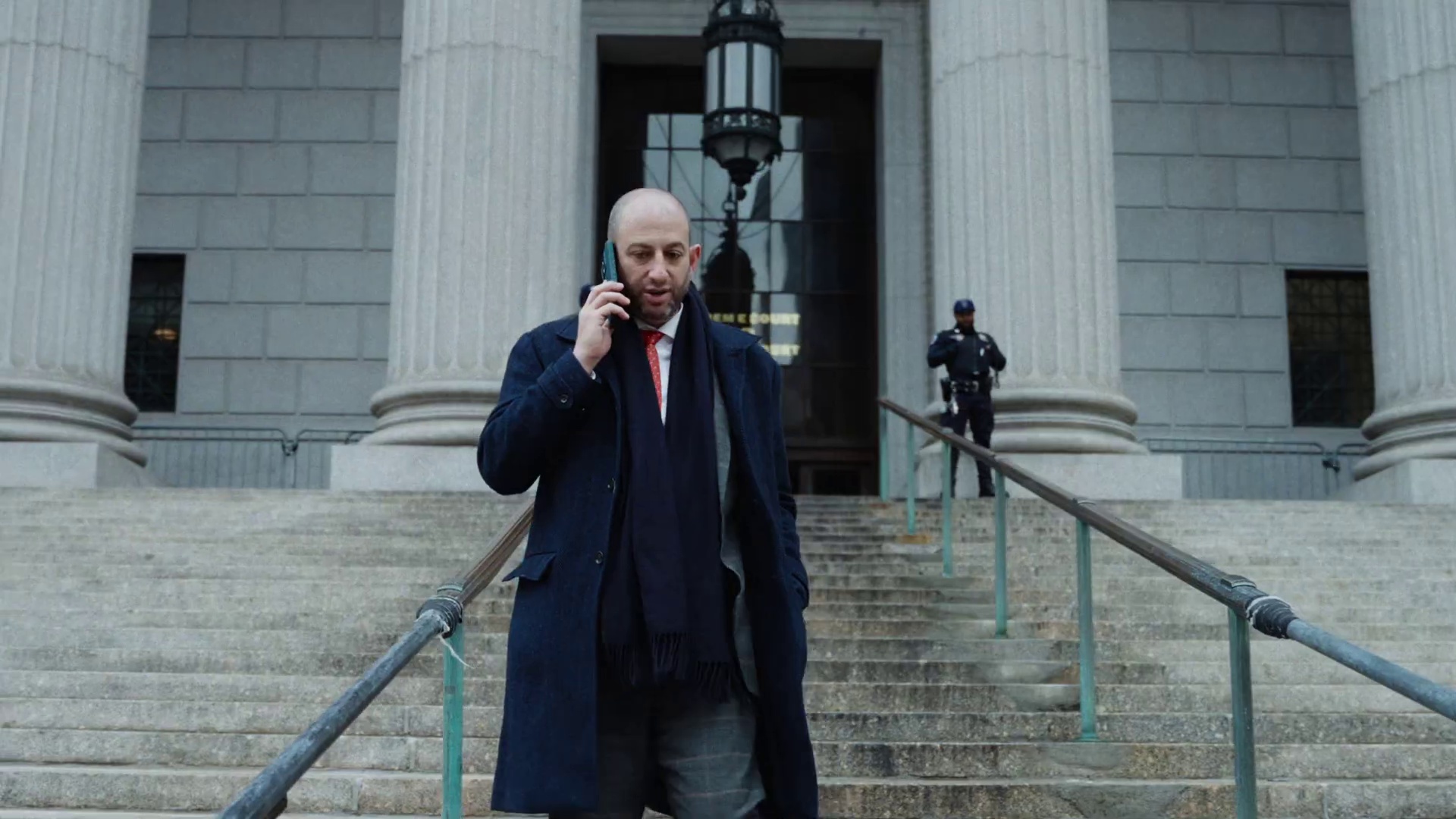
Todd Spodek
Lead Attorney & Founder
Featured on Netflix's "Inventing Anna," Todd Spodek brings decades of high-stakes criminal defense experience. His aggressive approach has secured dismissals and acquittals in cases others deemed unwinnable.
But heres the part that matters most for your question. Every NSL comes with a nondisclosure requirement – a gag order that prohibits the recipient from telling anyone, including you, that the FBI demanded your information. The bank cant call you. The phone company cant warn you. Your ISP cant notify you. There forbidden by law from revealing the governments interest in your records.

You notice an unfamiliar car parked near your home for several days, and a neighbor mentions that two people in suits came by asking questions about your daily routine and associates. Around the same time, a business partner tells you that FBI agents contacted him with questions about financial transactions you were both involved in.
Should I assume I'm under FBI investigation based on these signs, and what should I do right now to protect myself?
These are classic indicators of an active FBI investigation, but you should not panic or take any drastic action like destroying documents, which could result in obstruction of justice charges under 18 U.S.C. § 1519. Your immediate step should be to retain an experienced federal defense attorney who can make discreet inquiries with the U.S. Attorney's Office to determine whether you are a target, subject, or witness in a federal investigation. Under DOJ guidelines outlined in the U.S. Attorneys' Manual § 9-11.151, prosecutors distinguish between these categories, and your status dramatically affects your legal exposure. Do not speak with any federal agents or answer questions without your attorney present, as anything you say can be used against you and even innocent misstatements to federal agents can be charged as a felony under 18 U.S.C. § 1001.
This is general information only. Contact us for advice specific to your situation.
Nicholas Merrill recieved an NSL in 2004 as a small internet service provider. He wanted to disclose what the FBI demanded – to warn others, to challenge the system publicly. It took him eleven years of litigation before he was allowed to discuss the contents. The first person to fully reveal what an NSL demanded had to fight for over a decade to do it. Everyone else stays silent.
And heres what makes it even worse. Even after investigations end, even after gag orders technicaly expire, many companies decide not to tell customers what happened. The institutional pressure to maintain secrecy continues indefinitley. You might have been investigated, cleared, and the NSL might be ten years old – and you still wouldnt know it existed.