





If you receive a federal grand jury subpoena, that means that you or someone you know or were affiliated with is the target of a federal criminal investigation by the Department of Justice. Receiving a subpoena can be an intimidating and stressful experience. But don’t panic, our experienced federal defense attorneys at Federal Lawyers are here to help guide you through the process and protect your rights.
Understanding Federal Grand Jury Subpoenas
A federal grand jury subpoena is a court order requiring you to testify before a grand jury and/or produce certain documents. Grand juries are groups of citizens who hear evidence presented by federal prosecutors and decide whether there is “probable cause” to believe a federal crime was committed and that a specific person committed it.
Grand jury proceedings are secret. No judge is present and usually no one is present except the grand jurors, the prosecutor, a court reporter, and a witness. The grand jury has the power to issue subpoenas to compel witness testimony and require production of documents and other evidence.
Need Help With Your Case?
Don't face criminal charges alone. Our experienced defense attorneys are ready to fight for your rights and freedom.
- 100% Confidential
- Response Within 1 Hour
- No Obligation Consultation
Or call us directly:
(212) 300-5196There are two main types of federal grand jury subpoenas:
- Subpoena ad testificandum – requires a person to testify before the grand jury
- Subpoena duces tecum – requires a person to produce documents, records, or other tangible evidence
If you receive either type of subpoena, it’s critical to take it seriously and consult with an experienced federal defense attorney right away. Failing to comply with a subpoena can result in being held in contempt of court.

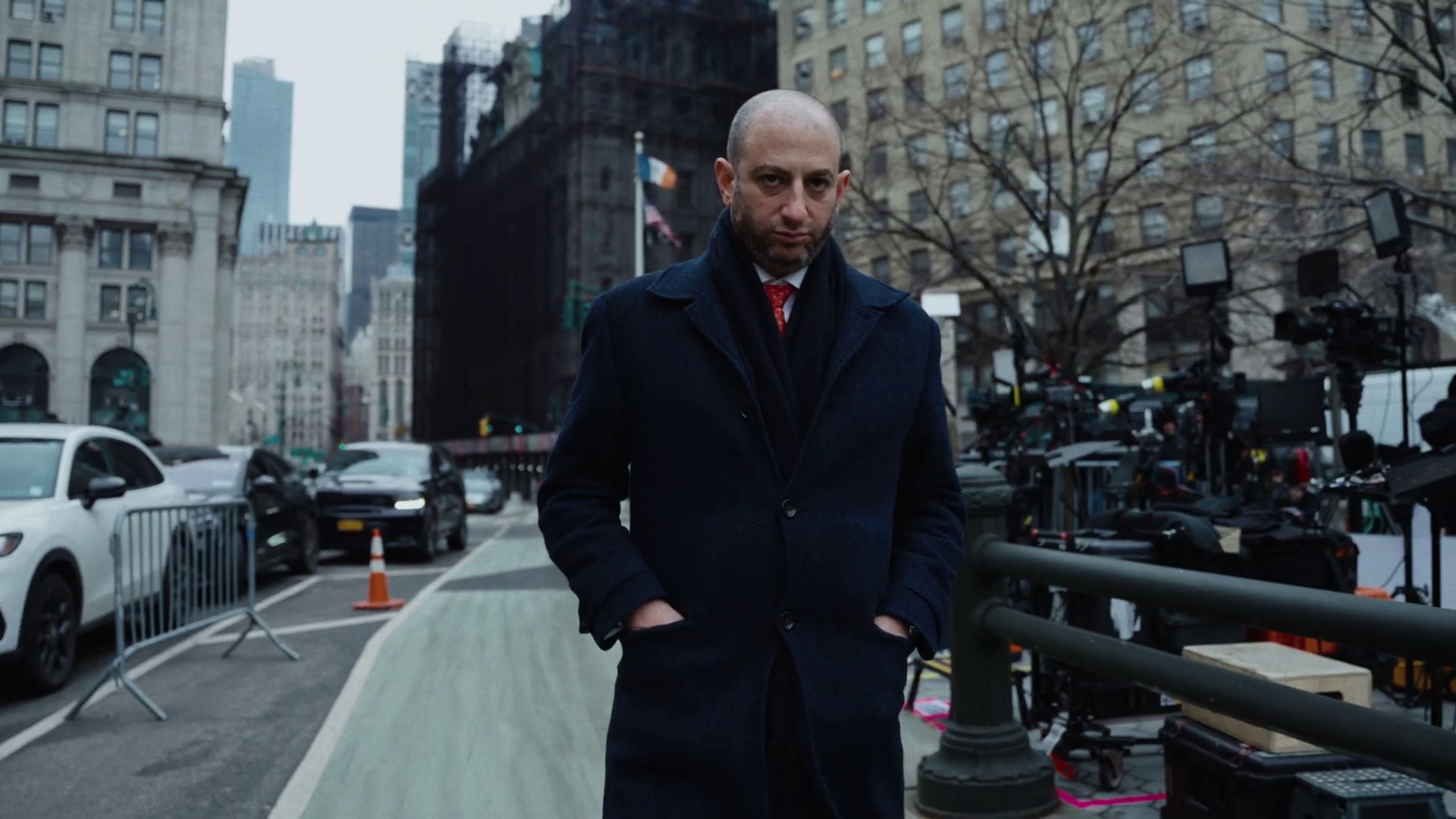
Todd Spodek
Lead Attorney & Founder
Featured on Netflix's "Inventing Anna," Todd Spodek brings decades of high-stakes criminal defense experience. His aggressive approach has secured dismissals and acquittals in cases others deemed unwinnable.
You receive a federal grand jury subpoena demanding you produce five years of financial records and appear to testify next week. You have no idea whether you are a witness or a target in the investigation, and you're terrified that anything you say could be used against you.
Can I refuse to comply with the subpoena, and do I have the right to know if I'm the target of the investigation?
Under Federal Rule of Criminal Procedure 17, a grand jury subpoena carries the force of law and failure to comply can result in contempt of court charges. However, you retain your Fifth Amendment right against self-incrimination, which means you can refuse to answer specific questions that might implicate you in criminal activity. Department of Justice policy under the U.S. Attorneys' Manual Section 9-11.151 generally requires prosecutors to inform targets of their status, though this is not always guaranteed. An experienced federal defense attorney can file a motion to quash or modify the subpoena, negotiate the scope of document production, and ensure your constitutional rights are fully protected throughout the process.
This is general information only. Contact us for advice specific to your situation.
What Are Your Rights if Subpoenaed?
When subpoenaed to testify before a federal grand jury, it’s important to understand your rights:
- You have the right to retain an attorney. Although your attorney cannot accompany you into the grand jury room, they can wait outside and you can consult with them after each question.
- You have the right to assert the Fifth Amendment privilege against self-incrimination if your answers could expose you to criminal liability. A skilled attorney can help you navigate when to assert this right.
- You have the right to request immunity in exchange for your testimony. If immunity is granted, nothing you say can be used against you in a criminal case. Our attorneys can negotiate with prosecutors for immunity where appropriate.
- You have the right to file a motion to quash the subpoena if you believe it is invalid or unreasonable. Valid grounds to quash include the subpoena being overly broad or burdensome.