




Federal Grand Jury Practice and Procedure in New York City
What is a Federal Grand Jury?
A federal grand jury is a group of citizens who are summoned to serve for a period of time, usually 18 months. The grand jury hears evidence presented by federal prosecutors and decides whether there is probable cause to believe a crime has been committed. If the grand jury determines there is probable cause, it will return an indictment charging a person with a crime. An indictment allows a case to move forward to trial.
The grand jury operates independently of the U.S. Attorney’s Office and the courts. Everything that happens in the grand jury room is secret, so jurors can ask questions and discuss cases freely without fear their views will become public.
Getting Summoned for Federal Grand Jury Duty
People are randomly selected from voter registration lists, driver’s license records, and other sources to receive a summons for federal grand jury duty in the Southern District of New York. The SDNY includes all five boroughs of NYC, Manhattan, Brooklyn, Queens, the Bronx, and Staten Island. If you receive a summons in the mail, you are legally required to report for grand jury service.
Need Help With Your Case?
Don't face criminal charges alone. Our experienced defense attorneys are ready to fight for your rights and freedom.
- 100% Confidential
- Response Within 1 Hour
- No Obligation Consultation
Or call us directly:
(212) 300-5196Grand juries in the SDNY generally meet for two days every week for up to 18 months. You will need to be available on the assigned days for the whole period of service. Your employer is required to excuse you from work if you are summoned. You will receive a small daily stipend for serving.
The Selection Process
On the first day, all the potential jurors report to the courthouse. The jury clerk will check you in and have you fill out a questionnaire. Then you will watch an orientation video explaining how federal grand juries work. Next, you will be interviewed by the jury clerk to determine if you can serve impartially. The clerk needs to ensure a fair cross-section of the community is represented.
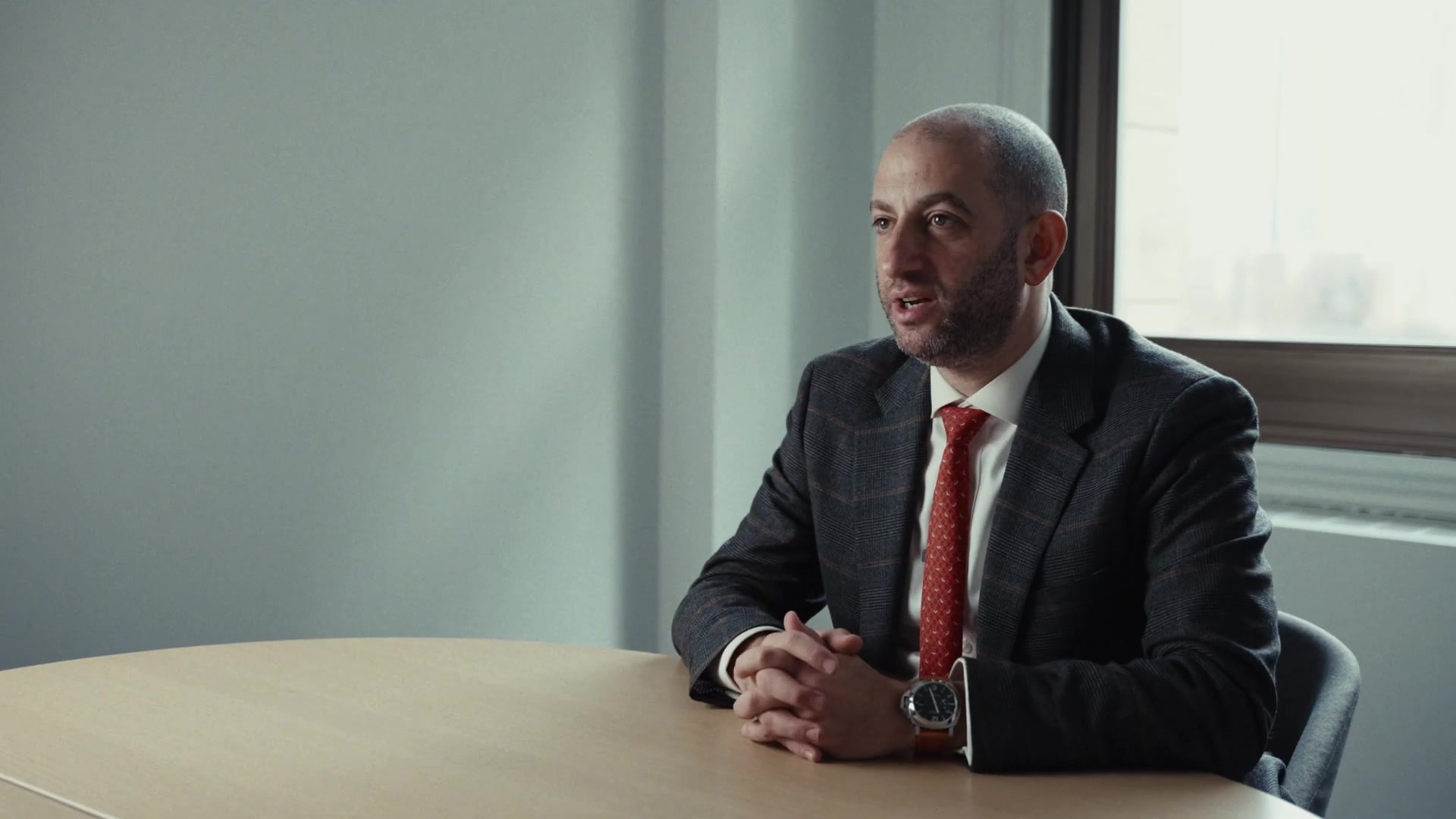
Todd Spodek
Lead Attorney & Founder
Featured on Netflix's "Inventing Anna," Todd Spodek brings decades of high-stakes criminal defense experience. His aggressive approach has secured dismissals and acquittals in cases others deemed unwinnable.

You received a subpoena to testify before a federal grand jury in the Southern District of New York regarding financial transactions at your former employer. You have not been told whether you are a target, subject, or witness in the investigation.
Do I have the right to have my attorney present inside the grand jury room while I testify, and can I invoke the Fifth Amendment?
Under federal law, your attorney is not permitted inside the grand jury room during your testimony — this is established under Federal Rule of Criminal Procedure 6(d), which strictly limits who may be present. However, you absolutely have the right to invoke your Fifth Amendment privilege against self-incrimination on a question-by-question basis, and you may step outside the grand jury room to consult with your attorney in the hallway after each question. Before testifying, your lawyer should request that the prosecution clarify your status as a target, subject, or witness under the U.S. Attorneys' Manual guidelines, as this significantly affects your legal strategy. If you are designated a target, the prosecutor is required under DOJ policy to advise you of your rights, and in many cases we would advise against testifying at all without first negotiating the terms of your appearance.
This is general information only. Contact us for advice specific to your situation.
If you have any bias or conflict of interest that would prevent you from being impartial, such as a personal connection to law enforcement or the legal profession, you can be excused. You can also be excused if serving would cause you extreme hardship. However, grand jury service is considered vital civic duty, so excuses are limited.