School Zone Drug and Weapons Charges Increased Penalties in NYC
Thanks for visiting Federal Lawyers, a second-generation criminal defense firm managed by our lead attorney, with over 50 years of combined experience defending drug and firearms cases throughout New York. Selling drugs is a serious felony. But selling drugs within 1,000 feet of a school? That triggers enhanced charges under both New York and federal law. Possessing a firearm near a school? Additional criminal charges with mandatory minimums. In NYC, where schools are everywhere, these school zone enhancements affect thousands of cases. A drug sale that might result in 3-5 years becomes 5-9 years when it occurs in a school zone. Your looking at dramatically increased exposure simply because of your location.
What Qualifies as a School Zone Under New York Law
PL § 220.44 creates criminal sale of a controlled substance in or near school grounds – class A-II felony, 3-10 years minimum, up to life.
The statute applies when you sell drugs on school grounds or within 1,000 feet. That’s a huge area. In Manhattan and Brooklyn, 1,000-foot zones overlap everywhere. You might be three blocks from a school and still within the zone.
What Counts as “School Grounds”?
School grounds means any building, athletic field, or grounds used for educational purposes by a public or private elementary, middle, or high school – including the school building, playgrounds, athletic fields, parking lots, and school-owned property.
Does the school need to be in session? No. The enhancement applies 24/7, year-round – even summer vacation, weekends, holidays. Sell drugs at 2 AM on a Saturday in July within 1,000 feet? You still face the enhancement.
Need Help With Your Case?
Don't face criminal charges alone. Our experienced defense attorneys are ready to fight for your rights and freedom.
- 100% Confidential
- Response Within 1 Hour
- No Obligation Consultation
Or call us directly:
(212) 300-5196Measuring the 1,000-Foot Distance
Prosecutors measure from the school property line to where you conducted the transaction. Courts have split on whether to use straight-line distance or actual pedestrian routes. Most use straight-line measurements. Prosecutors introduce maps showing the distance.
I’ve challenged measurements by hiring surveyors. Sometimes prosecutors’ maps are wrong. If the actual distance exceeds 1,000 feet, the enhancement doesnt apply.

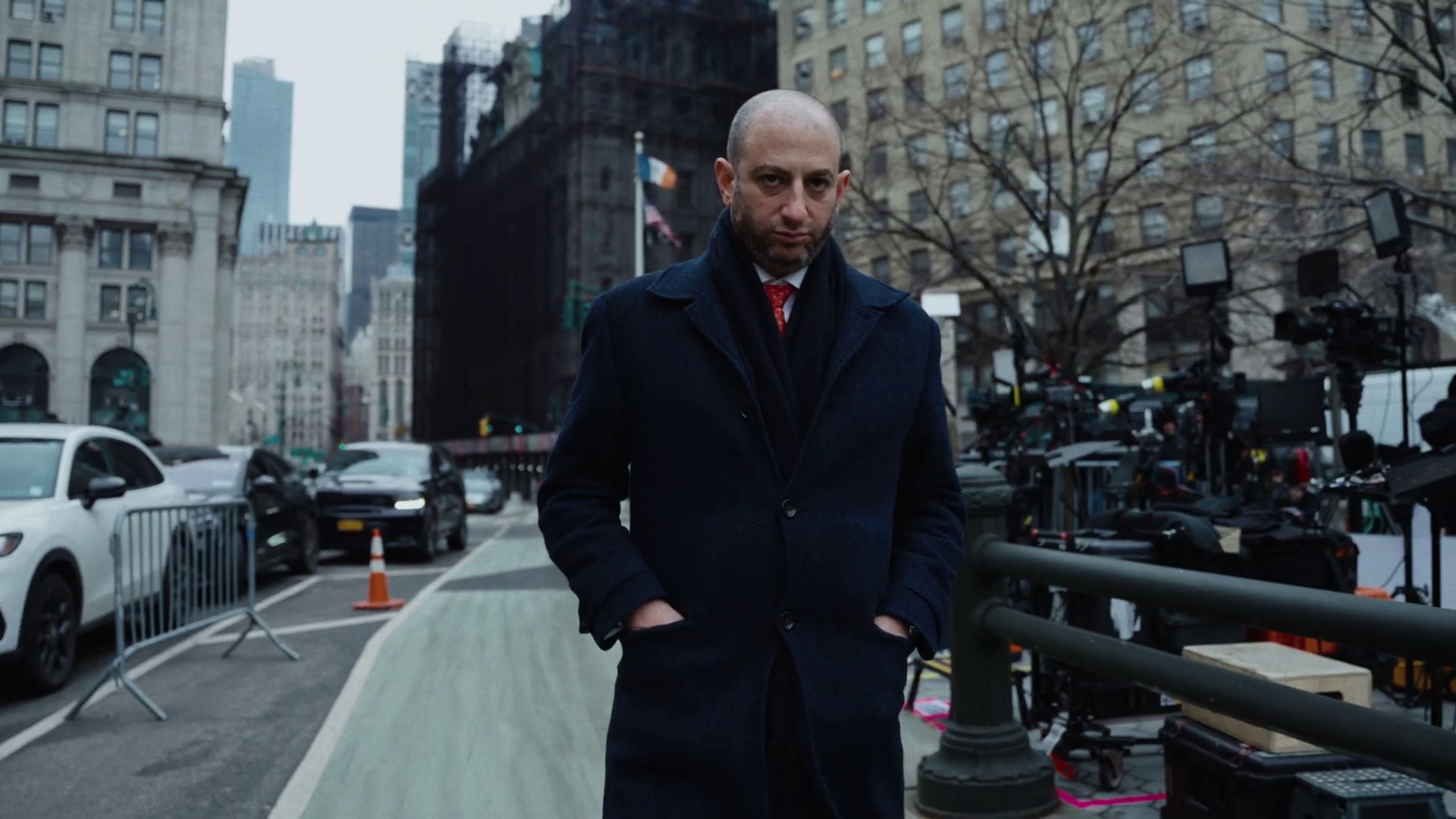
Todd Spodek
Lead Attorney & Founder
Featured on Netflix's "Inventing Anna," Todd Spodek brings decades of high-stakes criminal defense experience. His aggressive approach has secured dismissals and acquittals in cases others deemed unwinnable.
Federal School Zone Enhancement
21 U.S.C. § 860 doubles the maximum sentence and imposes a 1-year mandatory minimum for distributing drugs within 1,000 feet of a school, college, playground, or public housing.
A college student was arrested for selling a small amount of marijuana to a friend in a parking lot, only to learn afterward that the lot was within 1,000 feet of a public elementary school. He now faces enhanced charges under New York Penal Law that could dramatically increase his prison sentence beyond what a standard drug sale would carry.
How much additional prison time am I really facing just because this happened near a school, and is there any way to challenge the school zone enhancement?
Under New York Penal Law § 220.44, selling a controlled substance on or near school grounds elevates what might otherwise be a third-degree sale charge to a second-degree offense, carrying a mandatory minimum of 3 to 10 years in state prison. Federal law under 21 U.S.C. § 860 can double the penalties for drug distribution within 1,000 feet of a school, with a mandatory minimum of one year even for a first offense. However, there are viable defenses — we can challenge the prosecution's measurement of the distance, argue you had no knowledge a school was nearby, or contest whether the school was actually in session or operational at the time. Our firm has successfully fought school zone enhancements by demanding precise surveyor measurements and scrutinizing whether the statutory requirements were strictly met.
This is general information only. Contact us for advice specific to your situation.
The statute applies to playgrounds and public housing in addition to schools – making zones even more extensive in NYC. Nearly every neighborhood has these within 1,000 feet of each other.