




ppp loan fraud investigation lawyers
Thanks for visiting Federal Lawyers, a second-generation criminal defense firm managed by our lead attorney – with over 50 years combined experience defending federal fraud investigations and prosecutions nationwide. If you’re under investigation for PPP loan fraud, you’re at the most critical stage of your case – before charges are filed, when strategic intervention can sometimes prevent prosecution entirely or result in significantly more favorable outcomes than waiting until after indictment. Federal investigations into PPP fraud are conducted by the FBI, SBA Office of Inspector General, IRS Criminal Investigation, and sometimes Secret Service, with investigators analyzing loan data to identify suspicious patterns, subpoenaing bank records and tax returns, interviewing witnesses, and building cases that prosecutors present to grand juries for indictment. What makes the investigation stage so dangerous is that many targets don’t realize they’re under scrutiny until agents show up at their door or business, by which point investigators have already gathered substantial evidence and formed conclusions about your guilt.
How Federal PPP Fraud Investigations Start
Most investigations begin through data analysis. SBA Office of Inspector General and other agencies use algorithms to identify red flags: loans disproportionate to business size based on past tax returns, multiple loans to entities with overlapping ownership or addresses, businesses formed shortly before pandemic eligibility cutoff dates, spending patterns that raise suspicions like luxury purchases or large cash withdrawals immediately after loan deposits, loans to businesses in industries known for fraud schemes. Once investigators identify suspicious activity, they open investigations and start gathering evidence before you know you’re a target.
Other investigations start from whistleblower complaints. Former employees, business partners, accountants, or family members report alleged fraud to federal authorities or file qui tam lawsuits under the False Claims Act. These complaints provide investigators with insider information: details about how you prepared applications, evidence that figures were inflated, documentation of expenditures prosecutors consider personal rather than business-related. Whistleblower-initiated investigations are particularly dangerous because the complainant provides a roadmap that would otherwise take investigators months to develop.
Signs You’re Under Investigation
Often the first indication you’re under investigation comes when federal agents contact you directly. FBI or SBA-OIG agents show up at your home or business, identify themselves, and ask to speak with you about your PPP loan. They make it sound routine, like they’re just clarifying information or checking boxes. They act friendly, non-threatening, like you’re not in trouble. This is strategy – they want you to talk without a lawyer present because anything you say can become evidence against you.
Need Help With Your Case?
Don't face criminal charges alone. Our experienced defense attorneys are ready to fight for your rights and freedom.
- 100% Confidential
- Response Within 1 Hour
- No Obligation Consultation
Or call us directly:
(212) 300-5196Other signs include: your bank contacts you saying federal agents served a subpoena for your records, employees or business partners mention being interviewed by investigators, accountants or attorneys who worked on your applications receive subpoenas, or you discover grand jury subpoenas were issued for documents related to your business. If you experience any of these, you’re under active investigation and need counsel immediately.
Why You Should Never Talk to Investigators Without Counsel
Federal agents are trained interrogators who know how to get people to make damaging admissions without realizing it. They might tell you that talking to them will help clear things up, that refusing to talk makes you look guilty, that they just need to verify a few details. This is false. Anything you tell investigators will be used against you if you’re charged. They’re not your friends, they’re not trying to help you, they’re building a criminal case.
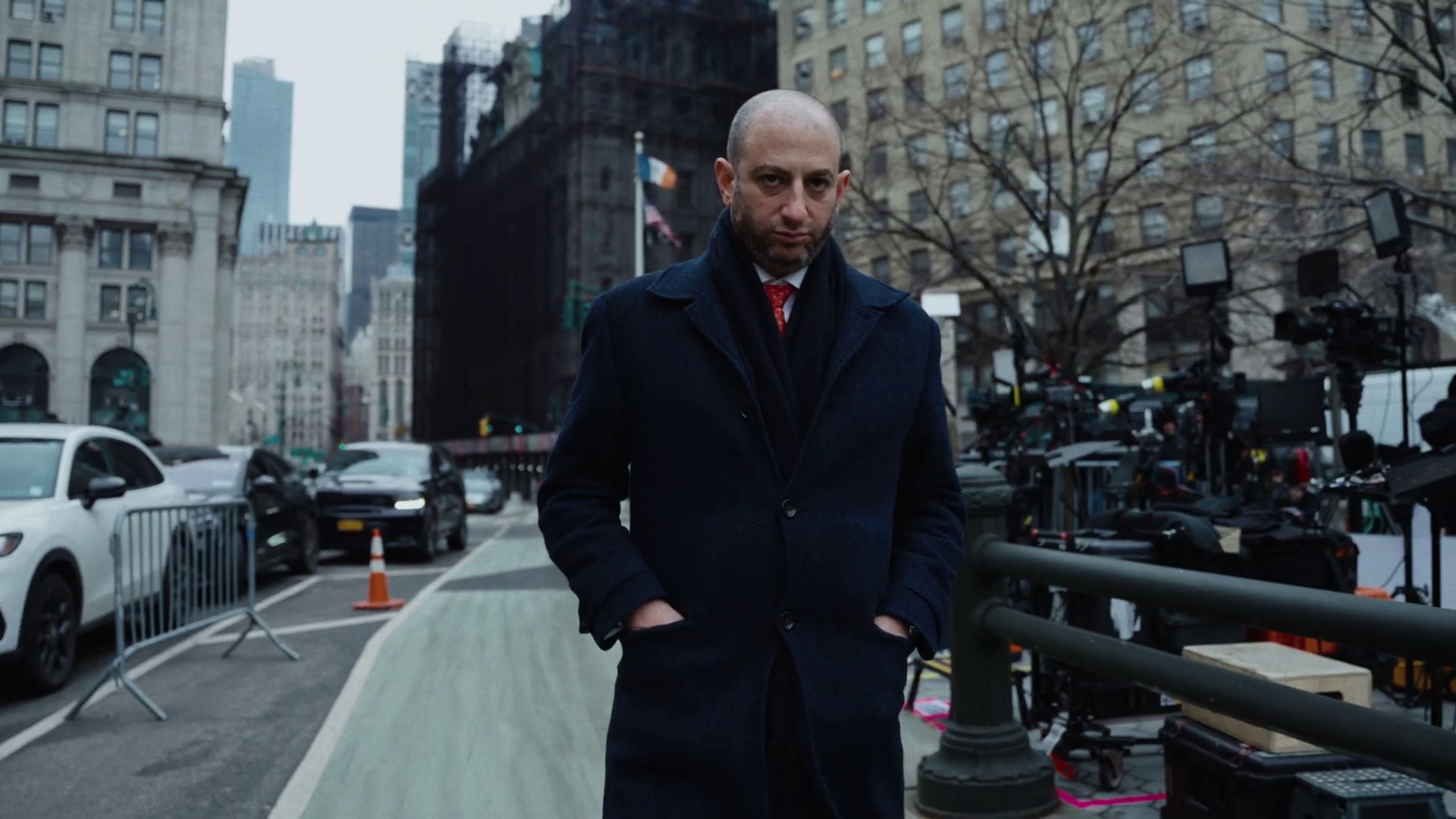
Todd Spodek
Lead Attorney & Founder
Featured on Netflix's "Inventing Anna," Todd Spodek brings decades of high-stakes criminal defense experience. His aggressive approach has secured dismissals and acquittals in cases others deemed unwinnable.
You received a PPP loan of $150,000 for your small restaurant during COVID-19, but your accountant inflated payroll numbers on the application and you just learned the SBA Office of Inspector General has opened an investigation. Your bank has frozen the account where the remaining loan funds sit, and you received a letter requesting documents related to your PPP application.
Can I be held criminally liable for fraud my accountant committed on the PPP application, even though I didn't know the numbers were wrong when I signed?
Under 18 U.S.C. § 1014 and § 1343, the government must prove you knowingly made false statements to a financial institution or engaged in wire fraud — but prosecutors often argue that signing a certification without verifying its accuracy demonstrates willful blindness, which courts treat as equivalent to actual knowledge. The SBA OIG and DOJ have prosecuted over 1,500 PPP fraud cases since 2020, and sentences under the CARES Act fraud provisions have ranged from probation to five or more years in federal prison depending on the loan amount and whether funds were misused. Early intervention by defense counsel during the investigation phase is critical because we may be able to demonstrate your lack of intent, negotiate voluntary repayment, or present exculpatory evidence to prosecutors before an indictment decision is made. You should not respond to document requests or speak with investigators without counsel, as anything you say or produce can be used to build the case against you.
This is general information only. Contact us for advice specific to your situation.
Even if you think you did nothing wrong and have nothing to hide, talking to investigators without counsel is dangerous. You might make statements that contradict documentation they already have, giving them false statements charges under 18 U.S.C. § 1001. You might provide information that helps them understand your business operations in ways that support their fraud theory. You might inadvertently admit facts that seem innocent to you but which prosecutors use to establish criminal intent.