




Payroll Fraud in PPP Loan Forgiveness Applications
Thanks for visiting Federal Lawyers – a second-generation law firm managed by our lead attorney. We’ve defended federal fraud cases for over 40 years combined. If you’re accused of payroll fraud in your PPP loan forgiveness application, you’re facing federal wire fraud charges that carry 20 years in prison. Forgiveness application fraud is often easier for prosecutors to prove than initial loan fraud because the misuse of funds is documented in your bank records.
We defend PPP forgiveness fraud cases. Our team understands how prosecutors build these cases and where the defenses are. Payroll fraud in forgiveness applications takes many forms – inflated payroll numbers, fake employees, altered bank statements, fabricated 1099s. Each requires different defense strategies.
How PPP Loan Forgiveness Worked
To get your PPP loan forgiven, you had to prove you spent at least 60% on payroll costs and the remaining 40% on approved non-payroll expenses during the covered period. The forgiveness application required documentation: payroll tax filings, bank statements showing payroll deposits, proof of retirement and health insurance contributions.
You also made certifications. You certified the documentation was true and accurate. You certified the funds were used for authorized purposes. You certified you complied with PPP requirements. Those certifications are legally binding – if they’re false, you committed fraud.
The SBA reviewed forgiveness applications. For loans under $150,000, review was often minimal. For larger loans, review was more detailed. Some loans got approved quickly, others took months of back-and-forth requesting additional documentation.
But approval doesn’t mean you’re safe. The SBA can audit forgiven loans for six years. If they discover fraud during an audit, they’ll refer the case for criminal prosecution and demand repayment plus penalties.
Types of Payroll Fraud in Forgiveness Applications
Inflating payroll expenses is the most common fraud. You received a $100,000 PPP loan. You needed to show $60,000 in payroll costs to get full forgiveness. But you only spent $40,000 on payroll. So you inflated the numbers – claimed you paid employees more than you actually did, or claimed you had more employees than you actually had.
Need Help With Your Case?
Don't face criminal charges alone. Our experienced defense attorneys are ready to fight for your rights and freedom.
- 100% Confidential
- Response Within 1 Hour
- No Obligation Consultation
Or call us directly:
(212) 300-5196Prosecutors prove this by comparing your forgiveness application to your bank records. Your application says you spent $60,000 on payroll. Your bank statements show $40,000 in payroll deposits. That $20,000 discrepancy is evidence of fraud.
Fake employees appear in many cases. You claimed you paid salaries to 5 employees during the covered period. You submitted payroll records showing their names, wages, tax withholdings. But those employees don’t exist, or they exist but didn’t work during that period, or they worked but earned far less than you claimed.
The government interviews the supposed employees. They say they never worked for you, or they confirm they worked but their actual pay was half what you reported. Your forgiveness application falls apart.
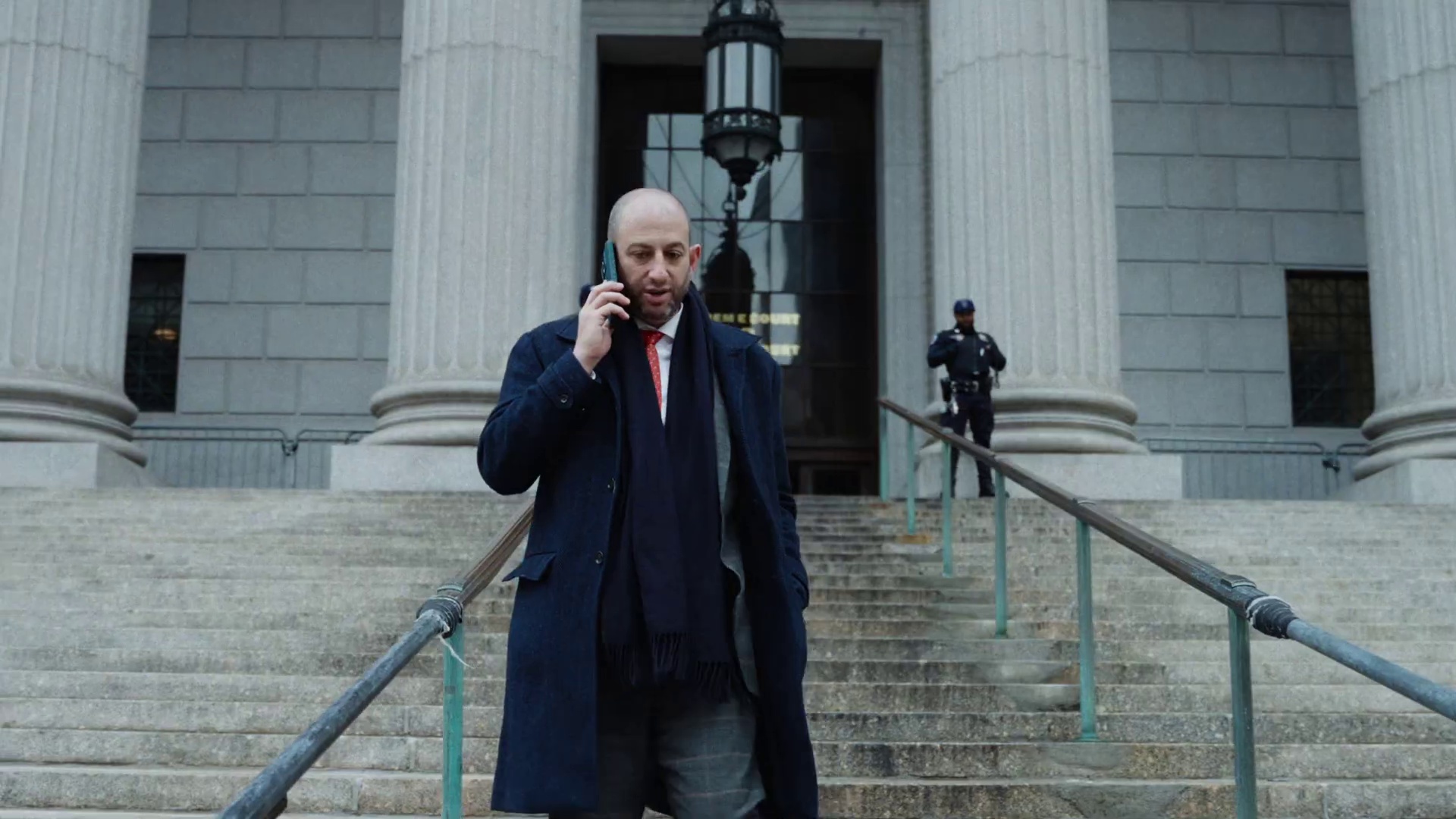
Todd Spodek
Lead Attorney & Founder
Featured on Netflix's "Inventing Anna," Todd Spodek brings decades of high-stakes criminal defense experience. His aggressive approach has secured dismissals and acquittals in cases others deemed unwinnable.
Family members on payroll who don’t actually work create gray areas. Your spouse or child is technically an employee, they’re on payroll for tax purposes, but they don’t do any real work. You included their “wages” in your forgiveness application payroll calculations. Is that fraud?

You submitted a PPP loan application during COVID and now realize some employee count numbers may have been inaccurate.
Could this be considered fraud?
Inaccuracies in PPP applications can trigger federal fraud charges carrying up to 20 years in prison. However, honest mistakes differ from intentional misrepresentation. Documentation of your good-faith efforts is critical to your defense.
This is general information only. Contact us for advice specific to your situation.
It depends. If they legitimately work for the business and earn reasonable wages, including them is proper. If they’re phantom employees who collect paychecks but don’t work, that’s fraud. Prosecutors look at what work they actually performed, whether their compensation was reasonable, whether they were employees before the pandemic or added just for PPP purposes.
Altered documentation is clear fraud. You changed bank statements to inflate payroll deposits. You created fake IRS Form 941s showing higher payroll taxes than you actually paid. You forged employee signatures on payroll records. This is document fabrication – it’s not a mistake or misunderstanding, it’s intentional fraud.