




Denver PPP Loan Fraud Lawyers: Federal Defense in the Strike Force Capital
Welcome to Federal Lawyers. Our goal is to give you the same quality of representation that we would want for our own families. If you’re reading this page, you probably just learned something disturbing – the federal government is investigating PPP loans, and somehow, the District of Colorado has your name. Maybe you live in Denver. Maybe you’ve never been to Colorado in your life. Either way, you’re now facing the possibility of federal prosecution in one of the most aggressive jurisdictions in the country for pandemic relief fraud.
Here’s what most people don’t understand about Colorado: it’s not just another federal district. It’s one of only five locations in the entire United States where the Department of Justice placed a COVID-19 Fraud Strike Force. That means dedicated prosecutors, data analysts, and federal agents whose only job is finding PPP fraud cases. They’re not waiting for tips. They’re actively hunting. They have specialized tools, specialized training, and a mandate from the Attorney General to bring cases.
The numbers tell the story with brutal clarity. Richard Nieto of Morrison, Colorado got 46 months in federal prison and $962,438 in restitution for submitting fraudulent PPP applications. Charles Lacona of Colorado Springs got 24 months and $549,274 after a jury found him guilty. Shambrica Washington was convicted on 31 separate counts for defrauding nearly half a million dollars. These aren’t abstractions or hypotheticals – they’re real people who made real mistakes with PPP applications, and they’re now serving real federal sentences in real federal prisons.
Why Colorado? The Jurisdiction Nobody Expects
Heres were things get genuinly strange. You might be sitting in Texas, Florida, or California right now wondering why a prosecutor in Denver would have any authority over your case whatsoever. The answer involves something most people never think about and most lawyers dont adequatly explain: bank routing.
When you applied for a PPP loan – wheather through a traditional bank, a fintech app, or an online lending platform – that application went through a specific financial institution. Many of those lenders, especialy the high-volume fintech platforms that processed millions of applications during the pandemic rush, used banks headquartered in Colorado. Your loan paperwork might list a Denver address you’ve never seen in a state youve never visited. You probably didn’t even notice it at the time.
That bank location creates federal jurisdiction. The wire transfer went through Colorado, which means the alleged wire fraud occurred in Colorado, which means the District of Colorado can prosecute your case. Dosent matter that you live somewhere else. Dosent matter that your business operates in another state. Dosent matter that you’ve never set foot in the Rocky Mountains. The money flowed through Denver, and now Denver owns your case.
OK so why does this matter beyond just inconvenience? Because the Strike Force prosecutors in Colorado are specifically trained and resourced to handle PPP fraud cases. There not general-purpose federal prosecutors juggling drug cases, immigration matters, and white collar crime all at once. There focus is pandemic relief fraud exclusively, and theyve developed systems and methodologies to identify and prosecute these cases with maximum efficiency.
Need Help With Your Case?
Don't face criminal charges alone. Our experienced defense attorneys are ready to fight for your rights and freedom.
- 100% Confidential
- Response Within 1 Hour
- No Obligation Consultation
Or call us directly:
(212) 300-5196The Strike Force announced in July 2023 that Colorado would be one of five national hubs. The other locations are Maryland, New Jersey, the Southern District of Florida, and a joint task force in California. Together these five locations handle the most significant PPP fraud prosecutions in the country. If your case gets assigned to Denver, your facing prosecutors who have seen hundreds of similar cases and know exactly how to build them.
The Algorithm Came Before the Investigator
Think about how you’ve probably always assumed federal investigations work. Someone reports suspicious activity. An agent reviews the complaint and decides if it merits attention. They open a case file. Evidence gets gathered through traditional investigative methods. A prosecutor eventually decides weather to charge.
Thats not how Strike Force cases actually work in practice.
The Department of Justice describes its approach as “prosecutor-led and data analyst-driven.” Translation: algorithms scan millions of PPP loan applications looking for patterns that suggest fraud. Red flags get automatically generated based on statistical anomalies. By the time a human prosecutor reviews your file, the computer has already flagged you as a potential target. You’ve been identified by software before any investigator made a judgment call about your case.
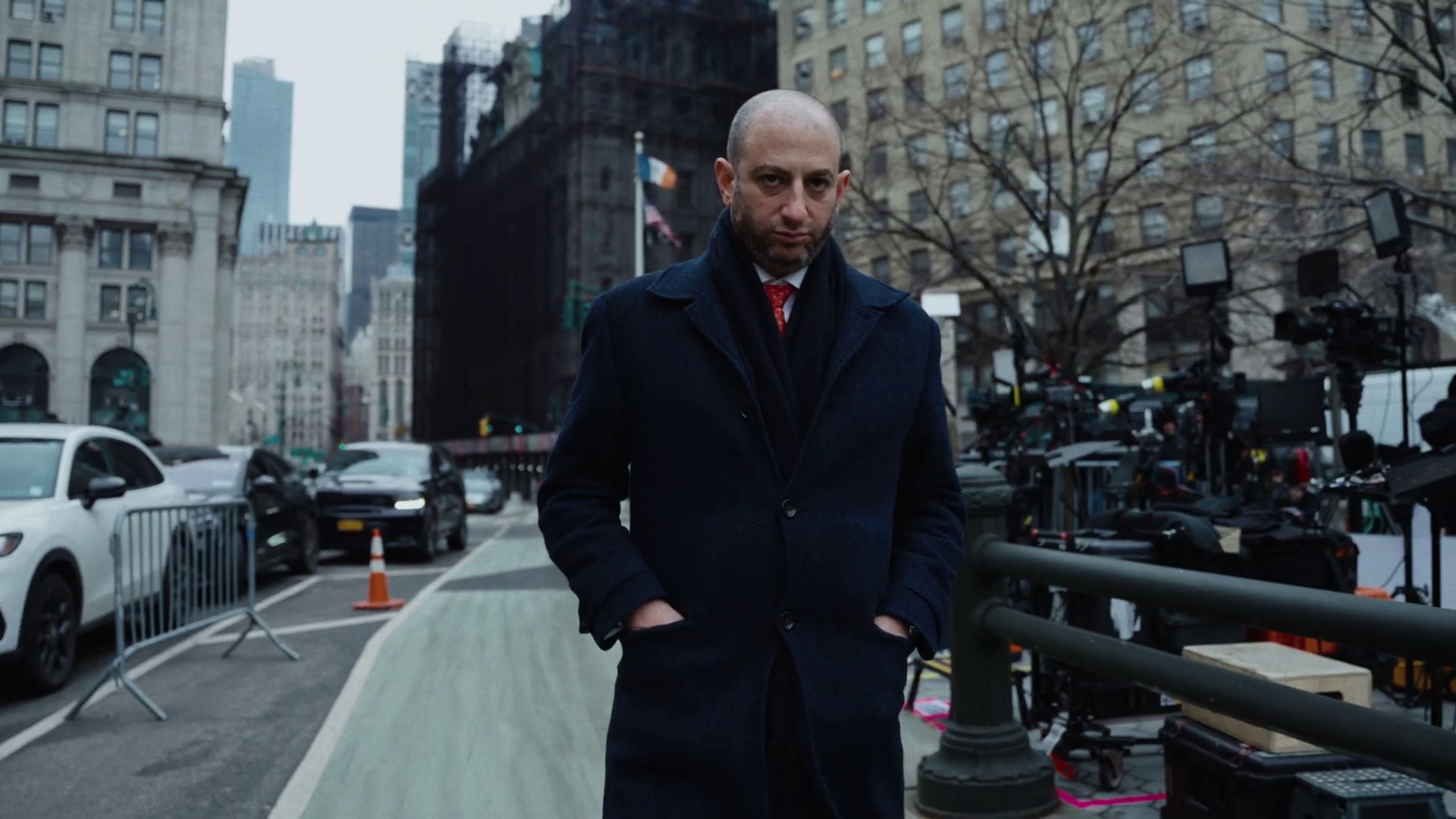
Todd Spodek
Lead Attorney & Founder
Featured on Netflix's "Inventing Anna," Todd Spodek brings decades of high-stakes criminal defense experience. His aggressive approach has secured dismissals and acquittals in cases others deemed unwinnable.
What triggers these algorithms? The common patterns include discrepancies that seem obvious in retrospect but were easy to miss when you were filling out applications under pressure:
You submitted a PPP loan application during COVID and now realize some employee count numbers may have been inaccurate.
Could this be considered fraud?
Inaccuracies in PPP applications can trigger federal fraud charges carrying up to 20 years in prison. However, honest mistakes differ from intentional misrepresentation. Documentation of your good-faith efforts is critical to your defense.
This is general information only. Contact us for advice specific to your situation.
- Employee counts that dont match other government records like unemployment filings or quarterly tax reports
- Revenue figures that seem inconsistent with prior tax filings or bank deposit patterns
- Multiple loan applications from the same physical address or IP address
- Business formation dates suspiciously close to PPP application dates
- Spending patterns after recieving funds that dont look like legitimate payroll expenses
- Unusual relationships between supposedly unrelated businesses
Heres the uncomfortable truth that nobody in the defense bar talks about publicaly. Alot of legitimate business owners triggered these red flags through honest mistakes made under extraordinary pressure. Maybe your accountant estimated payroll costs becuase you couldnt access exact records during lockdowns. Maybe you included contractors in employee counts becuase the guidance was confusing and changed repeatedly. Maybe your business had unusual circumstances – like a recent acquisition or restructuring – that made the numbers look suspicious on paper even though everything was legitimate.
The algorithm dosent know the difference between intentional fraud and genuine confusion. It just generates red flags based on statistical patterns. And once your flagged, your in the system – probly months or years before you have any idea an investigation even exists. The first indication might be a subpoena to your bank. Or agents interviewing your former employees. Or questions from your accountant about document requests they recieved.