




international drug trafficking
Thanks for visiting Federal Lawyers, a second-generation criminal defense firm managed by our lead attorney, with over 40 years of combined experience defending federal drug cases throughout the United States. If you’re researching international drug trafficking, you’re probably facing charges involving drugs that crossed international borders, or you’re trying to understand how federal prosecutors build cases against international trafficking networks. International trafficking cases are the most serious drug prosecutions the federal government brings – they involve multi-jurisdictional investigations, cooperation between U.S. and foreign law enforcement agencies, extradition proceedings, and charges under 21 U.S.C. § 960 for importation of controlled substances, which carry the same mandatory minimums as domestic trafficking but with additional complexity. What makes international cases particularly challenging is that prosecutors build them over years using wiretaps, confidential sources in multiple countries, financial records from foreign banks, and testimony from cooperating defendants who faced extradition. If you’re charged in an international trafficking case, you need lawyers who understand how these investigations work and how to challenge evidence gathered across borders.
Major International Trafficking Routes
Cocaine trafficking operates through established routes from South American production to U.S. and European markets. Colombian cocaine moves through Central America and Mexico before entering the United States, controlled primarily by the Sinaloa Cartel and Jalisco New Generation Cartel (CJNG). The route typically flows from FARC dissident groups in Colombia to Guatemalan organizations like Los Huistas, then to Mexican cartels who manage final smuggling into the United States. The Caribbean has become an increasingly important transshipment point, with criminal organizations exploiting weak governance and corruption in island nations to move cocaine toward European markets where prices are significantly higher than in the United States. Federal prosecutors charge defendants at every point along these routes – not just the cartel leaders in Mexico or Colombia, but also warehouse operators in Guatemala, boat captains in the Caribbean, and distributors receiving shipments in Miami, Houston, or Los Angeles.
Need Help With Your Case?
Don't face criminal charges alone. Our experienced defense attorneys are ready to fight for your rights and freedom.
- 100% Confidential
- Response Within 1 Hour
- No Obligation Consultation
Or call us directly:
(212) 300-5196Fentanyl trafficking follows different routes because it’s synthetic rather than plant-based. Chinese chemical companies export precursor chemicals to Mexico, where Sinaloa and CJNG cartels operate manufacturing labs that produce fentanyl. The finished product is smuggled into the United States, primarily through ports of entry where vehicles driven by U.S. citizens carry concealed fentanyl. In 2025, federal investigators discovered that Mexican cartels established fentanyl synthesis labs in Canada, opening a northern smuggling route that prosecutors are now targeting. Methamphetamine follows similar synthetic drug routes, with precursor chemicals sourced from China and manufacturing occurring in Mexican cartel labs before smuggling into the United States. The synthetic nature of these drugs means they can be manufactured anywhere with access to precursor chemicals and laboratory equipment, which complicates interdiction efforts that historically focused on crop eradication in source countries.
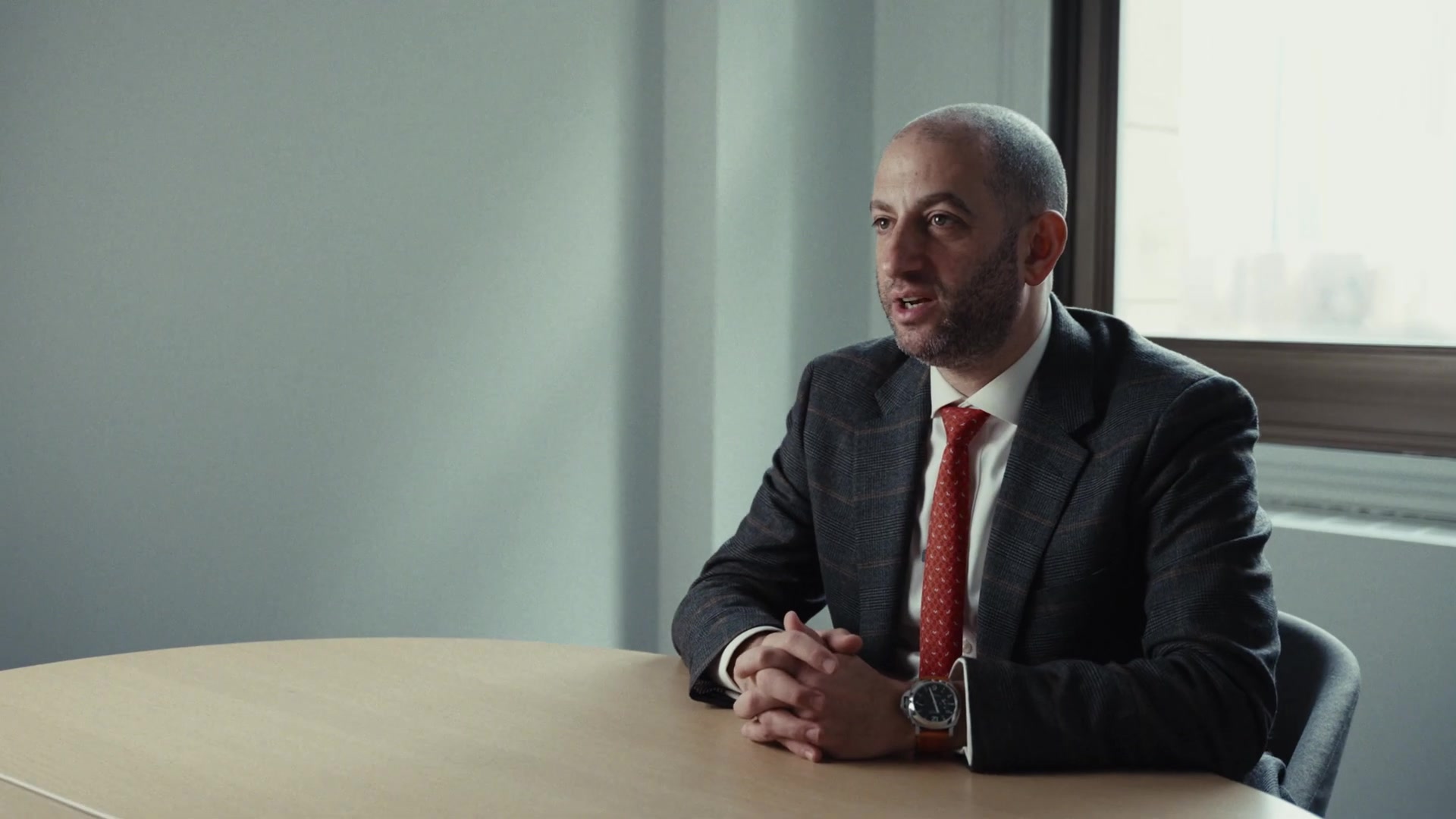
Todd Spodek
Lead Attorney & Founder
Featured on Netflix's "Inventing Anna," Todd Spodek brings decades of high-stakes criminal defense experience. His aggressive approach has secured dismissals and acquittals in cases others deemed unwinnable.

Federal agents execute a search warrant at your medical practice, seizing patient records and prescription logs.
Can they take patient records without patient consent?
A valid federal search warrant overrides HIPAA privacy protections. However, the warrant must be properly scoped. An attorney can challenge overly broad warrants and move to suppress improperly seized evidence.
This is general information only. Contact us for advice specific to your situation.