




Federal Securities Fraud Charges Under 15 USC 78j and Rule 10b-5
So your probably facing federal securities fraud or insider trading charges and your ABSOLUTELY CONFUSED because you thought trading stocks was legal. Maybe you bought shares based on information from work colleague. Maybe there’s allegations you made misleading statements to investors. Or maybe SEC and DOJ claim you traded on “material nonpublic information.” Look, we get it. Your COMPLETELY TERRIFIED about securities prosecution. And you should be! Because securities fraud under 15 USC 78j carries 20 YEARS in federal prison and $5 MILLION fine and prosecutors treat Wall Street crimes as priority cases that generate headlines!
What Is Federal Securities Fraud Under Section 10(b) and Rule 10b-5?
Let me explain the prosecutorial weapon targeting anyone in securities markets. Section 10(b) of Securities Exchange Act of 1934 prohibits fraud in connection with purchase or sale of securities – implemented through SEC Rule 10b-5 which has incredibly broad language!
Rule 10b-5 has THREE alternative violations prosecutors can charge! (a) using device or scheme to defraud, (b) making untrue material statement or omitting material fact, (c) engaging in practice that operates as fraud! Each carries same 20-year maximum!
Here’s what’s really scary – “in connection with purchase or sale of security” is interpreted INCREDIBLY broadly! Don’t need to personally buy or sell! Tipping someone who trades? That’s “in connection with”! Making statement that affects stock price? Connected! We’ve seen prosecutions for tangential market connections!
Two enforcement tracks exist – SEC civil enforcement AND DOJ criminal prosecution! SEC handles negligent violations with civil penalties! DOJ prosecutes willful violations criminally! But same conduct gets BOTH – face SEC lawsuit AND criminal charges simultaneously!
What Is Insider Trading?
Insider trading is most commonly prosecuted securities fraud!
Insider trading occurs when someone trades securities based on material nonpublic information in breach of fiduciary duty! Classic insider: corporate officer trades on confidential information about company! Temporary insider: lawyer or consultant trades on client information! Tippee: person receives tip from insider and trades!
The Dirks test governs insider trading prosecutions! Must prove: (1) breach of fiduciary duty to shareholders, (2) tipper received personal benefit, (3) tippee knew or should have known about breach! All three elements required!
“Personal benefit” was litigated for decades! Newman decision required pecuniary or valuable benefit! But Supreme Court in Salman v. United States (2016) REVERSED this! Gift of confidential information to family member or friend satisfies personal benefit! Don’t need cash payment or quid pro quo!
Need Help With Your Case?
Don't face criminal charges alone. Our experienced defense attorneys are ready to fight for your rights and freedom.
- 100% Confidential
- Response Within 1 Hour
- No Obligation Consultation
Or call us directly:
(212) 300-5196This EXPANDS insider trading prosecutions! Tell your brother about upcoming merger so he profits? That’s personal benefit through gift! Share information with college friend? Personal benefit! Prosecutors no longer need to prove financial kickback!
Recent cases show aggressive enforcement! 2025 case: defendant pleaded guilty to trading on nonpublic information about corporate acquisitions! Generated $216,965 profit but faces 20 years! SEC pursuing both civil penalties AND DOJ criminally prosecuting!
What Is “Materiality” in Securities Fraud?
Materiality is CRITICAL element but broadly interpreted!
Information is material if substantial likelihood reasonable investor would consider it important! Must significantly alter “total mix” of available information! Not just “nice to know” – must be decision-influencing!
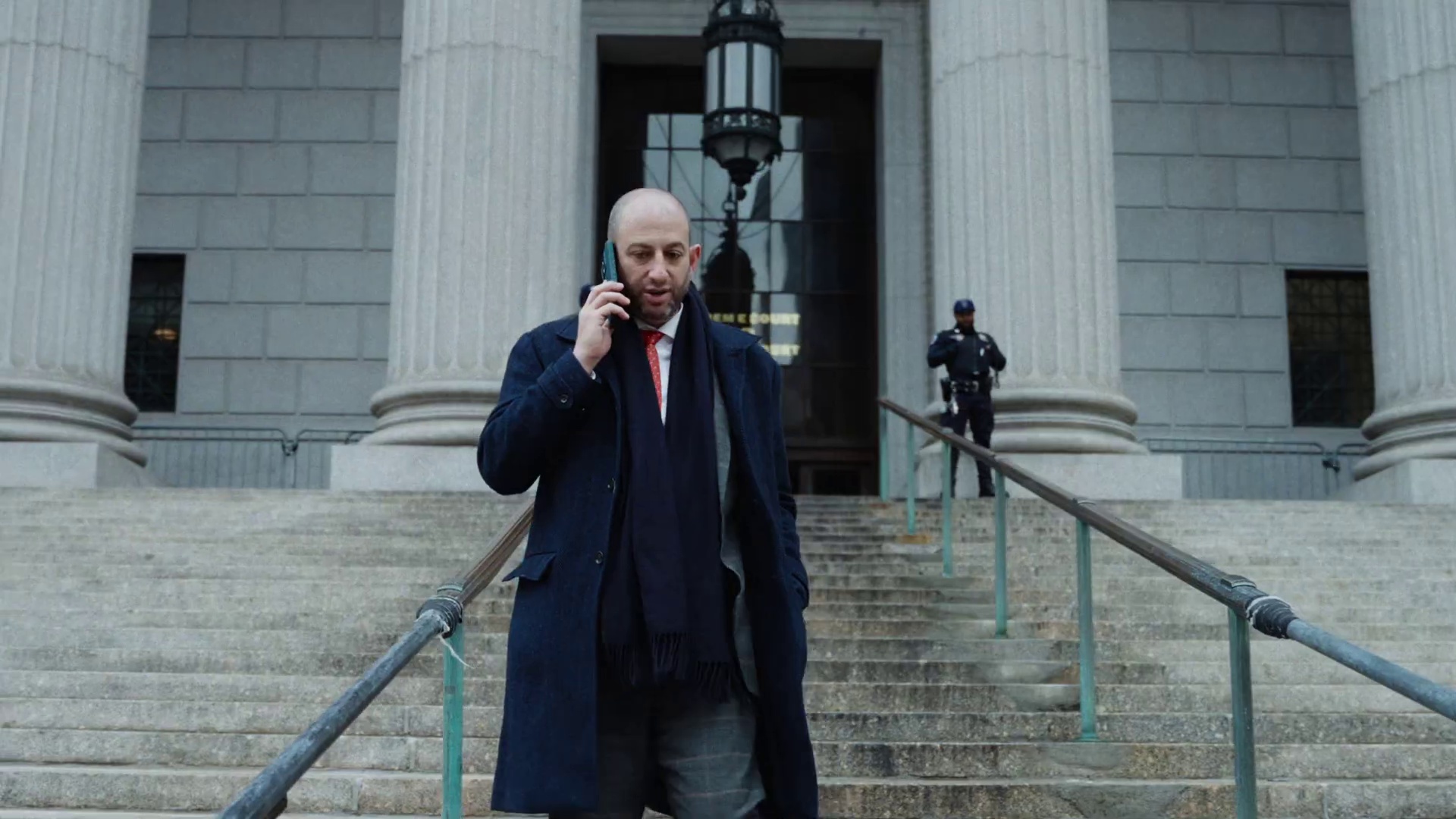
Todd Spodek
Lead Attorney & Founder
Featured on Netflix's "Inventing Anna," Todd Spodek brings decades of high-stakes criminal defense experience. His aggressive approach has secured dismissals and acquittals in cases others deemed unwinnable.
Classic material information: merger announcements, earnings reports, FDA drug approvals, major contract awards, executive resignations! But also includes negative information – failed products, accounting fraud, regulatory violations!
Omissions can be material! Failing to disclose conflicts of interest, risks, related party transactions! Half-truths that mislead by omitting critical context are material misstatements!

You work as a financial analyst at a publicly traded biotech company and shared details about an upcoming FDA approval with your college roommate, who then purchased 5,000 shares before the announcement. Federal investigators have now subpoenaed your phone records and emails, and the SEC has filed a civil complaint alleging you violated Rule 10b-5 by tipping material nonpublic information.
Can I really face criminal charges just for talking to a friend about my company's news, even though I never personally traded a single share?
Yes — under 15 USC §78j(b) and SEC Rule 10b-5, you don't need to personally trade to face federal securities fraud charges; simply communicating material nonpublic information to someone who then trades on it makes you liable as a 'tipper.' The DOJ can pursue criminal charges carrying up to 20 years in prison per count under the Securities Exchange Act, while the SEC can seek civil penalties up to three times the profits your friend gained from the trades. Courts have held since Dirks v. SEC that tipper liability attaches when you disclosed the information in exchange for a personal benefit, which can be as broad as maintaining a close friendship. We would immediately challenge whether the information was truly 'material' and 'nonpublic' at the time of disclosure, scrutinize the government's evidence of your intent, and explore whether a cooperation agreement with the SEC could help resolve the matter before criminal indictment.
This is general information only. Contact us for advice specific to your situation.
Forward-looking statements create gray area! Projections, forecasts, opinions about future performance! Generally less likely to be material unless made without reasonable basis! Safe harbor provisions protect some forward-looking statements!
Prosecutors argue almost everything is material! Found emails mentioning upcoming product? Material! Overheard conversation about contract negotiations? Material! We challenge by showing information was speculative, already public, or wouldn’t affect reasonable investor!