Entrapment Defenses in SBA Loan Fraud Cases
Thanks for visiting Federal Lawyers – a second-generation law firm managed by our lead attorney, with over 40 years of combined experience defending federal criminal cases. If you’re facing SBA loan fraud charges and you believe government agents or informants pushed you into conduct you wouldn’t have otherwise committed, entrapment might be a viable defense. This article explains exactly how entrapment defenses work in PPP, EIDL, and other SBA loan fraud prosecutions.
Entrapment is rare, difficult to prove, and requires specific facts showing government overreach. But when it applies, it’s a complete defense to federal fraud charges. Understanding when entrapment works – and when it doesn’t – could determine whether you’re convicted or acquitted.
What Is Entrapment Under Federal Law
Entrapment occurs when government agents induce a person to commit a crime they weren’t predisposed to commit. Federal law recognizes two elements: government inducement and lack of predisposition. Both must be proven for an entrapment defense to succeed.
Government inducement means law enforcement officers, undercover agents, or cooperating witnesses actively persuaded you to commit fraud. Simply providing an opportunity to commit fraud isn’t enough – the government must have created the crime through persuasion, pressure, or deception. Lack of predisposition means you weren’t already inclined to commit SBA loan fraud before government involvement. If you had a history of fraud, showed eagerness to participate, or initiated the scheme yourself, you were predisposed.
Need Help With Your Case?
Don't face criminal charges alone. Our experienced defense attorneys are ready to fight for your rights and freedom.
- 100% Confidential
- Response Within 1 Hour
- No Obligation Consultation
Or call us directly:
(212) 300-5196The burden shifts during entrapment defenses. Once you present evidence of government inducement, the prosecution must prove beyond a reasonable doubt that you were predisposed to commit the crime. This is one of the few defenses that puts burden on the government to disprove rather than requiring you to prove your innocence.
How Entrapment Might Occur in SBA Loan Fraud Cases
SBA loan fraud investigations often involve cooperating witnesses – people already caught who agree to help prosecutors build cases against others in exchange for leniency. These cooperators sometimes cross the line from observing criminal conduct to creating it. If a cooperator repeatedly urged you to submit a fraudulent PPP application, provided false information for you to use, or convinced you that everyone was doing it and you’d be foolish not to participate, that might constitute entrapment.
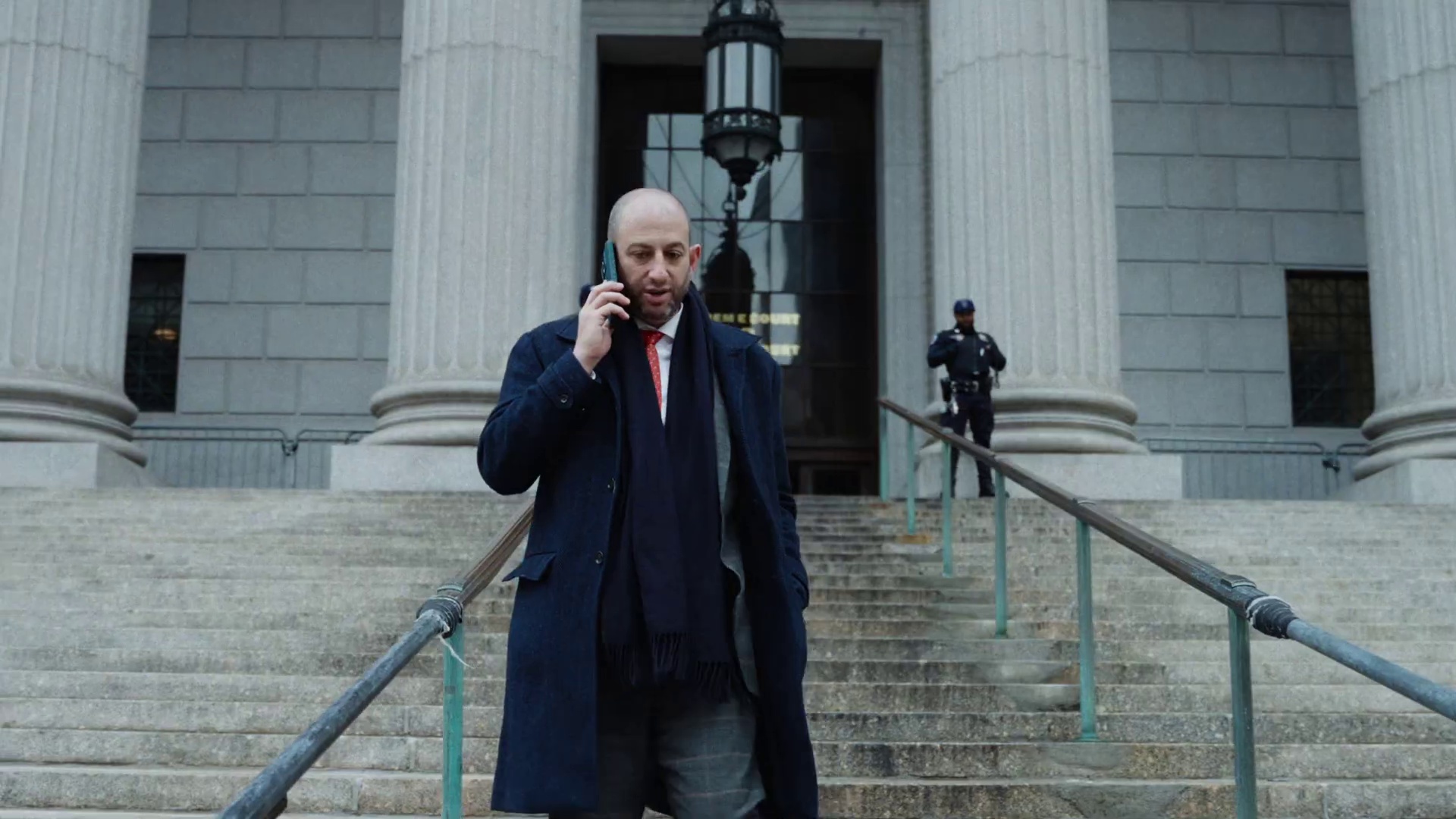
Todd Spodek
Lead Attorney & Founder
Featured on Netflix's "Inventing Anna," Todd Spodek brings decades of high-stakes criminal defense experience. His aggressive approach has secured dismissals and acquittals in cases others deemed unwinnable.
Undercover agents can also create entrapment situations. If an agent posing as a PPP consultant actively encouraged you to inflate employee numbers, fabricate payroll records, or misrepresent your business – and you wouldn’t have done so without that encouragement – the government may have entrapped you.

You submitted a PPP loan application during COVID and now realize some employee count numbers may have been inaccurate.
Could this be considered fraud?
Inaccuracies in PPP applications can trigger federal fraud charges carrying up to 20 years in prison. However, honest mistakes differ from intentional misrepresentation. Documentation of your good-faith efforts is critical to your defense.
This is general information only. Contact us for advice specific to your situation.
The key distinction is between creating crime and detecting crime. Law enforcement can provide opportunities for people predisposed to fraud to commit fraud. They can’t manufacture criminals out of law-abiding citizens through pressure and persuasion.